

March presents a complex picture for visiting Chiang Mai in March. While temperatures hover between 22°C-36°C with minimal rainfall, the burning season creates air quality challenges that travelers must navigate carefully. However, this month also offers unique cultural experiences like the colorful Poy Sang Long Chiang Mai festival, lower accommodation rates, and fewer crowds. This guide covers Chiang Mai in March weather patterns, burning season realities, temple explorations, elephant sanctuary visits, and practical strategies to help you decide if March aligns with your travel priorities.
Understanding Chiang Mai in March Weather
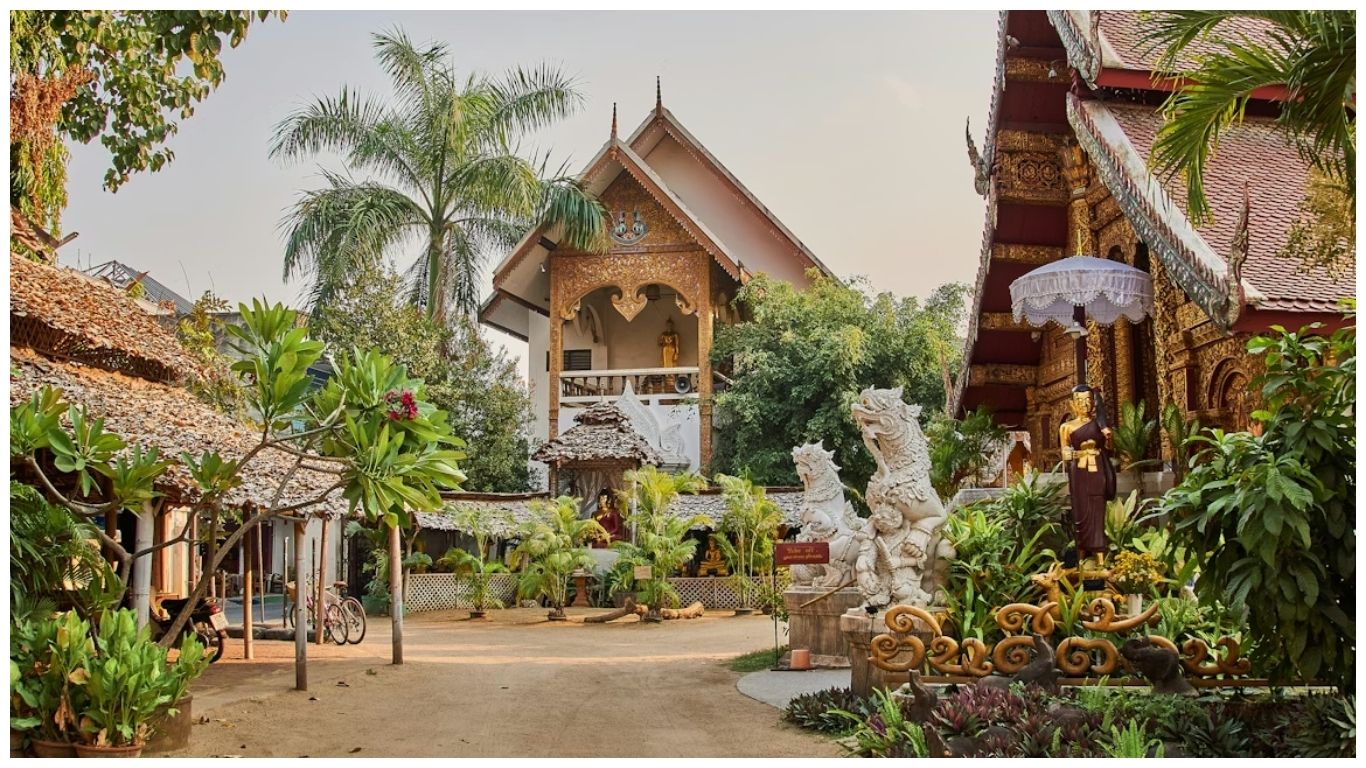
Chiang Mai in March weather features hot, dry conditions with daytime temperatures reaching 28-36°C and virtually no rainfall, creating ideal circumstances for those who enjoy warm climates but challenging conditions for heat-sensitive travelers. The month sits at the transition point between the comfortable cool season and the intense hot season that follows in April.
Temperature Breakdown
- Early March: 22-32°C (more comfortable conditions)
- Mid-March: 25-34°C (heat intensifies)
- Late March: 26-36°C (approaching peak hot season)
- Evening temperatures: 23-26°C (pleasant for outdoor dining)
Weather Comparison Table
| Month | Temp Range | Rainfall | Air Quality | Tourist Volume |
|---|---|---|---|---|
| January | 15-29°C | 7mm | Good-Moderate (AQI 50-100) | Very High (peak) |
| February | 18-30°C | 10mm | Moderate (AQI 100-150) | Very High (peak) |
| March | 22-36°C | 15mm | Poor (AQI 150-300+) | Medium |
| April | 24-38°C | 50mm | Poor (AQI 150-250) | Low (very hot) |
| May | 24-35°C | 160mm | Moderate (AQI 80-120) | Low |
| June | 24-33°C | 130mm | Good (AQI 40-80) | Medium |
| July | 24-32°C | 160mm | Good (AQI 40-80) | Medium |
| August | 24-32°C | 200mm | Good (AQI 40-80) | Medium |
| September | 23-32°C | 230mm | Good (AQI 40-80) | Low (rainy) |
| October | 22-32°C | 120mm | Good (AQI 50-100) | Medium |
| November | 20-30°C | 50mm | Good-Moderate (AQI 60-100) | High |
| December | 16-28°C | 20mm | Good-Moderate (AQI 60-100) | Very High (peak) |
Should You Visit Chiang Mai in March? Honest Assessment
Based on weather and burning season realities, visiting Chiang Mai in March makes sense if you prioritize cultural experiences, lower prices, and can manage air quality concerns – but skip it if you have respiratory issues or expect pristine mountain views.
| Advantages of March Visits | Disadvantages to Consider |
|---|---|
| ✓ 20-30% lower accommodation rates vs peak season (November-February) | ✗ Air quality frequently unhealthy/hazardous (AQI 150-300+) |
| ✓ Fewer international tourists (easier temple access, shorter lines) | ✗ Limited mountain visibility on most days |
| ✓ Poy Sang Long festival (late March/early April) – unique cultural experience | ✗ Increasingly hot afternoons (33-36°C by late March) |
| ✓ Still-comfortable morning/evening temperatures (22-26°C) | ✗ Outdoor activities less enjoyable during midday hours |
| ✓ Better availability for popular tours, restaurants, cooking classes | ✗ May need N95 masks daily |
| ✓ Authentic local atmosphere as mass tourism declines | ✗ Some outdoor attractions less appealing in heat/smoke |
Who Should Visit in March
March works exceptionally well for specific traveler profiles who can leverage the month’s advantages while managing its challenges:
- Cultural enthusiasts prioritizing festivals and temples
- Budget travelers seeking 20-30% savings
- Flexible travelers who can adjust plans based on daily AQI
- Those comfortable with indoor activity backup options
- Experienced travelers familiar with Southeast Asia conditions
Who Should Choose Different Months
Certain travelers will find March particularly challenging and should consider visiting during November through February instead:
- People with respiratory/health sensitivities (asthma, allergies)
- Outdoor adventure as primary focus (trekking, hiking)
- Photography enthusiasts wanting clear mountain views
- Families with young children (heat + air quality concerns)
- First-time visitors expecting picture-perfect conditions
The Burning Season in Chiang Mai Reality
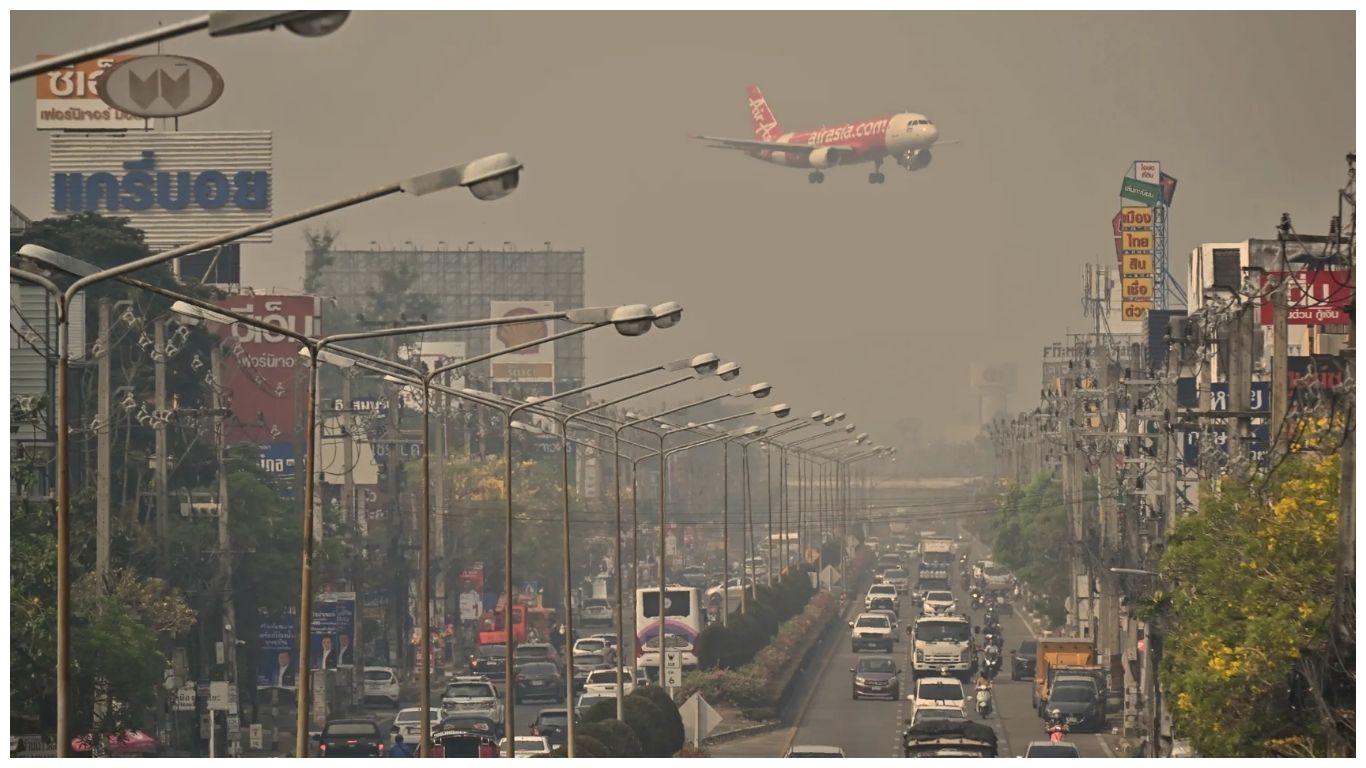
The burning season in Chiang Mai typically peaks in March, with agricultural burning and forest fires creating air quality issues that can make AQI levels reach 150-300+ on bad days, though severity varies year to year. This phenomenon defines the Chiang Mai in March experience more than any other factor and requires honest acknowledgment when planning your visit.
What Causes the Burning Season
Understanding the burning season’s origins helps contextualize why March conditions prove so challenging and why the problem persists despite growing awareness.
- Agricultural burning (farmers clearing fields)
- Forest fires in surrounding mountains
- Geography trap: Mountains create valley that traps smoke
- Lack of rain from October-May compounds the problem
- Peak severity: Mid-March to early April
For context and alternative options during this period, consider exploring Bangkok in March, which typically experiences much better air quality than northern Thailand.
Things to Do in Chiang Mai in March
Experience Poy Sang Long Chiang Mai Festival
Poy Sang Long Chiang Mai is a vibrant 3-day Shan Buddhist ceremony (usually March 29-31 or early April) where young boys aged 7-14 are ordained as novice monks, dressed as jeweled princes in spectacular processions.
What it represents: The Shan/Tai Yai coming-of-age tradition commemorates Prince Siddhartha’s departure from palace life to seek enlightenment. Boys are dressed as princes to symbolize the Buddha’s royal origins before taking on the humble robes of monastic life. Families consider it a great honor to sponsor a boy through this ceremony, which requires significant financial investment in elaborate costumes and ceremonial requirements.
Day 1: Boys have heads shaved, bathed in sacred water
Day 2: Boys in white turbans, family feasting, traditional dancing
Day 3: Boys in Full makeup, princely silk costumes, grand procession with golden umbrellas
Best viewing: Arrive by 8AM to secure good viewing positions before processions begin around 9AM. The ceremonies run through midday, with different temple schedules allowing visitors to witness multiple processions if desired.
Where to witness Poy Sang Long:
- Wat Ku Tao: Largest ceremony (50+ boys typically)
- Wat Pa Pao: Smaller, more intimate celebration
- Mae Hong Son: Alternative location with bigger celebrations
Photography is welcomed and encouraged, but dress respectfully with covered shoulders and knees as befits temple grounds. While attendance is free, donations to support the ceremonies are appreciated. Bring sun protection as ceremonies occur outdoors during increasingly hot late-March weather.

For broader cultural experiences in Thailand, explore our Thailand travel guide for comprehensive information about festivals, traditions, and travel planning.
Visit Chiang Mai Elephant Jungle Sanctuary
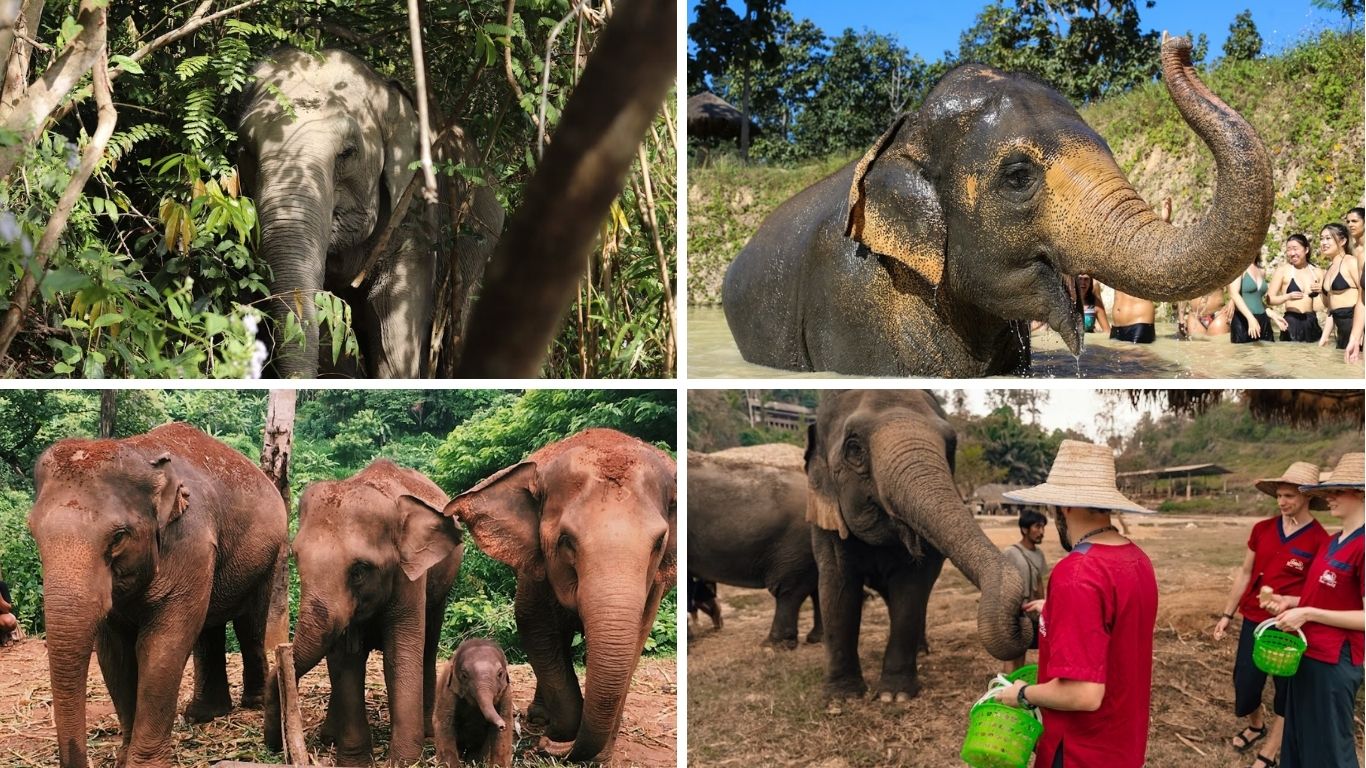
Chiang Mai elephant jungle sanctuary visits work well in March if you book morning sessions (7-10AM arrival) when temperatures and air quality are more manageable for both visitors and elephants.
Recommended Sanctuaries:
- Elephant Nature Park: Most established, rescue-focused
- Elephant Jungle Sanctuary: Hands-on bathing experiences
- Kindred Spirit Elephant Sanctuary: Small group encounters
- Chai Lai Orchid: Female-led, community-focused
What to expect:
- 3-4 hour programs with feeding, walking, bathing elephants
- No riding (ethical sanctuaries only)
- Transportation included from Chiang Mai
- Lunch provided at most locations
- Bring reef-safe sunscreen, wear light breathable clothing
- Some provide N95 masks for transport on bad air days
March-specific tips:
- Book morning programs only (for better conditions)
- Stay hydrated throughout experience
- Bring mask for van journey to/from sanctuary
- Support sanctuaries during lower tourism season
Early Morning Activities (6-10AM)
The four-hour window between 6-10AM represents prime time for things to do in Chiang Mai in March, when air quality reaches its daily best and temperatures remain manageable for outdoor exploration.
- Doi Suthep Temple sunrise visits
- Old City temple circuit (Wat Chedi Luang, Wat Phra Singh)
- Morning food tours and market visits
- Warorot Market authentic shopping
- Jogging/cycling before heat peaks

Indoor & Covered Experiences
When AQI readings climb above 150 or temperatures exceed 33°C (typically 11AM-4PM), shifting to indoor activities protects your health while maintaining enjoyable travel experiences.
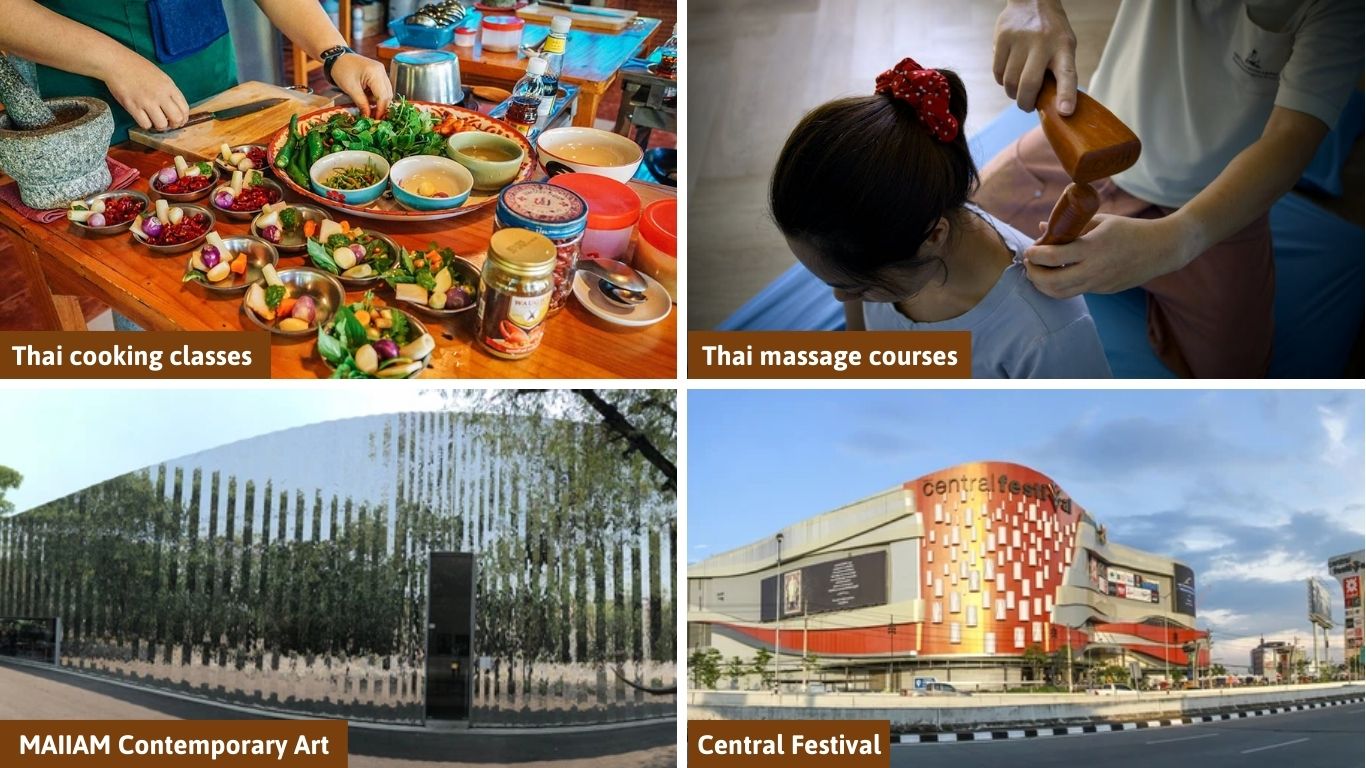
- Thai cooking classes (air-conditioned venues)
- Thai massage courses and spa treatments
- Art museums (MAIIAM Contemporary Art, others)
- Shopping malls with air filtration (Central Festival, Maya)
- Co-working cafes with good AC
- Muay Thai training gyms (indoor facilities)
Strategic Outdoor Adventures
On days when AQI readings fall below 150 (check each morning before committing), these outdoor activities become viable with appropriate precautions and timing.
- Chiang Mai elephant jungle sanctuary visits (morning sessions)
- Sticky Waterfalls (water provides relief)
- Doi Inthanon National Park (higher altitude = cleaner air sometimes)
- Zip-lining adventures (book morning slots)
- Hot air balloon rides (weather dependent, very early AM)

Evening Activities
As temperatures drop from 5PM onwards and air settles slightly (though smoke often lingers), Chiang Mai’s evening scene becomes more accessible.
- Nimmanhaemin Road cafes and restaurants
- Night markets (Saturday Walking Street, Night Bazaar)
- Riverside dining experiences
- Cultural performances at dinner shows
- Rooftop bars with filtered air

Planning your visit to Chiang Mai? Browse our Thailand Tours for expertly crafted itineraries, or contact our specialists to customize your March adventure with air quality backup plans included.
Day Trips & Alternative Destinations
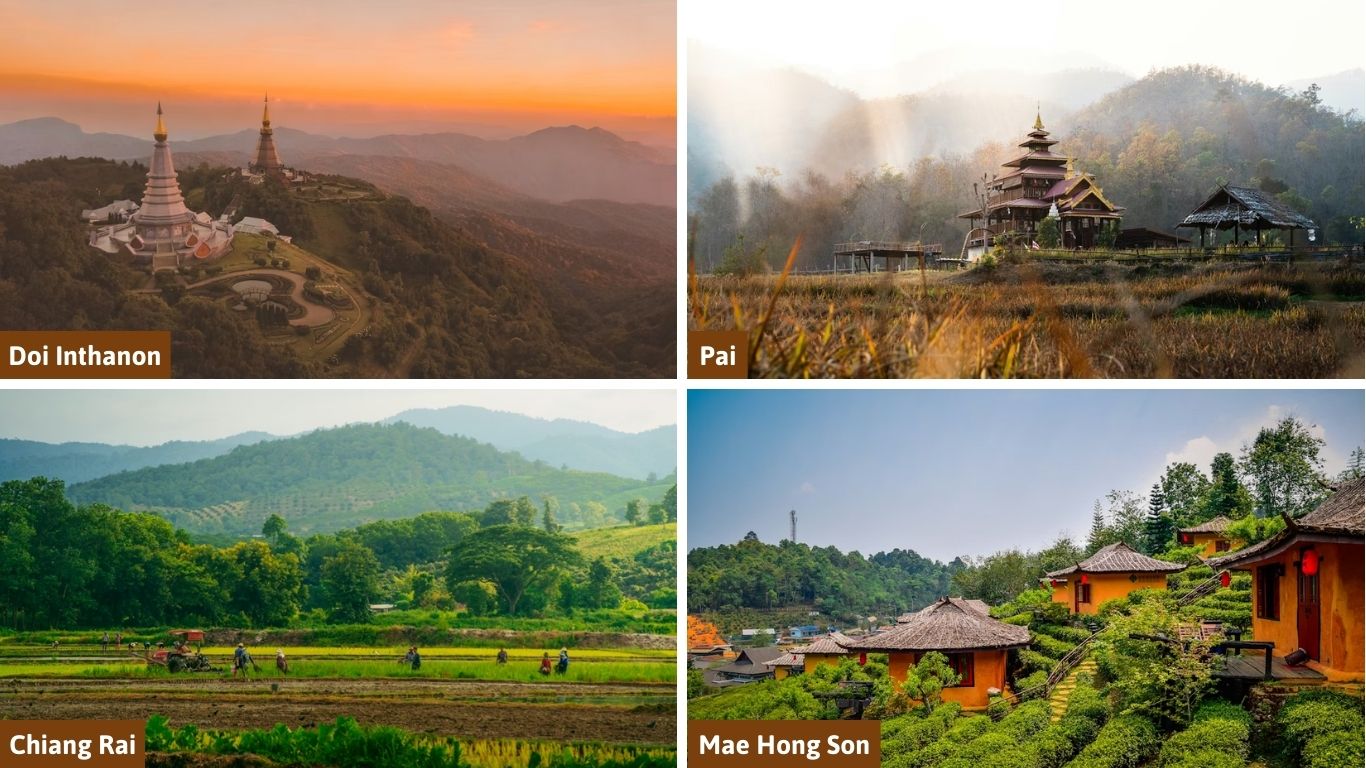
When burning season conditions in Chiang Mai become unbearable, day trips to higher elevations or nearby provinces can provide temporary relief, though most of northern Thailand faces similar issues.
Better Air Quality Options
- Doi Inthanon (higher altitude sometimes clearer)
- Pai (3 hours away, similar issues but different vibe)
- Chiang Rai (3 hours, marginally better some days)
- Mae Hong Son (alternative Poy Sang Long location)
If You Need to Escape
- Bangkok (6 hours by car, or 1 hour by flight for better air in March)
- Southern beaches (fly to Phuket/Krabi)
- Koh Samui/Koh Phangan islands
- Consider cutting Chiang Mai portion short

Realistic Expectations
- All northern Thailand affected by burning season
- No nearby “clean air” escape
- Mountains don’t guarantee better air
- Plan southern Thailand extension as backup
Food & Dining Recommendations
March dining in Chiang Mai favors air-conditioned restaurants, indoor markets, and early evening outdoor dining when temperatures drop slightly and air settles. Northern Thai cuisine offers distinctive flavors worth seeking out despite seasonal challenges.
Must-Try Northern Dishes
- Khao Soi (curry noodle soup)
- Sai Oua (Chiang Mai sausage)
- Nam Prik Ong (tomato-chili dip)
- Gaeng Hang Lay (Burmese-style curry)

Best Dining Strategies
- Choose AC restaurants during hot hours
- Indoor food courts (Think Park, Maya Mall)
- Early evening night markets (6-8PM)
- Avoid outdoor lunch dining
- Nimman restaurants with air purifiers
Conclusion
Chiang Mai in March presents a trade-off travelers must carefully weigh: excellent value, rich cultural experiences like Poy Sang Long Chiang Mai, and fewer crowds competing against burning season air quality challenges and increasing heat. Understanding Chiang Mai in March weather and the burning season in Chiang Mai reality helps set appropriate expectations. Success in visiting Chiang Mai in March comes down to realistic expectations, proper preparation, and willingness to adapt plans based on daily conditions. With the right approach, you can still discover northern Thailand’s cultural richness while navigating seasonal challenges.
To explore Chiang Mai with expert guidance contact us via this form or drop us an offline message on the screen to plan your March adventure with air quality backup strategies included.