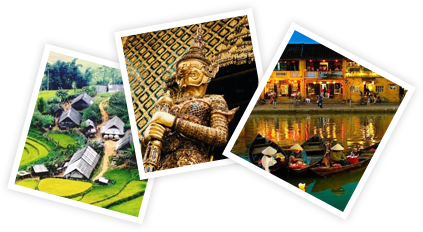

The best time to visit Hue is from February to April, when the ancient imperial city basks in pleasant sunshine with minimal rainfall and comfortable temperatures between 22-28°C. Unlike other Vietnamese destinations, Hue Vietnam weather features four distinct seasons that dramatically affect your travel experience: from exploring UNESCO-listed royal tombs under clear skies to savoring authentic bun bo hue noodles at bustling street markets. This comprehensive weather guide breaks down each month’s conditions, reveals the ideal periods for specific activities, and helps you plan your Hue journey around the city’s unique climate patterns to ensure an unforgettable visit to Vietnam’s former royal capital.
The Best Time to Visit Hue (February to April)
These three months offer the most reliable weather in Hue Vietnam for exploring the former imperial capital. With temperatures ranging from 22-28°C (72-82°F), you’ll find conditions comfortable for all-day exploration without the oppressive heat of summer or the persistent rains of winter. Rainfall stays minimal, less than 50mm per month on average while humidity remains relatively low at 65-75% compared to the sticky summer months.
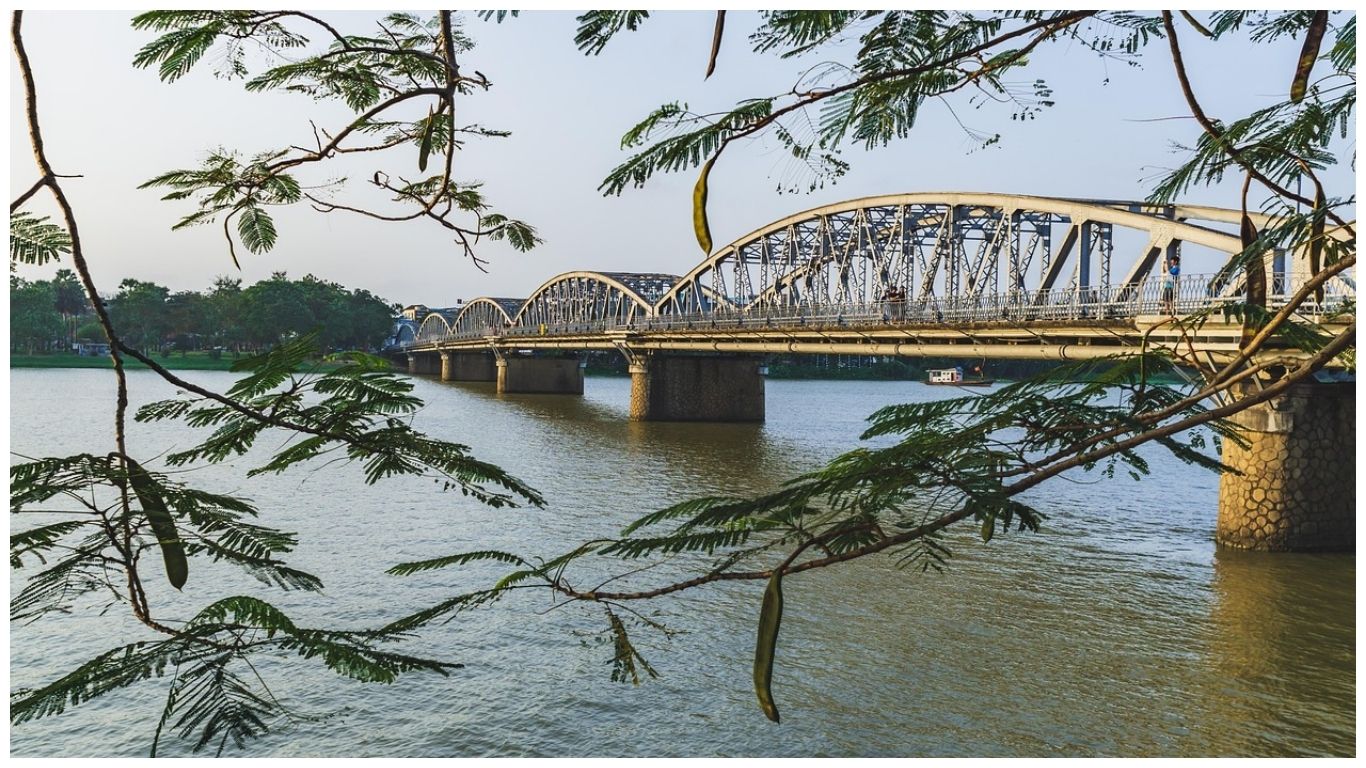
Clear skies during this period create perfect lighting for photography at the Imperial City and royal tombs, where the ancient architecture looks particularly stunning against blue backdrops. Pleasant evenings invite Perfume River boat rides and outdoor dining experiences that would be uncomfortable in the sweltering summer heat or disrupted by winter rains. This combination of ideal weather conditions makes February through April the best time to visit Hue for most travelers.
Alternative Good Months to Visit Hue
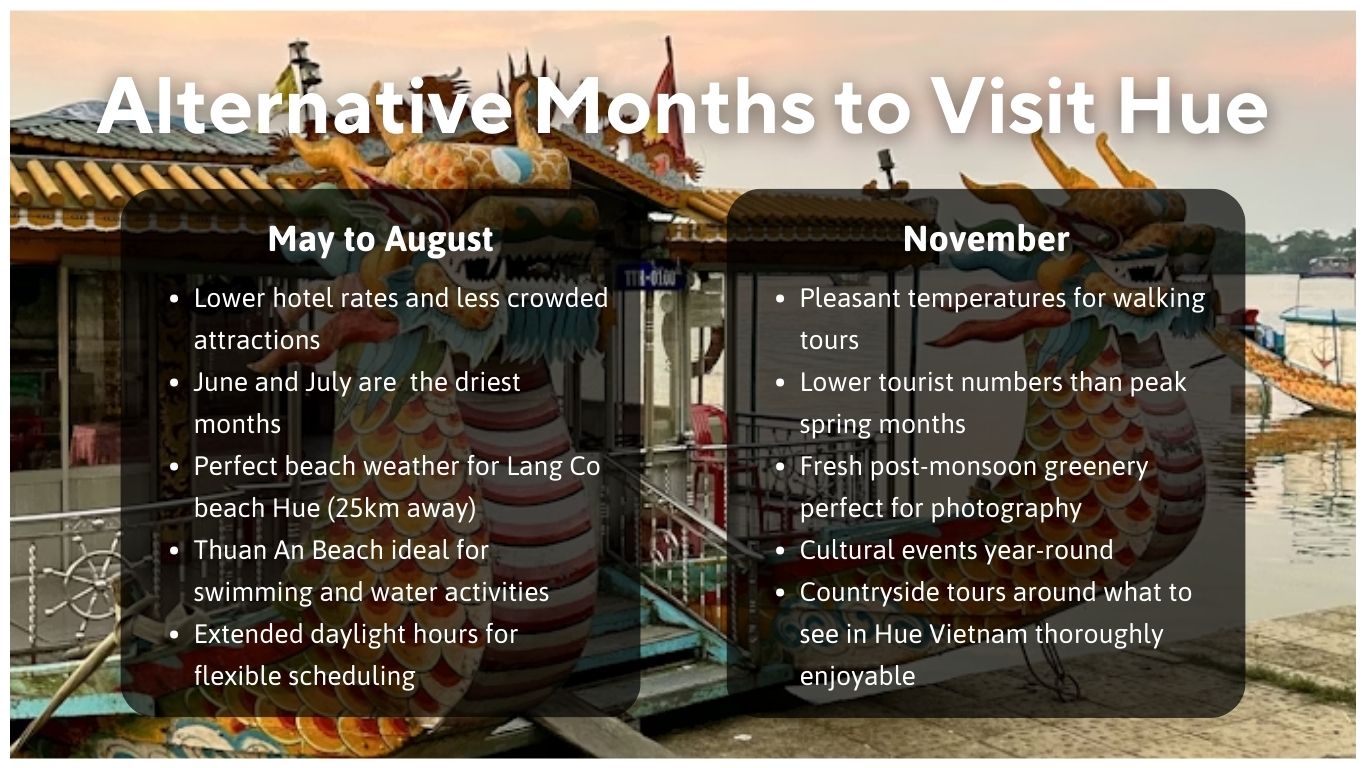
May to August – Summer Season in Hue
Don’t write off summer entirely when planning your visit. While temperatures climb to 30-35°C (86-95°F), this season brings distinct advantages:
Why Consider Summer:
- Fewer tourists = lower hotel rates and less crowded attractions
- June and July are actually among the driest months
- Perfect beach weather for Lang Co beach Hue (25km away)
- Thuan An Beach ideal for swimming and water activities
- Extended daylight hours for flexible scheduling
Smart Summer Strategy:
- 6-10am: Temple and tomb visits when temperatures remain manageable
- Midday: Indoor attractions, museums, air-conditioned restaurant lunches, spa treatments
- Late afternoon: Resume outdoor activities as sun loses intensity
- Evening: Riverside dining and night markets when Hue weather becomes pleasant
Best for: Beach lovers, budget-conscious travelers, those avoiding crowds
November – Early Winter Window
November occupies an interesting middle ground as a transitional month with temperatures between 20-25°C (68-77°F).
Advantages:
- Pleasant temperatures for walking tours
- Lower tourist numbers than peak spring months
- Fresh post-monsoon greenery perfect for photography
- All major attractions accessible
- Cultural events year-round (Hue Festival held biennially in April or June)
- Countryside tours around what to see in Hue Vietnam thoroughly enjoyable
Caveat: Early November can still experience occasional rain as monsoon winds down; late November generally offers more reliable conditions.
Months to Avoid or Approach with Caution
Understanding when not to visit matters as much as knowing the best time to visit Hue.
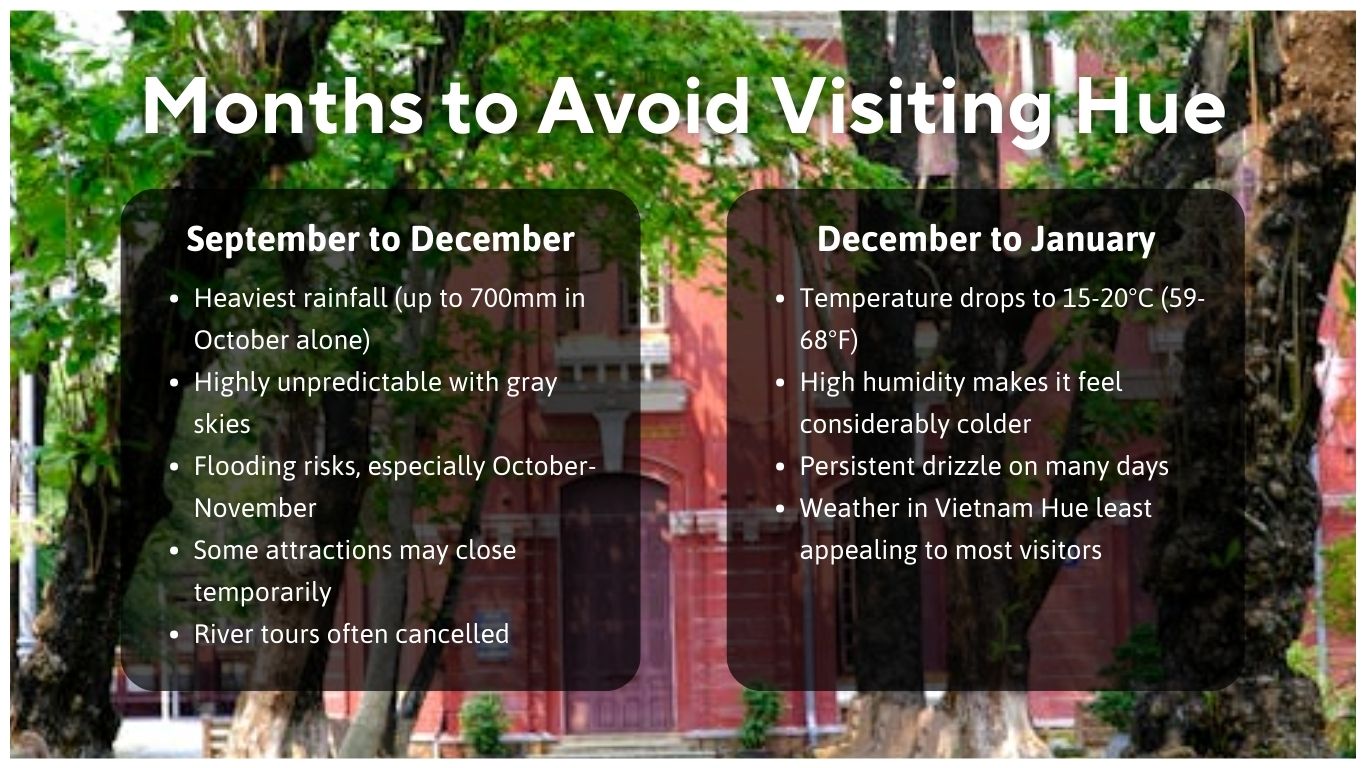
September to December: Rainy Season Peak
Monsoon Season Characteristics:
- September-November: heaviest rainfall (up to 700mm in October alone)
- Hue weather highly unpredictable with gray skies
- Flooding risks, especially October-November
- Some attractions may close temporarily
- Roads can become impassable
- River tours often cancelled
- Perfume River swells into muddy torrent
December to January: Cold and Damp
Winter Challenges:
- Temperature drops to 15-20°C (59-68°F)
- High humidity makes it feel considerably colder
- Persistent drizzle on many days
- Weather in Vietnam Hue least appealing to most visitors
If You Must Visit During Low Season:
Preparation:
- Pack waterproof gear: rain jackets, dry bags for electronics
- Build flexible itinerary so cancelled activities don’t ruin entire days
- Book covered activities: cooking classes, spa treatments
- Focus on indoor attractions: Hue Royal Antiquities Museum
Silver Linings:
- Hotel rates drop 40-60%
- Major sites largely to yourself
- Authentic local experience with fewer tourists
Month-by-Month Weather Guide for Hue
Not all months are created equal when determining the best time to visit Hue. This detailed breakdown helps you understand exactly what to expect each month, from temperature and rainfall to crowd levels and special considerations.
| Month | Temp (°C) | Rainfall | Verdict | Notes |
|---|---|---|---|---|
| Jan | 18-22 | High | Fair | Cool, damp |
| Feb | 20-24 | Low | Excellent | Ideal start |
| Mar | 22-27 | Low | Best | Peak season |
| Apr | 25-30 | Low | Excellent | Warming up |
| May | 28-33 | Medium | Good | Getting hot |
| Jun | 29-35 | Low | Good | Hot, dry |
| Jul | 29-35 | Low | Good | Hottest |
| Aug | 28-34 | Medium | Good | Beach weather |
| Sep | 25-31 | Very High | Avoid | Flood risk |
| Oct | 23-28 | Very High | Avoid | Wettest month |
| Nov | 21-26 | High | Fair | Late better |
| Dec | 18-23 | High | Fair | Cold, wet |
Best Things to Experience in Hue Year-Round
Regardless of when you visit, certain experiences define any Hue journey. Here’s what to see in Hue Vietnam and enjoy no matter the season.
Must-See Hue Attractions (Weather-Independent)
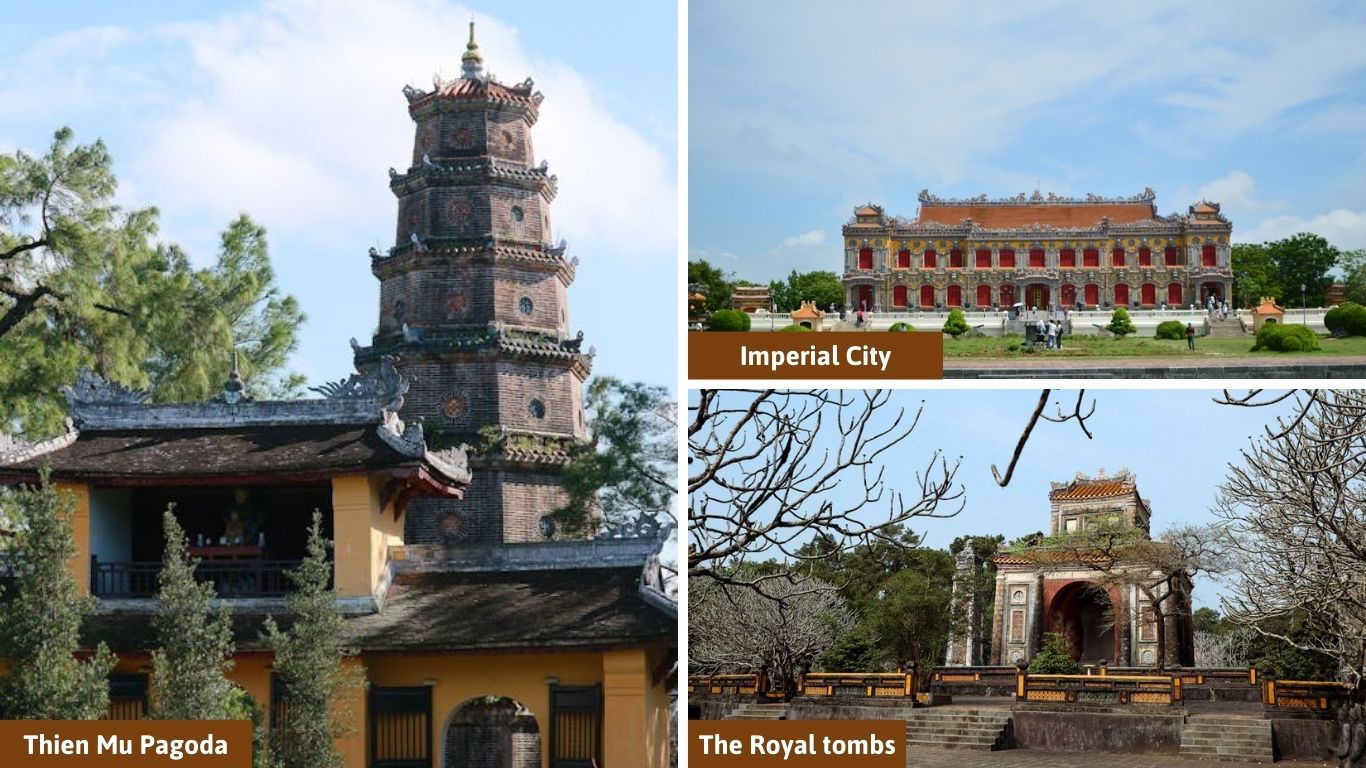
The Imperial City (Citadel) welcomes visitors rain or shine, with covered walkways throughout the royal palaces protecting you from both sun and rain. This massive UNESCO World Heritage complex requires 3-4 hours minimum to appreciate its grandeur properly.
The Royal tombs each offer covered pavilions for rainy days while showcasing distinct architectural styles. Minh Mang impresses with its symmetrical design and lake setting. Khai Dinh’s ornate, European-influenced structure stands apart from traditional Vietnamese architecture. Tu Duc’s romantic garden setting creates an intimate atmosphere in its scattered pavilions and ponds.
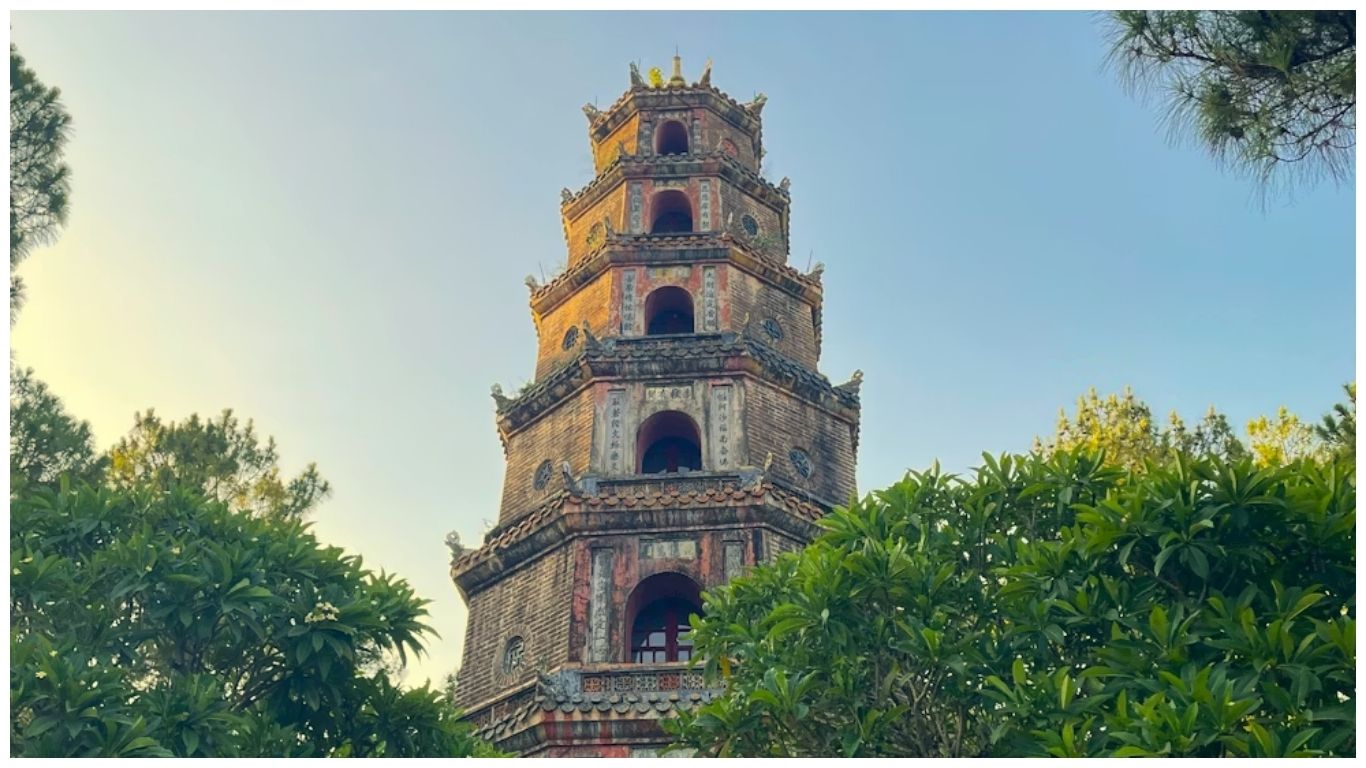
Thien Mu Pagoda’s iconic seven-story tower provides spectacular river views in any weather, sitting just 15 minutes from the city center.
Indoor/Flexible Activites
When weather doesn’t cooperate, these experiences ensure your Hue visit remains memorable:
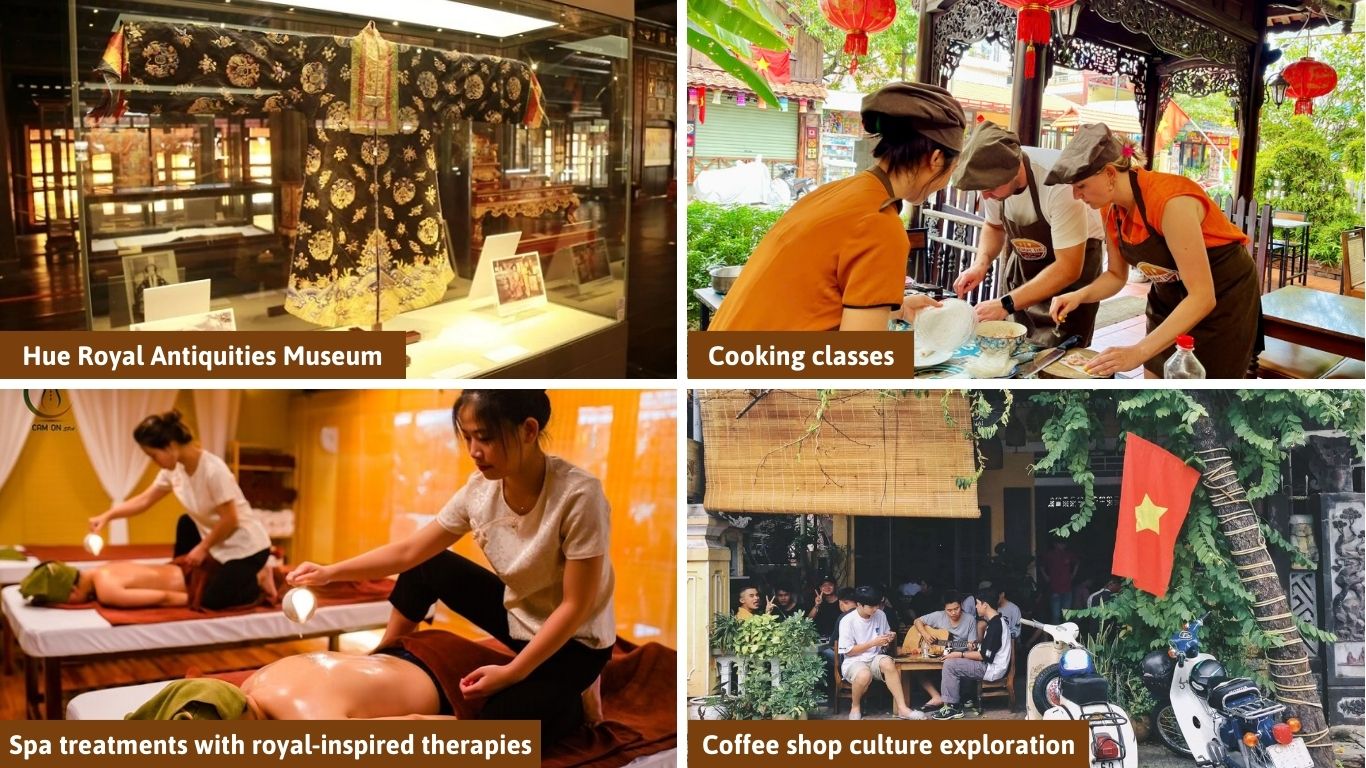
– Hue Royal Antiquities Museum: Explore centuries of imperial artifacts and learn about the Nguyen Dynasty’s rich history
– Cooking classes: Master royal recipes and street food classics in covered venues
– Spa treatments with royal-inspired therapies: Traditional massage and wellness treatments using historic techniques
– Coffee shop culture exploration: Discover Hue’s thriving café scene, from vintage colonial-style establishments to modern specialty coffee roasters
>>> Discover Hue off the beaten path with our guide Beyond the Ordinaries of Vietnam: 10+ Unusual Things to Do in Hue
>>> Book a Hue tour to experience authentic vintage Vietnam with local expert guides – available year-round via this form
Essential Planning Tips for Your Hue Visit
The Hue Festival, a biennial event held in even-numbered years (typically in April or June), brings spectacular cultural performances and deserves checking when planning. However, avoid the Tet Holiday (Lunar New Year) period spanning 7-10 days around late January or early February, when most businesses close, prices spike dramatically, and restaurant options become severely limited.
Combination Itineraries
The best time to visit Hue aligns perfectly with neighboring destinations, making Central Vietnam circuits highly efficient. Combine Hue with Hoi An (30km south), which shares identical weather patterns. Da Nang’s beaches sit just one hour away for coastal breaks. Phong Nha’s spectacular caves enjoy the same dry season overlap from February through August.
A suggested duration of 2-3 days in Hue plus 2-3 days in Hoi An creates an ideal Central Vietnam experience. Explore our Vietnam tours including Hue in comprehensive itineraries.
What to Pack
– February-April: Light layers, sunscreen, hat, and comfortable walking shoes for extensive temple exploration.
– May-August: Light clothes, strong sunscreen, swimwear for beach escapes, and sunglasses for intense sun.
– September-January: Rain jacket, waterproof bag for electronics, closed-toe shoes for wet conditions, and a light sweater for cool evenings.
– Year-round: Modest clothing for temples, covered shoulders and knees show respect and ensure admission to all sites.
Conclusion
After exploring Hue Vietnam weather throughout the year, it’s clear that the best time to visit Hue is during the dry spring months of February to April, when favorable conditions let you fully appreciate the Imperial City’s grandeur, cruise the Perfume River in comfort, and enjoy hue cuisine at outdoor venues.
Ready to explore Hue at the perfect time? Contact Indochina Voyages here or drop us an offline message on the screen to customize your Central Vietnam journey with expert local guides who know exactly when and where to take you for the most memorable experiences.