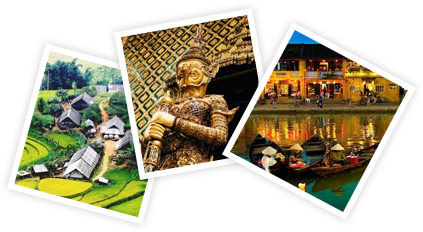

Visiting Vietnam in September means arriving as the rice terraces of the northwest shift from green to gold. It is also a transition month, and the country does not share one climate. The north is easing out of its rainy season, central Vietnam is moving into its wettest months, and the south remains in the monsoon. This guide covers the weather by region, where September works best, how to plan around storms, and what to expect from costs, crowds and festivals.
If you would rather start from a ready-made route, browse our Vietnam tours and adjust the pace to the season.
Is September a Good Time to Visit Vietnam?
Yes, provided the route matches the season. September rewards travelers who come for landscapes, photography, culture and food, and who can adapt a day or two when the weather changes. It is a weaker choice for travelers who need dependable beach weather or a tightly fixed schedule.
The main advantage is seasonal scenery in the north, together with shoulder-season conditions that often mean more availability than in the November to March peak. The main drawback is weather disruption: heavy rain, flooding and tropical storms can affect transport and outdoor plans, especially in central Vietnam.
| Region | September conditions | Suitability | Plan around |
|---|---|---|---|
| Northwest mountains (Mu Cang Chai, Sapa) | Rice ripening, cooler air, rain easing | Very good | Wet roads, mist, possible landslides |
| Hanoi and Ninh Binh | Warm and humid, more comfortable later in the month | Good | Early-month heat and showers |
| Ha Long Bay | Late rainy season, storms possible | Conditional | Cruise changes or cancellations |
| Central coast (Hue, Da Nang, Hoi An) | Start of the wet season | Variable | Heavy rain, flooding, storm risk |
| Ho Chi Minh City and Mekong Delta | Rainy season, short heavy downpours | Good for city and river | Afternoon rain, street flooding |
| Southern islands (Phu Quoc) | Rainy season, rougher seas | Weak for beaches | Limited sea and outdoor activity |
>>>> For a month-by-month view of the whole country, see When is the best time to travel to Vietnam?
Not sure which region fits your dates? Talk to our team, and we will suggest a route for your travel window.
Vietnam Weather in September by Region
Vietnam stretches roughly 1,600 km from north to south, so rainfall and temperature do not move together. September is not the wettest month everywhere. Hanoi peaks in July and August, the south stays wet through October, and central Vietnam reaches its heaviest rain in October and November.

Northern Vietnam: Warm Days and the Start of Autumn
The north is leaving its rainy season, which runs from May to September. Early September can still be hot, humid and wet. Conditions usually become more comfortable toward the end of the month, with lower humidity and clearer mornings, although rain remains possible.
In the mountains, trails and roads can be slippery and mist can reduce visibility. Ha Long Bay stays exposed to storms, and cruise schedules may change on short notice.
>>>> The northern highlands reward slow travel. For terrain, roads and village life, read What to expect in North Vietnam mountains.
Central Vietnam: Increasing Rainfall and Storm Risk
For Hue, Da Nang, Hoi An and Phong Nha, September marks the beginning of the wet season. Rainfall rises through the month and reaches its peak in October and November. Heavy rain, localized flooding and tropical storms are possible, and beach conditions become less predictable.
Conditions vary by date. Early September is often easier than late September, so monitor forecasts rather than assuming the whole month will be wet. If central Vietnam is essential to your trip, build in buffer days and keep indoor alternatives such as museums, cooking classes and tailor shops in reserve.
>>>> To see what changes one month later, read Vietnam in October.
Southern Vietnam: Warm, Green and Still in the Rainy Season
Southern Vietnam is in the middle of its rainy season, which runs from May to November. September and October are among the wetter months. Rain usually arrives as short, intense afternoon downpours rather than all-day rain. In Ho Chi Minh City, heavy rain combined with high tide can flood some streets for a few hours.
Morning sightseeing is a practical approach, leaving afternoons flexible. The Mekong Delta is green and the waterways are high, though boat trips depend on local conditions. Phu Quoc should not be treated as a beach-weather alternative, since it also has rougher seas and more rain in this period.
Storm Season: What It Means for Your Plans
Typhoon season runs from June to November, with the highest risk between August and October. The central coast is the most exposed, although the north can also be affected. In practice, storms mean delayed flights, changed cruise schedules and occasional road closures rather than a cancelled trip. Most of the country is unaffected at any given time.
If you want an itinerary that already allows for these changes, look at our selection of tours in Vietnam designed with flexible pacing.
>>>> For guidance on cover before you travel, see our medical and insurance articles.
Best Places to Visit in Vietnam in September
The right destination depends on what you want from the trip, not only on which place has the best forecast. The northern destinations come first below because their seasonal appeal is the strongest in September. Destinations that need more weather flexibility follow.
Mu Cang Chai: Golden Rice Terraces
Mu Cang Chai is the main seasonal highlight. Terraces begin to turn from late August in some valleys, most villages show gold through September, and harvest continues into October. Timing varies by altitude, valley and local farming schedules, so the best week differs from year to year.
Things to do include scenic drives over the Khau Pha Pass, guided village visits and photography at sunrise. Paragliding events are often held in the harvest period, with dates that change annually. Mountain roads are winding and can be affected by heavy rain, so allow extra time. Weekends can be busy with domestic visitors, since September and October are peak months for the terraces.

💡Expert tip: Ask your guide which valley is peaking that week, since ripening differs by valley and by altitude. Stay at least one night near the terraces rather than making a day trip from Hanoi, as the transfer is long and early light gives the best photographs.
Planning to see the terraces yourself? Our guide to the Mu Cang Chai rice terraces shows why they rank among northern Vietnam’s finest landscapes.
Hanoi: Early Autumn and Cultural Sightseeing
Hanoi works well in September, especially later in the month when mornings begin to cool. Walk around Hoan Kiem Lake, the Old Quarter and the Temple of Literature, and follow the food streets. September is also the season for cốm, the young green rice flakes that Hanoians eat with fruit and sweets. Hanoi is a practical base for northern itineraries, with easy connections to Ninh Binh, Ha Long Bay and the mountains.
>>>> Two guides take you deeper into the capital:

Ninh Binh: Limestone Landscapes and Rice Fields
Ninh Binh offers boat trips in Trang An or Tam Coc, countryside cycling and viewpoints over the karsts. Rice field colors depend on the harvest calendar. In September the fields are usually green to gold, and the strongest golden tones tend to appear in October. Ninh Binh pairs easily with Hanoi for a short northern trip.
Deciding how to spend your days among the karsts? Our guide to things to do in Ninh Binh compares the areas worth your time. Wondering when the fields turn golden? Our month-by-month guide to the best time to visit Ninh Binh answers it.

Cao Bang: Waterfalls, Caves and Quiet Countryside
Cao Bang suits travelers with enough time and a preference for nature over city sightseeing. Ban Gioc Waterfall and Nguom Ngao Cave are the main sights, and the waterfall usually carries strong water volume after rain. Heavy rain can affect road conditions and access, so keep the schedule flexible.
Cao Bang rewards the extra travel time. Our guide to things to do in Cao Bang shows what to see around Ban Gioc and beyond.
Sapa and Ha Giang: Mountain Terraces and Trekking
Sapa offers terraced valleys, trekking routes and cooler air than the lowlands. Ha Giang is known for the Ha Giang Loop, a multi-day mountain road journey. In September, wet roads and mist call for caution, a conservative pace and experienced local drivers or guides.
Few road journeys in Vietnam compare with this one. Our guide to the Ha Giang Loop explains the route, the distances and what to expect along the way.
Ha Long Bay: Scenic Cruising with Weather Flexibility
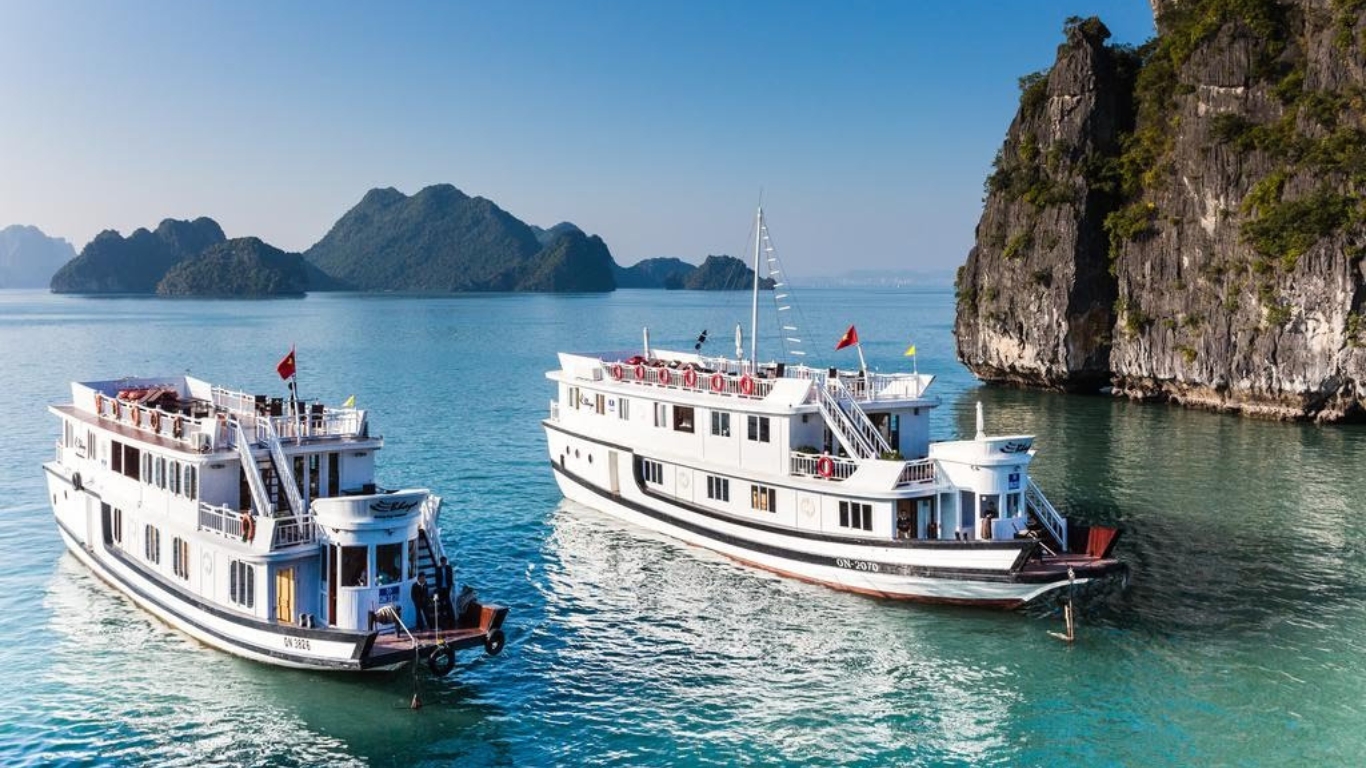
Overnight cruises, limestone karsts, kayaking and time on deck remain the appeal of Ha Long Bay. In September, operators may change or suspend sailings when conditions are unsafe. Check each operator’s policy on rescheduling and refunds before booking, and keep flexible dates where possible.
💡Note: Book the cruise early in the trip, not on the last night, so a weather cancellation can be rebooked without disrupting your flight home. Ask the operator for its rescheduling and refund terms in writing.
Considering a night on the water? Our Ha Long Bay travel guide covers what to know before you book. For an overnight sailing, compare Ha Long Bay cruises.
Ho Chi Minh City and the Mekong Delta: City Culture and River Life
Ho Chi Minh City offers museums, markets, street food and day trips such as the Cu Chi Tunnels, all of which can be arranged around afternoon rain. The Mekong Delta adds boat trips, fruit orchards, local markets and village visits. Many travelers combine the two, starting the day early and leaving afternoons open. For a river cruise through the delta, see Mekong cruises.
>>>> Two guides take you deeper into the south:
Hoi An, Da Nang and Hue: Visit with Flexibility
Hoi An’s old town, lantern-lit evenings and food remain worthwhile in September, but the weather is less reliable than earlier in the year. Pair outdoor time with indoor options, check forecasts day by day, and avoid scheduling critical connections tightly around the central coast.
💡Expert tip: If central Vietnam is essential to your trip, keep a spare day before any international departure and choose flexible domestic fares. Storm-related delays become more likely toward the end of the month.
Hoi An offers more than its lanterns. Our guide to unique things to do in Hoi An highlights experiences beyond the old town.

Where to Go in September Based on Your Travel Style
Use this section to match your priorities to a destination.
- Rice terraces, photography and mountain scenery: Mu Cang Chai and Sapa, accepting some weather uncertainty
- Culture, food and comfortable sightseeing: Hanoi and Ninh Binh
- Nature and a slower pace: Cao Bang and the Mekong Delta, depending on trip length
- Beaches: central beaches are at their best from February to August, and September is the turning point, while the south’s beach season runs from November to April
If beaches are your priority, compare regional forecasts and consider moving your dates rather than relying on a fixed promise of sunshine. To compare routes, see sample itineraries here.
>>>> Two guides help you match the season to the scenery:
Sample Vietnam Itineraries for September
The routes below favor the north, where September is strongest, and keep the weather-sensitive regions flexible.

7 to 8 Days: Northern Highlights
Hanoi, Ninh Binh, then Sapa or Ha Long Bay. This route covers culture, limestone landscapes and either mountains or a cruise without crossing the whole country. Keep the cruise date flexible if you choose Ha Long Bay.
10 Days: Mountains and Countryside
Hanoi, Mu Cang Chai, Sapa and Ninh Binh. This route focuses on rice terraces, local culture and countryside. Adjust driving times and overnight stops to road and weather conditions. Travelers with extra time can add Cao Bang.
12 to 14 Days: North to South
Hanoi, Ninh Binh, Ha Long Bay, Ho Chi Minh City and the Mekong Delta. Domestic flights save time, although storm-related delays remain possible. Central Vietnam can be added with buffer days and without tight connections.
These Indochina Voyages tours follow similar routes and can be adjusted for September:
- Tonkin Elegance 8 Days (Hanoi, Sapa, Halong)
- Classic Adventure Vietnam 12 Days
- Vietnam Cultural Highlights 14 Days
These routes are starting points rather than fixed plans. For weekly and longer options, see:
Travel Costs and Crowds in September
September sits in the shoulder season, with lower international tourist numbers than the November to March peak. In practice:
- Accommodation: rates and availability vary by destination and date, and there are often more options outside holiday periods
- Flights: compare fares early, especially for domestic connections and trips around September 2
- Crowds: international arrivals are lighter, but Mu Cang Chai and popular spots can be busy during Vietnamese holidays and on weekends
- Cruises and tours: choose flexible booking terms where possible, particularly in storm-prone areas
The best approach is to reserve essential transport and accommodation while leaving room to adapt outdoor activities to the forecast. Our Vietnam tours include this kind of flexibility.
September Festivals and Public Holidays in Vietnam
Vietnam National Day on September 2
National Day marks the 1945 declaration of independence in Hanoi. There are two statutory days off, and the government sets the exact break each year. In 2026 it ran for five days, from August 29 to September 2. Expect heavy domestic travel, busier hotels and fuller transport around the holiday, while tourist attractions generally stay open. Check schedules, rates and local event announcements before you book.
Expert tip: Avoid arriving or departing on the National Day weekend, when domestic transport and popular hotels fill early. Book key transport and accommodation well in advance.
Mid-Autumn Festival (Tết Trung Thu)
The Mid-Autumn Festival falls on the full moon of the eighth lunar month, so the date changes each year. It falls on September 25 in 2026 and September 15 in 2027. It is not an official day off. The festival centers on family gatherings, lanterns, mooncakes and lion dances, and it gives visitors a close view of urban life. Hanoi’s Old Quarter, especially Hang Ma Street, and Hoi An are good places to see the atmosphere. Avoid assuming specific performances or fireworks unless they are confirmed for the year.
The story behind the city’s lantern tradition is told in our guide to Hoi An lanterns.
Harvest Events in the Northwest
Mu Cang Chai and nearby areas hold harvest-season events, including paragliding and local cultural activities. Dates differ each year, and most fall between late August and October.
Practical Tips for Visiting Vietnam in September
What to Pack
- Lightweight, quick-drying clothing and a breathable rain jacket
- Waterproof protection for phones, cameras and day bags
- Shoes with good grip for wet streets and trails
- Sun protection for hot, humid days
- A light extra layer for misty or cooler mountain conditions
How to Plan Around Rain and Storms
- Schedule outdoor activities early in the day
- Allow buffer time between domestic flights, cruises and long transfers
- Follow official weather warnings and local operator advice
- Keep an alternative activity ready for heavy rain days
- Avoid trekking or driving on flooded roads and unsafe mountain routes
If you want these buffers built in from the start, our Indochina travel packages can be adjusted to your dates and pace.
FAQs
September rewards travelers who match the route to the region: gold terraces and cultural sightseeing in the north, more flexible plans in the centre, and a green, showery south. With some planning, the month offers strong scenery and manageable crowds.
Weather, road time and festival dates all affect a September itinerary. A specialist can balance them around your interests and give you a route that holds up if conditions change. Plan your September journey with Indochina Voyages, you can also email us at info@indochinavoyages.com.