Choosing the right clothes for Vietnam means planning for three climates, a handful of dress customs and the activities on your itinerary. The country stretches roughly 1,650 km, so a single trip can move from a misty Sapa morning to a 35°C afternoon in Ho Chi Minh City. Everyday dress is relaxed, yet temples, imperial sites and rural communities call for more thoughtful choices. This guide from Indochina Voyages covers what to wear in Vietnam by climate, region, activity and setting, along with shoes, etiquette and a packing checklist.
Factors that Affect What Clothes to Wear in Vietnam
Vietnam’s clothing requirements aren’t just about fashion – they’re influenced by various important factors that every traveler should consider. Here’s what impacts your clothing choices:
- Climate and Weather Patterns: Vietnam experiences distinct seasonal changes, with temperatures ranging from cool winters in the north to year-round warmth in the south. The country also faces monsoon seasons, requiring adaptable clothing choices.
- Cultural Sensitivity: Vietnamese society values modesty, particularly in rural areas and religious sites. Your clothing should reflect respect for local customs and traditions, especially when visiting temples or participating in traditional events.
- Regional Differences: Each region of Vietnam has its unique characteristics. Northern Vietnam experiences all four seasons, central Vietnam faces frequent rainfall, and southern Vietnam maintains consistent tropical weather.
- Activities Planned: Your itinerary plays a crucial role. Temple visits require modest clothing, while beach activities allow for more casual attire. Adventure activities like trekking need specialized gear.
- Urban vs. Rural Settings: Cities tend to be more accepting of Western-style clothing, while rural areas are more conservative. Your clothing choices should adapt accordingly.

What Clothes Should You Wear in Vietnam?
The essentials that work for most Vietnam trips are simple: light, breathable pieces that handle heat and humidity, plus a few layers for cooler places and rain.
Lightweight and Breathable Clothes for Everyday Comfort
Vietnam’s heat usually comes with high humidity, so fabric matters more than style. Breathable fabrics let air move through the cloth and keep you comfortable in the heat, while quick-dry fabrics recover fast after a downpour or a hand-wash. You will want both.
- Natural fibers such as cotton and linen breathe well in the heat.
- Moisture-wicking and quick-dry fabrics suit rain, boats and treks.
- T-shirts, casual shirts, lightweight trousers and knee-length shorts cover most days.
- Heavy denim and thick knits add bulk and rarely suit the humid months.
Women’s and Men’s Clothing: Practical Outfit Ideas
Vietnam imposes no fashion style on visitors, so the aim is to stay comfortable and appropriate from street to temple to restaurant. To have season, region and wardrobe planned together, explore our Indochina tours.
- Women: casual dresses, midi skirts, linen trousers, blouses and comfortable tops.
- Men: T-shirts, polo shirts, casual shirts, chinos and knee-length shorts.
A few combinations cover most days:
- Sightseeing: a breathable shirt or blouse, loose trousers or a midi skirt, and cushioned sneakers.
- Dining: a linen dress or a casual button-down with chinos, worn with sandals or closed shoes.
- Casual outings: a T-shirt, knee-length shorts or a sundress, and walking sandals.
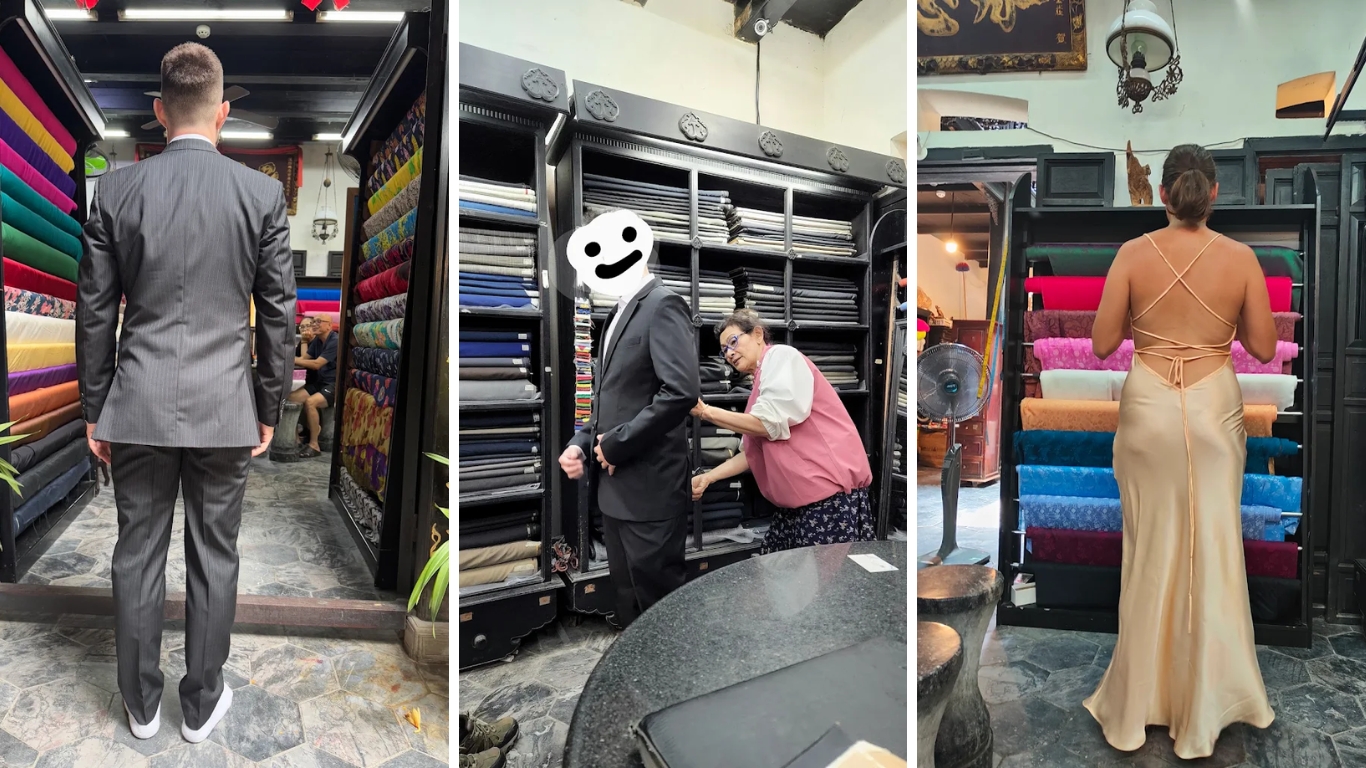
Locals dress much as visitors do. In Hanoi and Ho Chi Minh City, everyday fashion is modern and varied, from T-shirts and jeans to dresses, with a lively streetwear scene among younger residents. The ao dai, a fitted tunic worn over trousers, appears at Tet, weddings and formal events, and the white ao dai is a familiar student uniform. Visitors can have one tailored in Hoi An, and our guide to the best tailors in Hoi An explains how.
What to Wear in Vietnam by Region and Season
Vietnam’s climate changes considerably from north to south, so one packing list cannot serve every destination. The notes below follow the seasons in our best time to travel to Vietnam guide. To see how the regions fit together, see sample itineraries here.
Northern Vietnam: Hanoi, Sapa and Ha Long Bay
- Spring and autumn: lightweight clothing with a thin layer for cool mornings and evenings.
- Summer: breathable fabrics, sun protection and quick-dry rainwear.
- Winter: sweaters, warm trousers and a jacket, with extra layers in the mountains.
Summers reach the mid-30s with heavy rain in July and August, while winter days of roughly 10 to 15°C feel colder in the humidity, and Sapa nights can fall below freezing in December and January. Our guides to winter in Vietnam and summer in Vietnam explain each season, and Sapa hiking trails covers the mountains. On a Halong Bay cruise, deck wind and occasional winter fog justify a jacket.
Central Vietnam: Hue, Da Nang and Hoi An
- Dry season (February to August): lightweight summer clothing, sun protection and beachwear.
- Rainy season (September to January): quick-dry clothes, a rain jacket and shoes with grip.
- Coast and heritage towns: beachwear suits Da Nang, while Hue and Hoi An call for modest outfits at temples and imperial sites.
The coast is often above 35°C in the dry season, while October and November bring the heaviest rain and some typhoon risk. Hue runs a few degrees cooler, so keep a light layer handy.
Southern Vietnam: Ho Chi Minh City, Mekong Delta and Phu Quoc
- Dry season (November to April): light cotton clothing, dresses, shorts and sandals.
- Rainy season (May to early November): quick-dry fabrics and compact rain protection.
- Beach and river days: casual clothing, cover-ups and sun-protective long sleeves.
Ho Chi Minh City is hottest from February to April, and rainy-season showers are short and intense. A day on a Mekong Delta cruise calls for sun-protective long sleeves, a hat and non-slip footwear, and our guide to the top beaches in Vietnam helps you plan the coast.
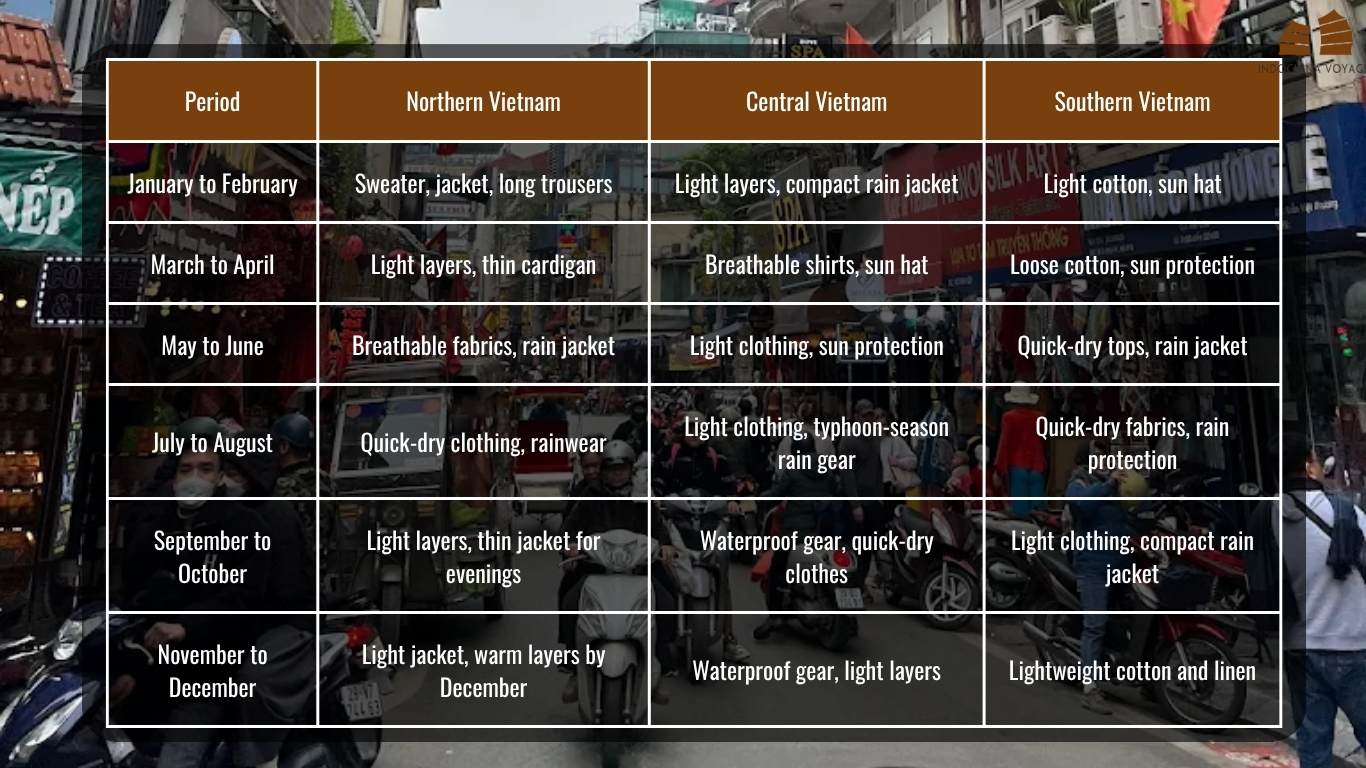
Treat the table as general guidance, not a forecast, since central Vietnam’s rainy season overlaps with the driest months in the north and south. Because the right clothing depends on route as much as month, many travelers settle dates and destinations before packing, and custom Indochina packages can be shaped around the best months for each region.
Dressing for Different Activities
Beyond the weather, the planned activity decides what to wear.
- City sightseeing: comfortable casual outfits, walking-friendly clothing, a sun hat and sunglasses.
- Temple and pagoda visits: shoulders and knees covered, with a scarf or cover-up as a useful extra.
- Beach holidays: swimwear, sundresses, shorts and lightweight cover-ups.
- Trekking and outdoor activities: quick-dry clothing, hiking shoes and protective layers.
- Evening dining: smart-casual outfits, with no need for extensive formalwear.
Requirements vary by site, and posted signs take precedence. Stricter examples include the Ho Chi Minh Mausoleum complex in Hanoi and the Imperial City in Hue. To explore options by region, read more about the Vietnam journeys we plan.
Dress Etiquette: What Not to Wear in Vietnam
Vietnam has no strict everyday dress code, so the points below are real cultural considerations rather than rules.
- Shorts and sleeveless tops: generally fine in cities and tourist areas, but less suitable at some religious sites.
- Revealing clothing: very short shorts, mini skirts, low-cut tops and transparent fabrics call for a covering layer at temples and in rural communities.
- Red, white and black: red is lucky and tied to Tet and weddings, white is fine for everyday wear with its mourning association mattering mainly at funerals, and black is common, so none needs avoiding.
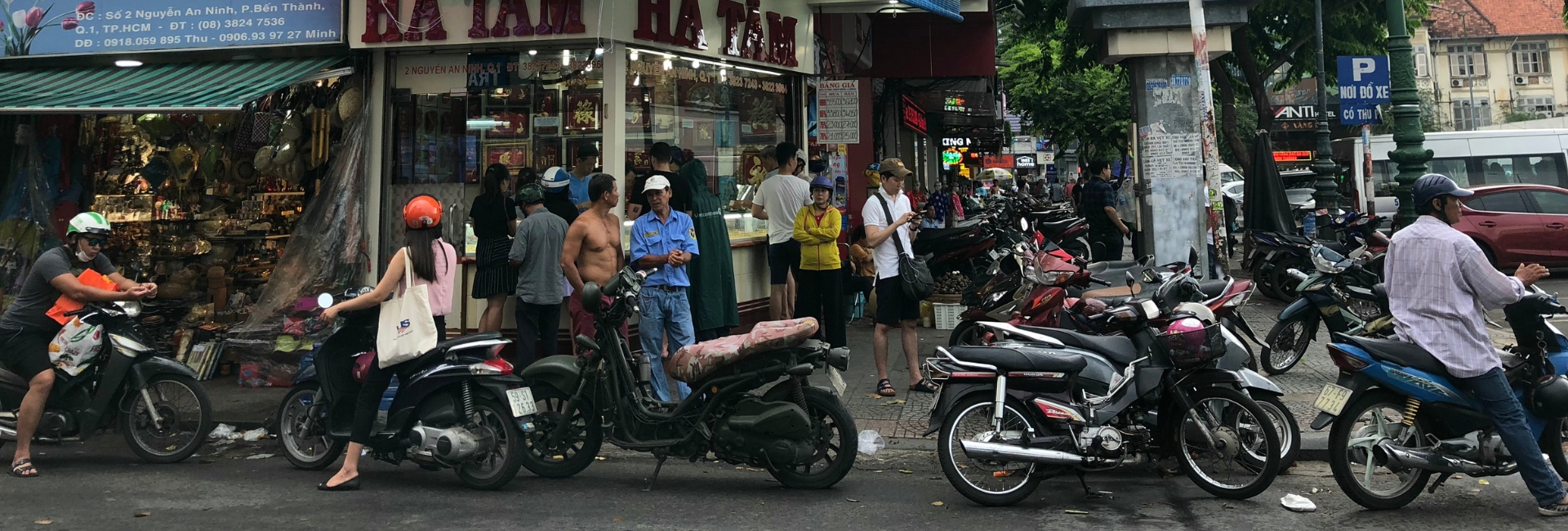
- Expensive accessories: keep jewelry modest in crowded places and carry a cross-body bag on the side away from the road, since bag-snatching from passing motorbikes occurs in busy districts.
The same shoulder-and-knee logic applies in Cambodia, and our guide on what to bring to Siem Reap covers Angkor.
Choosing Shoes for Vietnam
Comfort comes first, because sightseeing involves more walking than most travelers expect.
- Walking shoes or sneakers for cities and everyday exploration.
- Sandals and flip-flops for beaches and casual outings.
- Hiking shoes for mountain trails and outdoor adventures.
- Choose by weather, walking distance and activity, since polished stone and tile turn slippery in rain.
Slip-on styles help, because shoes come off at temples, homes and some restaurants. If you are unsure what your route demands, our team can advise before you pack.

Packing the Right Clothes for Your Vietnam Trip
The checklist below suits a typical two-week holiday, so adjust it to your route. Our full Vietnam packing list covers documents, electronics and health items, and the Vietnam travel hints page adds practical advice.
Essential Clothing Checklist
- Everyday basics: 5 to 7 tops, 2 to 3 pairs of lightweight trousers, 1 to 2 pairs of shorts and 1 to 2 dresses or skirts.
- A light jacket or extra layer, plus one long-sleeved shirt.
- Rain and sun protection: a compact rain jacket, hat, sunglasses and sunscreen.
- Footwear and accessories: walking shoes, sandals and a scarf or sarong.
Adjust Your Wardrobe to Your Itinerary
- Northern mountains: prioritize warmth and layering.
- Multi-region trips: choose versatile pieces that mix and match.
- Beach-focused holidays: add casual summer outfits and swimwear.
- Longer trips: pack fewer items and use laundry or local shopping.
Everyday basics are inexpensive in local markets in Hanoi and Ho Chi Minh City. Before you go, read whether Ben Thanh Market is still worth your time, plus our guides to bargaining in Vietnam and the best souvenirs to buy in Vietnam. Hoi An is the best-known tailoring destination, so bring reference photos and allow time for fittings. A tailoring day fits naturally into a route through central Vietnam, and our Indochina tours can include time in Hoi An.
FAQs About What to Wear in Vietnam
Is it okay to wear shorts in Vietnam?
Yes. Shorts are common in cities and tourist areas, especially at knee length. Longer trousers suit religious sites and some rural settings.
Can women wear shorts in Vietnam?
Yes, in everyday settings. Knee length is the practical choice, and trousers or a longer skirt suit temples and imperial sites.
Can I wear red in Vietnam?
Yes. Red symbolizes luck and celebration, especially at Tet and weddings, and it is perfectly acceptable for visitors.
What do Vietnamese people wear every day?
Modern casual clothing adapted to the climate. The ao dai appears at Tet, weddings and formal events rather than daily.
Are sleeveless tops acceptable in Vietnam?
Sleeveless tops suit cities and beaches. Add a layer for temples and formal settings.
What should I wear in Vietnam in November?
Evenings turn cooler in the north, rain gear is needed in the center and light clothing suits the south. Our guide to Vietnam in November has the details.
How should I dress in Hanoi in May?
Breathable fabrics, sun protection and a compact rain jacket suit the hot, humid weather. Our guide to Vietnam in May explains what to expect.
Matching Your Wardrobe to Your Route
Route, season and activities decide what belongs in the suitcase. A journey through Hanoi, Sapa, Hue, Hoi An and the Mekong Delta needs far more flexibility than a beach stay, and a clear plan removes the guesswork.
Share your dates and preferred regions through this page, or email us at info@indochinavoyages.com, and our specialists will match your route to the right season. Continuing beyond Vietnam? See our Vietnam and Cambodia two-week itinerary.

Remember, packing for Vietnam is about balancing comfort with cultural respect. Choose versatile pieces that can be layered or mixed and matched, and always keep a light scarf handy for covering up when needed. Focus on lightweight, breathable fabrics that dry quickly in the humid climate, and pack according to your specific travel season and planned activities.
Additionally, you can pack lightly for your trip to Vietnam and plan to shop for clothing once you arrive. The country offers a convenient shopping experience, with affordable prices and a wide variety of clothing and goods. By making thoughtful clothing choices, you’ll be well-prepared to immerse yourself in Vietnam’s rich culture and diverse experiences while staying comfortable throughout your journey.
Do you need more advice for your Vietnam tours for the best experiences? Contact our travel consultants here or drop us an offline message on the screen for more!
>> Read more for traveling beyond Vietnam: Vietnam and Cambodia 2 Weeks: Perfect Itinerary & Complete Travel Guide