
Planning a trip from Australia to Vietnam and unsure what’s required? This guide gives you a clear, up-to-date answer to exactly what you need to travel to Vietnam from Australia – including visa requirements, travel insurance, currency essentials, adaptors, connectivity, and health preparations.
With all logistics simplified, you can focus on enjoying Vietnam’s culture, cuisine, and iconic destinations rather than worrying about paperwork or unexpected issues.
Essential Travel Documents – Your Visa Sorted
Understanding what you need to travel to Vietnam from Australia starts with getting your documentation right. The visa process is straightforward, but knowing the details prevents last-minute stress.
E-Visa: Your Easiest Entry Option
Australian passport holders require a visa to enter Vietnam, and the e-visa system is the most convenient solution.
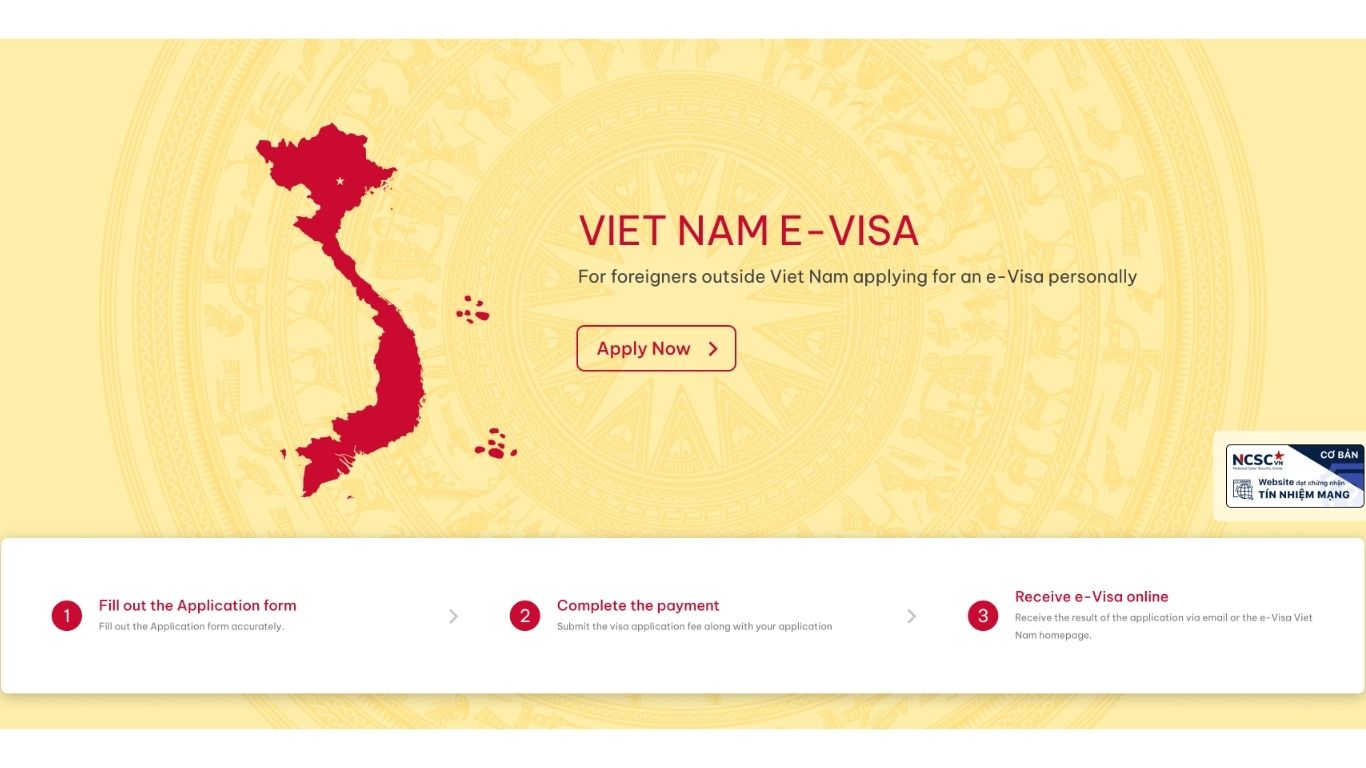
Application Process:
- Visit the official Vietnam Immigration website
- Complete the online form with passport details and travel dates
- Upload a recent passport photo (JPEG, white background)
- Upload a scan of your passport information page
- Pay the processing fee (approximately USD $25)
- Receive your e-visa via email within 3 business days (urgent 1-day processing available)
E-Visa Benefits:
- Valid for single or multiple entries
- Stay up to 90 days
- No embassy visits required
- Digital format for easy storage and access
Important: Apply 2-3 weeks before departure to avoid processing delays.
Passport Requirements
Your passport must be valid for at least 6 months beyond your planned departure from Vietnam. Renewing an Australian passport typically takes 3-6 weeks, so check your expiry date early.
Pro Organisation Tips:
- Store digital copies of your passport and visa (email + cloud)
- Keep printed copies for backup
- Share copies with your travel companions
- Photograph your e-visa for quick access
The e-visa is the most reliable and efficient entry option for Australians. Avoid “visa on arrival” services that require approval letters and cause long queues at airports.
Money Matters – Currency, Cards & Payment Solutions
Understanding Vietnam’s currency and payment systems is crucial when considering what you need to travel to Vietnam from Australia. Getting this right ensures convenience, safety, and low fees throughout your trip.
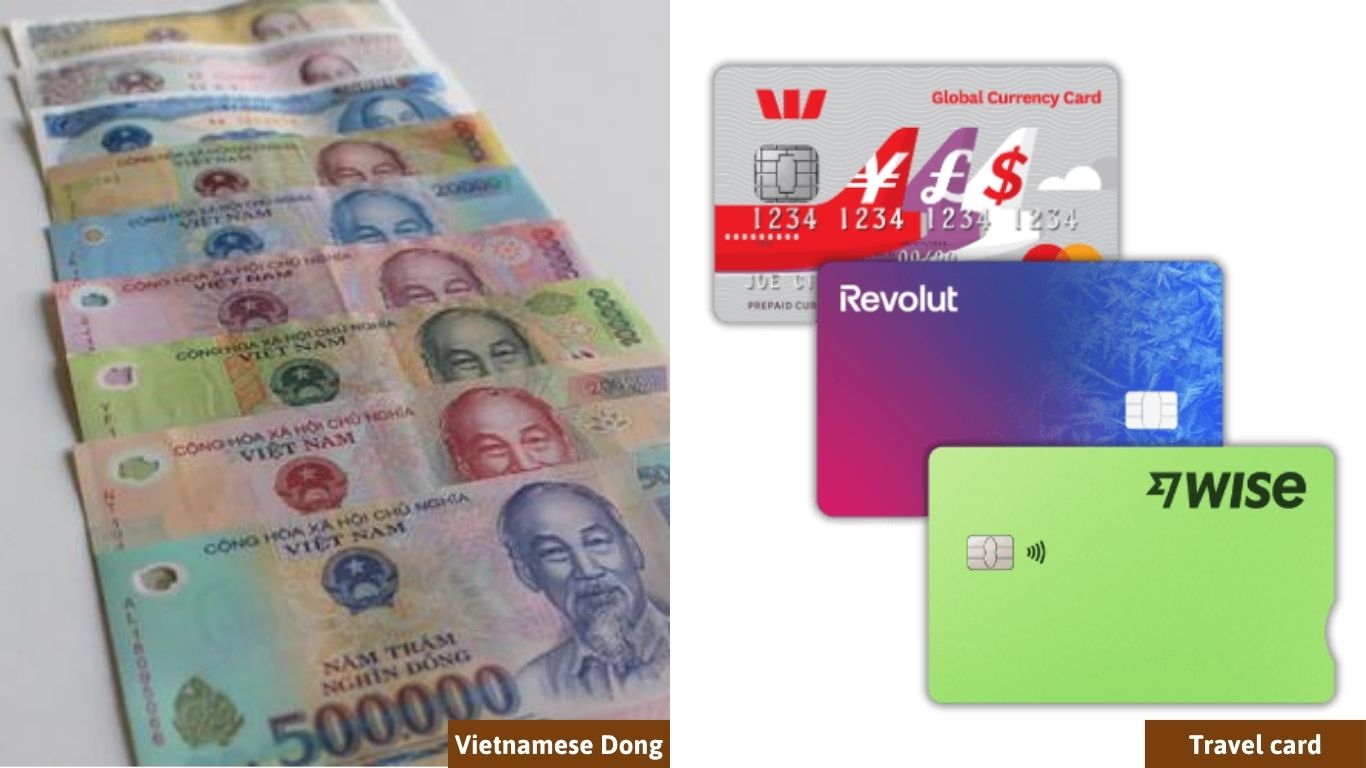
Vietnamese Dong (VND) Basics
Vietnam operates primarily on cash, especially in markets, street food areas, and family-run businesses.
Currency Facts:
- Exchange rate: approximately 1 AUD = 16,000-18,000 VND (fluctuates)
- Common notes: 20,000; 50,000; 100,000; 200,000; 500,000 VND
- Coins are no more used
Best Travel Card for Vietnam from Australia
Multi-currency travel cards are the most convenient, fee-friendly payment method.
Recommended Options:
- Wise – Real exchange rates, low fees, works at all ATMs
- Revolut – Strong rates, instant currency conversion, budgeting tools
- Traditional bank cards – Often add 3-5% foreign transaction fees
Why Travel Cards Win:
- Load VND before departure or convert as needed
- Better rates than airport exchanges
- Track expenses easily
- Reload instantly
ATM & Cash Strategy
ATM Availability:
- Found in all major cities and tourist areas
- Withdrawal limits: 2-5 million VND
- ATM fees: ~50,000 VND ($3-4 AUD)
Smart Cash Management:
- Carry small notes for taxis, markets, and tips
- Keep $50-100 USD as emergency cash
- Spread cash across wallet, day bag, and hotel safe
Currency Exchange Tips:
- Exchange a small amount at the airport (e.g., 1-2 million VND) for immediate needs
- Avoid exchanging large sums at the airport due to weaker rates
- For the best exchange rates, ask your private tour guide to take you to Ha Trung Street in Hanoi – the most reputable and transparent currency exchange area in the city
Credit cards (Visa/Mastercard) are widely accepted in hotels and higher-end restaurants but unreliable in small towns or street vendors.
Travel Insurance – Non-Negotiable Protection
Comprehensive travel insurance is essential – a critical component of what you need to travel to Vietnam from Australia. It ensures safety, financial protection, and peace of mind.
What Makes the Best Travel Insurance for Vietnam from Australia
Look for coverage that includes:
- Medical expenses: Minimum $100,000
- Emergency evacuation
- Trip cancellation/interruption
- Lost or delayed luggage ($3,000-5,000 typical coverage)
- Personal liability
- 24/7 emergency assistance
Budget: Expect $150-300 AUD for a two-week trip depending on age and coverage.
Adventure Activity Coverage Matters
Popular Vietnam activities often require add-on coverage:
- Trekking (e.g., Sapa)
- Cycling tours
- Kayaking (Halong Bay/Tam Coc)
- Snorkelling
- Cooking classes
- Scooter or motorbike rentals
Recommended Providers for Australians:
- Allianz Global Assistance
- Cover-More
- Bupa Travel Insurance
- Travel Insurance Direct
Pre-Existing Conditions & Age Considerations
- Disclose all pre-existing conditions to ensure coverage
- Some conditions may require additional premiums
- Purchase insurance within 14 days of your first deposit for full benefits
Don’t Forget the Return Journey
Ensure your policy covers:
- Flight delays/cancellations
- Missed connections
- Extended stays due to emergency
- Lost luggage on return flights
Always keep your policy number and emergency contacts accessible.
Practical Essentials – Staying Connected & Powered
The practical side of what you need to travel to Vietnam from Australia includes powering your devices and managing communication on-the-go.
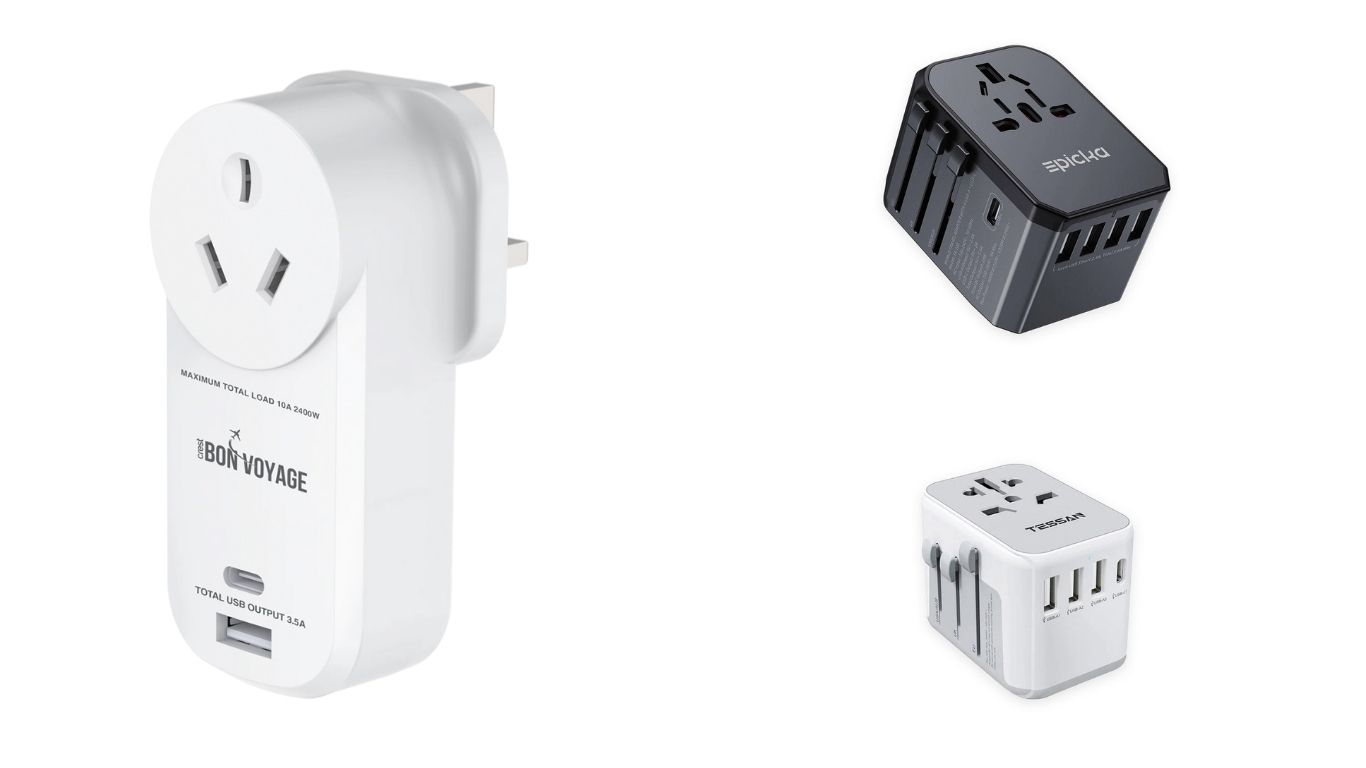
Power Adaptors – Essential Equipment
Vietnam’s electrical system is slightly different from Australia’s.
Specifications:
- Voltage: 220V (compatible with Australian devices)
- Plug types used: A, C, D
- Australian plug type: I
You will need a travel adaptor for Vietnam.
Purchase Options:
- Universal adaptor ($15-30 AUD) – recommended
- Vietnam-specific adaptor ($8-15 AUD)
Packing Tips:
- Bring a multi-outlet adaptor for multiple devices
- Carry a power bank (10,000-20,000 mAh) for long excursions
Internet & Mobile Connectivity
Tourist SIM Cards (Best Value):
- Cost: 200,000-300,000 VND ($8-12 AUD)
- Includes 4-6GB data for 30 days
- Providers: Viettel (best), Vinaphone, Mobifone
- Available at airports and convenience stores
eSIM Options (Most Convenient):
- Airalo, Holafly
- Activate instantly upon arrival
WiFi Availability:
- Widely available in hotels, cafés, and restaurants
- Strongest in major cities, weaker in rural regions
Why Mobile Data Matters:
- Google Maps & Grab
- Translation tools
- Emergency communication
Health Preparations – Vaccinations & Medical Readiness
Health preparation is an essential part of what you need to travel to Vietnam from Australia. Start planning early.

Vaccination Requirements & Recommendations
Mandatory vaccines: None for travellers from Australia.
Recommended:
- Hepatitis A
- Hepatitis B
- Typhoid
- Tetanus-Diphtheria-Pertussis
- Japanese Encephalitis (for rural areas during wet season)
- Rabies (for remote trekking or animal contact)
Timeline: Book a consultation 6-8 weeks before travel.
Malaria Considerations
Low-risk (no medication typically required):
- Hanoi, Ho Chi Minh City, Danang, Hoi An
- Halong Bay, Phu Quoc
- All major tourist hubs
Potential risk: Remote forests and highland regions.
Discuss with your travel doctor if visiting remote areas.
Medical Kit & Practical Health Tips
Pack:
- Prescription medications (in original packaging)
- Anti-diarrheal medication
- Pain relievers
- Antihistamines
- Insect repellent (DEET 30-50%)
- SPF 50+
- Hand sanitiser
- Rehydration salts
- Basic first aid
Food & Water Safety:
- Drink bottled or filtered water
- Eat at busy, reputable venues
- Introduce street food gradually
- Peel fruit yourself
Healthcare Access:
- Major cities have international hospitals (Vinmec, Family Medical Practice)
- Pharmacies widely available
Climate & Seasonal Planning – Timing Your Visit Right
When Is the Best Time to Visit?
Vietnam spans three different climate zones, so weather varies widely between the north, centre, and south. The best time to visit Vietnam is from February to April. During these months, the weather is the most stable across all regions: the north is cool and dry, the central coast enjoys warm sunshine without the summer heat, and the south is in its dry season: ideal for sightseeing, cruising, and outdoor activities. Prices are also more reasonable than the December – January peak period, and popular destinations are less crowded. For a more detailed breakdown, see our full guide here: When to go to Vietnam from Australia: Weather & School Holidays Guide [2026 Updated]
Peak, Shoulder & Low Season
- Peak Season (Dec-Apr): Best overall weather, higher prices.
- Shoulder Season (May-Jun & Sep-Nov): Ideal for Australians – balanced weather, fewer crowds, good value.
- Low Season (Jul-Aug): Hotter with scattered rain; central Vietnam has great beach weather.
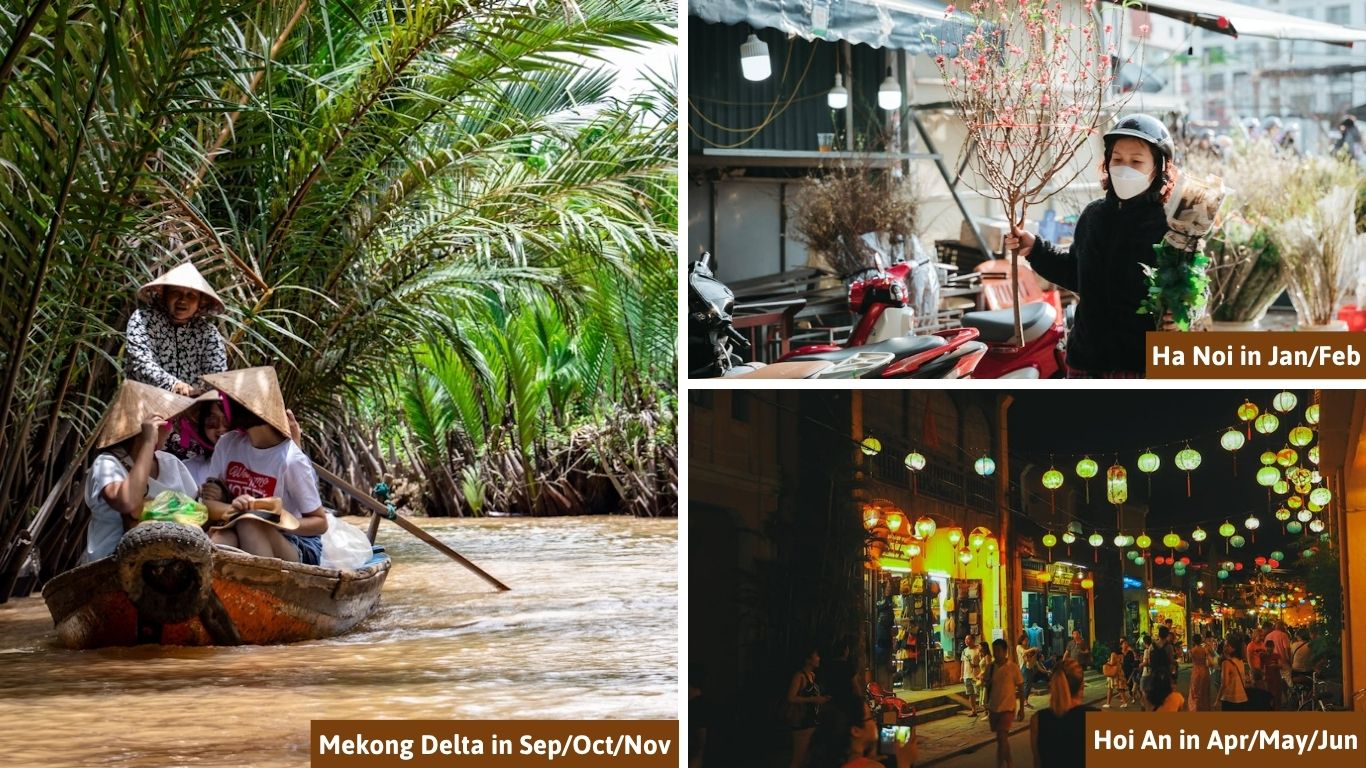
For season-based itinerary ideas, explore our Vietnam Tour Packages from Australia
Managing Jet Lag from Australia
- Time difference: Vietnam is 3-4 hours behind AET
- Minimal jet lag
- Most travellers adjust in 1-2 days
- Hydrate and adjust sleep gradually if sensitive
What to Pack by Season
Year-Round Essentials:
- Breathable cotton/linen clothing
- Comfortable walking shoes
- Hat, sunglasses, SPF 50+
- Modest clothing for temples
Seasonal Items:
- Northern winter: Sweater, long pants
- Wet season: Light rain jacket, quick-dry outfits
- Beach trips: Swimwear, reef-safe sunscreen
Ready to Experience Vietnam with Complete Confidence?
You now have a comprehensive answer to what you need to travel to Vietnam from Australia. From securing your e-visa and choosing the right travel insurance to understanding Vietnam’s climate and currency, you’re fully prepared for a smooth, stress-free journey.
Vietnam rewards well-prepared travellers with unforgettable experiences – from sunrise over Sapa’s rice terraces to the lantern-lit streets of Hoi An, from Halong Bay’s emerald waters to the energy of Ho Chi Minh City. With proper preparation, every moment becomes an opportunity to immerse yourself in culture, cuisine, and beauty.
Let our Vietnam specialists handle the details while you focus on the adventure. We create personalised itineraries designed for experienced Australian travellers seeking authentic experiences, transparent pricing, and professional support from booking to return. Contact us via this form or drop us an offline message on the screen for a custom quote, no obligation required!