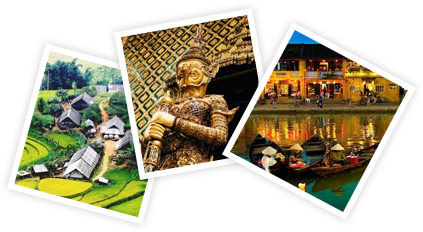
Four days is enough for a memorable trip to Vietnam, but not enough to cross the country. Vietnam runs more than 1,650 km from north to south, and the three regions feel like different worlds in landscape, food and pace. The best way to spend 4 days in Vietnam is simple: choose one region and build a compact route around it.
North: Hanoi with Ha Long Bay and/or Ninh Binh
Central: Da Nang, Hoi An and Hue
South: Ho Chi Minh City and the Mekong Delta
Below you’ll find a quick way to choose, six day-by-day 4 days 3 nights itineraries, realistic costs and the planning details that decide whether a short trip feels relaxed or rushed.
Is 4 Days in Vietnam Enough?
Yes, if you stay in one region. You won’t see the whole country, but you can get a genuine taste of one part of it.
What 4 days can cover comfortably:
One major city plus one nearby highlight, such as Hanoi and Ninh Binh
A city break plus a Ha Long Bay cruise
Two or three connected stops in Central Vietnam
Ho Chi Minh City plus a Mekong Delta trip
What it can’t cover:
Hanoi, Hoi An and Ho Chi Minh City together
North, Central and South in one trip
Several distant mountain areas, such as Sapa and Ha Giang
Our local advice: Resist the urge to do it all. Hanoi and Ho Chi Minh City are more than 1,100 km apart, and travelers who combine them in four days spend a huge share of the trip in airports. Every hotel change and flight you skip is time spent actually experiencing Vietnam.
Got more time? These longer plans build on the same regions:
If you only have 4 days to explore Vietnam, we highly recommend focusing on a specific region rather than attempting to cover multiple destinations that are far apart. This will help you avoid rushing through your journey and allow you to fully immerse yourself in the beauty and culture of that particular area.
North Vietnam
Hanoi: As the main arrival and departure point, Hanoi should be a top priority. Explore the vibrant Old Quarter, visit historical sites like the Ho Chi Minh Mausoleum and Temple of Literature, and indulge in delicious street food.
Sapa: Known for its terraced rice fields and ethnic minority tribes, Sapa offers breathtaking mountain scenery and impressive trekking tours to immerse yourself in the local culture and enjoy the stunning landscapes.
Halong Bay: Embark on a cruise to witness the iconic limestone karsts and emerald waters of Halong Bay. You can go kayaking, visit floating villages, and marvel at the mesmerizing caves.
Ninh Binh: Often referred to as “Halong Bay on land,” Ninh Binh is known for its stunning landscapes and ancient temples. Take a boat ride through Trang An or Tam Coc to explore the limestone caves and picturesque scenery.
Multiple Mountain Areas: North Vietnam is dotted with various mountainous regions, such as Ha Giang, Mai Chau, and Pu Luong. These areas offer spectacular trekking opportunities and a chance to witness the traditional way of life.
Hanoi – Sapa – Halong in North
Central Vietnam
Da Nang: Enjoy the beautiful beaches of Da Nang and visit attractions like the Marble Mountains and the Museum of Cham Sculpture. Don’t miss the famous Golden Bridge at Ba Na Hills.
Hoi An: Wander through the UNESCO World Heritage site of Hoi An, known for its well-preserved ancient town. Explore the lantern-lit streets, visit historic houses, and savor the local cuisine.
Hue: Immerse yourself in Vietnamese history by visiting the Imperial City of Hue. Explore the royal tombs, visit the Thien Mu Pagoda, and take a boat trip along the Perfume River.
Nha Trang: Relax on the pristine beaches of Nha Trang and enjoy water sports activities. You can also visit nearby islands, explore the Vinpearl amusement park, or experience mud baths and hot springs.
Hoian – Hue in Central
South Vietnam
Saigon (Ho Chi Minh City): Also the main arrival and departure point, and known as Vietnam’s largest city. Explore historical landmarks like the Cu Chi Tunnels and the War Remnants Museum, discover vibrant markets, and savor delicious street food.
Mekong Delta: Take a boat trip through the intricate network of canals in the Mekong Delta. Visit floating markets, sample tropical fruits, and experience the rural way of life in this picturesque region.
Dalat: Known as the “City of Eternal Spring,” Dalat offers a cool climate and stunning natural scenery. Explore flower gardens, visit waterfalls, and enjoy outdoor activities like hiking and canyoning.
Bustling Saigon and Mekong Delta
Which 4-Day Vietnam Itinerary Fits You?
Quick answer: For a first trip, choose Hanoi + Ha Long Bay. For history and food, choose Hoi An + Hue. For city energy and river life, choose Ho Chi Minh City + the Mekong Delta.
If you want…
Choose
Your first taste of Vietnam
Hanoi + Ha Long Bay
Countryside and quiet landscapes
Hanoi + Ninh Binh
The most Northern highlights
Hanoi + Ninh Binh + Ha Long Bay
History, old towns and food
Da Nang + Hoi An + Hue
Big-city energy and river life
Ho Chi Minh City + Mekong Delta
Mountains and trekking
Sapa (fast pace) or Pu Luong + Ninh Binh
Pure beach relaxation
Phu Quoc
The North is the best all-rounder for first-timers: street food, culture and Vietnam’s most famous scenery within easy reach of one airport. Central suits slower travelers who like lantern-lit old towns, imperial history and beaches. The South suits those who want a lively metropolis, wartime history and a day on the water.
Day 1: Arrive in Hanoi. Check in, then wander the Old Quarter and Hoan Kiem Lake. For dinner, try bun cha or pho, two of the top dishes to try in Hanoi. A water puppet show makes a good evening if you still have energy.
Day 2: Hanoi to Ha Long Bay, overnight cruise. Leave Hanoi in the morning (2.5 to 3 hours by road). Board around noon, sail past the limestone karsts, kayak or swim, join a cooking demonstration and have a seafood dinner on deck.
Halong Bay family vacation
Day 3: Ha Long Bay to Hanoi. Catch sunrise over the water, visit a cave or floating village, enjoy brunch and dock late morning. You’re back in Hanoi by mid-afternoon, with time for the Temple of Literature or a street food walk.
Day 4: Hanoi highlights and departure. Visit the Ho Chi Minh Mausoleum complex and One Pillar Pagoda in the morning, then pick up souvenirs before your flight. The Mausoleum is open on weekday and weekend mornings only, closed every Monday and Friday, and closes for about two months each year for maintenance (in 2026, 4 September to 2 November). If your day falls on a closure, the Ho Chi Minh Museum area makes a good swap.
Note:
Cruise tip: Choose a ship with 20 to 25 cabins at most. Vessels with 50+ cabins feel like floating hotels and lose the intimacy that makes Ha Long special.
Day-cruise option: Prefer to sleep in Hanoi? A one-day Ha Long cruise fits the same four days, with two full days in the city.
Arrival tip: After a long-haul flight, keep Day 1 light.
2. Hanoi + Ninh Binh: Best for Landscapes and Culture
Day
Route
Highlights
1
Hanoi
Explore the Old Quarter and Hoan Kiem Lake, then join an evening street food walk
2
Hanoi to Ninh Binh (2 to 2.5 hours)
Glide through the caves and karst scenery of Trang An by rowing boat, then overnight in Ninh Binh
3
Ninh Binh to Hanoi
Visit Hoa Lu, Vietnam’s 10th-century capital, then explore more of the best things to do in Ninh Binh, such as climbing Bich Dong Pagoda or cycling past the rice fields. Return to Hanoi in the late afternoon
4
Hanoi
Take a cooking class or revisit any Hanoi sight you missed, then head to the airport
Ha Long Bay or Ninh Binh? Ha Long is a seascape, best enjoyed overnight on the water. Ninh Binh is countryside: karst peaks rising from rice paddies, rivers, pagodas and ancient capitals. Choose Ha Long for the iconic cruise, Ninh Binh for cycling, rural life and a slower pace.
4. Da Nang + Hoi An + Hue: Best for History, Food and Culture
Day 1: Arrive in Da Nang, transfer to Hoi An (about 45 minutes). Explore the Ancient Town, visit a merchant house and try cao lau and banh mi. Stay for dusk, when the lanterns of Hoi An come on.
Day 2: Hoi An. Spend the morning on a countryside bike ride, basket-boat trip or cooking class. Relax at An Bang Beach in the afternoon, then return to the Ancient Town in the evening. Optional swap: Ba Na Hills and the Golden Bridge (busy, but a big draw), or the Marble Mountains near Da Nang.
Day 3: Hoi An to Hue via Hai Van Pass. Take the coastal road over the Hai Van Pass with stops at Lang Co Bay and Lap An Lagoon. Allow 4 to 5 hours with stops (2.5 to 3 hours non-stop via the tunnel). Visit the Imperial City citadel complex in the afternoon.
Visit Hue, the first thing you shouldn’t miss is the Imperial Citadel
Day 4: Hue and departure. See Thien Mu Pagoda and a royal tomb (Khai Dinh or Minh Mang), or cruise the Perfume River.
Departure note: Hue’s Phu Bai Airport has domestic flights only, to Hanoi and Ho Chi Minh City. For an international flight, either connect through one of those cities or drive to Da Nang International Airport, about 2 hours from Hue. Book a late-afternoon or evening flight.
Linking Hue with the North? Read more on how to get from Hanoi to Hue. Ready-made Central Vietnam routes:
Visit Notre-Dame Cathedral, the Central Post Office and Ben Thanh Market, then enjoy dinner and a rooftop bar. For a local angle, wander the Saigon alleys
2
Ho Chi Minh City and Cu Chi
See the War Remnants Museum and Reunification Palace in the morning, then the Cu Chi Tunnels in the afternoon
3
Mekong Delta
Visit Ben Tre or My Tho for canal rides, coconut candy workshops and orchards. For more depth, continue to Can Tho, which has plenty of things to do, and stay overnight to see the Cai Rang floating market at dawn
4
Back to Ho Chi Minh City
Return to the city and depart
Slower alternative: Skip Cu Chi, stay a night in a Ben Tre homestay and enjoy the delta at its own pace.
Hanoi to Sapa (5 to 6 hours by road, or overnight train)
Explore the town and market
2
Muong Hoa Valley
Trek through Cat Cat, Ta Van or Lao Chai villages, then overnight in a homestay
3
Sapa trails
Continue trekking, then return to Sapa town
4
Sapa to Hanoi
Visit Love Waterfall or Silver Waterfall, then return to Hanoi
The first and last days are mostly transfers, so you really get about two days on the trails. If trekking and rice terraces are your goal, consider Pu Luong + Ninh Binh, which has less road time. See the Pu Luong + Ninh Binh route.
Best time for Sapa: September to November and March to May. December to February can be cold and foggy; July and August are wettest, but the terraces are vividly green.
Sapa Vietnam with charming resorts
How Much Does a 4-Day Vietnam Trip Cost?
Quick answer: Plan on roughly $400 to $1,200 per person for four days, depending on comfort level, excluding international flights. Private tours start from about $279 per person.
Comfort level
Per person per day
4-day total
Essential comfort
about $100
about $400
Enhanced experience
about $150
about $600
Premium journey
about $200
about $800
Exceptional escape
about $300
about $1,200
Prices are per person, based on two people sharing a room, and a single supplement applies for solo travelers. Your cruise choice and hotel standard change the total more than anything else. Low-season offers apply from May to September.
International flights, visas, drinks, tips and personal expenses are not included. Compare priced Indochina travel packages to see how each level looks in practice.
Where to fly into. Hanoi for the North, Da Nang for Central, Ho Chi Minh City for the South. Fly in and out of the same region to avoid an extra domestic flight.
One base or several? Change hotels when each stop is a distinct experience, like Hoi An to Hue. Don’t when places are close, such as Hanoi and Ninh Binh, where a day trip saves repacking.
Do you need private transfers? They pay off for couples, families, older travelers, tight schedules and any trip linking several stops, because they save time and remove the stress of finding the right bus or station. If you’re unsure, our team can advise on the right setup.
What to book ahead. Hotels in peak season, your Ha Long Bay cruise (the best small ships sell out), domestic flights, private transfers and major tickets.
Visa and arrival. Citizens of many countries, including the UK, most of the EU, Japan and South Korea, can enter visa-free for up to 45 days. Travelers from other countries, including the US and Canada, need an e-visa, which costs $25 for single entry or $50 for multiple entry and is valid for up to 90 days. Rules change, so check your nationality before booking, and apply only through the official government portal.
For arrival, Indochina Voyages arranges airport pickup in advance. Hanoi’s Noi Bai Airport is about 45 to 60 minutes from the Old Quarter, depending on traffic.
Best Time to Visit Vietnam for a 4-Day Trip
Quick answer: If your dates are fixed, pick the region that suits them rather than forcing an itinerary.
Sep-Dec is wet, with typhoon and flood risk peaking in Oct-Nov, especially in Hue and Hoi An
South
Dec-Apr
May-Nov wet season brings short, heavy showers
Ha Long cruises can be changed or cancelled in storm weather, so build some flexibility into summer trips.
FAQs
Indochina Voyages has been based in Hanoi since 2006. Our consultants have personally traveled the routes we recommend and design every itinerary from current on-the-ground knowledge, not templates. Contact us and you’ll speak with someone who has been to Ha Long Bay dozens of times and knows which cruise operator has the best cook this season.
We use cookies to enhance your browsing experience, serve personalised ads or content, and analyse our traffic. By clicking "Accept All", you consent to our use of cookies.