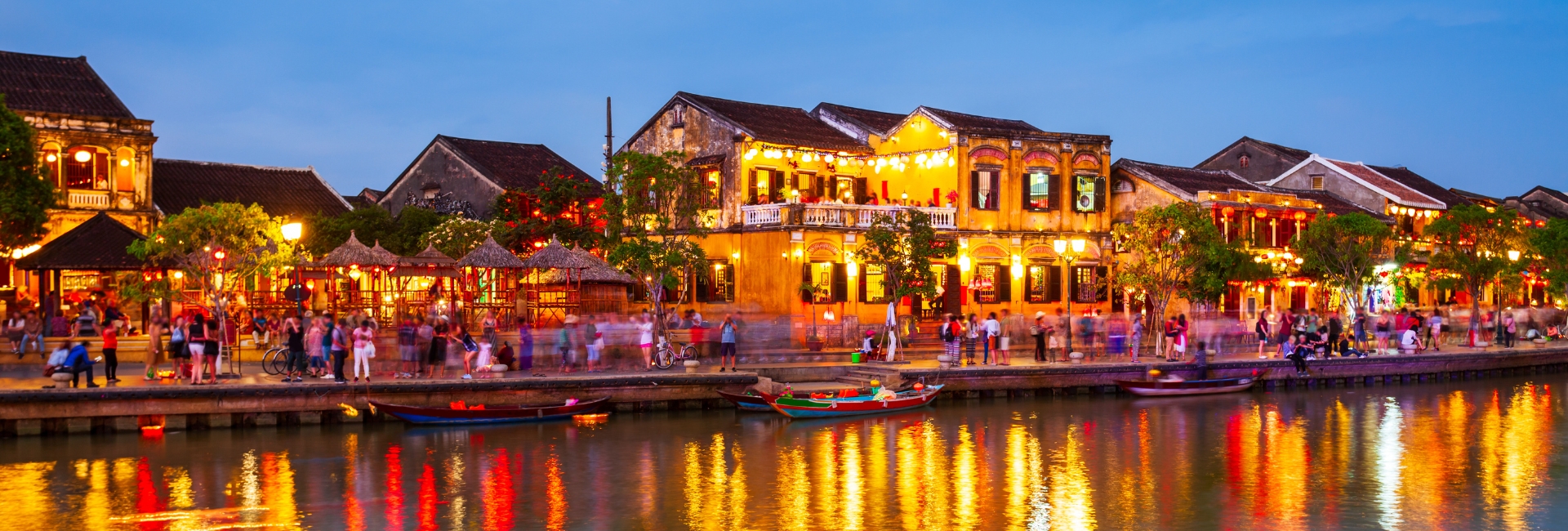
Hoi An in July is hot but not unbearably so. With temperatures peaking around 31°C, 12+ hours of sunshine daily, and only short afternoon showers, July is actually one of Hoi An’s most rewarding months to visit. Crowds are lighter than the Christmas-February peak, the Cham Islands are fully open for snorkeling, and the Ancient Town’s iconic yellow facades glow brilliantly under summer light. Here’s everything you need to plan a comfortable, well-timed trip.
What Is The Weather Like in Hoi An in July?
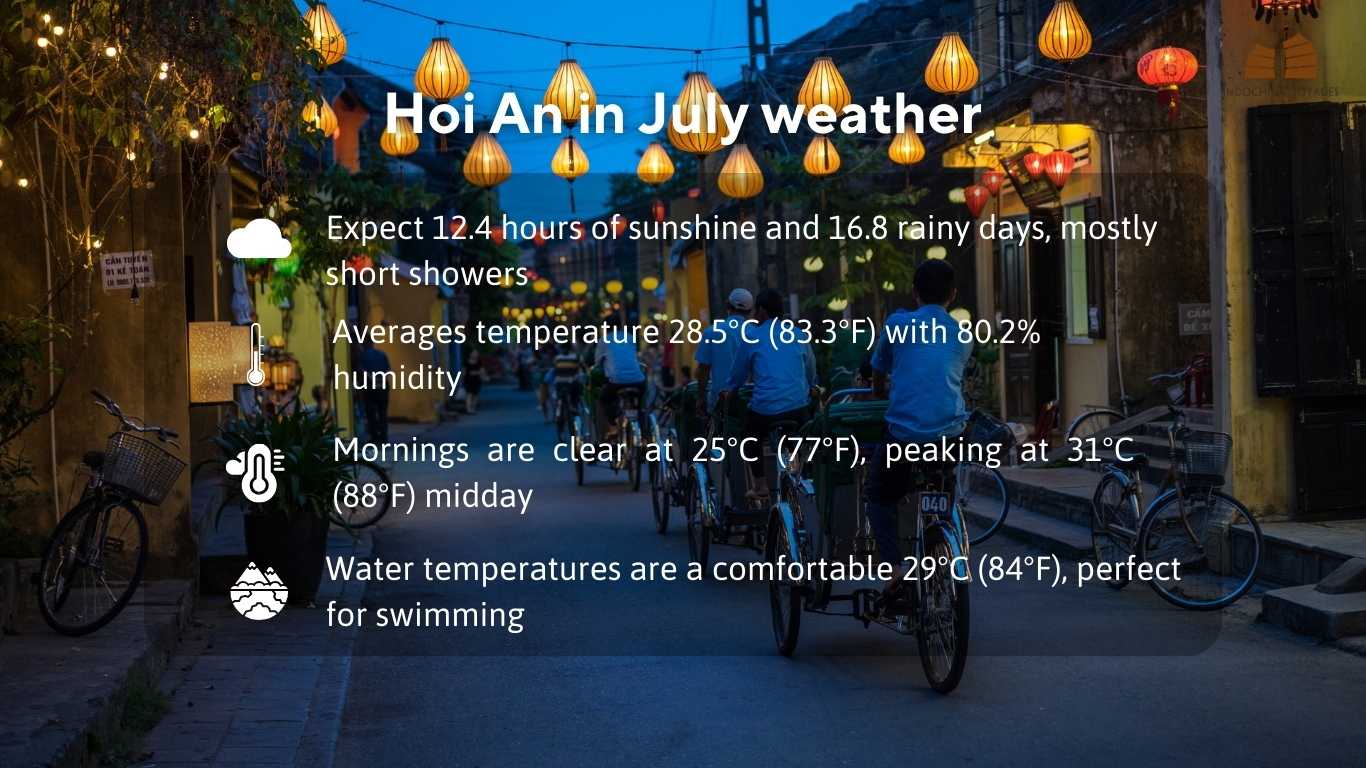
July sits at the tail end of Hoi An’s dry season, delivering warm and mostly sunny days without the prolonged rains that arrive later in the year (October-November). Afternoons occasionally bring brief showers that cool the streets down, a welcome relief rather than a disruption.
| Weather Factor | July Data |
|---|---|
| Average temperature | 28.5°C (83.3°F) |
| Daily range | 24.8°C – 30.8°C (76.6°F – 87.4°F) |
| Humidity | ~80% |
| Daily sunshine hours | ~12.4 hours |
| Rainy days per month | ~17 days |
| Monthly rainfall | ~96 mm |
| Sea temperature | ~29°C (84°F) |
| Typhoon risk | Very low (season peaks Sept-Nov) |
The daily rhythm is predictable and easy to work with: clear mornings from around 25°C (77°F), a hot midday peak near 31°C (88°F), and pleasant evenings around 27°C (80°F), ideal for the night market and riverside dining. Rain, when it comes, typically falls in short afternoon bursts of 30-60 minutes that rarely cancel plans.
Compared to neighboring destinations: Da Nang hits similar temperatures but feels more exposed without Hoi An’s tree-lined lanes and shaded riverside walkways. Hue, further north, is hotter and more humid in July. Hoi An’s coastal position means sea breezes moderate the heat noticeably, especially near An Bang Beach.ctivities.
So, is July a good month to visit Hoi An?
Yes. July is outside the typhoon window, the Cham Islands are accessible by boat (weather permitting), An Bang Beach is warm and swimmable, and hotel rates are lower than the December-February high season. The main trade-off is the midday heat – manageable with smart timing and a few midday breaks.
>> Read more: Discover Hidden Gems: Best Things to do in Hoi An & Tips to beat the crowd
Hoi An in July: How It Compares to Nearby Months
A question our team gets often: “Is July better or worse than June or August?” Here’s a quick comparison to help you decide.
| Month | Temp (avg) | Rain (mm) | Crowd Level | Cham Islands Boats | Notes |
|---|---|---|---|---|---|
| June | 28°C | 75 mm | Moderate | Usually open | Slightly cooler, less rain |
| July | 28.5°C | 96 mm | Moderate | Usually open | Peak sunshine, summer energy |
| August | 28.5°C | 103 mm | Moderate | Usually open | Similar to July, slightly wetter |
| September | 27°C | 250+ mm | Low | Often suspended | Typhoon risk rises sharply |
If you’re choosing between June, July, and August, all three are comparable. July and August have slightly more rain than June but are broadly similar in character. Avoid September if beach access matters to you.
What To Do For The Best Experience In Hoi An In July?
July’s warm weather and long daylight hours open up a world of possibilities in Hoi An, from cooling coastal escapes to immersive cultural experiences that showcase the region’s rich heritage.
Enjoy the summer with beach break at An Bang Beach
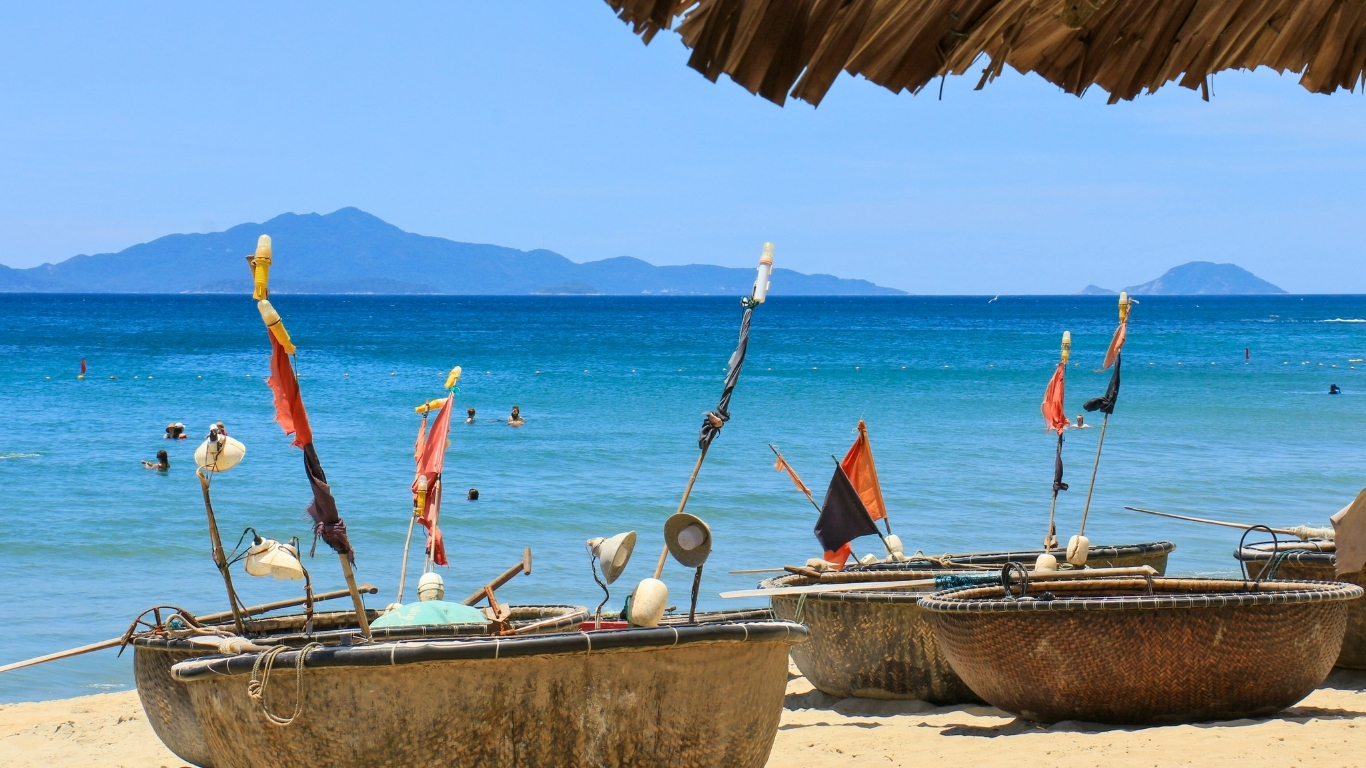
AnJust 5 km from the Ancient Town, An Bang is the best place to start a July morning. Arrive by 7 AM for calm, uncrowded waters at 29°C, perfect for a swim before the day heats up. Local fishermen returning with their catch, nearly empty sand, and beach cafés just opening make this the most peaceful window. By 9-10 AM it fills up; by noon, retreat to the shade.
Practical notes: Sunbeds and umbrellas are typically free with a food or drink order. Look for beachside spots run by local families rather than larger resort outlets for fresher seafood and better prices.
Biking around tranquil countryside village
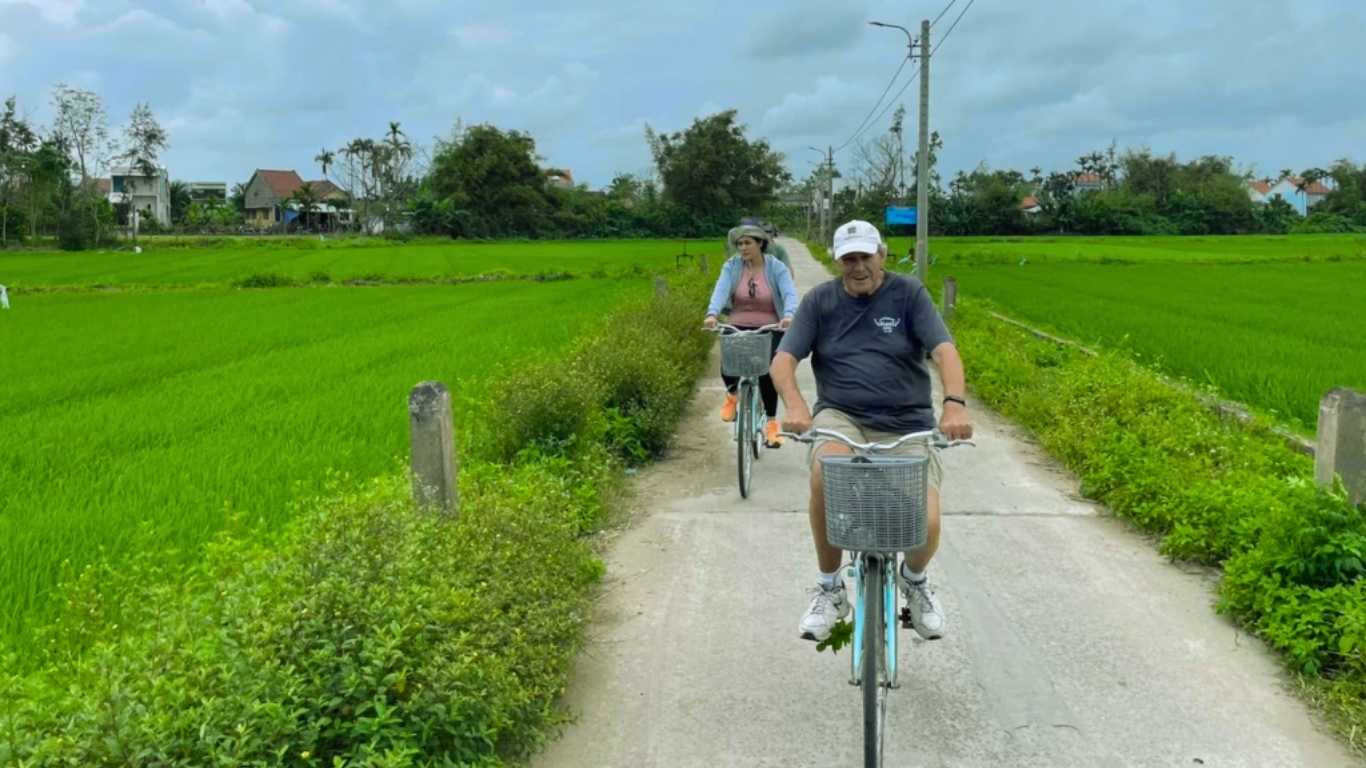
July’s long daylight hours create perfect conditions for exploring Hoi An’s surrounding villages by bicycle. The countryside reveals a different side of Vietnamese life:
The flat terrain around Hoi An makes cycling accessible for all fitness levels, while early morning rides (6-9am) offer the most comfortable temperatures. Follow the paths along the Thu Bon River to witness farmers tending emerald rice paddies that shine brilliantly under July’s abundant sunshine.
Cross bamboo bridges to reach Kim Bong carpentry village, where generations of artisans continue crafting traditional wooden boats and intricate furniture. The workshops remain cooler inside, providing natural respite from midday heat while you observe master craftspeople at work.
Continue to Thanh Ha pottery village, where potters work with clay sourced from the same river banks since the 15th century. July’s heat actually benefits the pottery drying process, and you’ll see numerous works basking in the sunshine.
The route between villages passes through coconut palm groves that provide welcome shade, with roadside stands offering fresh coconut water – nature’s perfect electrolyte replacement for cycling in warm weather.
Experience one day being a farmer at Tra Que Village
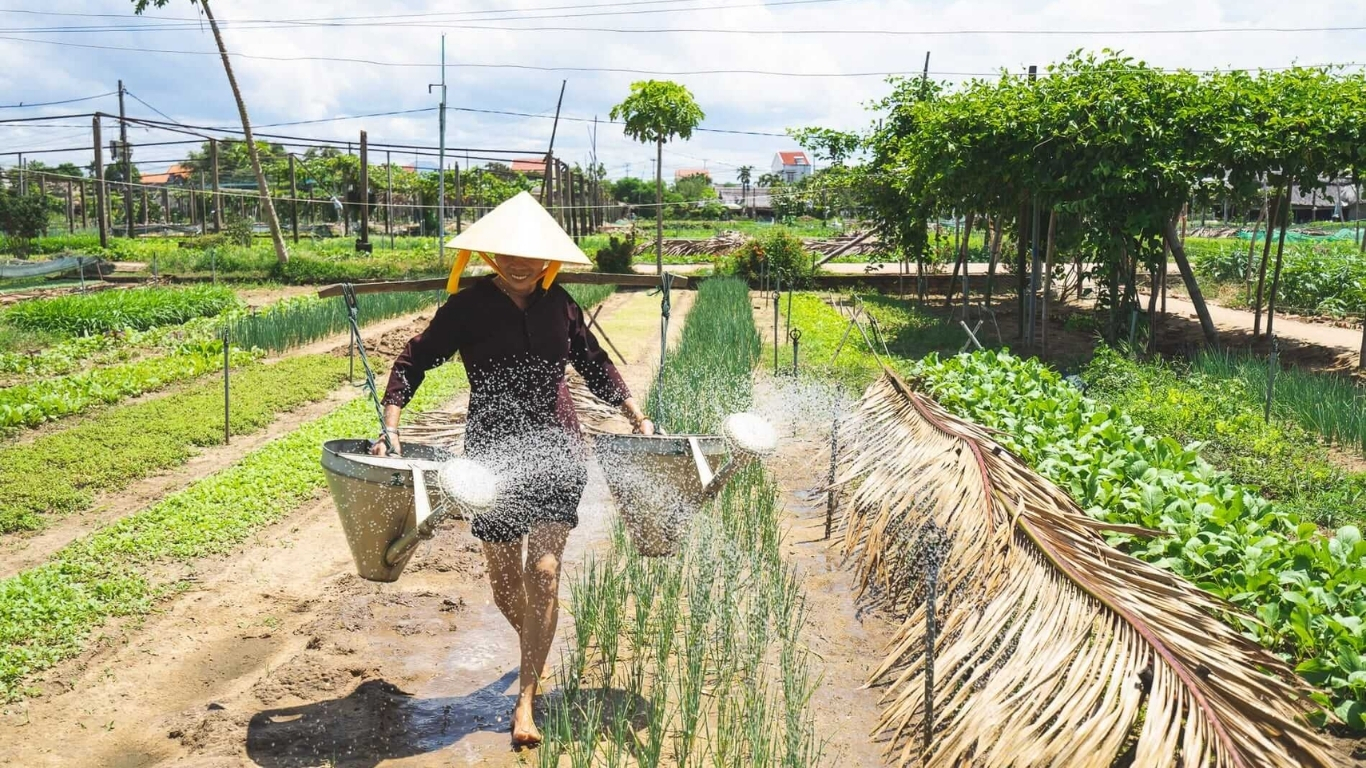
Tra Que Vegetable Village offers an immersive agricultural experience that connects visitors with Vietnam’s farming traditions. This organic herb and vegetable garden thrives in July’s warm conditions:
Arrive early (around 7-8am) to join local farmers during their morning harvesting routine when temperatures remain comfortable. You’ll don traditional farming clothes including the iconic nón lá (conical hat) that provides practical sun protection while working the fields.
Learn ancient organic farming techniques that have remained unchanged for centuries, including the use of algae from the local Tra Que lagoon as natural fertilizer. This sustainable approach creates distinctive flavors in the village’s produce.
Participate in hands-on activities like preparing garden beds, transplanting seedlings, watering plants using traditional shoulder-carried poles, and harvesting aromatic herbs like Vietnamese mint, perilla, and lemongrass that grow abundantly during summer.
After your farming experience, enjoy a foot soak in herb-infused water followed by a traditional Vietnamese lunch featuring the very vegetables you helped harvest. The open-air dining areas catch the midday breeze, creating a comfortable dining experience despite July’s warmth.
Join a cooking class to indepth in Vietnamese cuisine
July’s abundant produce makes it an ideal time to explore Vietnamese cuisine through a hands-on cooking class:
Begin with an early morning market tour when temperatures are cooler and markets bustle with activity. Expert guides help you identify seasonal July specialties including dragon fruit, rambutan, and mangosteen that reach peak ripeness during this month.
Choose cooking classes that include boat transportation along the Thu Bon River to riverside cooking schools, combining culinary education with scenic views. The journey itself provides cooling breezes and photo opportunities of riverside life.
Learn to prepare Hoi An specialties like Cao Lau (noodles with pork and greens), White Rose dumplings (bánh vạc), and crispy Hoi An pancakes (bánh xèo). July’s heat makes refreshing dishes like green papaya salad and spring rolls particularly appealing.
Most cooking venues are designed with heat management in mind, featuring open-air kitchens with excellent ventilation, ceiling fans, and shaded cooking stations. The classes typically conclude with a communal meal enjoying your creations alongside new friends.
Learning to do a pattern on your own
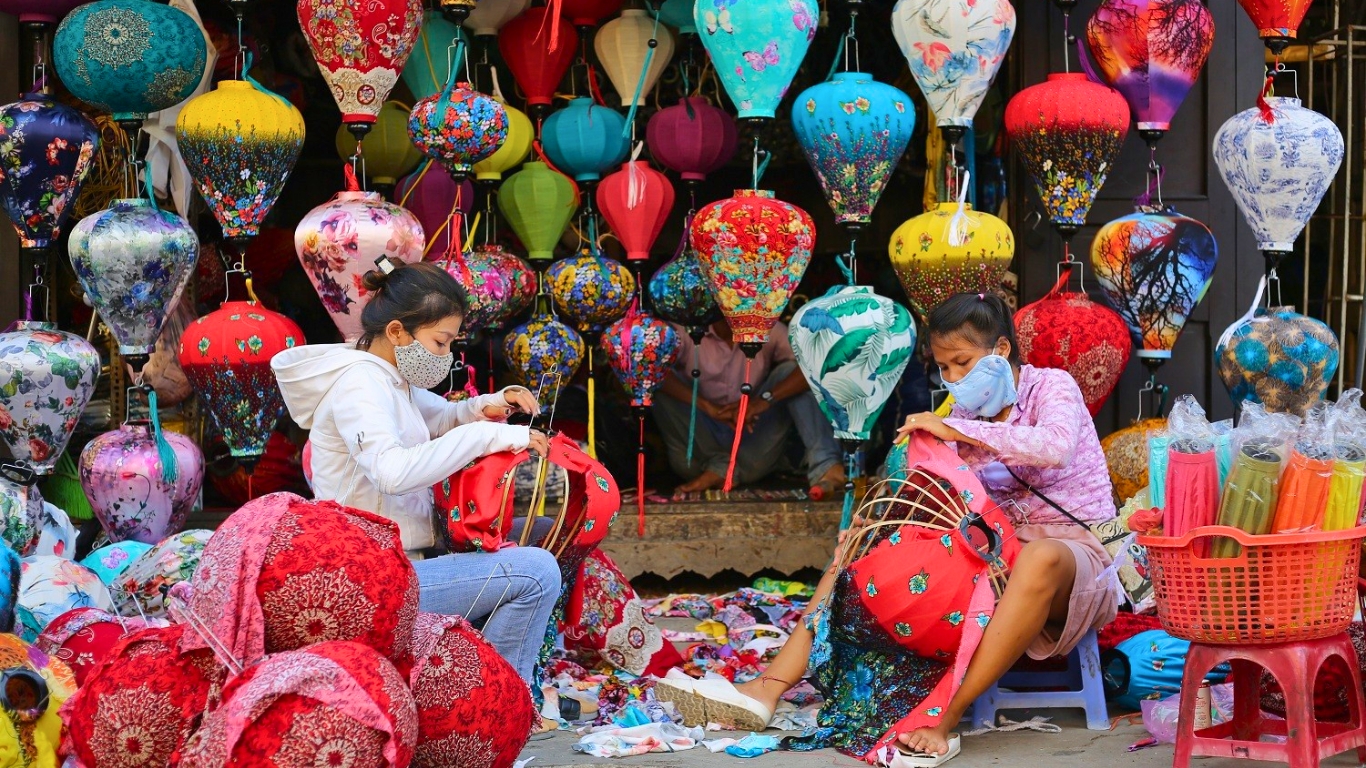
Hoi An’s legendary tailoring tradition extends to hands-on workshops where visitors can create their own textiles using traditional techniques:
Visit Hoi An Handmade, where air-conditioned workshop spaces provide comfortable environments for learning regardless of outside temperatures. Skilled artisans demonstrate centuries-old batik techniques using wax resist methods to create intricate patterns.
Choose from indigo dyeing workshops that utilize natural pigments derived from native plants that thrive during summer months. The drying process actually benefits from July’s warmth and sunshine, accelerating the color development.
Learn the art of Vietnamese silk painting, creating delicate landscapes or traditional motifs on silk panels. These workshops typically last 2-3 hours in climate-controlled environments, making them perfect midday activities when outdoor heat peaks.
Create personalized souvenirs like scarves, handkerchiefs, or small tapestries that capture Hoi An’s artistic heritage. The natural materials used breathe well in summer conditions, making them practical mementos of your July visit.
>> Read more: Hoi An Lanterns – The symbol of Hoi An in Central Vietnam
Making a friend with a local homehost to know their daily life
Connecting with local families through homestay experiences offers authentic cultural immersion and insights into how locals navigate daily life during the summer months:
Many Hoi An homestays are designed with traditional architectural elements that naturally manage heat, including interior courtyards, strategically placed windows for cross-ventilation, and tile floors that remain cool throughout the day.
Join your host family for early morning activities when temperatures are most comfortable. Many locals rise at dawn to exercise, visit markets, or attend to garden plots before the day heats up.
Learn family recipes that are specifically enjoyed during summer months, including cooling che (sweet dessert soups), sinh to (fruit smoothies), and herb-infused cold teas that help maintain comfort during warmer weather.
Participate in evening gatherings when extended family and neighbors often convene in shared outdoor spaces. As temperatures cool after sunset, these social gatherings demonstrate the community-oriented nature of Vietnamese culture through conversation, games, and shared meals.
Some homestay hosts can arrange special experiences like countryside fishing trips, where you’ll learn traditional methods of catching fish in the rice paddies and irrigation canals that surround Hoi An.
>> Are you finding a way to connect with a local homehost in Hoi An to explore the local culture but don’t know how? Contact Indochina Voyages for more
What To Wear In Hoi An In July?
| Category | What to Pack | Notes |
|---|---|---|
| Tops | Lightweight linen or cotton, loose-fit | Moisture-wicking synthetic for outdoor activities |
| Bottoms | Linen trousers, knee-length shorts, midi skirts | Avoid denim — it holds heat and dries slowly |
| Temple visits | Long sleeves, covered knees required | Carry a lightweight scarf to cover up quickly |
| Footwear | Supportive sandals with back straps, water shoes | Avoid flat flip-flops on wet cobblestones |
| Sun protection | Wide-brim hat, UV-protection sunglasses | Local nón lá (conical hats) are sold everywhere for under $3 |
| Rain gear | Packable poncho or compact umbrella | Doubles as sun shade; showers pass in 30-60 min |
| Evening | Light cardigan or shawl | Air-con in restaurants can feel cold after outdoor heat |
One counterintuitive point: a light long-sleeved linen shirt is often cooler than bare arms in direct sun. It blocks UV and reduces sweat evaporation loss. Locals wear them for this reason.
Extra Travel Tips For Traveling In July
Timing your activities strategically:
- Plan outdoor exploration for early mornings (6-9am) and evenings (after 4pm)
- Schedule indoor activities like museum visits and shopping during midday heat
- Take advantage of the “siesta” culture – many locals rest from 12-2pm during the hottest hours
Staying comfortable:
- Stay hydrated with bottled water (aim for 3-4 liters daily)
- Try local cooling beverages like fresh coconut water, sugarcane juice, and iced tea
- Carry a small hand fan and cooling face mist for immediate heat relief
- Consider accommodations with swimming pools for midday refreshment
- Request rooms on higher floors or with cross-ventilation for natural cooling
Health considerations:
- Apply reef-safe sunscreen regularly (SPF 50+ recommended)
- Acclimatize gradually to the heat upon arrival
- Recognize early signs of heat exhaustion: dizziness, excessive sweating, nausea
- Keep basic medications for heat-related issues, including rehydration salts
Transportation tips:
- Book air-conditioned transfers between cities
- Use Grab app for air-conditioned taxis within Hoi An
- Consider early morning or evening departures for longer journeys
- Book accommodations within walking distance to key attractions to minimize transportation needs
Cultural insights:
- Embrace the Vietnamese concept of “mát mẻ” (keeping cool) by adopting local rhythm
- Notice how locals create shade with architectural elements and vegetation
- Learn the skill of “efficient movement” – moving deliberately to conserve energy in heat
July in Hoi An offers a vibrant, authentic experience with manageable weather for those who prepare appropriately. The occasional afternoon showers bring cooling relief and dramatic skies that create magical lighting for photography across the ancient town’s iconic yellow facades. The combination of cultural richness, natural beauty, and summer energy makes Hoi An in July a rewarding destination for travelers seeking an immersive Vietnamese experience.
With thoughtful planning around the day’s natural rhythm, appropriate clothing, and a willingness to embrace the local pace, you’ll discover that July reveals Hoi An’s special character – where centuries of history continue to thrive under the golden summer sun.