Hue sweet soup, locally called Che Hue – is Vietnam’s most celebrated dessert tradition, with over 36 recognized varieties served hot or cold, from royal palace banquets to busy street corners. Whether you have a sweet tooth or simply want to understand Hue’s culinary soul, no visit to this ancient imperial city is complete without a bowl of Che Hue in hand.
What Is Che Hue?
Che Hue is a category of Vietnamese sweet soups, pudding-like desserts, and sweet beverages that originated in Hue – the former imperial capital of Vietnam. Unlike sweet soups in other Vietnamese regions, Che Hue stands out for its elegant presentation, precise technique, and the sophisticated balance of flavors passed down through centuries of royal culinary tradition.
Common base ingredients include cereals, beans, cassava flour, sticky rice flour, fresh fruits, coconut milk, and sugar. What makes Che Hue special is not the ingredient list but how those ingredients are combined: timing, proportion, and texture matter enormously to any experienced Hue cook.
Che Hue can be enjoyed as a mid-day snack, an after-meal dessert, or a street food treat at any hour. It is served hot in cooler months and cold over ice in the summer heat.
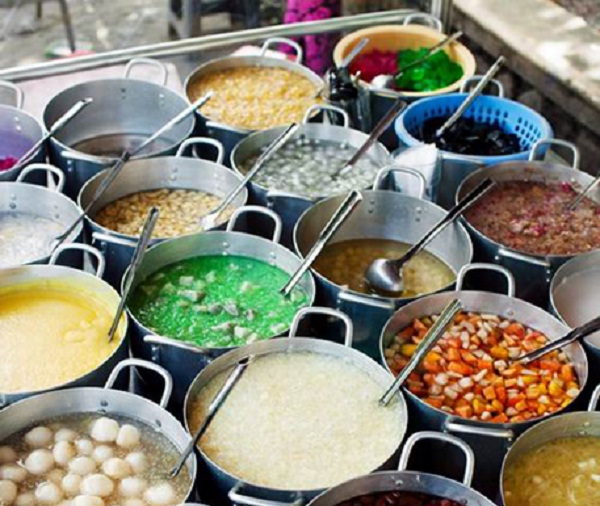
Various types of Che Hue
Che Hue is broadly divided into two categories: royal sweet soup (Che Cung Dinh) and street sweet soup (Che Hem). The table below summarizes the key differences:
| Feature | Che Cung Dinh (Royal) | Che Hem (Street) |
|---|---|---|
| Origin | Imperial palace kitchens | Street stalls and local alleys |
| Ingredients | Lotus seeds, longan, areca flower, arrowroot | Corn, taro, mung beans, kidney beans |
| Complexity | Meticulously prepared, multi-step | Simpler preparation |
| Flavor profile | Delicate, subtle, layered | Hearty, comforting, straightforward |
| Availability | Specialty restaurants | Everywhere in Hue |
| Price range | Slightly higher | Budget-friendly (under $1 USD) |
Che Cung Dinh – Royal Sweet Soup
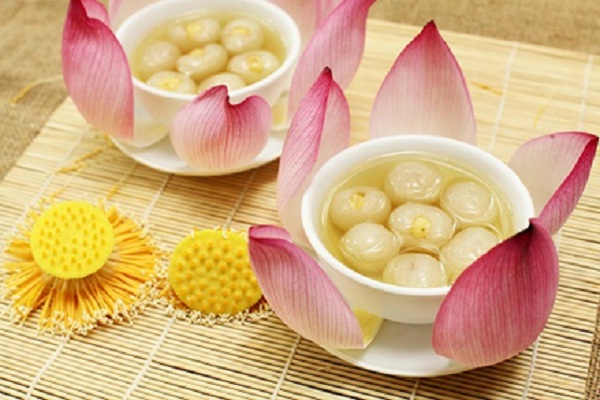
The royal type was, of course, served royalty in the past. They have luxury ingredients cooked meticulously. Some notable Che cung dinh are:
- Lotus seed sweet soup – Che hat sen.
- Lotus seed wrapped in logan sweet soup – Che nhan boc hat sen
- Grilled pork wrapped in cassava flour sweet soup – Che bot loc boc thit quay
- Areca flower sweet soup – Che hoa cau
- Green sticky rice sweet soup- Che com
- Made from a variety of taro sweet soups – Che mon sap vang, etc.
Fortunately, these ingredients were only expensive in the past. They are now affordable so that we can enjoy the food of the kings more easily.
Che Hem – Street Sweet Soup
The common type, Che hem, is sold commonly on the street. The recipes for this type feature more simple ingredients. Some popular Che Hem are:
- Corn sweet soup – Che bap
- Sticky rice cake and green pea paste sweet soup – Che troi nuoc
- Taro sweet soup – Che khoai mon
- Mung bean sweet soup – Che dau xanh
- White kidney bean sweet soup – Che dau ngu
- Red kidney bean sweet soup – Che dau do
- Black turtle bean sweet soup – Che dau den
- Grapefruit sweet soup – Che buoi, etc.
Some people like to mix all kinds of Che to create mixed sweet soup – Che thap cam.
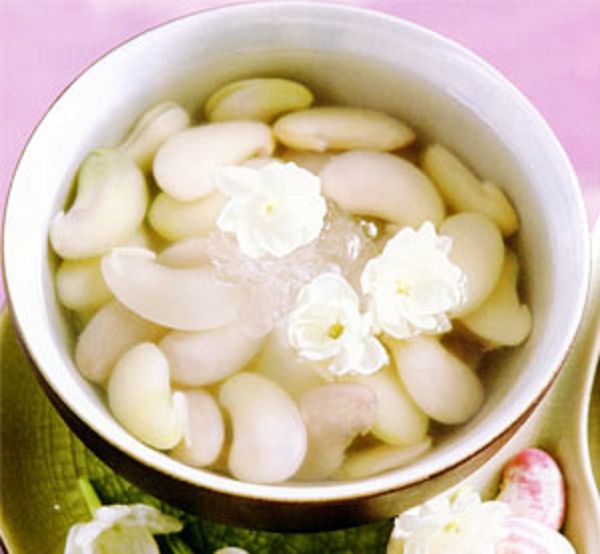
How to cook this Vietnamese street food
Cooking Hue sweet soup is mostly about boiling water, adding prepared ingredients, and some sugar. However, it is difficult to make it very delicious. It requires you to add the exact amount of ingredients at the precise moment. If not, your Che Hue will taste really bad. In some Vietnam tours, you can ask your travel agents to arrange a cooking class to learn how to cook Che Hue.
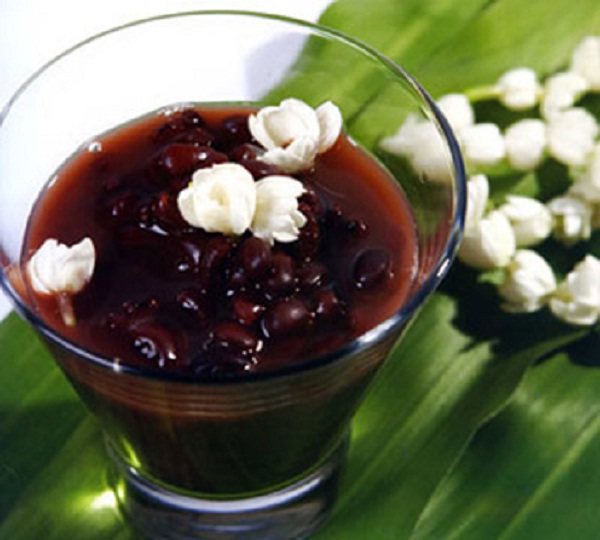
What Makes Che Hue Different from Sweet Soups in Other Regions?
Vietnam has sweet soup traditions across all regions, but each has a distinct character:
| Region | Style | Key Characteristics |
|---|---|---|
| Hanoi (North) | Delicate and simple | Lotus seeds, black sesame, young rice |
| Hue (Central) | Elegant and refined | Royal heritage, savory-sweet combinations, pandan jelly |
| Ho Chi Minh City (South) | Bold and complex | Tropical fruits, coconut milk, multiple textures |
Hue’s sweet soups are considered the most sophisticated of the three, owing to the city’s imperial culinary legacy and the emphasis Hue cooks place on visual presentation and flavor balance.
Where to find the best Che Hue?
Embark on a culinary adventure as we guide you to the top spots where you can savor the best Che Hue in the charming city of Hue. Whether you’re exploring a bustling local market or seeking out street food vendors with generations of family recipes, we’ll lead you to the hidden gems that offer this mouthwatering delicacy.
- The best place to savor Che Hem: Quan Che Hem
Address: 1st, 29 Hung Vuong Street, Phu Hoi Ward, Hue City. This is quite close to the airport, so it attracts many international tourists.
- The best place to taste Che Cung Dinh: Quan Che Mo Ton Dich
Address: 116 Le Thanh Ton, Hue City. A highlight when coming to this place that you can’t ignore is Che Bot Loc Heo Quay (Grilled pork wrapped in cassava flour sweet soup). This dish will really blow your mind with its fascinating flavor.
Besides, you also can visit Dong Ba Market to have a chance to savor various Hue Sweet Soups as well as wonderful other specialties.
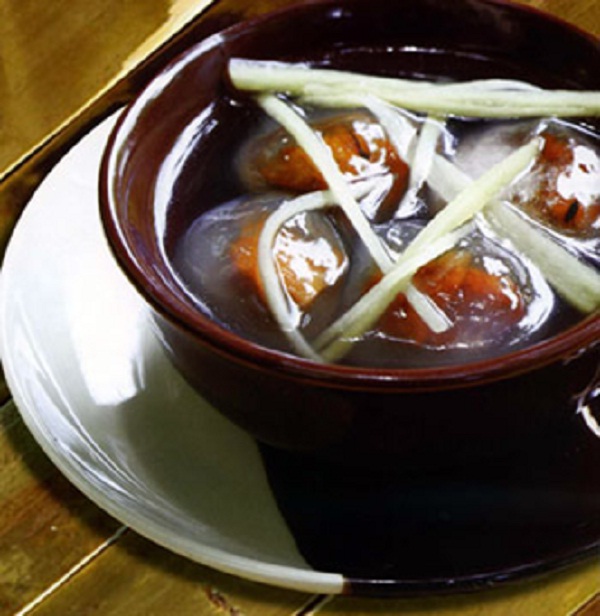
Traditionally, Che Hue is served in small bowls; but some restaurants or food stalls serve them in glasses or transparent plastic bags for takeaway as well. You can enjoy it in any kind of weather. It also provides a nutritious energy boost for the day.
Che is also part of Hue’s culture. If you have a chance to visit Hue during your Classic Central Vietnam 5 days, have Che on your top list of Vietnamese street foods in your Indochina tours; or you will miss a big part of the Vietnamese cuisine picture. Contact Indochina Voyages here or drop us an offline message on the screen and include Che in your travel plans to Hue, discovering the true essence of Vietnamese cuisine.