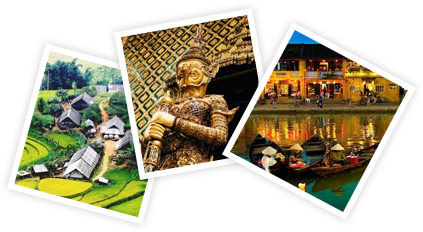

Bangkok and Siem Reap are two of the most visited stops on a Thailand and Cambodia trip, and there are normally several ways to connect them, whether by air, bus, train, or private car. Right now, though, land border crossings between the two countries are closed to ordinary travelers, so flying is the only practical option. This guide covers current flights, airport transfers on both ends, Cambodia’s entry requirements, and the traditional overland routes in case the border situation changes. For travelers who would rather have every one of these pieces handled for them, our Indochina tours can build a private itinerary around exactly this route.
Bangkok to Siem Reap: Current Travel Situation

Can you travel from Bangkok to Siem Reap by land?
Not right now. All land crossings between Thailand and Cambodia, including the Aranyaprathet to Poipet crossing that most overland travelers used for this route, have been closed since mid-2025 due to a military border dispute. A ceasefire reached in late December 2025 broke down within days, and as of September 2026 there is no announced timeline for reopening. Some foreign ministries also advise against travel within roughly 20 to 50 km of the border itself, well beyond just the crossing points.
For anyone making this trip today, that leaves one real option: flying between Bangkok and Siem Reap. The sections below explain the flight in detail, then cover the bus, train, and private car routes as reference for if and when the land border reopens.
How to Get from Bangkok to Siem Reap
| Option | Current status | Typical journey | Best suited to |
|---|---|---|---|
| Flight | Available | Around 1 to 1.5 hours | Most travelers right now |
| Bus | Currently unavailable | 8 to 10 hours normally | Budget travelers, when the border reopens |
| Train plus road | Currently unavailable | 10 to 12+ hours normally | Slow overland travel, when the border reopens |
| Private car | Currently unavailable | 6 to 8+ hours normally | Comfort and flexibility, when the border reopens |
Flying is the option that actually applies to your trip today. The sections below go through it in detail: timing, airports, and cost, before covering the overland routes for reference.
Flying from Bangkok to Siem Reap
With the land border closed, flying is currently the only way to connect Bangkok and Siem Reap, and it happens to also be the fastest option under normal circumstances.
How long is the flight from Bangkok to Siem Reap?
A direct flight between Bangkok and Siem Reap takes approximately 1 hour and 15 minutes in the air. That is the scheduled flight time only, and your total journey will run longer once you factor in getting to the airport, checking in, clearing security, and, on arrival, immigration and the transfer into Siem Reap itself. For international flights, arriving at least 2 to 3 hours before departure is a safe rule of thumb, and Siem Reap’s newer airport adds extra transfer time on the other end (more on that below). Realistically, budget closer to half a day door to door rather than just the 75 minute flight time.
Which Bangkok airport should you fly from?
Bangkok has two international airports, and which one you use depends on your airline.
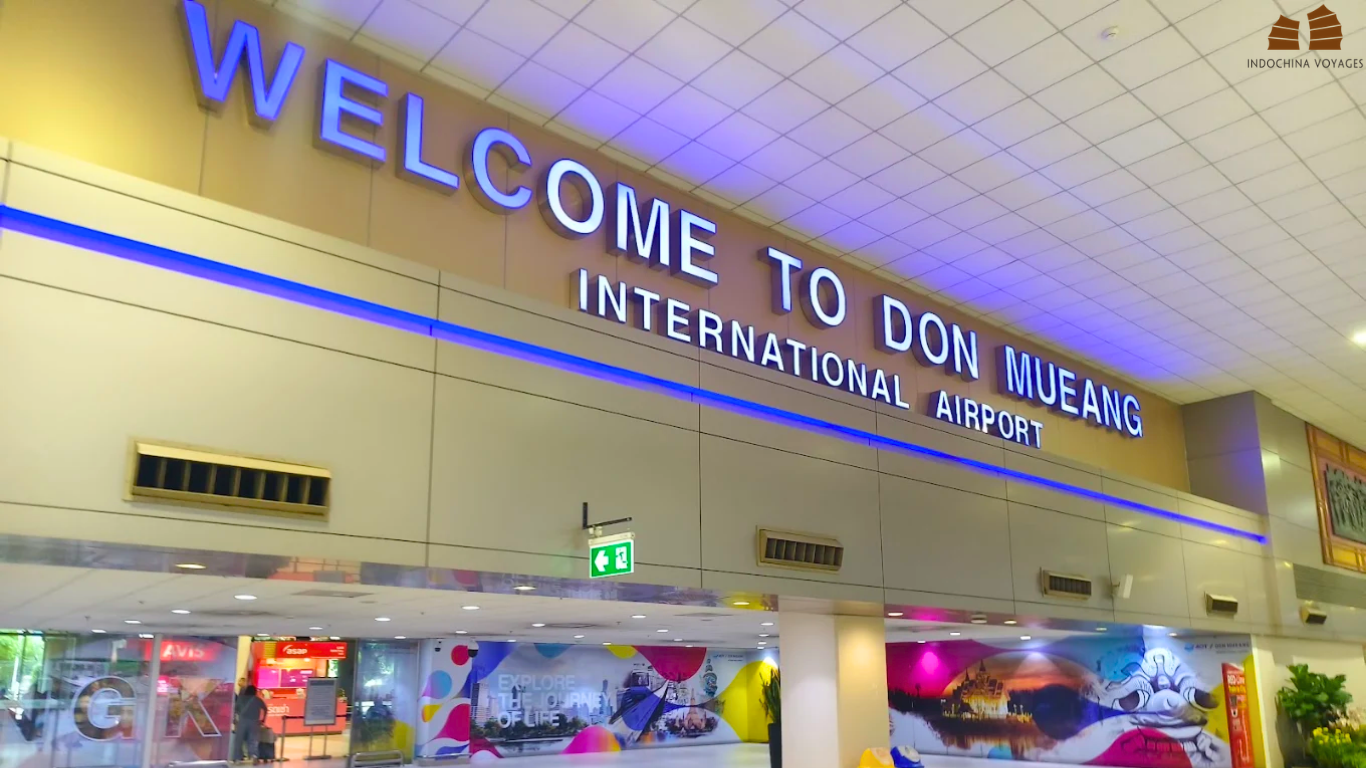
Don Mueang International Airport (DMK) is where most low cost carriers operate from, and it is typically the airport for direct, budget friendly connections to Siem Reap. It sits north of central Bangkok; getting there from the city center usually takes 30 to 60 minutes depending on traffic.
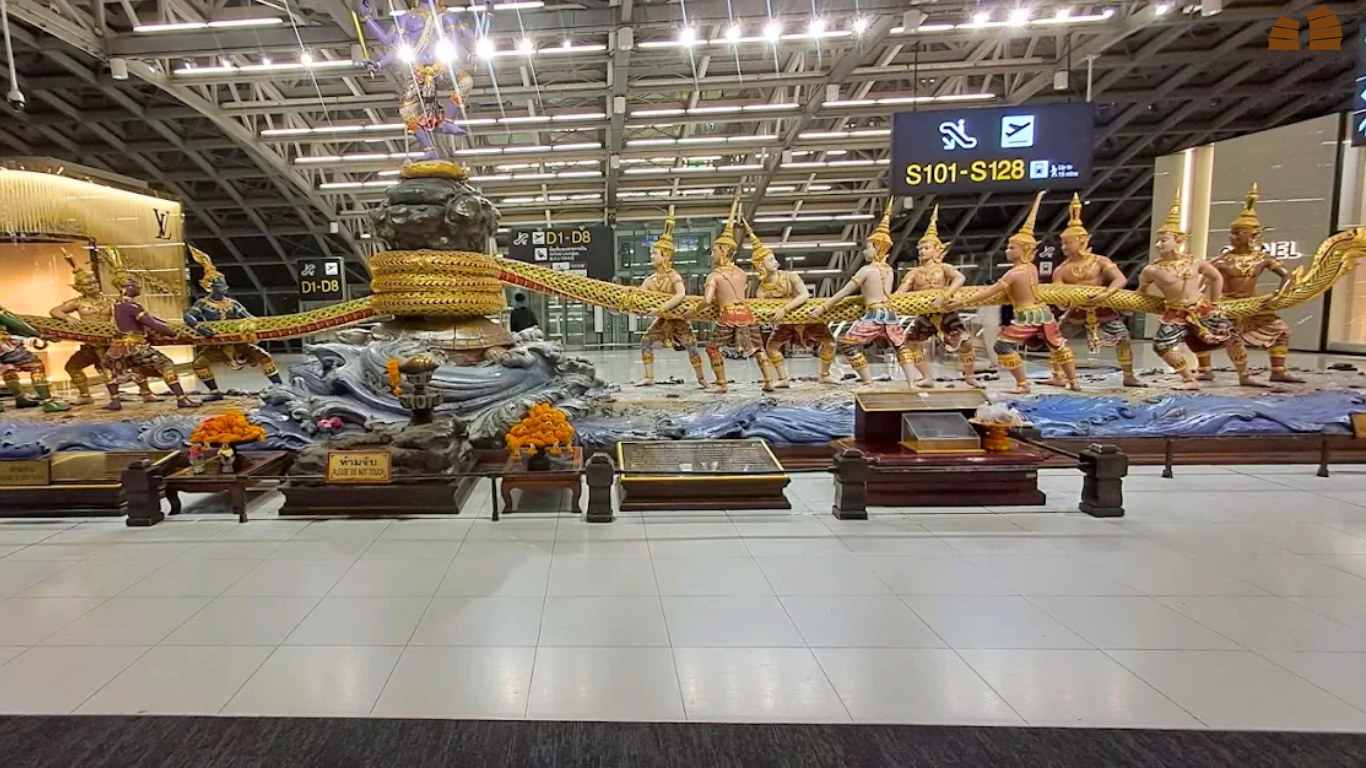
Suvarnabhumi Airport (BKK) is Bangkok’s main international gateway, used by full service airlines. It is connected to central Bangkok by the Airport Rail Link, which is often the fastest way to get there when traffic is heavy.
If you are comparing flights, it is worth checking which airport each one departs from before you book, since it can affect both your transfer time and your overall cost.
How much does a Bangkok to Siem Reap flight cost?
Rather than quoting a fixed fare that will age quickly, it is more useful to know what actually drives the price:
- One way vs. round trip: round trip fares on the same airline are often proportionally cheaper than two one ways.
- Low cost vs. full service carriers: budget airlines usually post lower headline fares but charge separately for baggage, seat selection, and sometimes even carry on weight.
- Checked baggage: often the single biggest add on cost on a budget fare; check the allowance before you compare prices.
- Booking timing: fares typically rise as the travel date approaches, especially in peak season.
- Seasonality: expect higher prices and fuller flights around major holidays and the Cambodian/Thai high season (roughly November to February).
Compare total cost, fare plus baggage plus any transfer fees, rather than just the ticket price shown at checkout. A private transfer booked as part of a wider itinerary can also fold these costs into one predictable package rather than several separate bookings.
Getting to Bangkok Airport
Getting from Bangkok city center to BKK (Suvarnabhumi)
The Airport Rail Link connects central stations like Phaya Thai and Makkasan directly to BKK and is usually the most reliable option when Bangkok traffic is bad. Taxis and ride hailing apps are convenient, especially with luggage, but travel time varies significantly with traffic, so allow extra buffer during rush hour. A private transfer booked in advance offers a fixed price and a guaranteed pickup time, which can be worth the premium if you are traveling with a group or have an early flight.
Getting from Bangkok city center to DMK (Don Mueang)
DMK is not served by a rail link into the city center, so most travelers rely on taxis or ride hailing apps, or a combination of BTS Skytrain plus a connecting bus. Public transport options exist but take longer and involve more transfers than a taxi. Whichever way you go, build in extra time for Bangkok’s unpredictable traffic; DMK trips can take anywhere from 30 minutes to well over an hour depending on the time of day.
Practical tip: if you are traveling with young kids, a lot of luggage, or catching an early morning flight, a pre booked private transfer removes a lot of the uncertainty around traffic and timing that taxis and public transport cannot guarantee. Curious about Bangkok itself before you fly out? This hidden gem guide is worth a look.
From Siem Reap Angkor International Airport (SAI) to the City
How far is SAI from Siem Reap?
Since September 2025, Siem Reap Angkor International Airport (SAI) has replaced the old in town airport as the city’s main gateway. It is located roughly 50 km from central Siem Reap, considerably farther out than the previous airport, so the transfer into town takes noticeably longer than it used to. Building in extra time for this leg, especially if you have a tight onward schedule, is worth planning for.
Ways to get from SAI to Siem Reap
- Taxi: available at the airport; agree on a price before you get in if it is not metered.
- Hotel transfer: many hotels offer pickup, arranged when you book; convenient if you would rather not negotiate on arrival.
- Private airport transfer: booked in advance, useful for groups, families, or anyone wanting a fixed price and guaranteed pickup.
- Tuk tuks are generally not practical for this longer airport route the way they were for the old, closer airport.
Which airport transfer suits you?
Couples, families, and travelers with a lot of luggage will generally find a pre booked private or hotel transfer the least stressful option given the distance. Independent travelers comfortable negotiating on the spot can compare taxi fares at the airport, though it is worth knowing the going rate beforehand so you are not overpaying on arrival.
Overland Routes: Currently Unavailable
A note before this section: everything below describes the traditional overland routes between Bangkok and Siem Reap. All of them depend on land border crossings that are currently closed, and none of these routes are usable right now. They are included here as reference for when it reopens; check current conditions before planning any overland trip.
Bangkok to Siem Reap by Train
The traditional overland route runs Bangkok to Aranyaprathet to Poipet to Siem Reap, combining a train ride with road transport across the border.

Bangkok to Aranyaprathet by train: Trains normally depart from Bangkok’s Hua Lamphong Station, with the journey taking around 5 to 6 hours. It is a slow way to cover the distance, but many travelers have enjoyed it precisely for that reason, watching rural Thailand pass by the window while food vendors work the aisles along the way.
Aranyaprathet to Poipet: From the Aranyaprathet station, a short shared taxi or local transport would normally carry travelers to the Poipet border itself.
Poipet to Siem Reap: After crossing, the onward journey to Siem Reap by road normally takes roughly 2 to 3 hours. Poipet has also long carried a reputation for scams targeting arriving travelers; unofficial “helpers” offering visa assistance or transport are not to be trusted, and the standard advice is to head straight to the official immigration building and ignore unsolicited offers of help.
Bangkok to Siem Reap by Bus
When the border is open, a direct bus is normally the cheapest way to make this trip, typically taking 8 to 10 hours. Through ticket services have historically handled the border crossing directly, letting luggage stay on board while passengers handled visa formalities on foot. Because cross border bus operators have suspended service during the current closure, confirming directly with any operator before assuming a schedule is still valid would be essential once the border reopens.

Bangkok to Siem Reap by Private Car
A private car follows the same general route via Aranyaprathet and Poipet, taking roughly 6 to 8 hours door to door depending on traffic and border wait times. The main advantage over bus or train has always been flexibility, with no fixed departure time and the ability to stop along the way. Like the bus and train, this option depends entirely on the land border being open, so it is not currently a bookable option regardless of what an older listing might suggest.
Cambodia Visa and Entry Requirements
Do you need a visa for Cambodia?
It depends on your nationality. Most travelers need a visa, but some ASEAN nationals (including Thailand, Vietnam, Malaysia, Singapore, Indonesia, Philippines, Laos, and Brunei) are visa-exempt for stays of 14 to 30 days. Check the requirements for your specific passport before you travel; do not assume the same rule applies to everyone.
Cambodia tourist e-Visa
Applying for an e-Visa in advance is generally the smoothest option, particularly for air arrivals. Apply through the official Cambodian government e-Visa site rather than third party visa services, which often charge inflated fees for the same process. Processing typically takes a few business days, so apply with some buffer before your trip. Your passport needs to be valid for at least 6 months beyond your entry date, with at least one blank page.
Cambodia e-Arrival Card and V-Pass
Cambodia’s entry process for air travelers now runs through an electronic arrival system, and it is worth understanding it as a few distinct steps rather than one single form:
- e-Arrival submission: completed online in advance of travel, combining immigration, health, and customs declarations into one digital form.
- Immigration processing: handled on arrival at the airport, where your e-Arrival submission is checked alongside your visa and passport.
- Post arrival proof (V-Pass): the confirmation you will want accessible after you have cleared immigration.
Complete this well before your flight; it only takes about 10 minutes, but it is not something to leave until you are at the gate.
What to Know Before Traveling from Bangkok to Siem Reap
Check the border situation before planning an overland route. Conditions here have shifted more than once since 2025, and any overland plan depends entirely on the current status; verify before booking anything that assumes the border is open.
Allow enough time at both airports. Bangkok traffic is unpredictable, international check in and immigration both take time, and SAI’s distance from Siem Reap means the arrival side needs real buffer too, so do not schedule anything tight immediately after landing.
Check your baggage allowance. This matters most if you are comparing a budget airline against a full service one; the “cheaper” ticket can end up costing more once bags are added.
Keep your Cambodia entry documents ready. Passport, visa or e-Visa confirmation, accommodation details, and your e-Arrival/V-Pass confirmation should all be easy to access at immigration, not buried in your inbox.
Current advisory note: The U.S. State Department reissued its Cambodia travel advisory on September 15, 2026, maintaining Cambodia at Level 2 (“Exercise Increased Caution”) and citing crime, unrest, and unexploded ordnance risk, with specific emphasis on the area near the Thailand border. If your plans involve anything beyond Siem Reap and Angkor itself, particularly border adjacent areas, it is worth reviewing current advisories before you go.
Which Bangkok to Siem Reap Option Fits Your Trip?
- Speed seekers should fly, paying attention to which Bangkok airport the ticket uses and building in time for the SAI transfer on arrival.
- Budget conscious travelers get more value from adding up the fare, baggage, and airport transfers together, rather than judging by the headline airfare alone.
- Slower, more scenic travel is best served by the train and bus routes, though they stay in the “someday” column until the land border reopens.
- Comfort focused travelers can still get that door to door ease today by pairing a flight with private airport transfers on both ends.
For most travelers right now, that means flying into DMK or BKK and arranging a private or hotel transfer for the longer ride in from SAI. A custom Indochina package can bundle all of this into one plan rather than several separate bookings.
How to Combine Bangkok and Siem Reap in a Southeast Asia Itinerary
This pairing fits naturally into a wider regional trip, and how much time you have shapes exactly how far that trip can stretch.
| 6 Days: Bangkok, Siem Reap and Angkor | 10–14 Days: Bangkok, Siem Reap and Vietnam | 2+ Weeks: A Wider Indochina Journey | |
|---|---|---|---|
| Route | Bangkok (Day 1–2), Siem Reap (Day 3), Angkor temples (Day 4), Siem Reap beyond Angkor (Day 5), onward by air (Day 6) | Bangkok and Siem Reap combined with key Vietnam stops such as Ho Chi Minh City, Hoi An, or Hanoi | Bangkok and Siem Reap as part of a longer route through Cambodia beyond Angkor, continuing into Vietnam or Laos |
| Pace | Full days for Bangkok’s sights, food, and neighborhoods, plus a full day at Angkor Wat and Angkor Thom | A slower pace across three countries, without rushing between destinations | A relaxed, multi country pace with room to linger |
| Highlights | Angkor Wat, Angkor Thom, a floating village or countryside experience depending on season | Bangkok, Siem Reap, plus Vietnam’s major cities and coastline | Cambodia beyond Angkor, Vietnam, and Laos, woven into one journey |
| Suitable for | Travelers who want enough time for both Bangkok and Angkor without moving too quickly | Travelers wanting a broader Thailand, Cambodia, and Vietnam journey | Travelers seeking a deeper multi-country trip with time for local experiences, nature, and culture |
Whichever length fits, our Cambodia tours can be tailored to any of these three paces, or explore our Vietnam tours to extend the trip further.
Frequently Asked Questions
Planning a trip from Bangkok to Siem Reap and want it taken care of end to end? Indochina Voyages has guided 500+ travelers through tailor-made Southeast Asia itineraries, and my team keeps a close eye on the current border situation so your trip is planned around what is actually possible right now, not outdated routes. Browse sample itineraries here, explore Indochina travel packages on this page, or get in touch to start building yours. You can also reach my team directly at info@indochinavoyages.com
From Indochina Voyages Team