
Bangkok’s headline sights earn their reputation: the gilded halls of the Grand Palace, the reclining Buddha at Wat Pho, the riverside temples, a street food culture few cities can match. Yet the capital has a second, quieter register that most itineraries skip. It lives in Chinese shophouse alleys, canal-side timber houses, a centuries-old Muslim community, a Portuguese-era church and a stretch of green delta a short ferry ride from the skyline.
This guide to the hidden gems in Bangkok is written for travelers who want to understand how the city has layered itself over time. Whether this is your second visit or a first trip with a day to spare, you will find historic riverside neighborhoods, waterways, green escapes and quieter cultural sites, followed by a ready-made itinerary and practical advice. If you prefer to skim, a summary table of all ten places sits near the end.
>>>> For wider trip planning, see our Thailand travel guide.
Part 1: Historic Riverside Neighborhoods
1. Talat Noi: Old Bangkok Through Its Narrow Alleys
Talat Noi lies just south of Chinatown, and the two areas combine well; our guide to Chinatown in Bangkok covers the larger district.
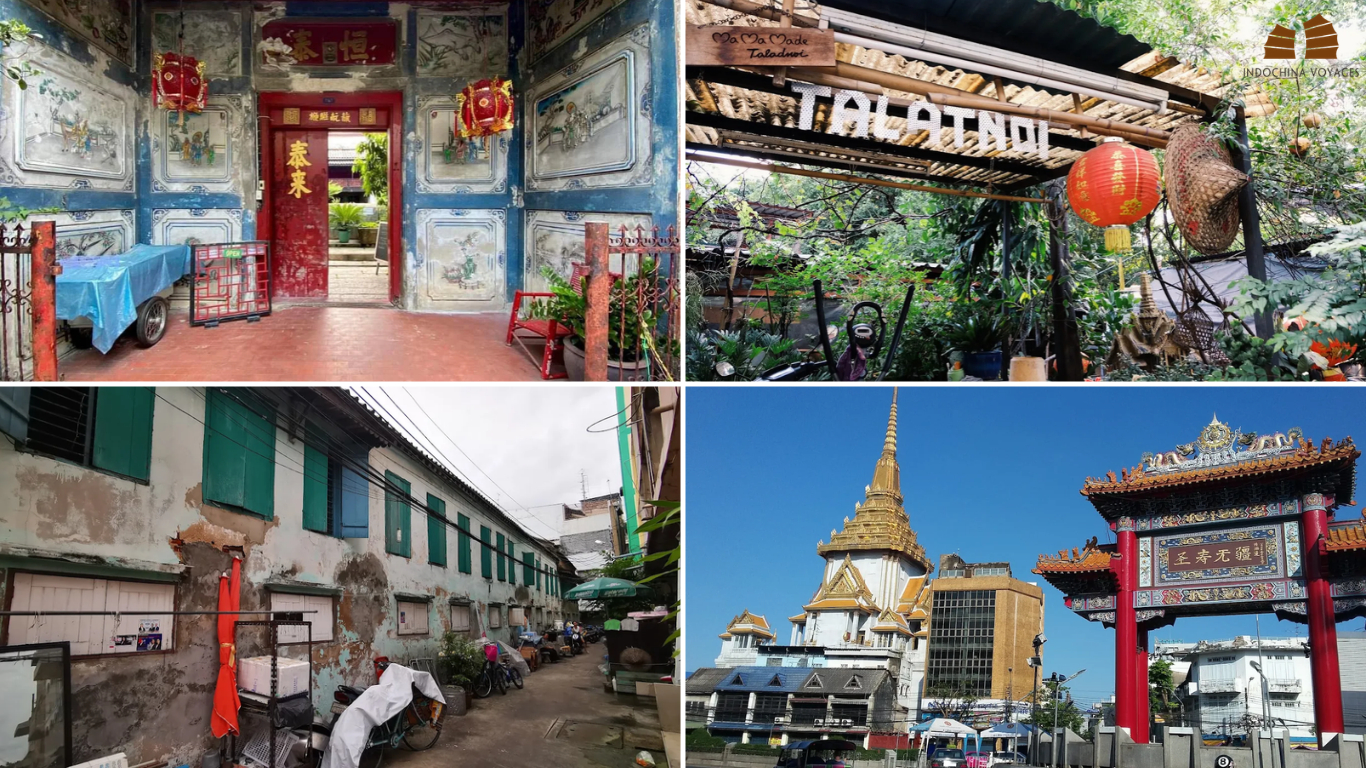
This town is among Bangkok’s oldest neighborhoods, a riverside quarter shaped by generations of Chinese settlement. Its alleys are lined with narrow shophouses, small shrines, and working garages and metal workshops, while street art adds a newer layer to the weathered walls.
What sets it apart is that it remains a working neighborhood rather than a preserved one. Residents cook, repair and trade in the same lanes you are walking through, which makes the area richly photogenic and best explored without a fixed plan.
A relaxed walking route (about 2–3 hours)
- Begin near the river and drift into the alleys without a set destination.
- Pause at one of the small shrines, where incense and offerings mark the rhythm of the day.
- Settle into a café housed in a converted old building for a coffee break.
- Photograph the murals and workshop fronts in soft morning light.
- Optionally continue along Song Wat Road, a distinct street with a more commercial, creative character and a cluster of cafés and galleries. It extends the walk well, but it is a different experience from the lanes of Talat Noi itself.
Who it suits: travelers drawn to heritage, photography and contemporary creative culture, whether solo or as a couple.
Good to know
- Getting there: by river boat, or by MRT plus a short walk
- Time needed: 2–3 hours
- Best time: morning, for cooler air and better light
- Cost: free to walk around
Specialist tip: Remember that the alleys are someone’s workplace and neighborhood. Ask before photographing people, and keep your voice low in the narrow lanes.
2. Kudeejeen (Kudi Chin): Bangkok’s Portuguese-Era Corner
Wat Arun is further along the same river, and how to get to Wat Arun in Bangkok explains the crossings.
Across the river from Talat Noi, Kudeejeen tells a different story. The neighborhood was settled by a community with Portuguese roots, and its landmark is Santa Cruz Church, a quiet reminder that Bangkok has long been a meeting point of cultures.
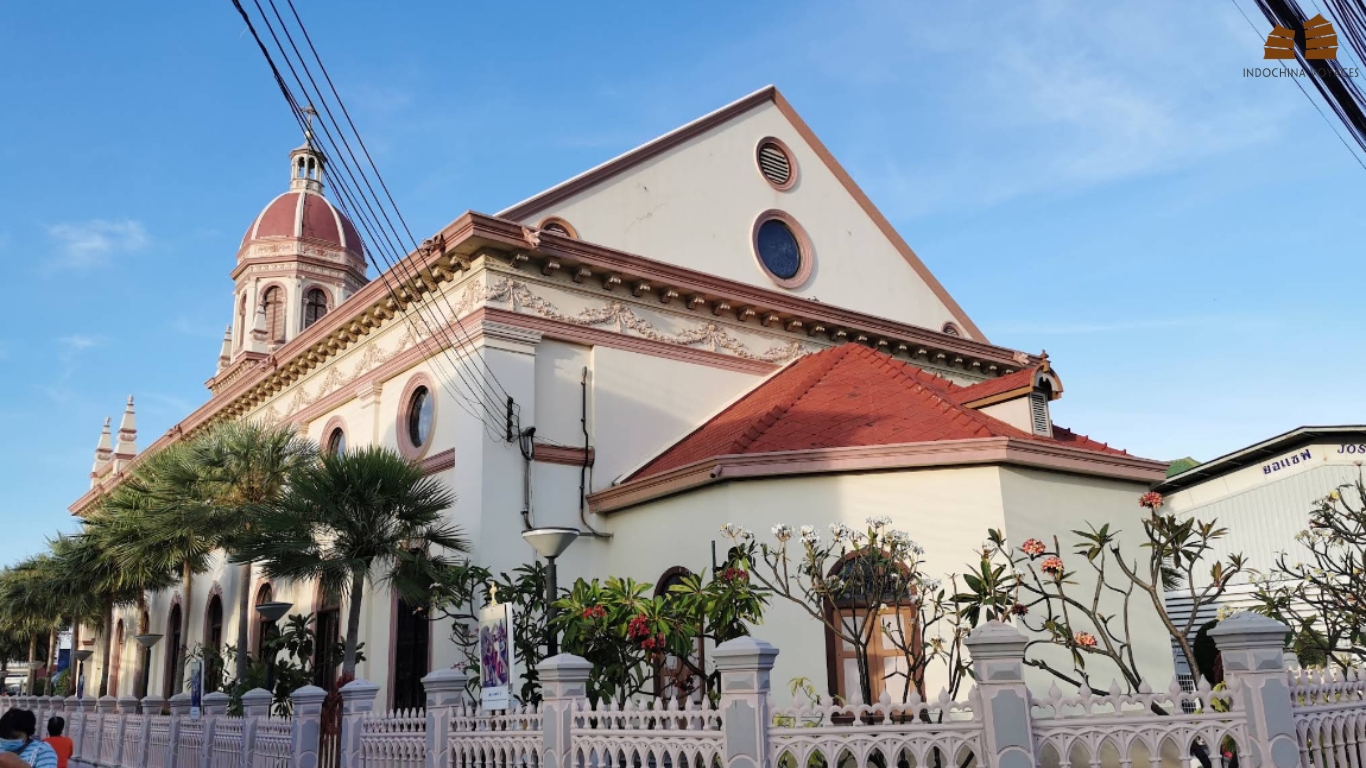
Take the lanes slowly, step inside the church if it is open, and look out for small bakeries selling traditional sweets with Portuguese influence.
Kudeejeen pairs naturally with Talat Noi as a half-day combination. The ferry crossing between them is a pleasant part of the journey in its own right.
Good to know
- Time needed: about 1 hour
- Best time: late morning
- Etiquette: dress modestly if you enter the church, and keep noise to a minimum inside
3. Haroon Village: Bangkok’s Multicultural Heritage
If local customs are new to you, browse our culture shock articles. On the Thonburi side of the river, Haroon Village is home to a historic Muslim community centered on the Haroon Mosque. The mosque dates to the 19th century and reflects both Indonesian and Thai influences. Around it, narrow lanes pass timber houses, small shops and neighbors going about their day.
A walk here shows everyday life in a living community: residential lanes, home-style food, cats asleep in doorways. It rewards a respectful, unhurried visit.
Please note: this is a residential neighborhood, not a staged attraction. Treat it as you would any private street.
Visiting respectfully
- Dress modestly, with shoulders and knees covered.
- Ask before photographing people, and avoid intrusive photography.
- Avoid prayer times, especially Friday midday.
- Keep to public paths and stay out of private areas.
Good to know
- Time needed: about 1 hour
- Best time: daytime, outside prayer times
- Getting there: by river boat and a short walk, or by taxi
4. Artist House (Baan Silapin) on Khlong Bang Luang
For more ideas in the same spirit, see our unique travel experiences.
Artist House is an old timber house on Khlong Bang Luang, a quiet canal in Thonburi. It suits a slow afternoon: art displays, crafts, canal-side seating and a café overlooking the water.

What you can realistically do
- Browse the art and craft displays.
- Order a coffee or a cold drink beside the canal.
- Walk the nearby canal-side lanes to see timber houses and quiet waterways.
Allow about 1.5–2 hours. This is a place to settle into rather than rush through.
Puppet performances: check before you go. Traditional puppetry is associated with this place, but the venue’s official website currently states that performances are offered only to pre-booked private groups. Do not count on a free daily show. If a performance matters to you, contact the venue in advance.
Good to know
- Getting there: by taxi or ride-hailing, asking for Baan Silapin on Khlong Bang Luang
- Opening hours: check before your visit
- Best time: weekdays, for a quieter visit
Part 2: Water and Green Escapes
5. Thonburi’s Canals by Long-Tail Boat
For a longer day on the water, read our Chao Phraya River full-day excursion guide.
Bangkok was once known for its waterways, and the canals of Thonburi still show how closely daily life has followed the water. A boat trip passes canal-side communities that are difficult to reach any other way.
Choosing a trip
- Private long-tail boat: flexible and well suited to small groups, but every detail must be agreed in advance.
- Locally guided excursion: usually easier for first-time visitors, with someone to explain what you are seeing.
What you may see along the way: temples, timber stilt houses, gardens and daily life on the water. Routes vary, so do not expect every trip to pass the same sights.
Practical advice
- Ask your hotel or guide where trips depart and which route suits your schedule.
- Allow about 1.5–2 hours for a short trip.
- Agree on the price, route and duration before you board.
- Bring sun protection and a light layer for spray.
- Artist House makes a natural stop if the route allows.
6. Bang Krachao: Bangkok’s Green Lung
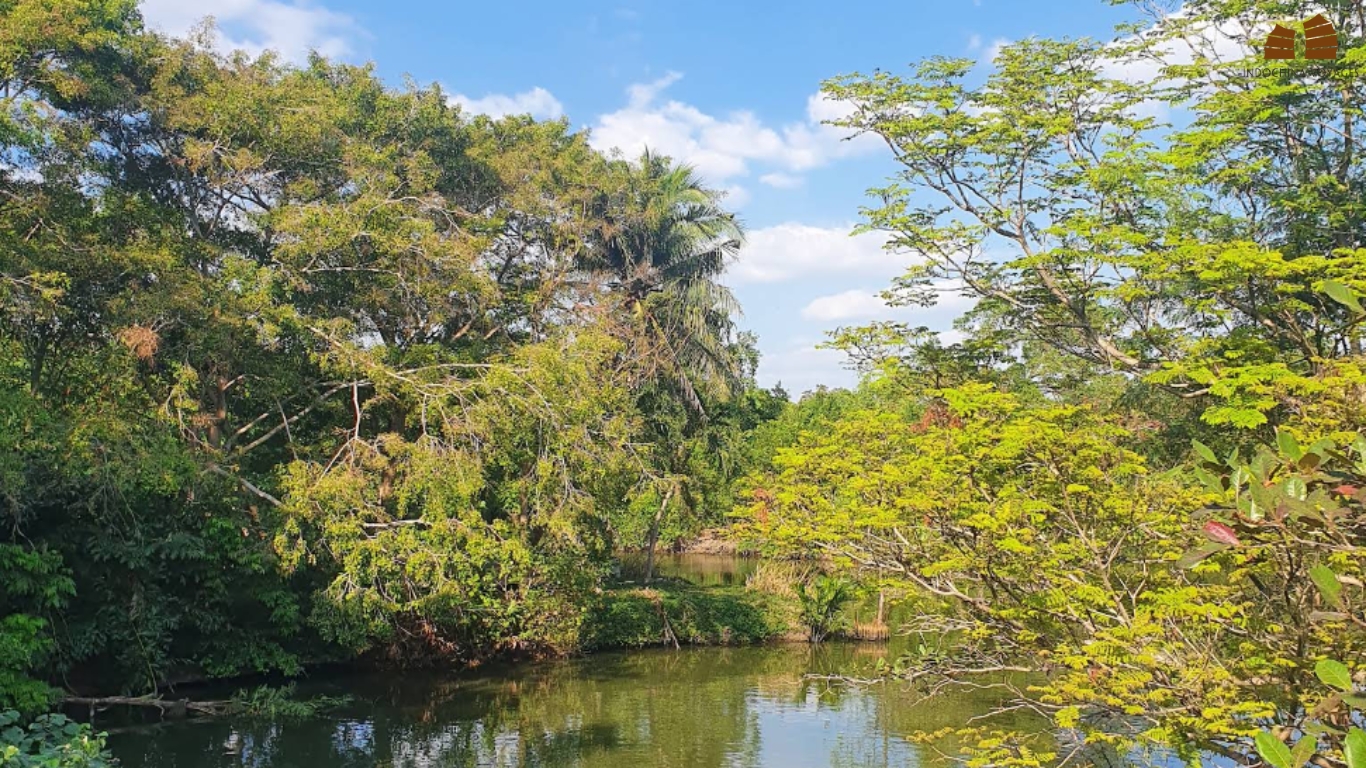
Just across the Chao Phraya River from much of central Bangkok, Bang Krachao is a broad green area that feels far removed from the city’s traffic. The Tourism Authority of Thailand describes it as a nearby escape suited to cycling and nature.
What to do
- Cycle the raised paths through the greenery.
- Visit the Sri Nakhon Khuean Khan Park and Botanical Garden.
- Follow slow riverside lanes and stop for local food.
Who it suits: nature lovers, couples, and anyone needing a break from the city.
Getting there: by boat or ferry across the river, then bike hire on the other side.
A realistic half-day plan
- Take an early ferry across.
- Hire a bike and ride a loop through the green paths.
- Stop at the park and gardens.
- Have lunch at a local spot.
- Return before the afternoon heat.
7. Ko Kret: Island Life and Traditional Pottery
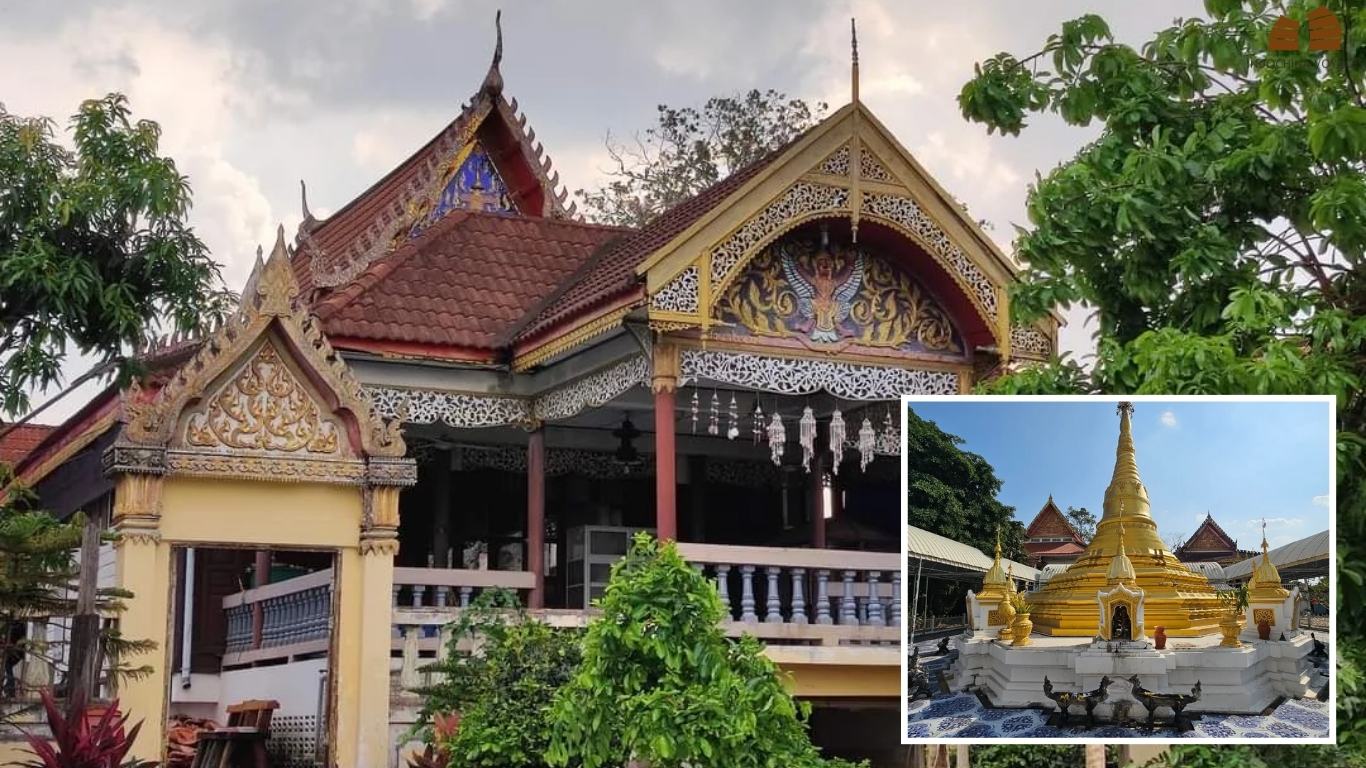
Ko Kret is a small island in the Chao Phraya River in Nonthaburi, known for its pottery-making heritage. It lies further out than the other places in this guide, so it works best as an excursion.
What to do
- Watch pottery being made, or try the craft yourself.
- Walk the village lanes and riverside paths.
- Sample local snacks and small-town food.
- Learn about traditional crafts.
Is it worth the extra time? It adds travel time to your day, so it suits travelers with two or more days in Bangkok. Weekends can be busy, so a weekday visit is calmer.
Good to know
- Getting there: by road to the Nonthaburi riverbank, then a short ferry crossing to the island
- Time needed: half a day
- Best time: weekdays
>>>> Wondering how these stops fit into a longer trip? You can see sample itineraries here.
Part 3: Culture, Food and Evenings
8. Wat Ratchanatdaram and Loha Prasat: A Quieter Alternative
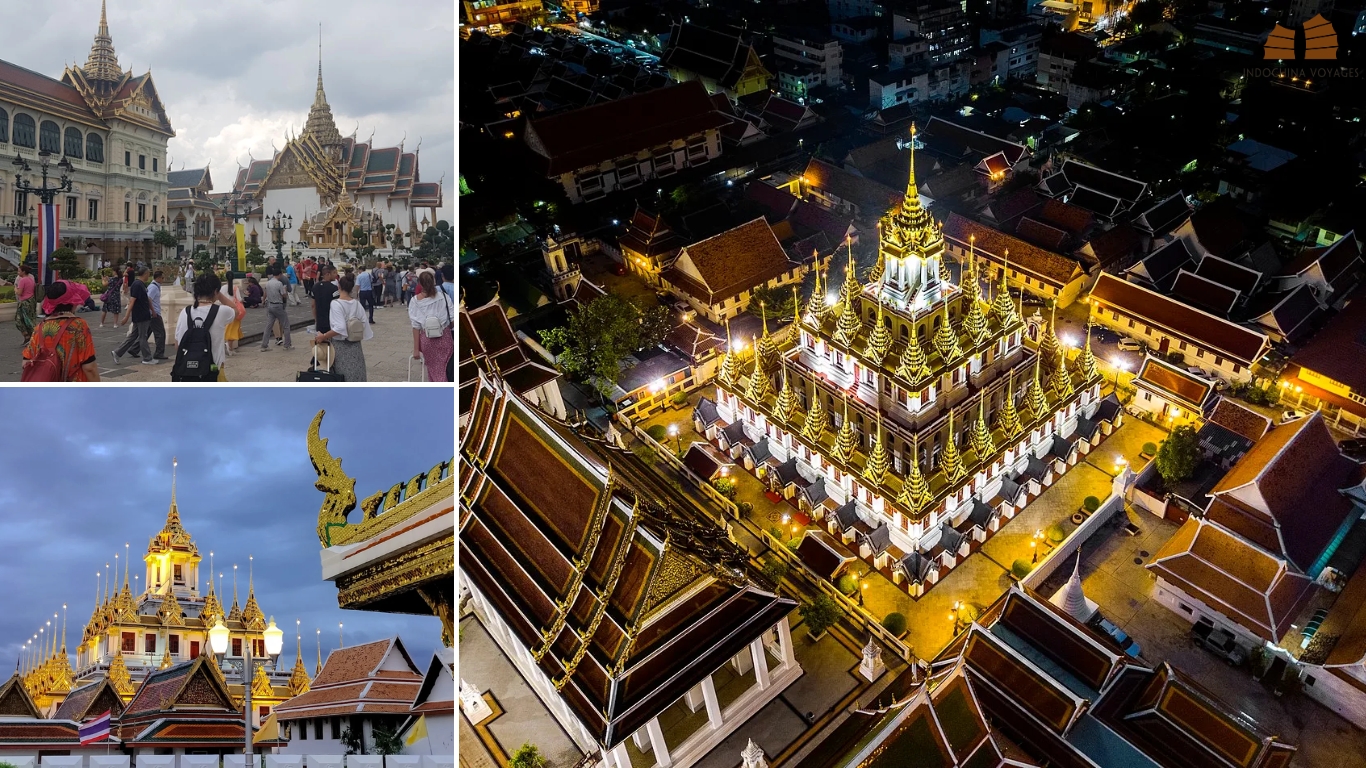
For a different architectural experience from the Grand Palace and Wat Pho, Wat Ratchanatdaram is worth the detour. Its main draw is Loha Prasat, a distinctive structure with a metal spire design that stands apart from the golden roofs seen elsewhere.
It is not a secret, but it tends to be calmer than Bangkok’s busiest temples, which makes it well suited to a more contemplative visit.
Pair it with a walk through the old city. Nearby landmarks such as the Giant Swing and Wat Suthat make natural neighbors. Check current visiting arrangements before you go.
9. Local Food and Café Corners, by Neighborhood
New to Thai street food? Our street food menu for first-time visitors explains what to order.
The best way to eat in these neighborhoods is to let your walk set the pace.
- Talat Noi and Kudeejeen: old-style snacks, small cafés and traditional sweets.
- Thonburi: riverside and canal-side meals, plus relaxed café stops.
- The old town: simple local shops near the temples.
Dishes worth trying
- Mango sticky rice: ripe mango with coconut milk and sticky rice, the classic Thai dessert.
- Som tam (papaya salad): bright, spicy and sour. Ask for a milder version if you are unsure.
- Tom yum goong: a hot-and-sour shrimp soup scented with lemongrass and lime.
- Crab omelet: a simple, well-loved dish found at many local restaurants.
Independent cafés in historic buildings are one of the great pleasures of these areas. Old shophouses and timber homes have been converted into small, characterful spaces that suit a slower pace of travel.
10. An Optional Evening Out
For the larger night markets, read our guide to Bangkok’s night markets.
If you want to extend the day, a night market or a lively local corner is a natural way to end it. Go after sunset, when the heat eases and the stalls come to life, and check opening days before you set out.
Bangkok’s Hidden Gems at a Glance
Here is the whole list in one place. Use it to choose the places that suit your interests and your time, then build your route in the planner below.
| Place | Best for | Time needed | Best time to go | Good to know |
|---|---|---|---|---|
| Talat Noi | Heritage and photography | 2–3 hrs | Morning | Pair with Kudeejeen |
| Kudeejeen | History and traditional sweets | About 1 hr | Late morning | Short river crossing from Talat Noi |
| Haroon Village | Living culture | About 1 hr | Daytime, outside prayer times | Dress modestly |
| Artist House | Creative, slow afternoons | 1.5–2 hrs | Weekdays | Puppet shows by private booking only |
| Thonburi canals | Time on the water | 1.5–2 hrs | Morning or late afternoon | Agree the price first |
| Bang Krachao | Nature and cycling | Half day | Early morning | Go by ferry, rent a bike |
| Ko Kret | Craft and village life | Half day | Weekdays | Extra travel time |
| Wat Ratchanatdaram | Architecture | 45–60 min | Morning | Check current access |
| Local food and cafés | Eating by neighborhood | Built into each visit | Any time | Follow your walk |
| Evening out | A night market wander | 1.5–2 hrs | After sunset | Check opening days |
Times are approximate.
Short on time? Talat Noi and Kudeejeen make an excellent half day. See the itinerary guide below.
Getting Around
Bangkok is easiest to explore with a combination of transport.
- MRT and BTS: fast and air-conditioned for crossing the city.
- River boats: the best way to reach riverside neighborhoods, and a pleasure in themselves.
- Taxis and ride-hailing: useful for places off the rail lines.
- Walking: the best way to experience the neighborhoods themselves.
Tuk-tuks are worth a short ride for the experience, but not as a main way of getting around. Agree on the fare before setting off, and avoid rush hour.
Motorbike taxis are a quick way through traffic and narrow alleys. Wear a helmet, keep rides short, and only ride if you are comfortable doing so.
>>>> Would you rather leave the logistics of boats, ferries and transfers to someone else? Ask about custom Indochina packages built around your route.
How to Plan Your Hidden Gems Itinerary
A good rule is to group places on the same side of the river instead of crossing the city repeatedly. This three-day plan follows that logic, moving from the old riverside quarters to the canals and then to a green escape.
Day 1: Talat Noi and Kudeejeen
- Morning: walk the alleys of Talat Noi, with a coffee stop and, if you have energy, an extension along Song Wat Road.
- Late morning: cross the river to Kudeejeen and visit Santa Cruz Church.
- Afternoon: have lunch nearby, then stroll on to Haroon Village for a quiet walk through its lanes.
- Evening: dine on the Thonburi riverside, or head to a night market if you still have energy.
Day 2: Thonburi’s Canals and Artist House
- Morning: take a long-tail boat through the Thonburi canals, allowing about two hours.
- Midday: stop for lunch at a canal-side spot.
- Afternoon: settle in at Artist House on Khlong Bang Luang for coffee, crafts and the view of the water.
Day 3: A Green Escape and the Old City
Evening: finish with dinner in the old town.
Morning: choose between cycling Bang Krachao and visiting the potters of Ko Kret, both of which take about half a day.
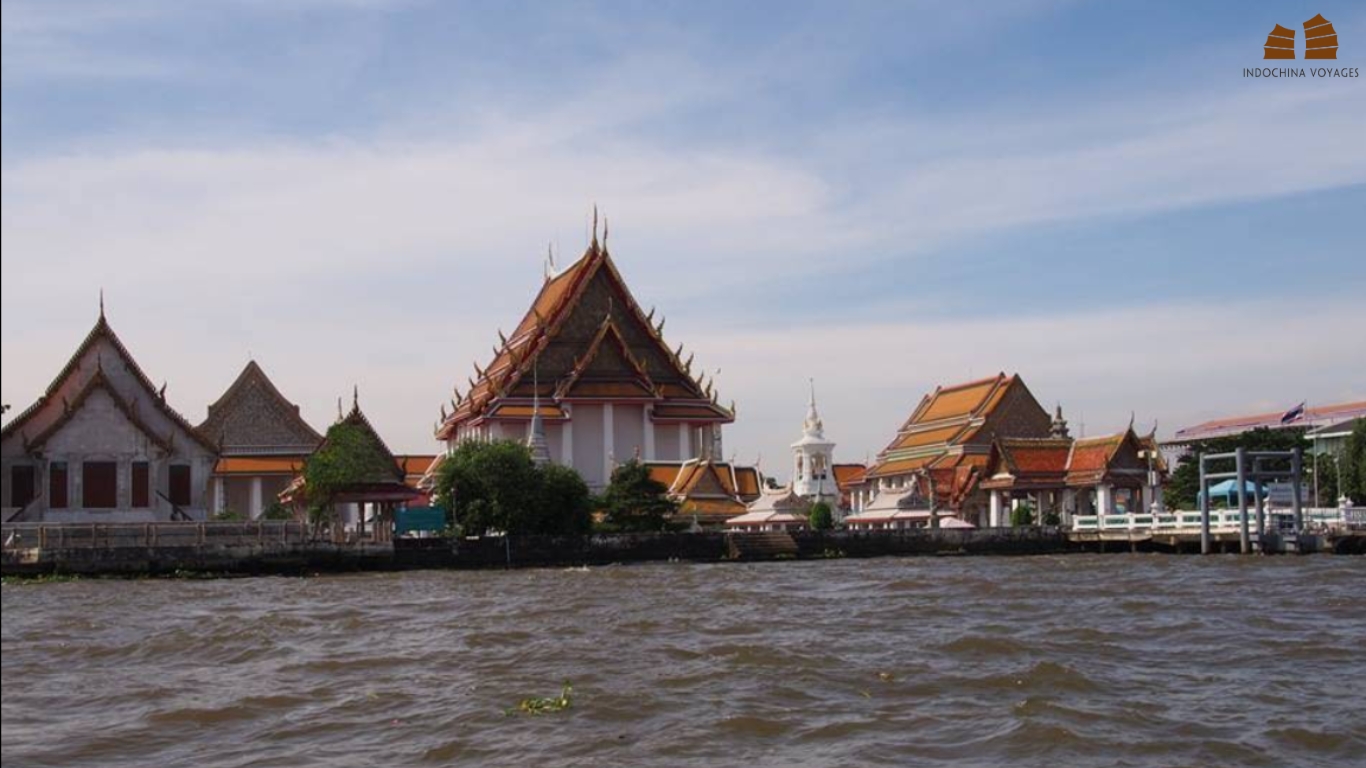
Late afternoon: see Wat Ratchanatdaram and Loha Prasat, then walk through the old city.
- Half a day: Talat Noi, then cross to Kudeejeen.
- One full day: a riverside neighborhood combined with Haroon Village and Artist House.
- Two days: add a Thonburi canal trip and Bang Krachao for a change of pace.
- Three or more days: add Ko Kret and Wat Ratchanatdaram.
>>>> If you would like a guided route in and around Bangkok, these are good starting points:
Practical Tips for Exploring Beyond the Tourist Trail
- Timing: walk early in the morning or in the late afternoon, when it is cooler and the light is better.
- Heat and rain: Bangkok is hot and humid, and rain can arrive suddenly in the wet season. Wear comfortable, sturdy shoes or sandals, carry a light rain layer, and drink plenty of water.
- Etiquette: cover your shoulders and knees at temples and in religious communities, remove shoes where asked, and be respectful of residents.
- Check before you go: confirm venue hours, market days and activity schedules, since smaller places may keep limited opening times.
- When a guide helps: unmarked alleys, language barriers, tight schedules, or boat and transfer logistics are all good reasons to consider a private guide or transfer.
>>>>Not sure which boat, guide or transfer suits your trip? Our team can help you decide.
Beyond Bangkok: Day Trips Worth Knowing
Bangkok is also a springboard for some of central Thailand’s most memorable day trips. Ayutthaya, the former royal capital, rewards a full day among crumbling brick temples and towering prangs, and its ruins are recognized as a UNESCO World Heritage Site. West of the city, two very different market experiences make an equally vivid outing.
A Full Day at the Markets
- Morning: watch Maeklong Railway Market in action. Vendors sell produce right up to the tracks, then fold back their awnings with seconds to spare when a train rolls through, and the whole scene resets as soon as it passes.
- Afternoon: drift through Damnoen Saduak floating market by boat, past canal-side stalls piled with fruit, snacks and handicrafts, and experience the way trade once moved through the waterways of central Thailand.
This guided tour covers both the railway market and the floating market in one outing, with transport arranged:
>>>> Planning the next stop on your trip? These guides can help:
- Bangkok to Kanchanaburi
- How to get from Bangkok to Chiang Mai
- How to get from Bangkok to Koh Samui
- Plan a trip from Bangkok to Siem Reap
- Thailand and Laos itinerary
Frequently Asked Questions
What are the best hidden gems in Bangkok?
Talat Noi, Artist House at Khlong Bang Luang, Haroon Village and Bang Krachao offer different views of Bangkok’s heritage, local communities and quieter surroundings.
How many days do you need to explore Bangkok’s hidden gems?
One day is enough for a neighborhood or two at a relaxed pace. With two days, you can add a canal excursion or a green escape beyond central Bangkok.
What is the best way to explore Bangkok beyond the main tourist attractions?
Combine walking through local neighborhoods with public transport, river boats, or a private guide when useful. Check venue schedules in advance, as smaller cultural attractions may offer limited activities.
When is the best time of year to visit these places?
The cooler, drier months, roughly November to February, are the most comfortable for walking and cycling. Outside those months, plan outdoor activities for the morning and allow for rain.
Are these places suitable for older travelers or those with limited mobility?
Many of them are, but check the details. Narrow, uneven alleys, heat, boat boardings and long walking distances can be tiring. Riverside cafés, Artist House and a guided canal trip are gentler options, while Bang Krachao and Ko Kret involve more transport and walking.
Explore Bangkok Your Way with Indochina Voyages
Bangkok rewards travelers who pair the famous sights with the quieter neighborhoods. At Indochina Voyages, we shape private Thailand itineraries that balance major landmarks with local communities, canals and green escapes, built around your pace and interests. Our team also inspects hotels, transport and guides each year, so the details are checked for you.