Hanoi Old Quarter is the historic heart of the capital, a maze of merchant streets, narrow tube houses, temples, coffee corners and street kitchens where traditional life carries on beside modern cafés and boutique hotels. It sits just north of Hoan Kiem Lake, which makes it easy to combine with the city’s best-known landmark. Whether you have a few hours or a couple of days, this district is one of the best places to understand what Hanoi is really like. This guide covers its history, the best things to do, what to eat and when to go, so you can explore it with confidence as part of your Vietnam tour.
What is Hanoi Old Quarter?
Hanoi Old Quarter is the old commercial district in central Hanoi, bordered by Hoan Kiem Lake to the south and stretching north toward the Red River. It grew up beside the royal citadel of Thang Long, the capital founded in 1010, as artisans and merchants settled nearby to supply the court and the city’s markets. Over many centuries, craftsmen from the same home village or trade gathered on the same street, forming guilds that shaped the area’s layout and its names.
The district changed again during the French colonial period from the late 19th century, when new buildings, wider roads and European-style facades appeared in and around the old streets. Today the Old Quarter is a blend of all these layers: ancient trading streets, colonial-era architecture and busy modern shops, all lived in by local families.

Why is Hanoi Old Quarter called the “36 Streets”?
The nickname “36 Streets” (36 phố phường) does not mean there are exactly 36 streets. Today the area has noticeably more, and sources give different totals. Many historians link the number to the guilds, or trading communities, that once lived here, with each group working in its own craft and clustering on its own street.
The street names are a map of that history. Most begin with Hàng, meaning “goods” or “merchandise”, followed by the product traditionally sold there:
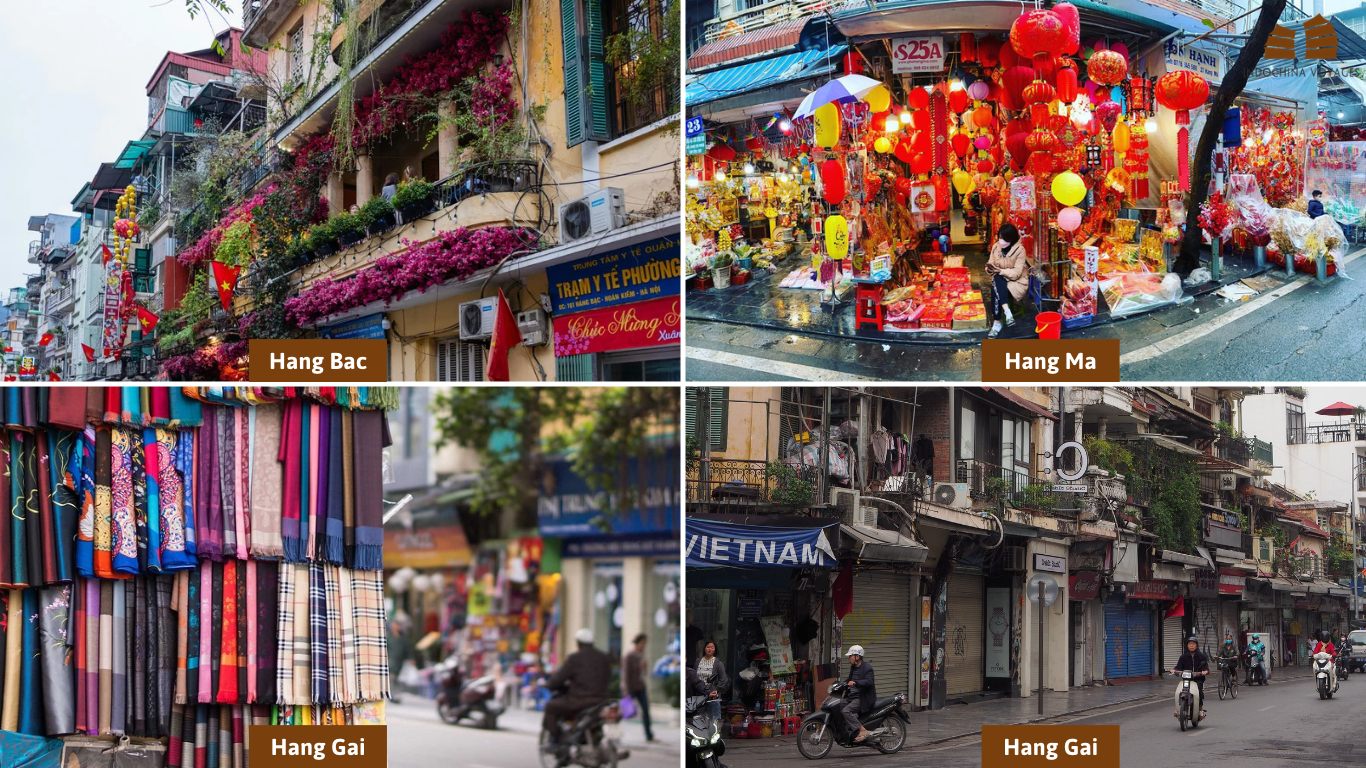
- Hang Bac (Silver Street): silver and jewelry.
- Hang Ma: paper goods, votive items and festival decorations.
- Hang Gai: historically linked with silk and hemp, now known for silk, clothing and souvenirs.
- Hang Dao: historically connected with dyed cloth and textiles, now a busy shopping street.
Not every street still sells its original product. Some trades have faded, but a few streets continue their traditions, and wandering between them is one of the best ways to read the city’s history.
What makes Hanoi Old Quarter special?
Narrow streets and traditional tube houses
The Old Quarter’s streets are narrow and lively, lined with shopfronts that spill onto the pavement. Behind many of those shopfronts are “tube houses”: long, thin buildings with a small frontage and a deep interior that stretches back through rooms, courtyards and stairways.
The design has a practical history. Frontage was historically taxed, so families built narrow and went deep. The ground floor is the shop or workshop, while the family lives behind or above it, and in many homes several generations still share the same building. For visitors, that means the street you walk through is also a neighborhood where people work, eat and raise children.
 A narrow street with shops and vehicles on 2 sides
A neighborhood where old and new meet
The Old Quarter is not an open-air museum. Traditional family shops sit next to stylish cafés, historic buildings stand beside boutique hotels, and residents go about their daily routines among visitors. Tourism has changed some streets, and you will notice more souvenir shops and cafés in the busiest areas. Step a few lanes away, though, and you will find ordinary life: neighbors chatting, vendors selling fruit from bicycles, and families gathering for dinner.
Local tip: The further you walk from the main tourist streets, the more authentic the atmosphere becomes. Take a side lane and see where it leads.
Best things to do in Hanoi Old Quarter
Walk through the historic streets
Walking is the best way to see the Old Quarter. Streets are short and packed with detail, so you can cover a lot of ground at an easy pace. Pick a few streets with different personalities, such as the metalwork and jewelry of Hàng Bạc, the colorful paper goods of Hàng Mã, and the silk and fashion shops of Hàng Gai, rather than trying to see everything.
Explore the old guild streets
Once you know the main names, try a themed walk through some of the lesser known guild streets. Start on Hang Buom, whose name points to the sail makers who once worked here and which sits close to Bach Ma Temple. Continue to Hang Thiec, where tin and metal workshops still hammer and cut goods you can watch being made. Then visit Hang Quat, historically linked with fans and now known for red and gold ceremonial items, banners and altar goods. Finish on Hang Trong, once home to drum makers and now more associated with art shops and photo studios. Each street shows a different way the old trades shaped the neighborhood, so take your time and notice how the shopfronts change from one street to the next.
💡Note: Shops in the Old Quarter change often, so a street may no longer sell the product its name suggests. Opening hours also vary, and many small workshops close early or on certain days. Treat these streets as a guide for wandering, and enjoy whatever you find along the way.
See what still remains of ancient Hanoi
A few places inside and around the Old Quarter hold on to its older character:
- Bạch Mã Temple: one of the district’s oldest temples, with origins traditionally dated to the 11th century.
- Memorial House at 87 Ma May: a preserved Old Quarter house that shows how a merchant family once lived and how the tube-house layout worked.
- O Quan Chuong: the surviving gate of the old Thang Long citadel, standing at the edge of the district.
- Dong Xuan Market: the Old Quarter’s best-known traditional market, long associated with wholesale trade. Check its current opening arrangements before you visit.
Check opening hours before you go, since small heritage sites often have limited times.
Visit Hoan Kiem Lake and Ngoc Son Temple
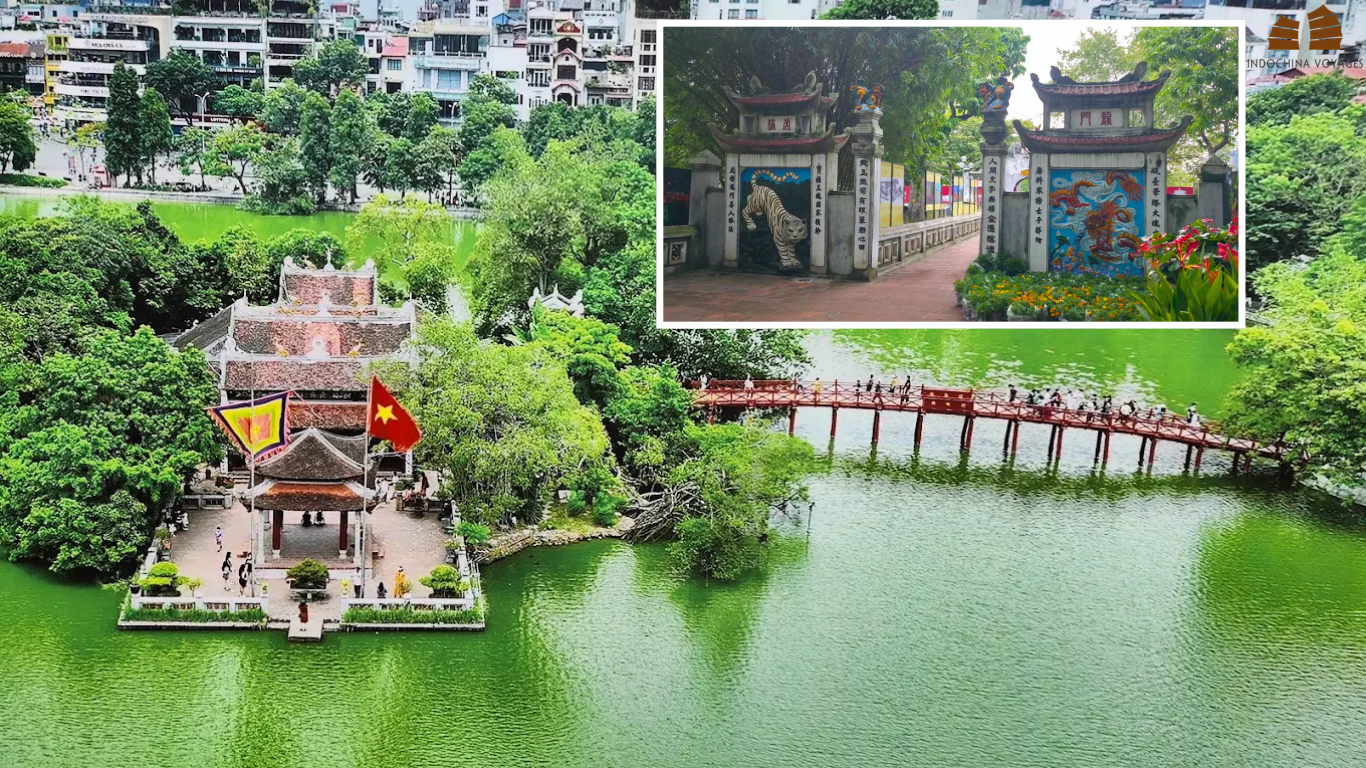
Hoan Kiem Lake is right beside the Old Quarter and makes a natural start or finish to a walk. A path circles the lake, and early morning is especially lovely, when locals exercise, practice tai chi and sip coffee. Cross the red The Huc Bridge to reach Ngoc Son Temple on the small island. On weekends, the streets around the lake become pedestrian areas, so the atmosphere is relaxed and family-friendly.
Discover hidden courtyards and old houses
The quiet side of the Old Quarter is tucked behind the busy fronts. Narrow entrances lead into courtyards, old residential buildings and cafés hidden at the end of long alleys or up steep stairs. The contrast between the noisy street and the calm interior is part of the charm. If you are curious about less obvious places, see our guide to unique things to do in Hanoi.
Join a Hanoi Old Quarter walking or food tour
The Old Quarter is easy to enjoy but harder to understand on your own. A guided walk adds context: which streets are the oldest, what the buildings were used for, and how to navigate the traffic and lanes. Our Hanoi walking tour is a good option for first-time visitors who want the history behind the streets, while the Hanoi street food tour takes you to local eateries and explains each dish along the way.
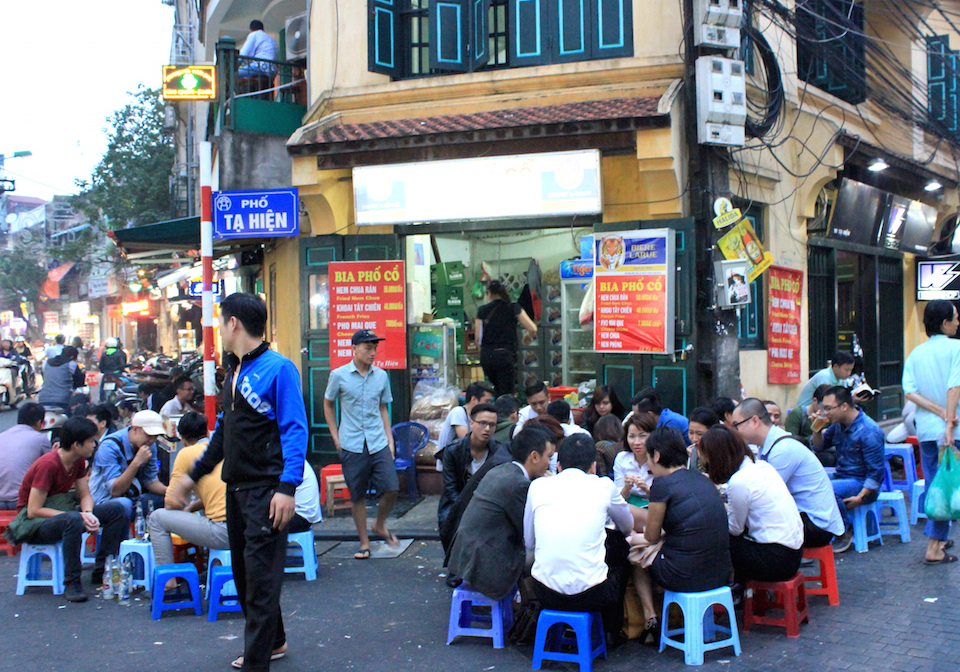
Eating and drinking in Hanoi Old Quarter
Hanoi street food to try
Food is one of the main reasons to spend time here. Rather than trying everything, focus on a few Hanoi classics:
- Pho: beef or chicken noodle soup, a Hanoi breakfast favorite.
- Bun Cha: grilled pork patties served with rice noodles, herbs and dipping sauce.
- Banh cuon: thin steamed rice rolls filled with minced pork and mushrooms.
- Cha ca: turmeric-marinated fish cooked with dill and served with noodles.
- Banh mi: a crisp baguette sandwich with a wide choice of fillings.
- Xoi: sticky rice with sweet or savory toppings, popular as a quick breakfast.
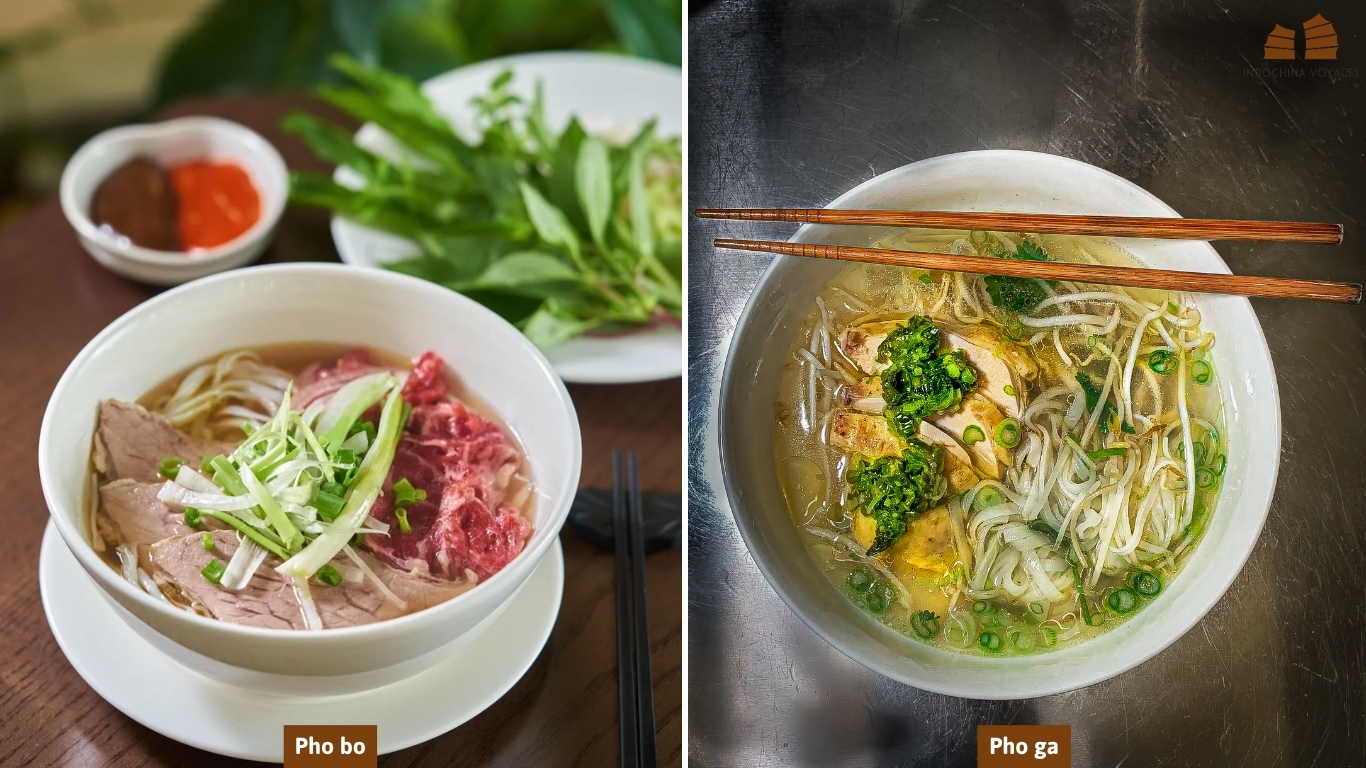
Many of the best places are small stalls or local restaurants with plastic stools and short menus. For more ideas, see our guide to must-try street food in Vietnam or try some breakfast like Hanoians
Experience Hanoi’s coffee culture
Coffee is part of daily life in Hanoi, and you will see sidewalk cafés on almost every corner. Try the classics:
- Vietnamese drip coffee (cà phê phin): strong coffee dripping slowly through a small metal filter.
- Iced coffee with condensed milk (cà phê sữa đá): sweet, rich and refreshing in warm weather.
- Egg coffee (cà phê trứng): a Hanoi specialty topped with a creamy whipped egg foam. Read more in our guide to Vietnamese egg coffee.
Take a seat on a plastic stool on the pavement and watch life pass by, or look for a café tucked inside an old house, where you may climb a narrow staircase to reach a quiet room above the street.

Hanoi Old Quarter after dark
Weekend walking streets
The Old Quarter feels different at night and on weekends. From Friday evening to Sunday, selected streets around Hoan Kiem Lake and the Old Quarter are closed to traffic and become pedestrian areas, with street performances, traditional games, live music and families strolling. Schedules and routes can change, so check the latest information locally before you plan around them.
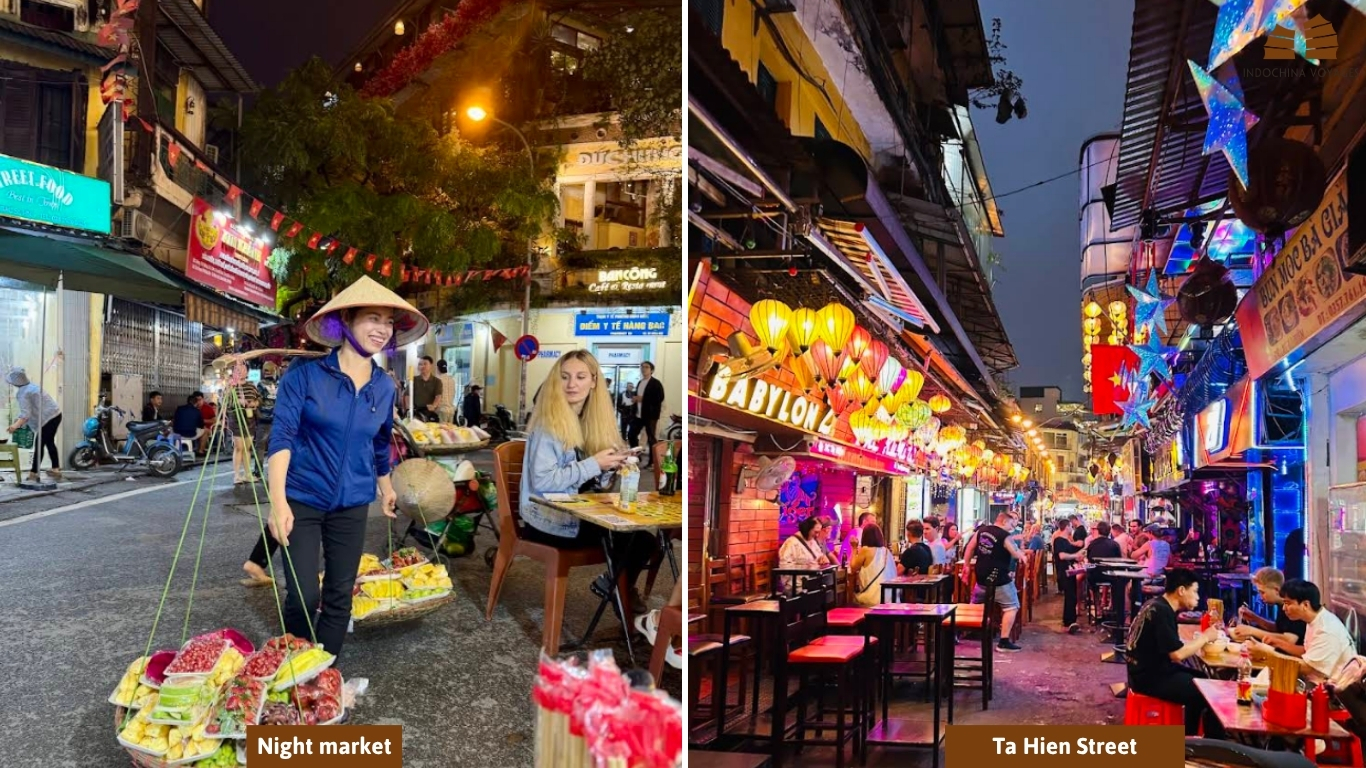
Night Market and Ta Hien Street
These two evening experiences are quite different:
- Hanoi Night Market: open on weekend evenings along Hàng Đào and nearby streets, with souvenirs, clothing, snacks and plenty of browsing.
- Ta Hien Street: a lively street of bars and beer stalls where the crowd is younger and the atmosphere louder, with plenty of people-watching.
Choose the market for a relaxed shopping and snacking evening, or Ta Hien if you want a more energetic night out.
Plan your visit to Hanoi Old Quarter
Best time of day
- Early morning: quieter streets, local routines, breakfast and coffee, and a peaceful walk around Hoan Kiem Lake.
- Late afternoon: cooler and comfortable for sightseeing and photography.
- Evening: street food, markets, bars and weekend pedestrian streets.
Best days and weather
Weekends offer the liveliest atmosphere because of the pedestrian areas and night market. Weather matters too: summers are hot and humid, winters can be cool and gray, and there are rainy periods, so pack accordingly. For month-by-month advice, see our Vietnam travel hints
How to explore
- On foot: best for first-time visitors, photography, food stops and small streets.
- By cyclo: a relaxed, scenic ride that suits people who prefer not to walk much. Agree on the price and route before you start.
- On a guided tour: ideal if you want history and local context without navigating on your own.
A simple half-day route
Hoan Kiem Lake → Ngoc Son Temple → Hàng Bạc → Hàng Mã → Hàng Gai → coffee or food stop → evening market
How long do you need?
- A few hours: Hoan Kiem Lake, several historic streets, a local meal and a coffee.
- One full day: add temples, a food tour, a slower coffee stop and an evening activity.
- Two days: the best choice if you also want the Temple of Literature, the Ho Chi Minh Complex, the French Quarter or quieter local neighborhoods.
Practical tips for visiting Hanoi Old Quarter
- Wear comfortable shoes, since streets are uneven and you will walk a lot.
- Cross roads slowly and steadily, and watch for motorbikes, including on pavements.
- Keep valuables secure in crowded areas.
- Carry small cash for street food and small purchases.
- Check opening hours for temples and historic houses.
- Expect crowds at popular streets and attractions, especially on weekends.
- Respect residential areas and ask permission before photographing people.
- Prepare for hot, humid or rainy weather.
- Don’t assume every street still sells its traditional product.
For more first-visit advice, browse our Vietnam travel guide articles.
Hanoi Old Quarter FAQ
How old is Hanoi Old Quarter?
The area has been a center of trade for many centuries, growing alongside the royal citadel of Thang Long, founded in 1010. Its guild streets developed over time, and the French colonial period added another layer of architecture.
Why is Hanoi Old Quarter called the 36 Streets?
The name is linked to the trade guilds that once settled here, each with its own street. It does not mean there are exactly 36 streets today.
What is the most famous street in Hanoi Old Quarter?
There is no single answer. Hàng Mã is known for colorful decorations, Hàng Bạc for silver, Hàng Gai for silk and souvenirs, and Ta Hien for nightlife.
Is Hanoi Old Quarter worth visiting?
Yes, especially if you enjoy food, architecture, history, local life and exploring on foot.
How much time should I spend in Hanoi Old Quarter?
A few hours gives you a good introduction, while a full day lets you explore at a relaxed pace and enjoy the evening atmosphere.
Is Hanoi Old Quarter safe at night?
It is generally lively and busy in the evening, but normal city precautions apply. Watch for traffic, keep belongings close in crowds and stay aware of your surroundings.
Suggested Vietnam tours including Hanoi
If you would like to combine the Old Quarter with other Vietnam destinations, these itineraries may suit you:
- Vietnam Cultural Highlights 14 Days
- Splendors of Vietnam & Cambodia 17 Days
- Explore all Vietnam tours
Hanoi Old Quarter is a valuable heritage of the past and is facing rapid change. But we all hope that even with the change, its charm will not disappear in the near future.