
Laos welcomes travelers with forested mountains, the winding Mekong River, and a slower pace that feels increasingly rare in Southeast Asia. Bordered by Thailand and Vietnam, with China to the north, Myanmar to the northwest, and Cambodia to the south, Laos has no coastline, yet its landlocked geography is exactly what keeps it feeling wonderfully untouched.
For travelers drawn to authentic, off the beaten track destinations, this is one of the region’s most rewarding countries to explore, provided your trip is timed well. Understanding how Laos weather shifts throughout the year will shape almost everything about your journey, from which regions you visit to how comfortable your days on the road will feel.
Whether you are planning a private Mekong cruise, a trek through the northern hills, or a relaxed cultural tour through Luang Prabang, choosing the right season makes all the difference. Our team put this guide together to help you plan a trip that matches the weather to your travel style, so every day in Laos feels as easy and memorable as it should.
Laos Weather Overview: Two Seasons, One Unforgettable Country
Laos keeps things refreshingly simple when it comes to climate. The country experiences two main seasons rather than four, and once you understand the rhythm between them, planning your trip becomes far easier.
The dry season runs roughly from October to April, while the wet season takes over from May to September. Rainfall peaks in August and September, particularly across southern Laos, where downpours can be heavier and more frequent than in the north. Between March and June, temperatures climb sharply, often reaching 35°C or higher, marking the hottest stretch of the year before the rains bring some relief.
For a quick overview before diving deeper, here is how the year breaks down:
| Season | Months | Temperature Range | Rainfall | Best For |
|---|---|---|---|---|
| Cool and Dry | November to February | 15°C to 27°C (59°F to 81°F) | Low | Sightseeing, private Mekong cruises, trekking |
| Hot and Dry | March to May | 22°C to 38°C+ (72°F to 100°F+) | Very low, hazy in places | Festivals, cultural touring |
| Wet and Green | June to October | 24°C to 34°C (75°F to 93°F) | High | Waterfalls, nature travel, fewer crowds |
Knowing this general pattern is a strong starting point, but Laos weather behaves differently depending on where you are standing, which is exactly what the next sections will help you plan around.
Laos Weather by Season
Each season in Laos brings its own personality, and understanding what to expect will help you decide not just when to travel, but how to shape your itinerary once you arrive.
Cool and Dry Season: November to February
This is widely considered the most comfortable stretch of the year to travel in Laos, and it is easy to see why. Rainfall drops significantly, skies stay clear for days at a time, and daytime temperatures sit in a pleasant, easygoing range. Mornings and evenings in northern Laos can feel genuinely cool, so packing a light layer is worthwhile if your itinerary includes Luang Prabang or the surrounding hills.
Outdoor lovers benefit the most during these months. Trekking conditions are ideal, trails are dry and firm, and river levels remain high enough for scenic boat journeys along the Mekong. Because comfort levels are so consistently high, this period also sees the strongest demand for accommodation and private tours, so booking ahead is highly recommended, especially around December and January.
For travelers exploring Laos for the first time, this window offers the safest, most reliable introduction to the country. Popular stops during these months include:
- Luang Prabang, for temples, night markets, and riverside charm
- Nong Khiaw, for dramatic limestone scenery and quiet trekking routes
- Vang Vieng, for outdoor adventure along the Nam Song River
- Luang Namtha, for community based trekking in the far north
- Vientiane, for a relaxed introduction to Lao culture and cuisine
If you would like a private guide to help you make the most of these cooler months, our specialists can tailor an itinerary built entirely around your pace and interests through our tours.
Hot Season: March to May
Temperatures rise steadily through March, and by April, Laos experiences its hottest weather of the year, with lowland cities like Vientiane regularly climbing well above 35°C. Midday heat can feel intense, so outdoor plans are best scheduled for early morning or late afternoon, while private air conditioned transport becomes especially valuable for longer travel days between destinations.
Agricultural burning also takes place across parts of northern Laos from mid February through April, as farmers clear fields for the coming planting season. This can create a light haze in areas like Luang Prabang, so travelers sensitive to smoke may prefer to focus southern itineraries during this window instead.
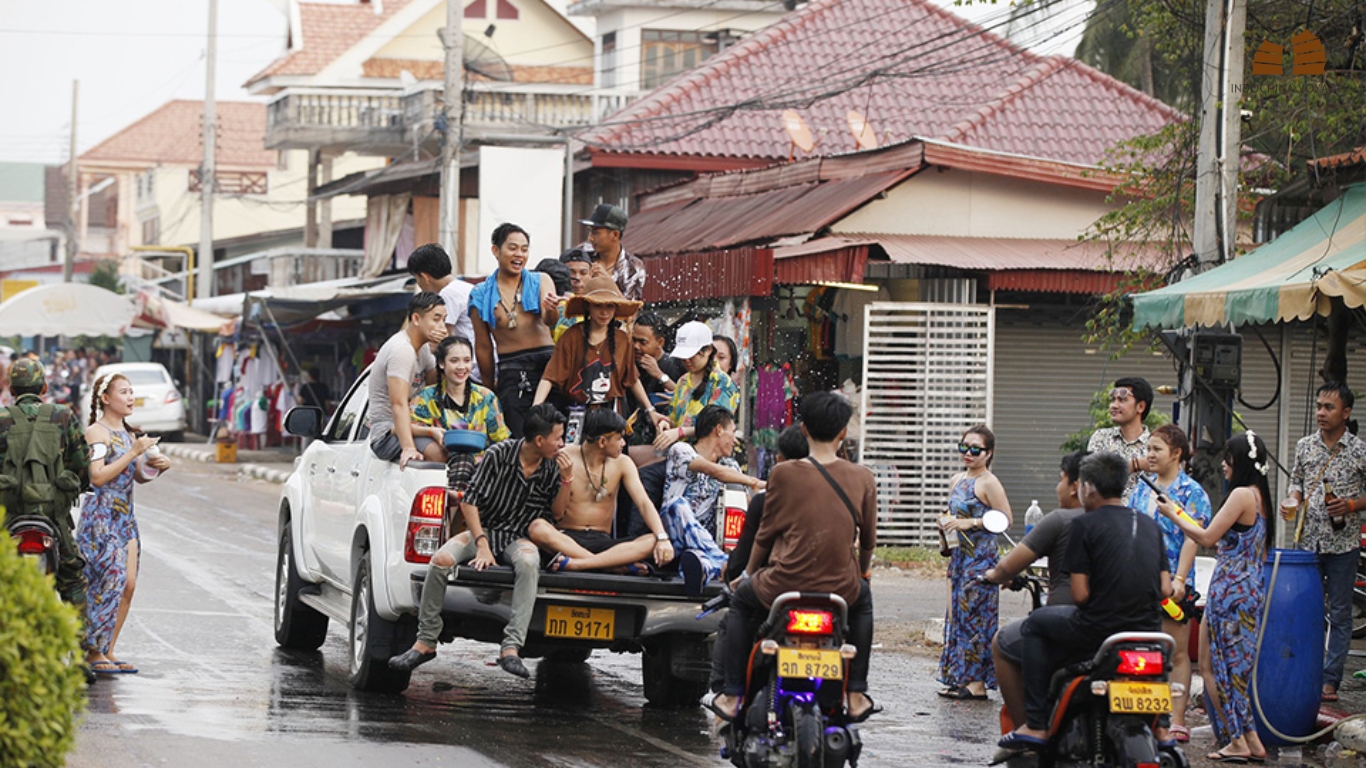
Despite the heat, April holds a special place on the Laos travel calendar because of Pi Mai, the Lao New Year. Streets across the country come alive with music, processions, and joyful water throwing celebrations that turn the heat into part of the fun rather than something to avoid. Pairing the festival with a private cultural tour allows you to enjoy the celebrations while still having quiet, air conditioned breaks between them. To learn more about the traditions behind this festival, our guide on Laos traditions and festivals is worth a read before your trip.
Rainy Season: June to October
Rain during this period rarely means an entire day lost to bad weather. Showers typically arrive in short, heavy bursts, often in the afternoon or evening, while mornings remain clear enough for sightseeing and outdoor plans. This makes the wet season far more travel friendly than many visitors expect.
What truly sets this period apart is the transformation of the landscape. Rice fields turn a vivid green, rivers swell, and waterfalls across the country reach their most powerful and photogenic state. Laos’s official tourism authority also highlights June through September as the peak season for lush scenery, even as humidity and rainfall increase.

A few practical trade-offs are worth keeping in mind. Trekking trails can become muddy, occasional flooding may affect low-lying roads, and leeches are more common in forested areas during this period, particularly in the north. None of these are major obstacles with the right preparation, and a private driver familiar with seasonal road conditions can easily adjust routes as needed to keep your trip running smoothly. For travelers chasing dramatic scenery, fewer crowds, and better value, this season rewards those willing to embrace a little flexibility.
Ready to build a trip around the season that suits you best? Reach out to our travel specialists at info@indochinavoyages.com or explore our full range of Laos tours to get started.
Laos Weather by Region: Why Location Changes Everything
Laos is small on the map, yet its weather can feel remarkably different depending on where your itinerary takes you. Elevation, terrain, and proximity to the Mekong all shape the experience, which is why the best travel advice always accounts for region as much as season.
Northern Laos
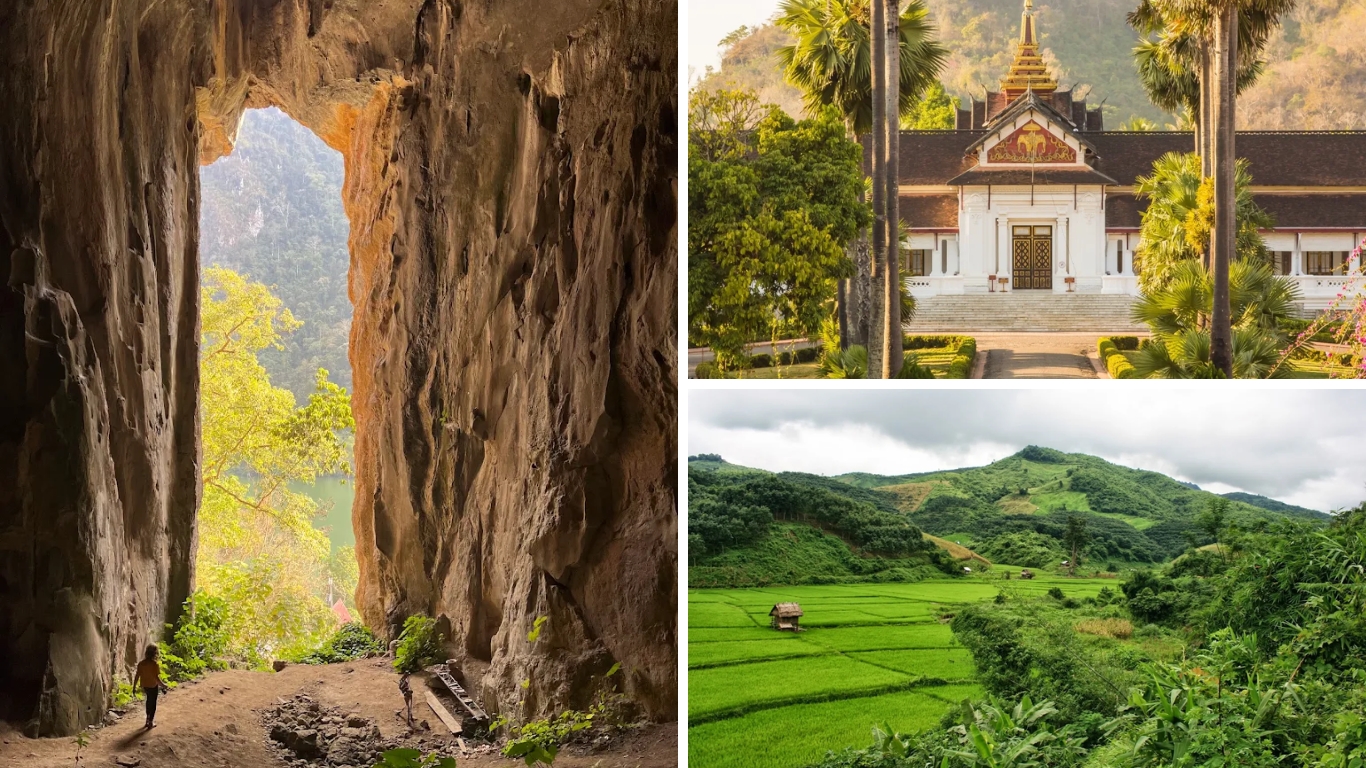
Home to Luang Prabang, Nong Khiaw, and Luang Namtha, the north sits at a higher elevation, which keeps it noticeably cooler than the rest of the country, especially during dry season evenings. It is also the area most affected by seasonal haze from agricultural burning and by muddier trekking conditions once the rains begin, so timing matters more here than anywhere else in Laos. If you are planning time in this region, our guide to things to do in Luang Prabang is a useful next stop.
Central Laos
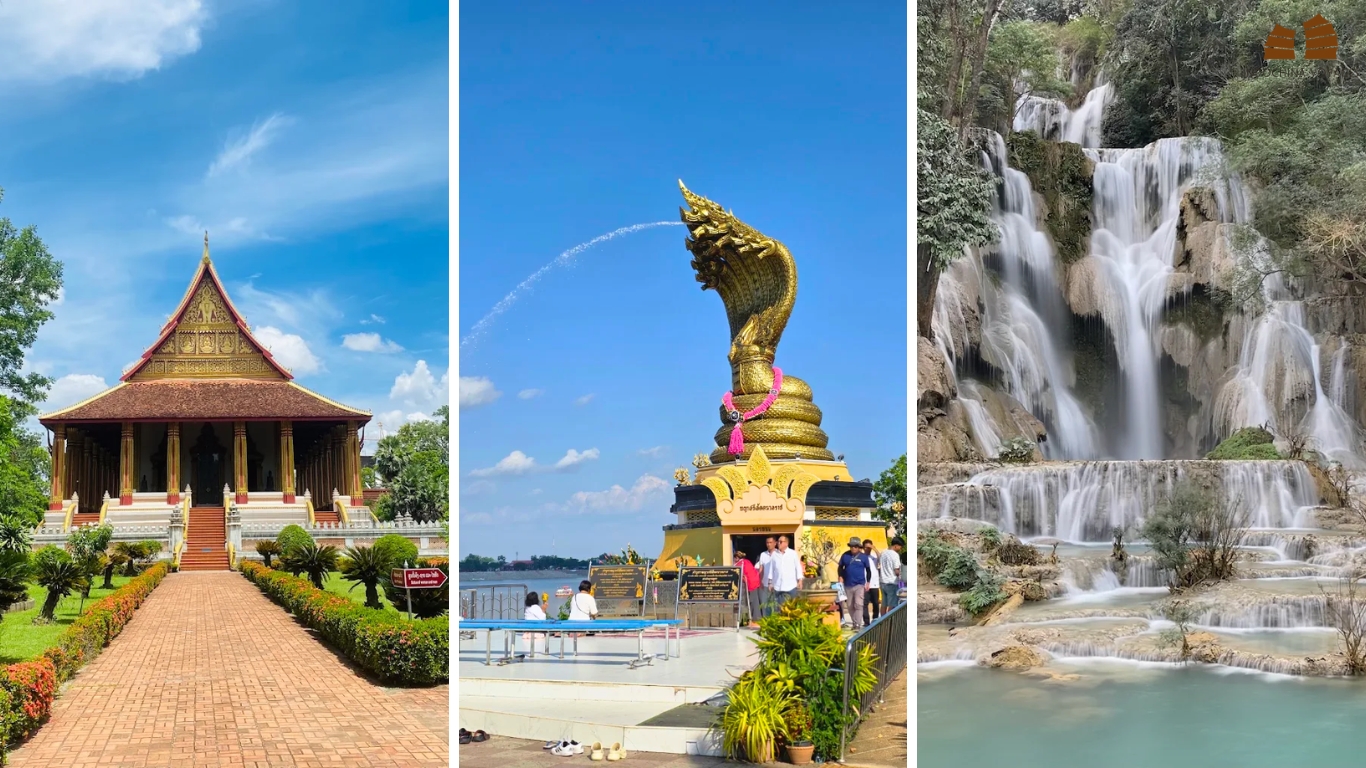
Vientiane, Vang Vieng, and Thakhek tend to run warmer than the north, with the dry season offering excellent conditions for sightseeing and outdoor activity. Hot season heat can feel more intense here due to the lower elevation, while the rainy season transforms the surrounding countryside into a lush, green backdrop for river adventures. Explore more with our guide to Vientiane’s top attractions or our look at Vang Vieng’s outdoor scene.
Southern Laos
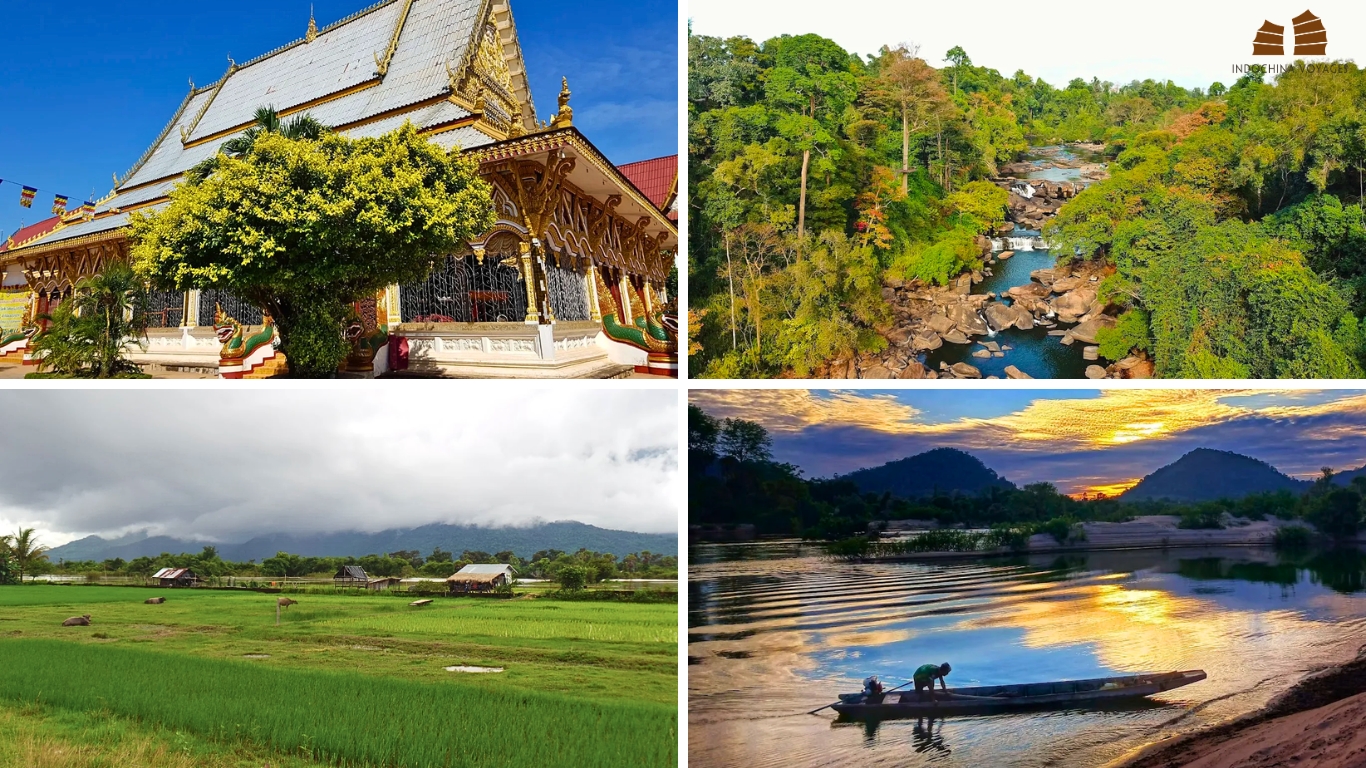
Pakse, the Bolaven Plateau, Champasak, and Si Phan Don stay warm throughout the year and rarely see the haze that affects the north. The wet season is arguably at its finest here, with the Bolaven Plateau’s waterfalls reaching full, thunderous force and the Mekong islands around Si Phan Don shifting dramatically with the changing water levels. Our Southern Laos Adventure private tour is built entirely around these seasonal highlights.
Laos Weather by Month: Your Month by Month Planning Guide
For travelers who like to plan around specifics, here is how each month typically unfolds across the country.
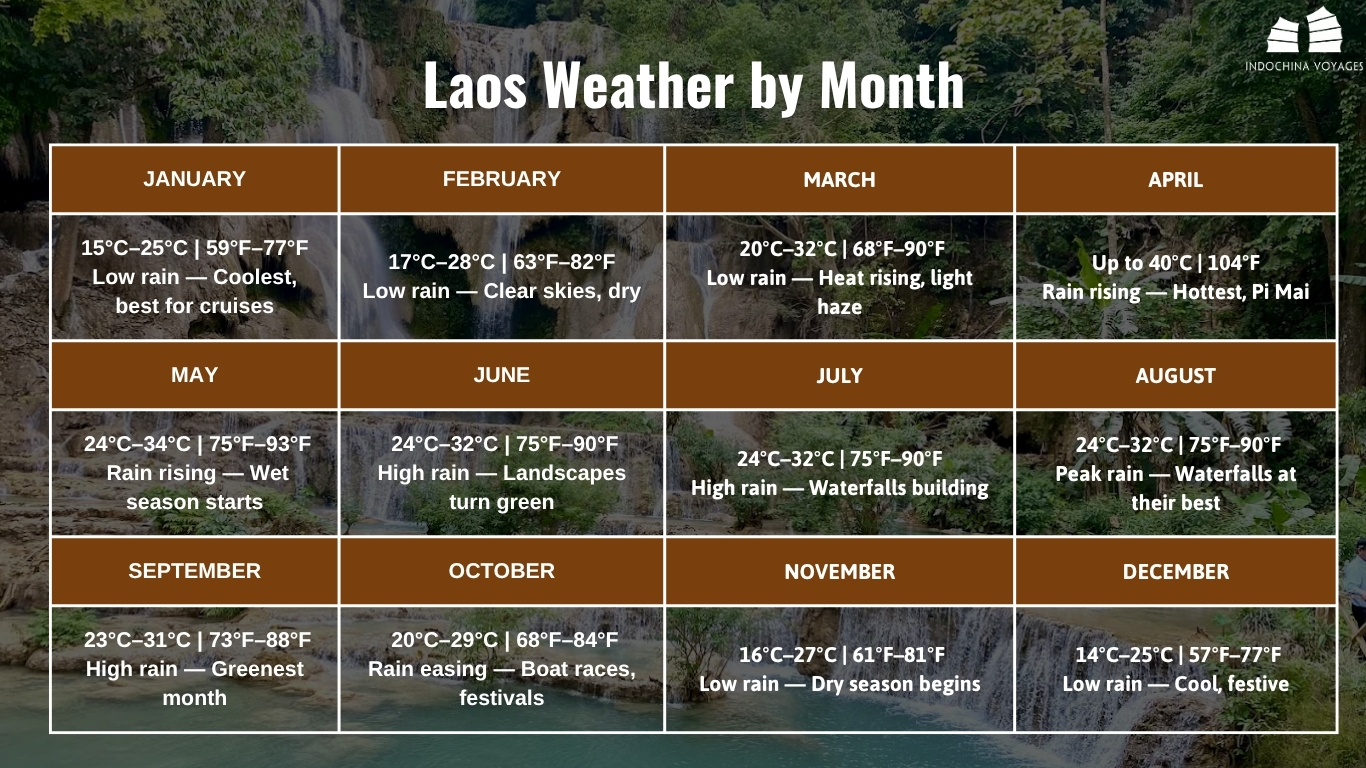
A few highlights worth knowing as you plan:
- January and February bring some of the clearest skies of the year, ideal for river cruises and long days of sightseeing.
- March sees rising heat and the early signs of agricultural haze across the north.
- April is the year’s hottest month, softened by the joyful chaos of Pi Mai celebrations nationwide.
- May marks the shift into the wet season, alongside Boun Bang Fai, the colorful Rocket Festival.
- June to August bring the heaviest rains and the most dramatic waterfalls of the year.
- September offers easing rainfall with landscapes at their greenest.
- October transitions toward drier weather and features Boun Awk Phansa, along with lively boat racing festivals along the Mekong.
- November opens the dry season with That Luang Festival lighting up Vientiane.
- December rounds out the year with reliably cool, dry, festive conditions.
Best Time to Visit Laos by Travel Style
Rather than settling for one blanket answer, it helps to match your travel dates to what you actually want from your trip.
- First time visitors will find November to February the easiest and most reliable window, with comfortable weather, smooth road conditions, and easy access to Laos’s most popular destinations.
- Trekkers and hikers should also aim for November to February, when trails are dry, firm, and far more enjoyable underfoot than during the humid rainy months.
- Waterfall chasers and nature lovers are often better served by June to October, when rivers and falls reach their most powerful and photogenic state.
- Festival seekers should build a trip around April for Pi Mai or look toward regional celebrations like the Boat Racing Festival in October for a more local, immersive experience.
- Travelers hoping to avoid crowds will find the shoulder months and rainy season noticeably quieter, offering a trade off between fewer visitors and slightly less predictable weather.
Ready to Plan Your Laos Trip?
Every season in Laos has something worth traveling for, and the right itinerary depends entirely on what you want your trip to look like. Our team specializes in building private tours around exactly this kind of seasonal planning, whether that means chasing waterfalls in the rainy season or timing a visit around Pi Mai in April.
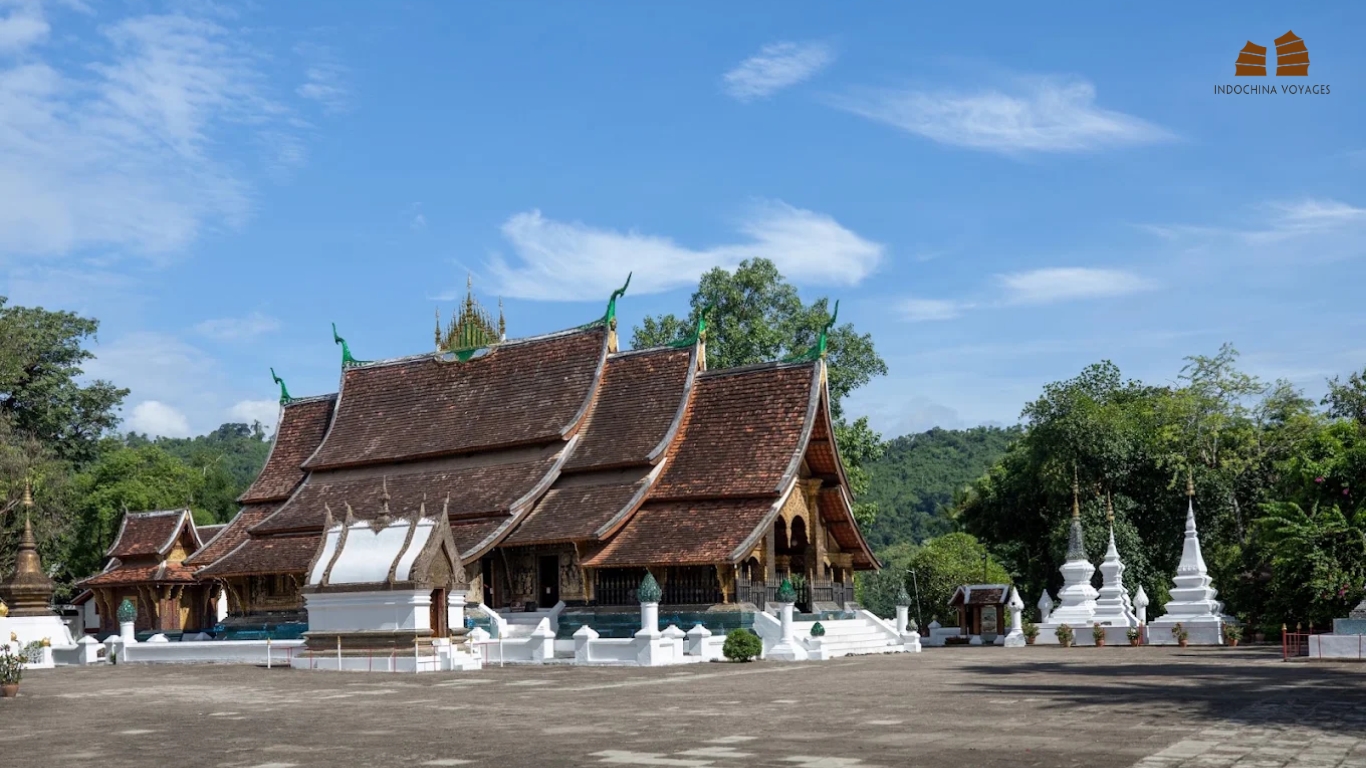
A few private journeys worth exploring:
- Jewels of Laos 13 Days
- The Unseen Laos 10 Days
- Southern Laos Adventure 7 Days
- The Elephant Journey 11 Days
For a fully tailored itinerary built around your ideal season, visit indochinavoyages.com or reach us directly at info@indochinavoyages.com.
What to pack for your trip to Laos?
Packing smart for Laos comes down to matching your bag to the season you are traveling in.
- Cool and dry season (November to February), bring light layers along with a light jacket or fleece for cooler mornings and evenings, particularly in Luang Prabang, Nong Khiaw, and the Bolaven Plateau.
- Hot season (March to May), prioritize breathable clothing, a wide brimmed hat, sunglasses, strong sunscreen, and plenty of water to stay comfortable through the heat of the day.
- Rainy season (June to October), pack a lightweight rain jacket rather than heavy rain gear, along with quick dry clothing, waterproof or strapped sandals, and a dry bag to protect electronics during boat trips or sudden downpours.
Across every season, modest clothing that covers shoulders and knees is essential for temple visits, and insect repellent is worth keeping on hand given the country’s many forests and waterfalls. For a full, detailed packing checklist by season, our guide on what to wear in Laos covers everything in more depth.
How Laos Weather Shapes Your Travel Plans
Weather in Laos does more than set the temperature; it directly influences how smoothly your trip unfolds from one destination to the next.
Trekking
Trekking conditions are best during the cool, dry months, when trails stay firm and visibility is clearest. Once the rains arrive, paths can turn slippery and require more caution, which is where an experienced local guide becomes particularly valuable for choosing safe, scenic routes regardless of season.
River Travel
River travel along the Mekong shifts with the seasons as well. High water levels during the cool season make for smooth, scenic private boat journeys, while the dry season’s lower levels can occasionally limit certain routes. A knowledgeable operator will know exactly which stretches of river are at their best during your travel dates.
Roads and Transportation
Roads across Laos, particularly in mountainous areas, can be affected by heavy rain, with occasional landslides or rutted surfaces slowing down road trips. Traveling with a private driver allows for flexible routing and built in buffer time, so unpredictable weather never derails your itinerary. It is one of the simplest ways to travel through Laos with confidence, no matter which season you choose.
FAQs
What is the best month to visit Laos?
January and February are widely considered the best months, combining dry weather with comfortable temperatures across the country.
What is the rainy season in Laos?
The rainy season runs roughly from June to October, with rainfall varying noticeably by region.
Is Laos hot all year round?
Laos has a tropical climate, so it stays warm throughout the year, though northern areas cool down considerably during winter nights.
Does it rain all day during the wet season?
No, rain usually falls in short, heavy bursts rather than lasting the entire day, often leaving mornings clear.
Is Laos worth visiting in July?
Yes, July rewards travelers with lush landscapes and powerful waterfalls, provided you stay flexible around occasional rain.
What is the coldest month in Laos?
January is generally the coolest month, especially across the northern and mountainous regions.
What is the hottest month in Laos?
April holds the title for the hottest month, with temperatures regularly climbing above 35°C.
When is the best time to trek in Laos?
November through February offers the driest, firmest trails and the most comfortable trekking conditions.
Minh Vu – Travel Specialist