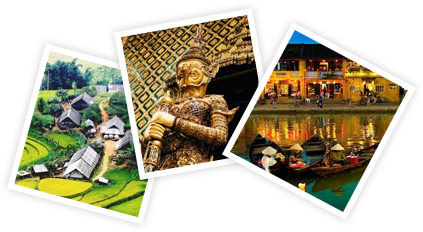

A South Vietnam and Cambodia itinerary works best when it follows the Mekong: from the energy of Ho Chi Minh City, through the waterways of the Delta, to Phnom Penh and the temples around Siem Reap. The right shape for the trip depends on what you value most, whether that is urban history, river life, Angkor, or a slower journey by water. The first planning decision is how to cross between the two countries: by road and air, by Mekong speedboat, or aboard a river cruise. This guide sets out realistic routes for 10 to 14 days, compares the transport options, and covers the season, entry rules and costs that shape the plan. It draws on how the local specialists at Indochina Voyages plan these routes.
South Vietnam and Cambodia Trip Essentials: Route, Season, Border and Costs
These six points shape most decisions on this route, so they are worth settling before you read the day-by-day plan. Each one is covered in more detail further down the page.
| Planning point | What to know |
|---|---|
| Ideal length | 10 to 14 days. Thirteen days allows the Mekong Delta, Phnom Penh and a deeper Angkor visit, while ten days works with fewer optional stops |
| Core route | Ho Chi Minh City, the Mekong Delta, Phnom Penh, then Siem Reap. Ending near Angkor avoids backtracking for travelers flying out from Siem Reap |
| Best months | November to February is the most comfortable period in both countries. March and April are noticeably hotter, and May to October brings rain |
| Ways to cross the border | A flight, the road via the Moc Bai–Bavet crossing, a Mekong speedboat from Chau Doc, or a multi-day river cruise |
| Angkor Pass | US$37 for 1 day, US$62 for 3 days or US$72 for 7 days, sold by the official operator |
| Entry requirements | Vietnam: a visa exemption for some nationalities, otherwise an e-visa at US$25 for up to 90 days. Cambodia: a tourist visa at around US$30. Both depend on your passport |
Prices and entry rules reflect October 2026 and can change, so check the official portals before you book. Travelers who prefer to start elsewhere in the country can browse our Vietnam tours.
How Many Days Do You Need for South Vietnam and Cambodia?
Ten to fourteen days is the most useful planning range for this southern-focused route, although a slower trip can comfortably run longer. The table shows how the days tend to divide.
| Duration | Suggested allocation | Best suited to |
|---|---|---|
| 7–9 days | 3–4 days in Southern Vietnam, 3–5 days in Cambodia | Travelers with limited leave who want the main highlights |
| 10–12 days | 4–5 days in Southern Vietnam, 5–7 days in Cambodia | First-time visitors who want a balanced cultural trip |
| 13–14 days | 5–6 days in Southern Vietnam, 7–8 days in Cambodia | Travelers who want the Mekong Delta, Phnom Penh and a deeper Angkor visit |
| 15–18 days | Extra time for the Delta, Battambang, the countryside or a beach extension | Slower travel beyond the main highlights |
These are planning frameworks rather than fixed allocations. Flight schedules, border transfers and the number of nights spent aboard a cruise will all shift the numbers. Travelers with 17 days to spend can look at Splendors of Vietnam and Cambodia in 17 days, while a shorter southern-only trip is covered by Southern Vietnam Discovery in 6 days. Readers who want to compare lengths side by side can browse Indochina travel packages that already combine both countries.
Four points help when choosing a length:
- Separate sightseeing days from arrival, departure and transfer days, because the transfer days rarely support a full program.
- Plan at least three nights in Siem Reap if Angkor is a major priority.
- Include Battambang on a longer trip, but leave it out of a 10-day plan.
- Treat a river cruise as a replacement for several hotel-based stops rather than an extra activity.
Where to Go in Southern Vietnam and Cambodia
Southern Vietnam offers contemporary city life, food and river culture. Cambodia adds Khmer heritage, royal history and some of the most extensive temple complexes in the world. The contrast between the two is the reason the pairing works. Every stop below can be built into our Indochina tours or reshaped around your own dates.
Ho Chi Minh City: Urban History, Food and Contemporary Vietnam
The city rewards a slow first look: the Reunification Palace, the War Remnants Museum, colonial-era landmarks, busy markets and a street-food scene that deserves its own evening. Two full days suit most first-time visitors, and a third day accommodates the Cu Chi Tunnels. The tunnels and the Cao Dai Temple in Tay Ninh can be combined in a single excursion, although that makes for a long day. For more on neighborhood life, read our guide to Saigon’s alleys.
Expert tip: Avoid scheduling a full excursion straight after an international arrival. Give yourself time to recover from the flight and adjust to the climate.
The Mekong Delta: Waterways, Rural Life and Overnight Stays
The Delta can be a day trip to Ben Tre or My Tho, an overnight around Can Tho, or a longer river journey. Each delivers something different. A floating market is a morning of trade on the water, the smaller canals offer quieter rural scenes, and a countryside stay shows daily life at a gentler rhythm. Floating markets are not equally lively at every hour or in every season. The Delta also serves as a connection point, since the river leads directly toward Cambodia.

Expert tip: Anyone interested in Cai Rang Floating Market should plan an early start from Can Tho. A late-morning visit will not feel the same.
Phnom Penh: Royal Heritage and Recent History
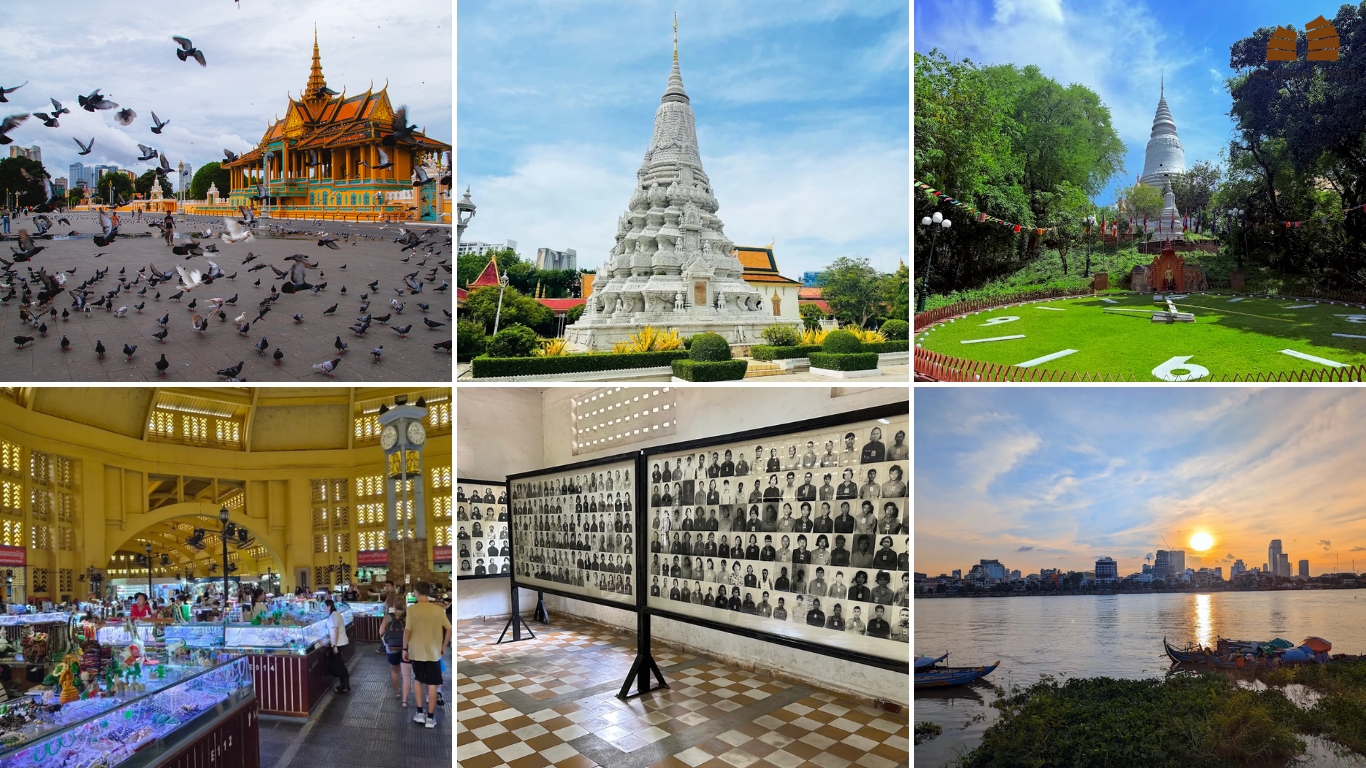
The Royal Palace, the Silver Pagoda and the riverside district give a sense of Cambodia’s royal heritage, while the Tuol Sleng Genocide Museum and the Choeung Ek memorial address its recent past. One or two nights is the right amount, depending on whether you want a guided city tour and time to explore at a comfortable pace. Our guide to unusual things to do in Phnom Penh offers ideas beyond the main sights.
Expert tip: Visits to the genocide museum and memorial sites can be emotionally demanding. Keep them away from an already rushed transfer day.
Siem Reap and Angkor: Ancient Temples and Khmer Civilization
Angkor Wat, Angkor Thom with the Bayon, Ta Prohm and Banteay Srei form the core, with outer temples for those who stay longer. A one-day visit covers the central highlights, whereas two or three days allow a slower pace and the outlying sites. Tonle Sap and the surrounding countryside make good alternatives to adding yet another temple. Distances, heat and early starts all matter, so balance temple days with rest. For ideas beyond the temples, see Siem Reap activities beside Angkor Wat. Travelers drawn mainly to the temples can also look at Cambodia tours that put Angkor first.
Expert tip: Organize the temple circuit geographically. Sunrise at Angkor Wat is rewarding for those who value the experience, but it means an early start and crowds, so it should not be treated as essential.
Should You Add Battambang or a Beach Stay?
These are optional extensions rather than core stops, and each carries a time cost.
- Battambang suits a longer trip with an interest in provincial Cambodia, rural landscapes and local heritage.
- Phu Quoc works as a beach stay, but it fits best before the Cambodia leg rather than after it, because this route ends in Siem Reap.
- Kampot and Kep reward travelers with spare time in southern Cambodia, although they require additional overland travel.
Our guide to reasons to visit Battambang explains its appeal, and the Cambodian extensions can be arranged through custom Indochina packages.
The Best South Vietnam and Cambodia Itinerary for 10 to 14 Days
The route runs from Ho Chi Minh City through the Mekong Delta, then continues into Cambodia and ends in Siem Reap. Finishing in Siem Reap minimizes backtracking for travelers departing internationally from there. For other lengths and starting points, see sample itineraries here.
| Stage | Days | Nights | Base |
|---|---|---|---|
| Ho Chi Minh City and Cu Chi | 1–3 | 3 | Ho Chi Minh City |
| Mekong Delta | 4–5 | 2 | Can Tho, then Chau Doc |
| Phnom Penh | 6–7 | 2 | Phnom Penh |
| Siem Reap and Angkor | 8–12 | 5 | Siem Reap |
| Departure and optional buffer | 13–14 | 0–1 | Siem Reap |
Timings below are indicative and shift with flight schedules, traffic and river conditions.
Ho Chi Minh City and Cu Chi: Arrival, History and Street Life
Arrival and a slow first evening (Day 1). Flights often land in the afternoon or evening, so the first day stays light. After the private transfer to a hotel in the central district, take a short walk through the nearby streets and settle in with an early dinner. Sleeping well matters more than sightseeing on day one.
A full day in the historic center (Day 2). Begin at the Reunification Palace, the building tied to the end of the war in 1975, then continue to the War Remnants Museum, where two hours is a reasonable allowance for exhibits that can be confronting. After lunch, the Notre-Dame Cathedral and the Central Post Office sit close together, and Ben Thanh Market suits the hotter part of the afternoon because it involves browsing rather than long walks. The day closes with a guided food walk through the alleys, and our Saigon alleys guide explains what to expect.

Cu Chi Tunnels, with Cao Dai as an option (Day 3). An early start suits the tunnels, which lie roughly 90 minutes from the city by road in normal traffic. The site shows sections of the wartime tunnel network, concealed entrances and living quarters, and visitors can enter a widened stretch of tunnel if they wish, which is entirely optional for anyone uneasy in confined spaces. Adding the Cao Dai Temple in Tay Ninh brings a colorful religious complex and, usually around midday, a prayer ceremony that visitors can watch from a gallery, although it lengthens the day considerably. The return reaches the hotel by late afternoon, leaving the evening free.
The Mekong Delta: Canals, Orchards and a Floating Market
Out of the city and onto the water (Day 4). The drive south takes a few hours, so a morning departure leaves the afternoon for the Delta itself. Typical stops include a sampan ride along narrow canals, a workshop making local specialties such as coconut candy, and an orchard walk with seasonal fruit tastings, followed by lunch in a garden setting. The journey then continues to Can Tho for the night, where a stroll along the riverfront rounds off the day.

Dawn at Cai Rang and on to Chau Doc (Day 5). Cai Rang Floating Market is at its busiest early, so the boat leaves around first light. Traders sell produce directly from their boats, and breakfast is taken on the water. Phong Dien, a smaller and quieter market, makes a good alternative for those who prefer fewer boats. Afterward the road leads to Chau Doc near the Cambodian border, with time in the afternoon for a local temple or the Tra Su cajuput forest if water levels allow. Speedboat schedules are fixed, so this stage is built around the departure time, and an overnight in Chau Doc puts the group in position for an early start.
Phnom Penh: Royal Heritage and Recent History
A river crossing into Cambodia (Day 6). The speedboat leaves Chau Doc in the morning and follows the Mekong to the border, where immigration formalities are completed before the final stretch to Phnom Penh. Allow most of the morning for the crossing. After check-in the afternoon stays deliberately light: the riverside promenade and the Central Market make an easy first look at the city, and dinner introduces Khmer dishes such as fish amok.
Palace, pagoda and a measured look at the past (Day 7). The morning belongs to the Royal Palace and the Silver Pagoda, with shoulders and knees covered. The afternoon turns to Cambodia’s recent history at the Tuol Sleng Genocide Museum and, for those who wish, the Choeung Ek memorial outside the city. These visits are emotionally demanding, so a guide and a long break between them help. The evening is left free.
Siem Reap and Angkor: Temples, Villages and Slower Hours
Travel to Siem Reap and Explore Angkor (Days 8–9). Travel from Phnom Penh to Siem Reap by road (around five hours, excluding extended stops) or by air, allowing extra time for airport transfers. Spend the evening exploring the night markets or watching a traditional Apsara dance performance. The following day, visit Angkor Wat and Angkor Thom, including the Bayon’s iconic stone faces. Sunrise at Angkor Wat is optional, while a midday break helps you avoid the hottest hours.

Ta Prohm and Banteay Srei (Day 10). Explore Ta Prohm’s tree-covered ruins before visiting Banteay Srei, renowned for its intricate pink sandstone carvings. Banteay Samre and a local village can be added along the way, although the extra driving makes this a full day.
Roluos and the countryside (Day 11). Discover the Roluos Group, associated with the late ninth-century Khmer capital, before exploring nearby villages, rice fields, or a local craft workshop by tuk-tuk or bicycle.
Tonle Sap or a free day (Day 12). Where water levels allow, a boat visit to a floating village on Tonle Sap shows life built around the lake. Other options include a cooking class, a spa afternoon or simply a day by the hotel pool after several full days of sightseeing.
Departure and an optional buffer (Days 13–14). Keep Day 13 flexible for a final stroll and transfer to Siem Reap Angkor International Airport, allowing sufficient time for the journey and check-in. An additional day can accommodate another temple visit, more time in the Mekong Delta, or simply a slower pace.
How to Adapt the Route for 10 Days
Prioritize Ho Chi Minh City, the Mekong Delta, Phnom Penh, and Siem Reap. Reduce time in the countryside and consider skipping the Cu Chi excursion. Avoid adding Battambang unless you are prepared to shorten your stay elsewhere.
An Alternative Route via Battambang
For a route closer to the 13-day Indochina Voyages tour, include Battambang between Phnom Penh and Siem Reap. Highlights include the bamboo train, Phnom Banon, and Wat Ek Phnom. Allow for the additional road transfers when adjusting your schedule.
The full tour keeps these pieces together in one private journey, and it can be adjusted to your dates and pace.
Starting in Hanoi? Add the North Before You Head South
Many journeys open in the capital before flying south to join this route in Ho Chi Minh City. This short film shows four ways to see Hanoi: by cyclo, by jeep, at a water puppet show and over a plate of local snacks. Northern days can be added through custom Indochina packages.
How to Travel from Southern Vietnam to Cambodia
The best connection depends on whether your priority is speed, convenience or the river journey itself.
| Option | Best for | Key consideration |
|---|---|---|
| Flight from Ho Chi Minh City | Travelers with limited time | Compare schedules, baggage rules and airport transfers |
| Overland bus or private transfer | Visitors heading to Phnom Penh | Allow for border processing and road delays |
| Mekong speedboat from Chau Doc | Travelers who want a river crossing | Requires travel to Chau Doc and a suitable departure schedule |
| Multi-day Mekong River cruise | Slow travel and an immersive river journey | Routes, duration, embarkation points and final ports vary |
| Phnom Penh to Siem Reap | Completing the Cambodia leg | Around five hours by road, or a short flight |
Flying from Ho Chi Minh City to Phnom Penh or Siem Reap
Flights are the fastest option, with a flying time of a little over an hour. Remember to factor in airport check-in, transfers at both ends and baggage allowances. Siem Reap is now served by Siem Reap Angkor International Airport, which opened in October 2023 and lies about 45 km from the city. Allow roughly an hour for the onward transfer. As schedules change, check availability for your actual dates. If you would like help, our team can confirm current options.
Traveling Overland Through the Moc Bai–Bavet Border
To travel by road from Ho Chi Minh City to Phnom Penh involves crossing at Moc Bai on the Vietnamese side and Bavet in Cambodia. A private transfer gives you more control over stops and departure times than a shared bus, although both options are subject to immigration procedures. Since nominal driving times exclude border queues, allow most of a day for the journey.
Taking the Mekong Speedboat from Chau Doc to Phnom Penh
For a more scenic border crossing, consider a speedboat journey along the Mekong River between the two countries. This option suits travelers who value the experience as much as the destination. You will need to arrange transport to Chau Doc in advance and confirm departure times for your travel date.
Choosing a Mekong River Cruise from Vietnam to Cambodia
A multi-day cruise differs from the short speedboat connection. A full cruise typically runs about eight days, upstream from Vietnam or downstream from Cambodia. Some itineraries focus on the Delta and Phnom Penh, while others continue toward Siem Reap or connect with a separate land journey. Vessels, routes and departures are presented under Mekong River cruises.
Expert tip: Confirm the embarkation and disembarkation ports before booking hotels or international flights. A cruise described as Vietnam to Cambodia does not necessarily finish in the city where you plan to depart.
Phnom Penh to Siem Reap: Road or Air
The road journey takes around five hours and can be broken up with a stop, such as Kampong Chhnang, or extended with a night in Battambang. A short flight saves time but adds airport transfers, which are longer at the Siem Reap end.
Land Tour or Mekong River Cruise: Which Is Better?
The two formats suit different priorities, and the choice often comes down to flexibility versus a continuous river experience.
| Factor | Land-based itinerary | Mekong River cruise |
|---|---|---|
| Pace | Flexible, shaped by the private itinerary | Structured around the vessel’s schedule |
| Sightseeing | More control over city visits and optional excursions | Tied to the cruise route and scheduled stops |
| Accommodation | Hotels and optional countryside stays | Cabin accommodation aboard, with hotel stays as needed |
| Transport | Flights, road transfers and possibly a speedboat | River travel is the central experience |
| Best fit | Travelers who want control and varied destinations | Travelers who prioritize comfort, scenery and river life |
| Main limitation | More transfers and hotel changes | Less flexibility over daily scheduling |
Choose a land-based tour if you want to explore Ho Chi Minh City, the Mekong Delta, Phnom Penh and Angkor with flexibility. Consider a river cruise if you prefer a leisurely journey and want the Mekong to be part of the trip rather than a border connection. Details such as comfort level and the exact ports depend on the vessel and itinerary, so compare them before booking. Cabin types, routes and departures are laid out on this page.

Best Time to Visit Southern Vietnam and Cambodia
The southern route can be traveled throughout the year, but rainfall, humidity, river conditions and temple-visiting comfort all shape the experience.
| Period | General conditions | Planning advice |
|---|---|---|
| November–February | Generally drier in Southern Vietnam and Cambodia | A popular window for city sightseeing, temples and river journeys |
| March–April | Rising heat, especially around midday | Schedule outdoor activities early and leave time for rest |
| May–October | Rainy-season conditions, varying by location | Allow flexibility for showers and check river or boat conditions |
This is a broad regional overview rather than a daily forecast. River levels peak toward the end of the rainy season, which is why late in the year is often recommended for Mekong cruises and for visiting the Tonle Sap floating villages. For cruises, the operator’s actual route and seasonal schedule matter more than a generic wet or dry label. Our detailed guide to the best time to visit Vietnam and Cambodia covers the seasons in depth. To match a season to a route, explore our Indochina tours.
Visas, Angkor Passes and Costs
Entry Requirements
Requirements depend on passport nationality, visa status and the crossing you use. Vietnam exempts some nationalities from a visa for stays that vary by passport, and many European passports are covered for up to 45 days. Others apply for an e-visa, priced at US$25 for single entry and valid for up to 90 days. Cambodia issues a 30-day tourist visa at around US$30, on arrival or online, and the online version may carry a small processing fee. Check the official government portals for your passport before you travel, because rules and fees change. For a land crossing or river port, confirm that your visa or e-visa is accepted at that specific border, and make sure the entry gate on a Vietnamese e-visa matches the one you use. Indochina Voyages can advise on the border arrangements for your specific route.
Angkor Pass Prices
The Angkor Pass covers the entire archaeological park and costs US$37 for one day, US$62 for three days and US$72 for seven days. A one-day pass does not need a photo, while multi-day passes involve face capture at the ticket office. The three-day pass can be used on non-consecutive days within a set validity window, which suits a temple, rest, temple pattern. Buy passes only from the official operator.
What Shapes the Budget
Costs depend on the transfer type (private or shared), whether you choose a land route or a cruise, hotel category, and the season. December and January are the busiest months and tend to be the most expensive. Tour pricing also varies with group size and the level of private guiding. For a tailored quote, custom Indochina packages can be priced around your dates and preferences.
Practical Tips for Planning Your Journey
Currency and Everyday Payments
Vietnam uses the dong, and Cambodia uses the riel. Cash is useful for markets, small purchases and rural areas. US dollars are widely used in Cambodia, though acceptance and banknote condition requirements can vary, so carry clean notes in small denominations. Check card fees and cash access with your bank before departure.
Hotels, Transfers and Luggage
Allow generous time between connections, and check luggage limits for flights and cruise vessels. Arrange airport transfers around the actual arrival airport, particularly in Siem Reap where the airport lies well outside the city. Choose hotels that cut down on travel between sightseeing areas. Our travel hints and booking guide cover further logistics, and our article on medical and insurance is worth reading before you finalize cover.
Pace, Heat and Temple Etiquette
Avoid full sightseeing days straight after overnight travel. Plan temple visits around the heat, and include breaks during long city tours and archaeological visits. Shoulders and knees should be covered at temples, pagodas and palaces. For travelers with mobility considerations, confirm the actual walking distances and accessibility of each excursion rather than relying on general descriptions.
Who This Route Suits
Couples and honeymooners often favor a slower pace, with a private cruise stage and unhurried time in Siem Reap. Families with teenagers tend to enjoy the Cu Chi Tunnels, a cooking class and exploring Angkor by bicycle or tuk-tuk. Multigenerational groups benefit from fewer transfers and flights over long drives. Travelers with a strong interest in history will value Ho Chi Minh City’s museums, Phnom Penh and Battambang. Our family holidays section has more ideas. For a ready-made starting point, compare Indochina travel packages built for each of these traveler types.
Frequently Asked Questions About a South Vietnam and Cambodia Itinerary
—
Whether you prefer a private journey through Southern Vietnam and Cambodia or a leisurely Mekong River cruise, the best itinerary depends on your travel dates, interests, preferred pace, and the experiences you want to prioritize. Indochina Voyages can help you arrange a personalized journey, from accommodation and transportation to guided sightseeing and time to explore at your own pace.
If you would like to refine your route or combine destinations in a way that suits your plans, contact our local travel specialists or email info@indochinavoyages.com to discuss your trip.
Thuy Dang – From Indochina Voyages Team