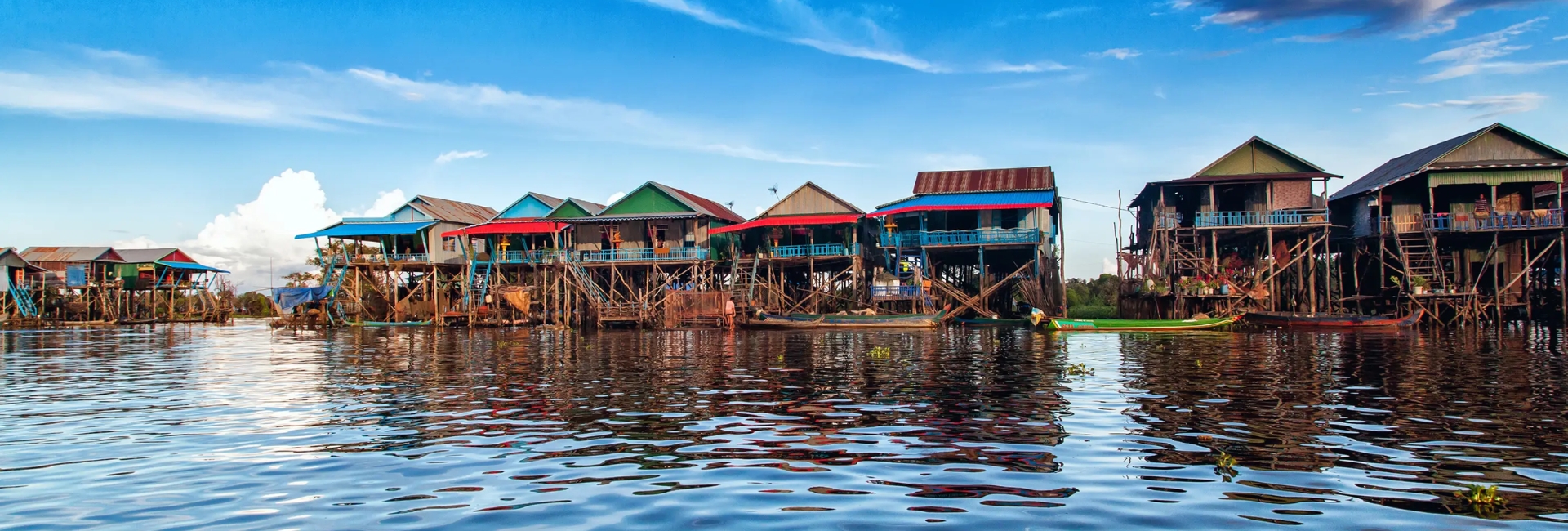
August in Cambodia means warm temperatures around 30-33°C, predictable afternoon rain showers, and dramatically fewer crowds at major sites like Angkor Wat. It sits squarely in the wet season, but that is not a reason to skip it. This guide covers exactly what to expect: daily weather patterns, the best destinations for August, how much you will save, what to pack, and the local experiences you can only have during the green season.
What is the Weather in August in Cambodia Like?
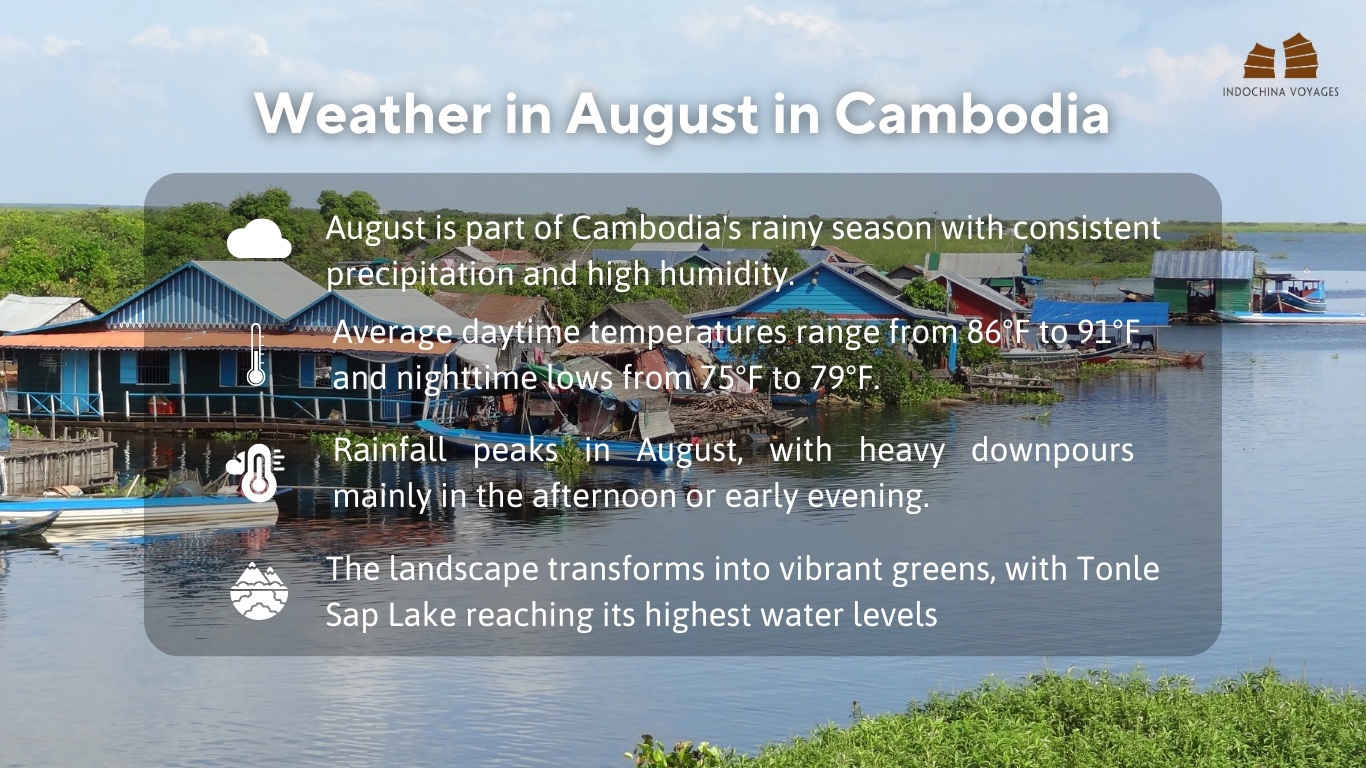
August falls within Cambodia’s rainy season (May to October), bringing consistent rainfall, high humidity, and a lush tropical landscape across the entire country.
Here is a quick overview of August weather conditions:
| Weather Factor | Details |
|---|---|
| Daytime high | 30°C – 33°C (86°F – 91°F) |
| Nighttime low | 24°C – 26°C (75°F – 79°F) |
| Average rainfall | 230-260 mm for the month |
| Rainy days | Approximately 15 days |
| Humidity | 80-90% |
| Daily sunshine | Around 6 hours |
| UV index | High, sun protection required |
The good news for travelers is that August rain follows a reliable daily pattern rather than lasting all day:
- Mornings are typically clear and sunny, ideal for outdoor sightseeing
- Cloud cover builds through late morning and early afternoon
- Heavy downpours usually arrive in the mid-to-late afternoon or early evening
- Evenings often clear again after the rain passes
This pattern gives you a workable window every day for temple visits, boat trips, and outdoor exploration, provided you plan your schedule around it.
How does August compare to surrounding months?
| Month | Rainfall | Crowds | Prices |
|---|---|---|---|
| June | Moderate | Low | Low |
| July | Heavy | Low | Low |
| August | Heavy | Low | Low |
| September | Very Heavy | Very Low | Very Low |
| October | Peak Rainfall | Very Low | Very Low |
August is not the wettest month – October holds that record. Rain showers in August tend to be intense but short, and the landscape is at its most vibrant and green.creates a typical tropical atmosphere that characterizes Cambodia during the wet season.
Is August a Good Time to Visit Cambodia?
Yes, with the right expectations. August is a strong choice for travelers who want to:
- Explore Angkor Wat and other temples with minimal crowds
- Save 30-50% on accommodation and tours compared to peak season
- See the Tonle Sap Lake and Mekong at their highest and most dramatic
- Experience authentic Cambodian life away from mass tourism
It is not ideal for beach holidays (rough seas affect the southern coast) or travelers with no flexibility in their schedule. If dry, sunny weather is your priority, plan for November to February instead.he rain typically follows predictable patterns, allowing you to plan daily activities around the weather. If you prefer completely dry conditions for exploring temples or want beach weather, the November-February period might better suit your needs.
>> Read more: Should I Go to Cambodia in July? Weather and Where to Go
Where to Go in Cambodia in August?
The monsoon season transforms Cambodia into a lush paradise, with each destination offering unique experiences during August. Despite the rain, most major attractions remain accessible, and the dramatic skies can enhance the visual appeal of Cambodia’s historic sites.
Tonle Sap Lake
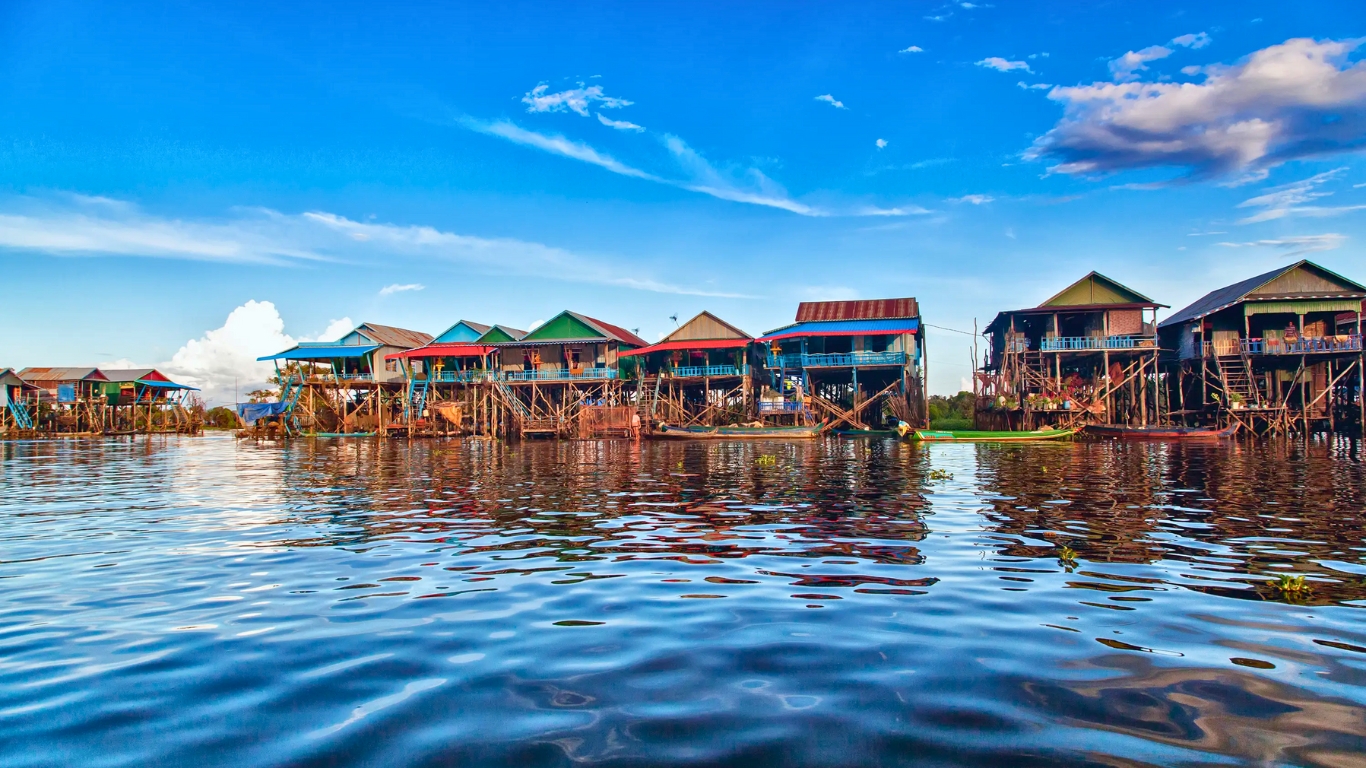
The Tonle Sap Lake reaches its maximum size during August, making it one of the most fascinating times to visit this ecological wonder. As Cambodia’s largest freshwater lake, the Tonle Sap undergoes a remarkable transformation during the rainy season when the water level rises dramatically.
Visiting the Tonle Sap in August offers unique experiences:
- Boat trips to floating villages become more immersive as houses are fully surrounded by water
- The flooded forests create magical waterscapes that can only be seen during the wet season
- Birdwatching opportunities improve as migratory birds thrive in this ecosystem
- Local fishing activities and daily life on the water can be observed in their most authentic form
The high water levels in August create an atmosphere reminiscent of a water world, where entire communities adapt to life on the rising waters. From Siem Reap, you can easily arrange boat tours to villages like Chong Khneas, Kampong Phluk, or Kampong Khleang, each offering a different glimpse into this remarkable way of life.
Kampot
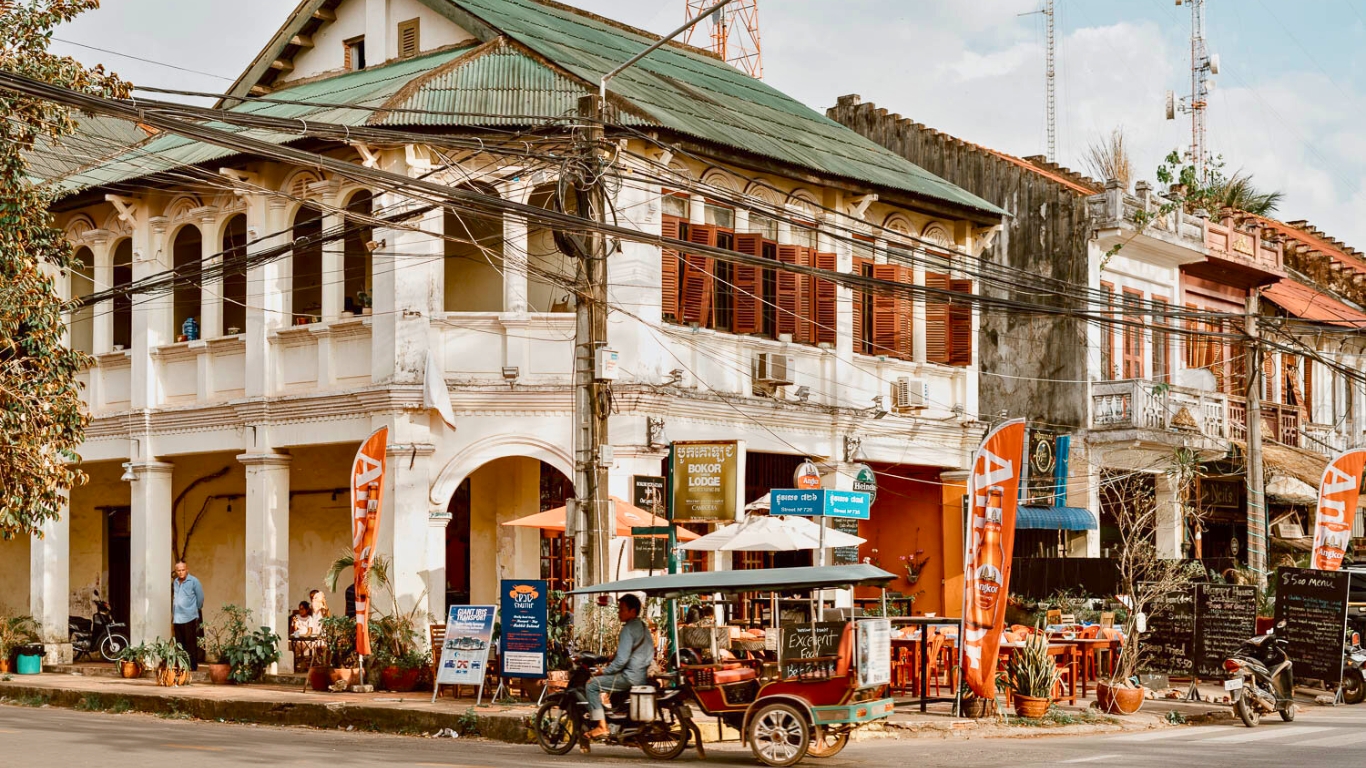
Kampot, with its riverside charm and colonial architecture, offers a relaxed atmosphere even during the rainy season. In August, Kampot receives some of the heaviest rainfall in Cambodia (around 16 inches for the month), but the precipitation transforms this region into a spectacle of natural beauty.
Despite the rain, Kampot remains a worthwhile destination in August for several reasons:
- The surrounding countryside becomes incredibly lush, with the pepper plantations that made the region famous thriving in the wet conditions
- The Bokor Mountain National Park takes on a mystical quality when shrouded in mist and clouds
- The Kampot River swells to its fullest, making river cruises particularly scenic
- The famous Kampot pepper farms are at their most vibrant during this growing season
August in Kampot typically sees average temperatures between 75°F-86°F (24°C-30°C), with mornings often clear enough to explore the town before afternoon showers arrive. The colonial architecture of the town center, with its pastel-colored buildings, stands out beautifully against dramatic storm clouds, creating perfect photography opportunities.
Phnom Penh
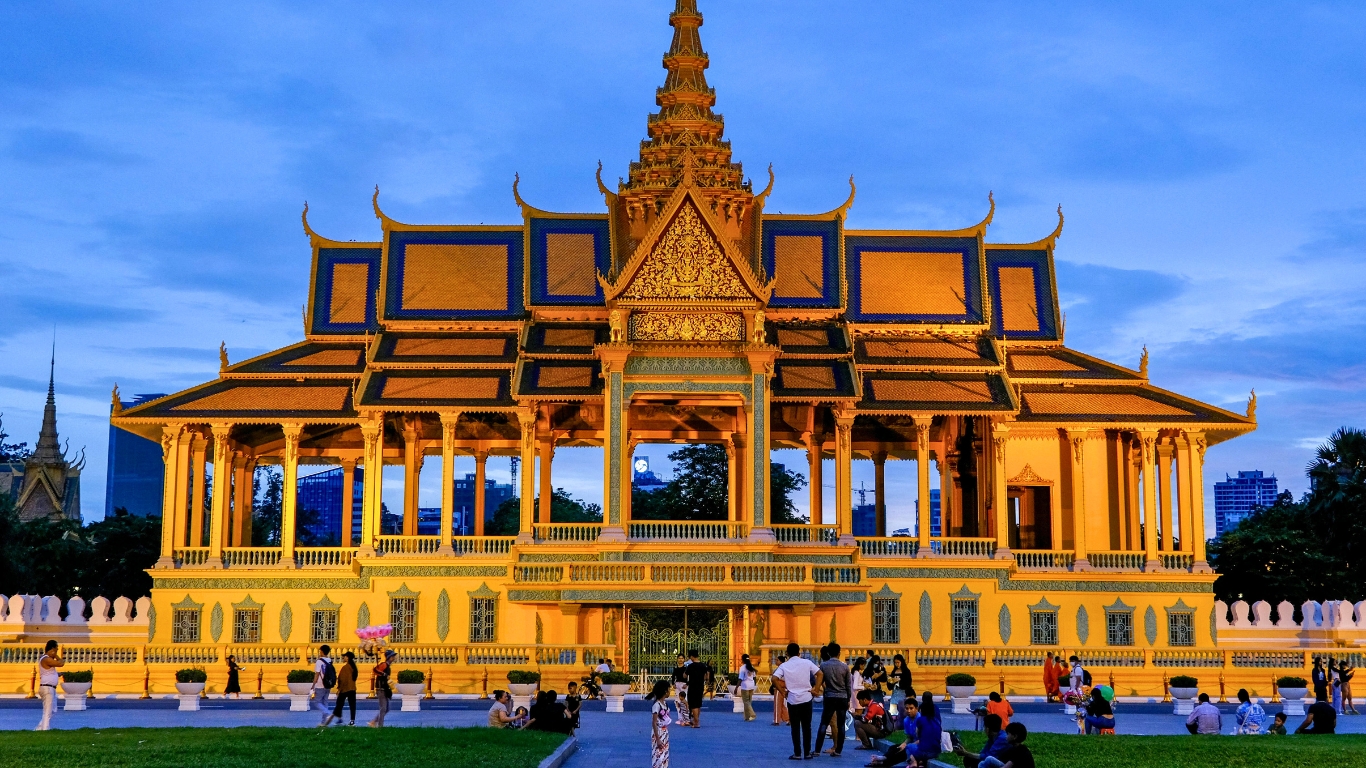
As Cambodia’s capital, Phnom Penh maintains its vibrancy throughout the rainy season. August brings regular afternoon downpours to the city, but mornings and evenings are often clear, providing ample time to explore its cultural and historical sites.
In August, Phnom Penh experiences average temperatures of 76°F-90°F (24°C-32°C) with high humidity, but the city offers many advantages during this time:
- The Royal Palace and Silver Pagoda shine brilliantly against the changing skies
- Museums like the National Museum and the sobering Tuol Sleng Genocide Museum provide indoor activities during rain showers
- The city’s riverside area becomes especially atmospheric after rainfall, with cooling breezes from the swollen Mekong River
- Local markets bustle with activity selling seasonal fruits and produce unique to the wet season
Phnom Penh’s location at the confluence of the Mekong, Bassac, and Tonle Sap rivers means that waterways are at their most impressive during August, creating beautiful scenes along the riverside promenades. Evening river cruises offer spectacular views of the city skyline, especially during sunset after the typical afternoon showers have cleared.
Battambang
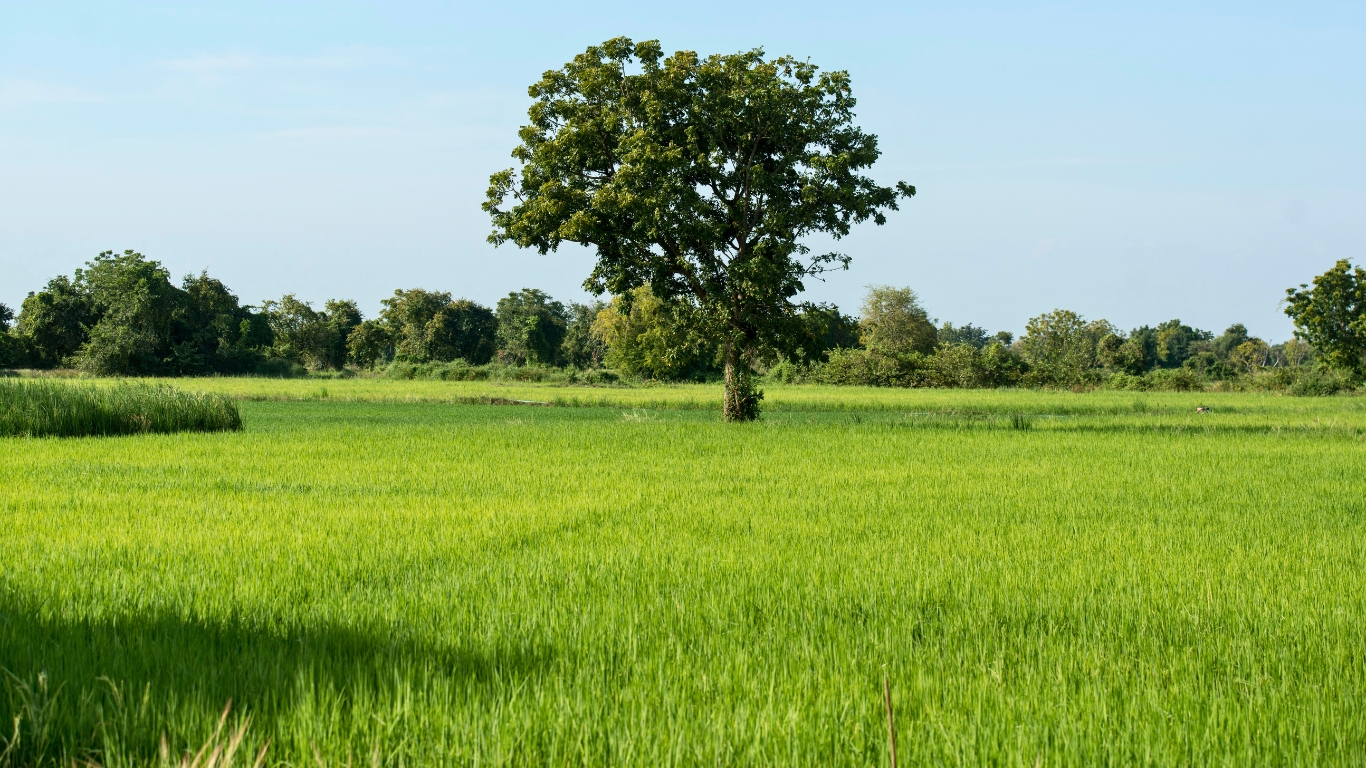
Battambang, Cambodia’s second-largest city, offers a more authentic glimpse into Cambodian life away from the major tourist centers. In August, Battambang receives significant rainfall (around 10 inches for the month), but the precipitation transforms the surrounding countryside into a painter’s palette of greens.
August in Battambang presents several unique attractions:
- The famous bamboo train (“norry”) runs through the countryside at its most verdant
- The surrounding rice fields become mirror-like reflecting pools after rainfall
- Ancient temples like Wat Ek Phnom and Phnom Sampeau take on a mystical quality when set against dramatic skies
- The Sangker River, which flows through the city, reaches its highest levels, creating beautiful riverscapes
With temperatures ranging from 76°F-90°F (24°C-32°C), Battambang’s August weather follows the typical pattern of morning clearness followed by afternoon showers. The city’s French colonial architecture creates a charming atmosphere, and the slower pace of life allows visitors to experience authentic Cambodia away from larger tourist crowds.
Cost & Crowd
August falls squarely within Cambodia’s low season, which significantly impacts both visitor numbers and pricing throughout the country. For budget-conscious travelers, this presents a compelling opportunity to experience Cambodia’s wonders at a fraction of the high-season cost.
Cost advantages in August:
- Accommodation prices can drop by 30-50% compared to peak season
- Many hotels offer special promotions, upgrades, or complimentary services
- Tour operators and guides often negotiate lower rates for excursions
- Some restaurants offer special rainy season menus or discounts to attract customers
- Entrance fees to attractions remain the same, but the overall trip budget stretches further
The significant reduction in tourist numbers also creates a different experience at Cambodia’s major attractions:
- Angkor Wat and the surrounding temples can be explored without the crowds that characterize peak season
- Photography opportunities improve without crowds of tourists in your shots
- More personal attention from guides and service staff
- Easier to secure reservations at top restaurants and accommodations
- A more authentic experience interacting with locals who aren’t overwhelmed with tourists
While exact statistics vary year to year, August typically sees visitor numbers at approximately 30-40% of peak season levels. This creates a more intimate atmosphere throughout the country, where travelers can enjoy Cambodia’s stunning attractions without the hustle and crowds that characterize the November-February period.
What to Pack to Travel to Cambodia in August?
PThe goal is lightweight, fast-drying clothing that handles heat, humidity, and sudden downpours while still meeting the dress code requirements for temple visits.
Clothing:
| Item | Why You Need It |
|---|---|
| Lightweight quick-dry shirts (3-4) | High humidity means frequent sweating; cotton or technical fabric dries fast |
| Long-sleeve shirt and long pants (1 each) | Required for temple entry (shoulders and knees must be covered) |
| Packable rain jacket or poncho | Afternoon showers arrive fast; umbrellas are awkward on temple steps |
| Waterproof sandals or shoes | Paths and temple grounds get slippery and wet |
| Compact travel umbrella | Useful in cities where a poncho feels excessive |
| Wide-brim hat | UV index is high even on cloudy days; protection is still needed |
Health and Comfort Essentials:
| Item | Notes |
|---|---|
| SPF 30+ waterproof sunscreen | Reapply every 2 hours; UV is intense year-round in Cambodia |
| DEET or picaridin insect repellent | Mosquito activity increases after rainfall — apply consistently |
| Oral rehydration salts or electrolyte tablets | Humidity causes dehydration even when you do not feel thirsty |
| Waterproof phone case or dry bag | Essential for boat trips and sudden heavy rain |
| Silica gel packets | Protect camera equipment and electronics from high ambient humidity |
| Microfiber towel | Dries in minutes; standard towels stay damp for hours in 85%+ humidity |
| Anti-bacterial hand gel and wet wipes | Useful at rural sites and street food stalls |
Laundry services are inexpensive throughout Cambodia (typically $1–2 per kilogram). Packing light and washing every few days is more practical than bringing a large wardrobe.lothes washed during your stay if needed.
Festivals and Events in August
This section is frequently missing from Cambodia weather guides but is important for planning. August is not Cambodia’s busiest festival month, but there are notable events worth knowing about.
Pchum Ben (Ghost Festival) – varies by year
Cambodia’s most important religious festival typically falls between September and October, but the preparation period begins in the weeks before. If your visit extends into late August, you may encounter early temple offerings and community gatherings at local pagodas. This is a deeply meaningful Khmer tradition, an excellent opportunity for respectful cultural observation.
Bon Dak Ben (Half-Year Merit Ceremony)
A quieter Buddhist observance that falls in the lunar calendar around August–September. Monks receive offerings at pagodas across the country, and local markets around temple grounds become especially lively.
Cambodian Independence Day preparations (Phnom Penh)
Cambodia’s National Day is November 9, but administrative and cultural preparations sometimes begin in late August-September. Government buildings along the Phnom Penh waterfront are often decorated during this period.
Practical note: Festival dates in Cambodia follow the Khmer lunar calendar and shift each year. Check exact dates close to your travel period using the Tourism of Cambodia official calendar.
Extra Travel Tips for Visiting Cambodia in August
Making the most of Cambodia during the rainy season requires some strategic planning and flexibility. These additional tips will help you maximize your experience while minimizing weather-related disruptions:
Planning your day:
- Schedule major outdoor activities and sightseeing for the morning hours when rain is less likely
- Keep afternoons flexible for indoor activities like museums, shopping, or relaxing
- Take advantage of clearer evenings for dinner cruises or night markets after the rain has passed
- Build buffer days into your itinerary to accommodate weather delays
Transportation considerations:
- Allow extra time for road journeys as some routes may experience flooding
- Consider domestic flights for longer distances to avoid potentially difficult road conditions
- In cities, use ride-hailing apps or arrange transportation through your hotel during heavy rain
- Check local conditions before traveling to more remote areas, as some may become inaccessible
Health and comfort:
- Stay hydrated even when it’s not sunny, the high humidity causes continuous perspiration
- Apply mosquito repellent regularly, especially after rainfall
- Wear footwear with good traction as temple steps and sidewalks can become slippery
- Protect electronics from humidity with silica gel packets or airtight containers
Cultural experiences:
- August is a quieter month for festivals, but local markets are vibrant with seasonal produce
- The rainy season is considered a time of renewal in Cambodian culture—engage with locals about what this season means to them
- Photography enthusiasts should bring protective gear but will be rewarded with dramatic lighting conditions
- Consider taking a Khmer cooking class to learn about seasonal ingredients used during the wet months
Cambodia in August offers a different perspective on this beautiful country—one of lush abundance, dramatic skies, and peaceful exploration away from peak-season crowds. By embracing the unique characteristics of the rainy season and preparing appropriately, you can experience Cambodia’s cultural treasures and natural beauty in a way that many travelers miss. The occasional afternoon shower is a small price to pay for the verdant landscapes, reduced crowds, and authentic experiences that await during this special time of year.
As you prepare for your adventure in Cambodia this August, remember that the journey is just as important as the destination. If you need assistance planning your trip or require expert advice, don’t hesitate to reach out to Indochina Voyages. Our travel experts, equipped with local knowledge, are here to ensure you have an unforgettable experience. Let us help you make the most of your journey through this beautiful country!
Thuy Dang – From Indochina Voyages Team