
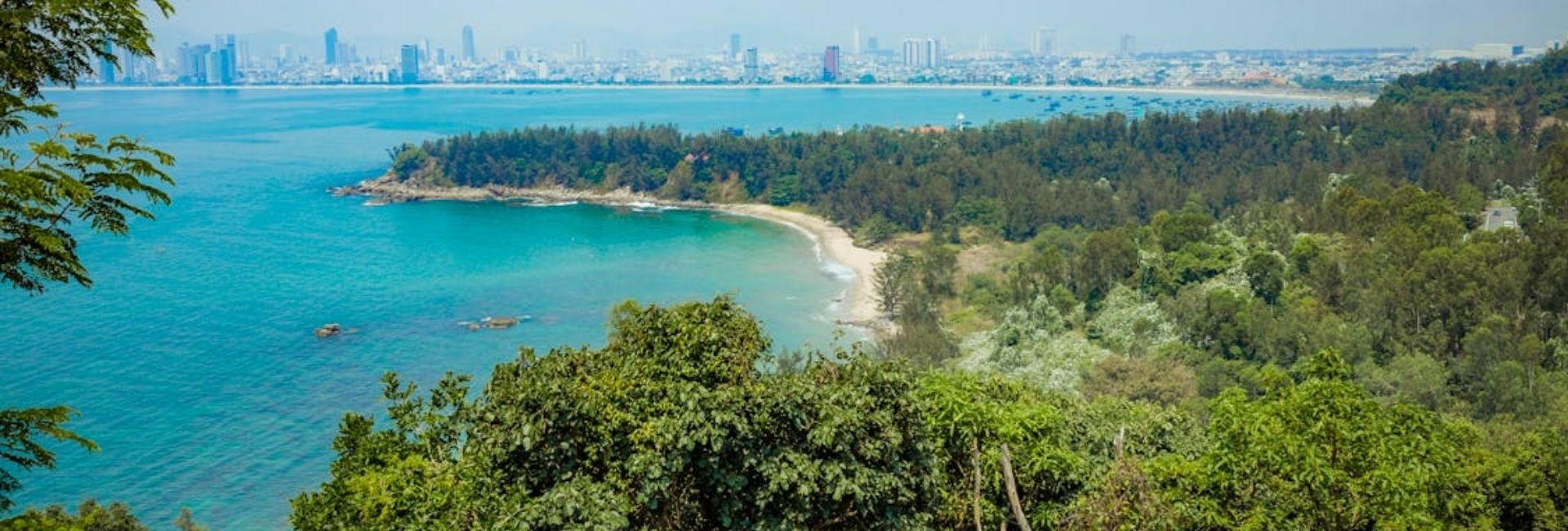
The best time to visit Da Nang is from March to August when the weather is warm and ideal for beach activities, with the peak summer season from June to August drawing the largest crowds. Located on Vietnam’s central coast, Da Nang experiences a tropical monsoon climate where timing significantly impacts your experience. Understanding seasonal patterns: from the warming spring months to the vibrant summer beach energy helps you plan the ultimate coastal escape to this dynamic Vietnamese destination.
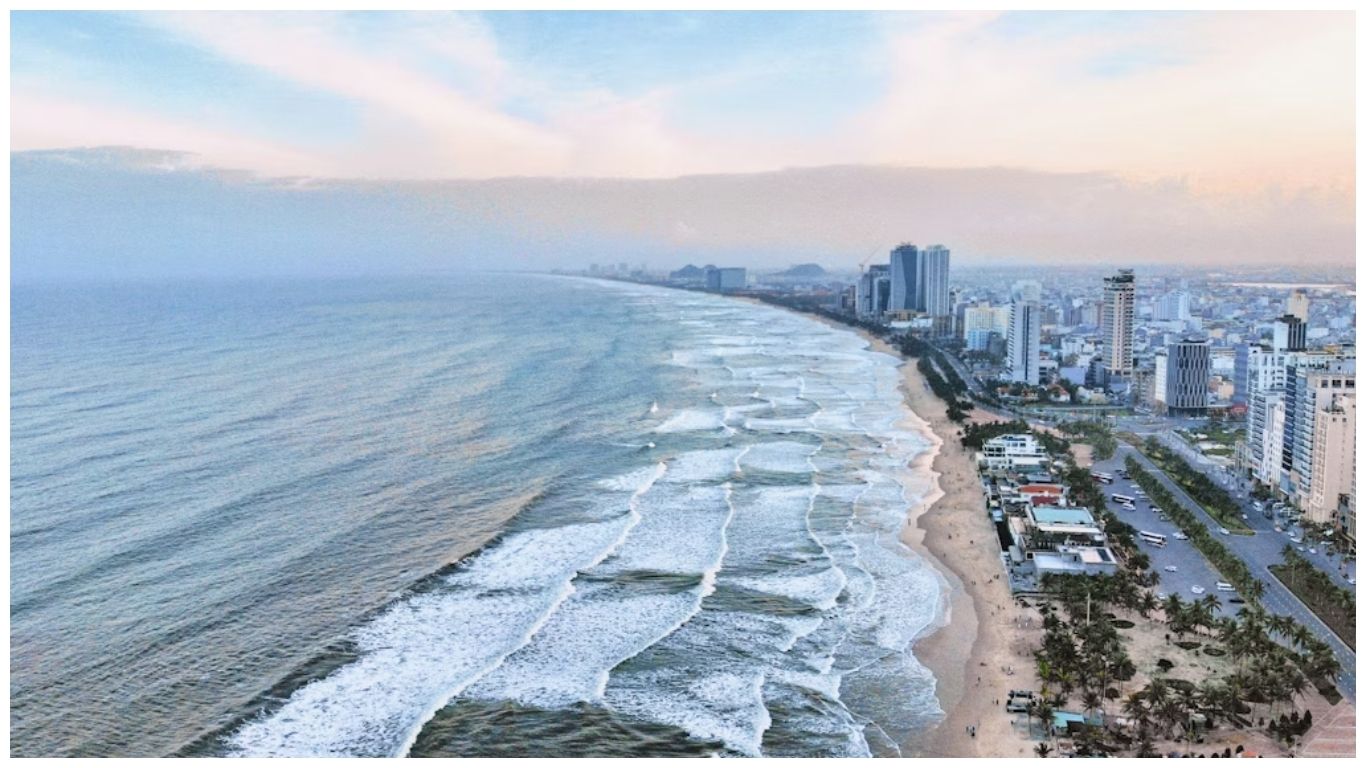
Ideal Transition: March to May
Weather Gradually Improves
March through May marks Da Nang’s transition from cool to warm, with temperatures steadily climbing from 22°C in early March to 28-30°C by May. Early spring (March-early April) can still feel cool for swimming, especially for those expecting tropical heat: mornings and evenings require light layers. By late April and May, the weather becomes genuinely warm and beach-friendly. The dry season delivers minimal rainfall and calm seas, with excellent visibility for sightseeing.
What to Experience During Spring
This season suits travelers who prefer comfortable temperatures for active exploration without intense summer heat. Da Nang in March offers pleasant conditions for sightseeing, though beach swimming may feel cool for some visitors. By April and May, beaches become more inviting as temperatures rise.
Perfect for:
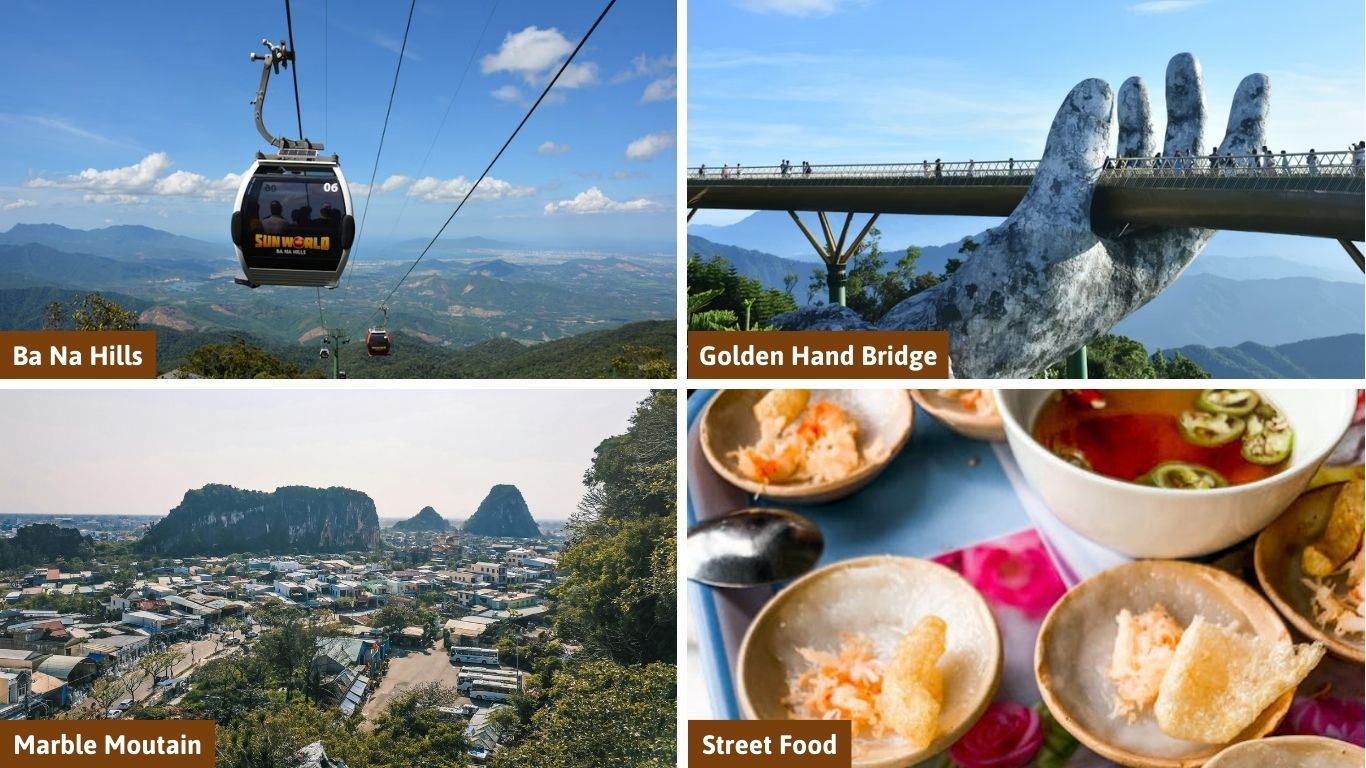
- Exploring top attractions like Ba Na Hills, Golden Bridge, and Marble Mountains without summer crowds
- Outdoor dining at beachfront restaurants serving fresh seafood
- Street food tours in comfortable temperatures
- Sightseeing without extreme heat
>>> Da Nang Vietnam what to do: Top 10+ Must-try can’t be missed out
Peak Season: June to August
Weather Reality & Beach Life
June through August marks Da Nang’s true peak season when the city transforms into Vietnam’s premier beach destination. Temperatures soar to 28-35°C, delivering that genuine tropical beach experience Vietnamese and international tourists crave during summer vacations.
Summer brings afternoon rains and occasional storms, but this doesn’t deter beach lovers. The pattern becomes predictable: mornings typically offer clear skies and calm seas: savvy travelers maximize beach time from dawn until noon. Rain usually arrives in short, intense afternoon bursts around 2-4 PM, providing welcome relief from the heat.
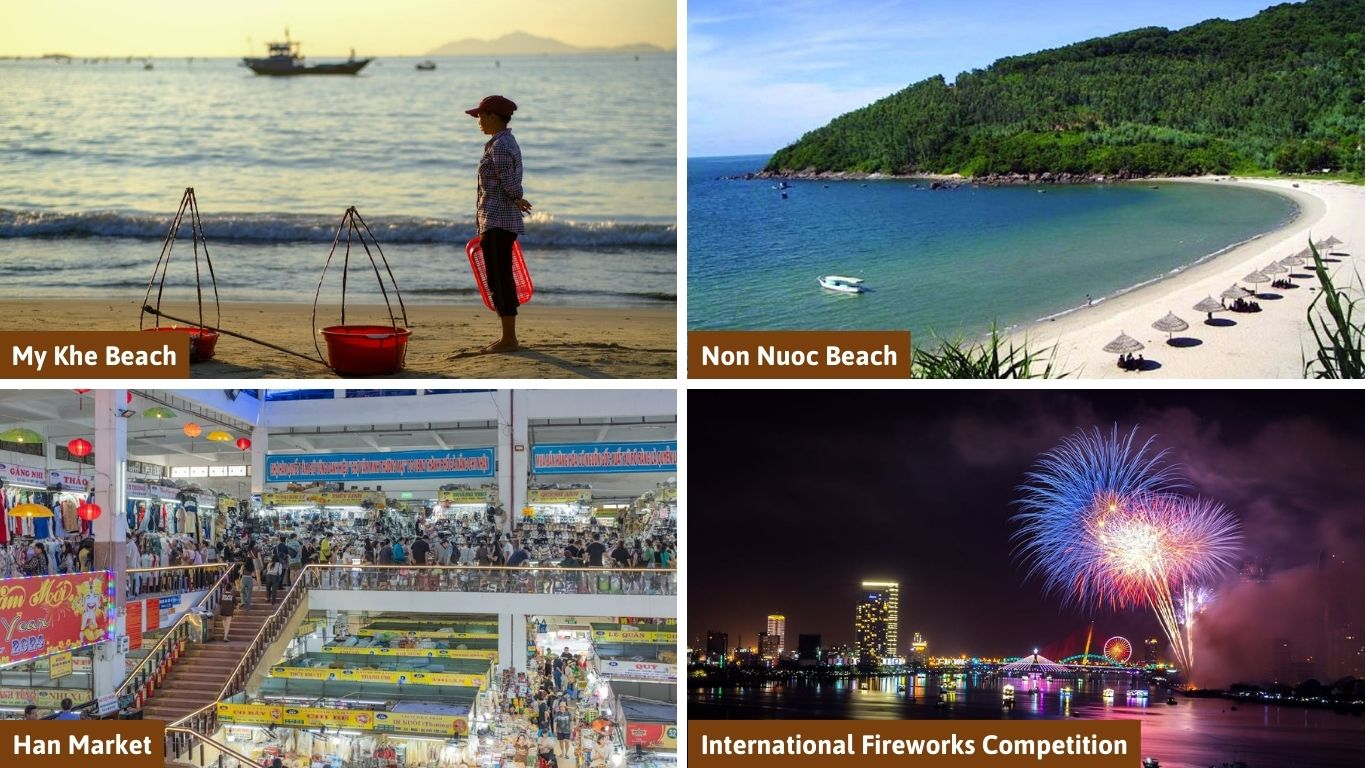
The Vietnamese approach to summer beach holidays embraces this rhythm: beach mornings, leisurely seafood lunches, afternoon rest during rain, then evening activities as the city comes alive after sunset. Non Nuoc Beach and My Khe Beach remain packed and energetic despite weather variability.
What Makes Summer Special
This is when Da Nang truly becomes electric with maximum beach energy and activities.
Summer highlights:
- Beach clubs operating at full capacity with water sports and activities
- Vibrant evening promenade filled with families and couples
- Fresh seafood barbecues and endless street food options
- Han Market and Con Market overflowing with beachwear, souvenirs, and local delicacies
- International Fireworks Competition creating spectacular displays over Han River
- Da Nang Beach Festival with concerts and cultural performances
The vibrant festival atmosphere makes summer unforgettable despite higher prices. Accommodation costs increase 40-60% during peak months, so reserve 3-4 months ahead for best beachfront locations.
September to November: Typhoon Season
Weather Challenges & Typhoon Risk
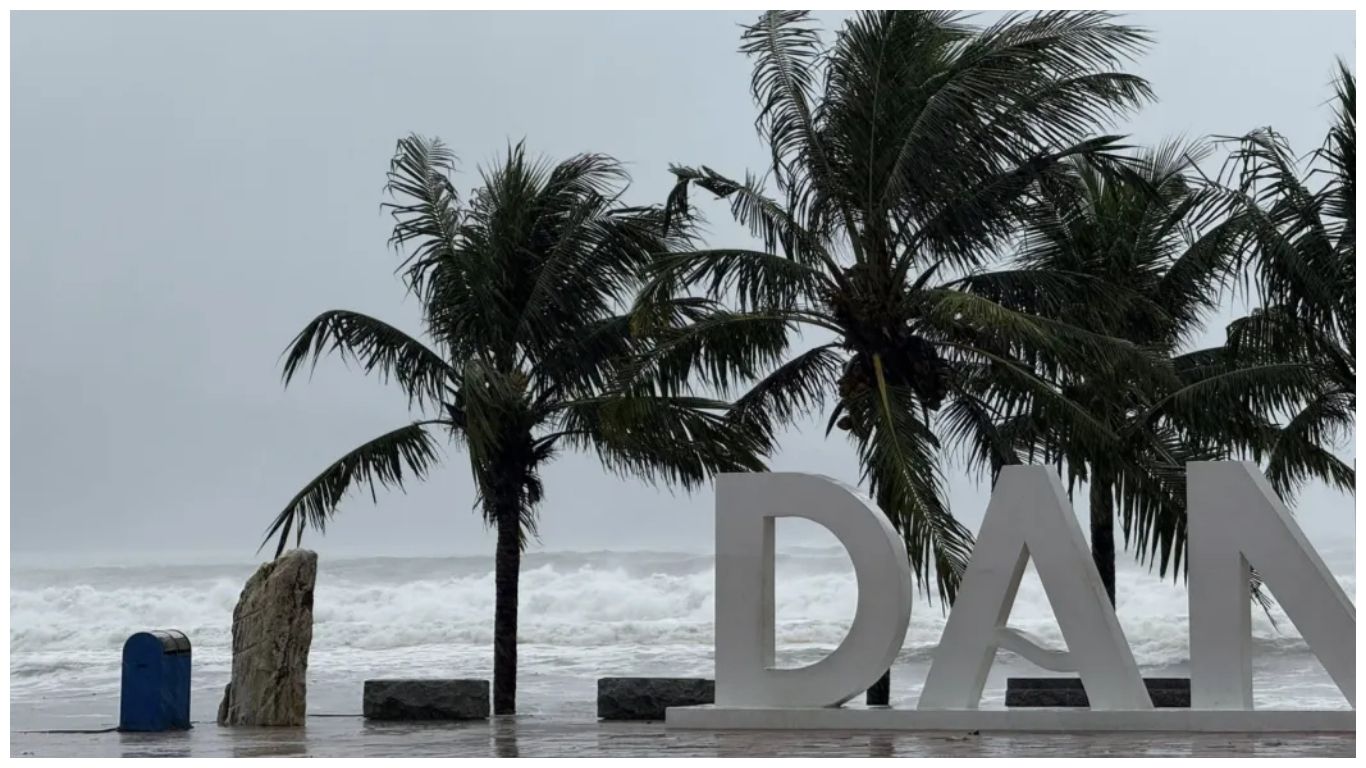
September through November marks Da Nang’s typhoon season, making this the most unpredictable and challenging period for travel. Central Vietnam faces frequent tropical storms and typhoons during these months, bringing heavy rainfall, strong winds, and rough seas. Typhoons can disrupt travel plans significantly: flights get cancelled, attractions close, and beach activities become impossible. The weather remains highly unstable with sudden storms that can last for days.
When This Season Might Work
Despite the risks, brief windows between storms can offer surprisingly pleasant conditions. If you’re extremely flexible with dates and can adjust plans quickly, late November sometimes sees improving conditions as typhoon season winds down. However, this period is generally not recommended for international travelers with fixed itineraries.
Only consider if:
- You have very flexible travel dates and can reschedule
- You’re primarily focused on indoor activities and food experiences
- You can accept potential disruptions and cancellations
- You’re getting exceptional last-minute deals (50-60% off)
Temperatures stay at 24-28°C when weather permits, but the unpredictability makes planning difficult.
Cool Season: December to February
Winter Chill Along the Coast
December through February brings Da Nang’s coolest temperatures, ranging from 18-24°C. While these temperatures feel pleasant for sightseeing and cultural activities, many visitors find it too cool for extended beach time and swimming. Winds pick up along the coast, making beaches feel even cooler. This is Da Nang’s true low season for beach tourism—the city sees its fewest tourists and lowest accommodation prices, dropping 40-50% below summer rates.
What Works During Winter
This season suits travelers prioritizing cultural exploration over beach activities. The cool, dry weather makes walking tours, cycling, and outdoor sightseeing comfortable.
Best for:
- Exploring top attractions like Bà Nà Hills without summer heat
- Vietnamese eateries serving hot phở and warming dishes
- Shopping at Han Market with local atmosphere and great value
- Cultural sites and temples in comfortable temperatures
- Photography walks along beautiful (but cool) beaches
Is Da Nang worth visiting during winter? Yes, if your focus is culture, food, and sightseeing rather than swimming and beach relaxation.
Festivals & Events Throughout the Year
Major Festivals That Influence Best Time to Visit Da Nang
Da Nang’s event calendar creates distinct travel experiences throughout the year.
Key festivals:
– International Fireworks Competition (April-June, peaking in June): Massive crowds from across Asia, spectacular displays over Han River, prices surge 60-100%
– Da Nang Beach Festival (June-July): Concerts, sports competitions, cultural performances amplifying summer energy
– Tet (late January or early February): Deep cultural immersion during cool season, though many businesses close for family celebrations
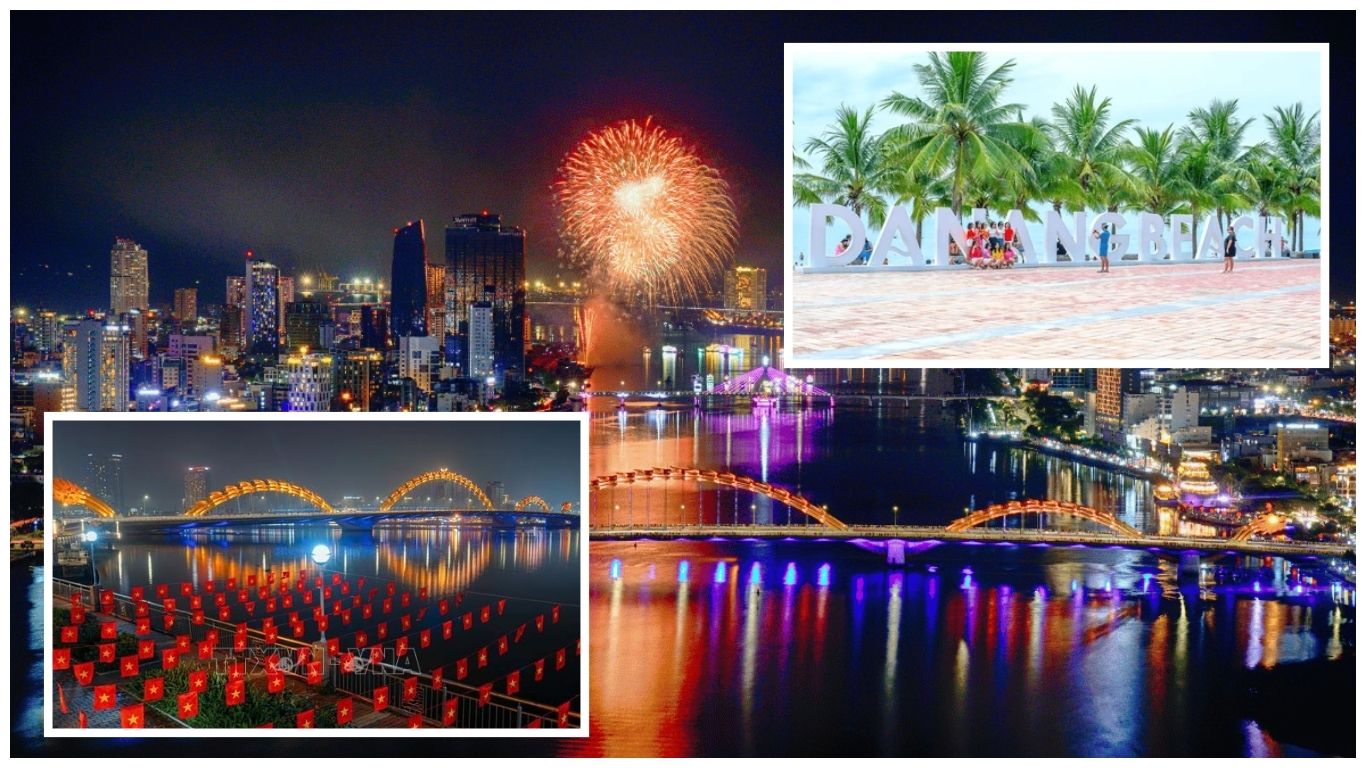
The vibrant festival atmosphere during summer events creates unforgettable experiences despite premium pricing.
Planning Around Events
Festival periods deliver enhanced experiences but require advance planning. Book accommodation 3-4 months ahead for summer festival dates, beachfront hotels sell out entirely. The fireworks competition creates peak-season-within-peak-season pricing and crowds, so plan accordingly if this draws you to Da Nang.
Planning Your Perfect Da Nang Itinerary
Recommended Trip Duration by Season
– Summer peak season (June-August): 4-5 days to fully embrace beach culture, evening entertainment, and nearby attractions. The warm weather and energetic atmosphere make longer stays rewarding.
– Spring months (March-May): 4 days works well, balancing beach time as weather warms with cultural exploration.
– Winter trips (December-February): 3-4 days focused on culture and food with stable, cool weather.
– Typhoon season (September-November): Not recommended for fixed itineraries due to unpredictable weather and storm risks.
Must-Visit Places to Visit in Da Nang
No Da Nang itinerary is complete without these essential experiences:
Beaches:
- Non Nuoc Beach: Soft white sand, gentle slopes, best during summer’s warm temperatures
- My Khe Beach: Easy city access, abundant beachfront dining
Cultural sites:
- Marble Mountains: Cave temples with panoramic coastal views
- Linh Ung Pagoda: Massive white Buddha statue overlooking the sea
- Museum of Cham Sculpture: Rich historical artifacts
Markets & shopping:
- Han Market: Authentic shopping and people-watching
- Con Market: Local atmosphere and traditional goods
Food scene:
- Beachfront restaurants serving fresh seafood
- Street food stalls showcasing local specialties
- Vietnamese eateries from casual to sophisticated
Modern attractions:
- Dragon Bridge: Weekend fire and water show
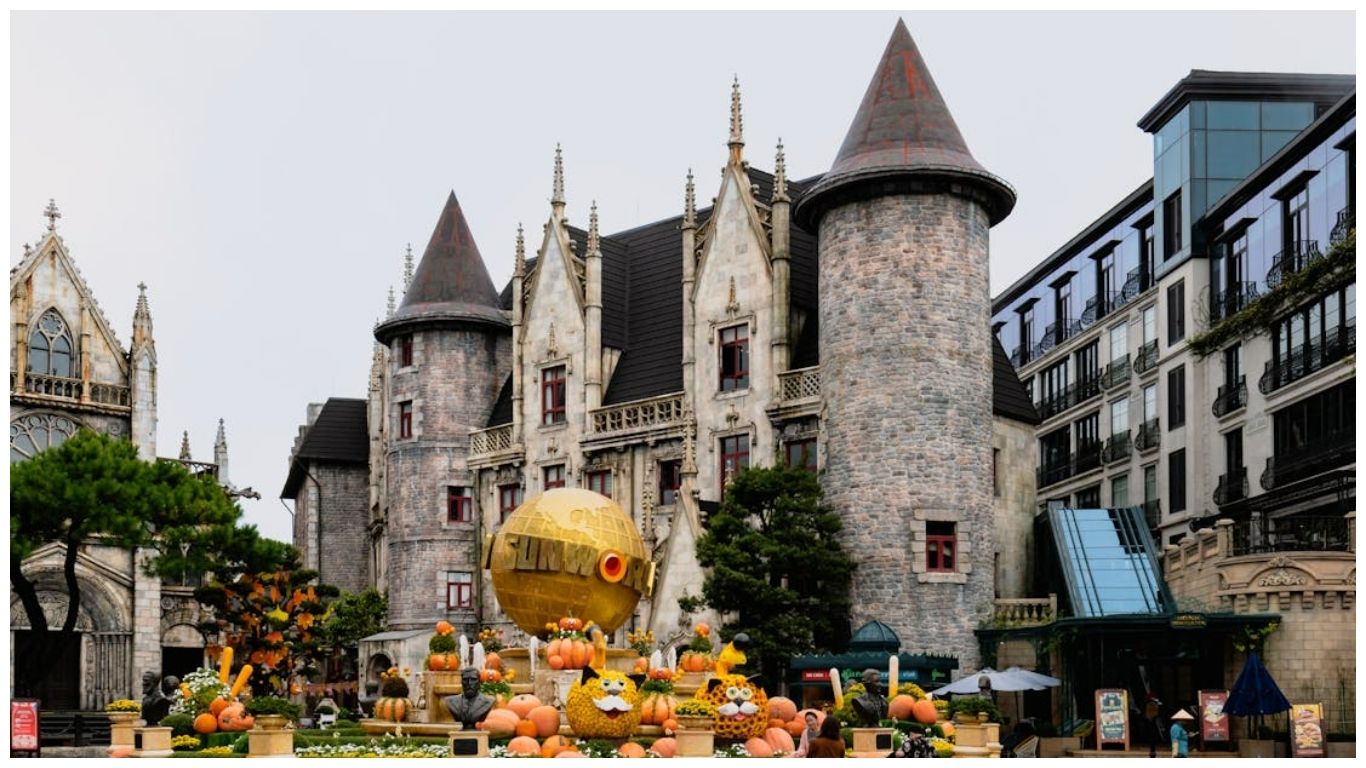
- Bà Nà Hills: French colonial architecture and cool mountain air
- Beach road nightlife: Vibrant during summer months
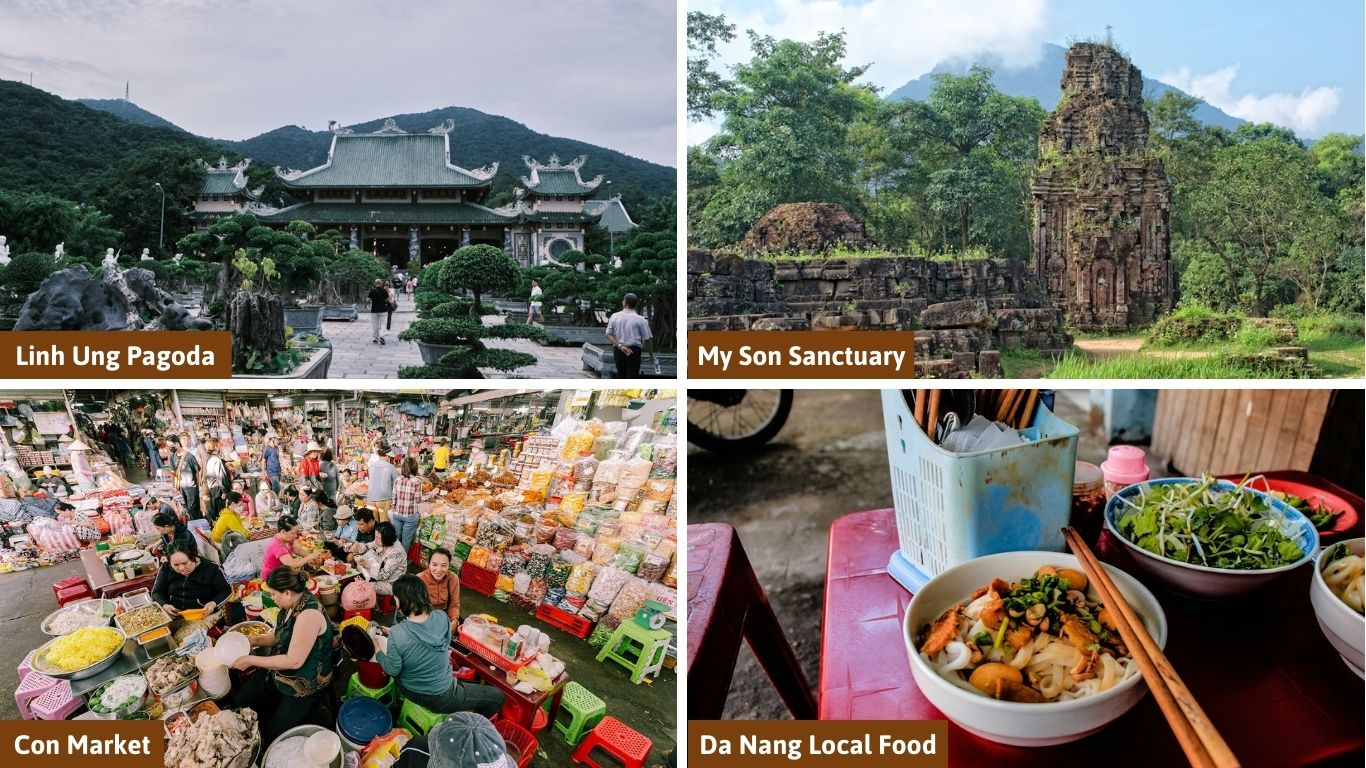
>>> Top things to do in Da Nang extend far beyond beaches, offering diverse experiences for every traveler.
Combining Da Nang with Nearby Destinations
Da Nang’s central location makes it an excellent base for exploring Central Vietnam:
Hoi An (30 minutes south):
- Ancient town charm and UNESCO heritage
- Lantern-lit evening atmosphere
- Renowned tailor shops and local crafts
Hue (2 hours north):
- Imperial history and elaborate palaces
- Royal tombs and cultural heritage
- Traditional cuisine
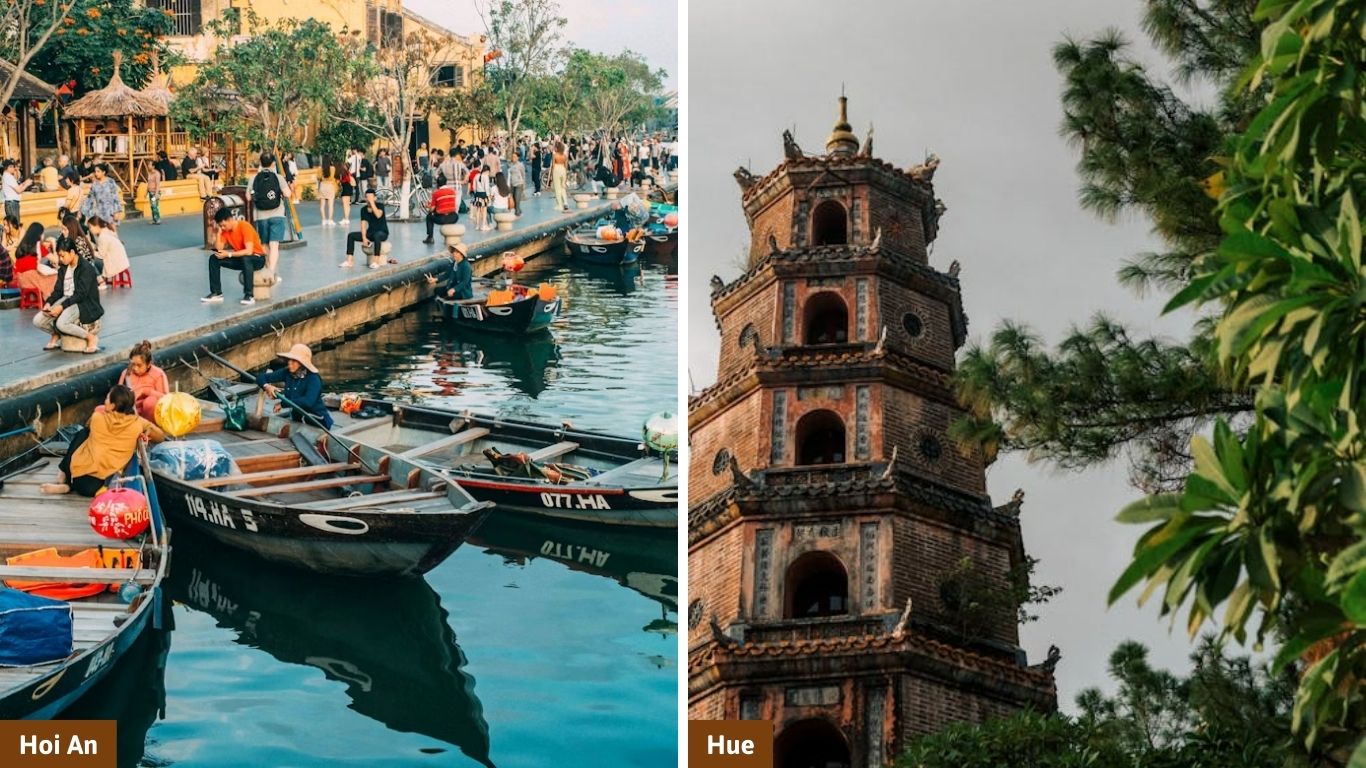
Check out our Vietnam tour packages combine all three destinations for a comprehensive Central Vietnam experience.
Month-by-Month Quick Reference Guide
| Period | Temperature | Weather Conditions | Best For | Price Level | Recommendation |
| December-February | 18-24°C | Cool, stable, minimal rain | Culture, food, sightseeing | Low (40-50% off) | Good for non-beach trips |
| March-April | 22-26°C | Warming, dry, pleasant | Sightseeing, mild activities | Moderate | Still cool for swimming |
| May | 26-30°C | Warm, dry, comfortable | Beaches warming up | Moderate-High | Sweet spot season |
| June-August | 28-35°C | Hot, afternoon rains | Beach paradise, festivals | Highest | Peak beach season |
| September-November | 24-28°C | Typhoons, heavy storms | Not recommended | Lowest (50-60% off) | Avoid – High risk |
Final Recommendations
The best time to visit Da Nang for the ultimate beach vacation is June through August when warm temperatures, tropical vibes, and energetic crowds create Vietnam’s premier summer beach destination. Despite afternoon rains, this is when Da Nang truly shines with beach culture, festivals, and maximum activities. For those who prefer milder weather and fewer crowds, May offers a sweet spot as temperatures warm up.
Ready to experience Da Nang at its best? Contact Indochina Voyages here or drop us an offline message on the screen to design your personalized Vietnam adventure with expert local insights, seamless travel arrangements, and seasonal recommendations perfectly matched to your travel preferences and vacation style.