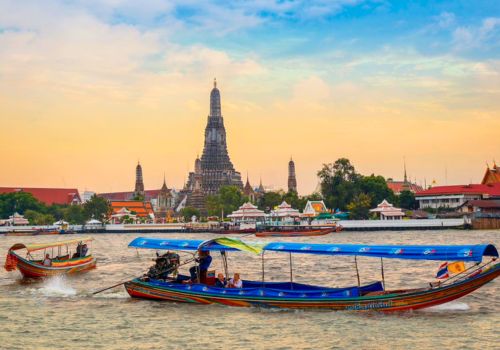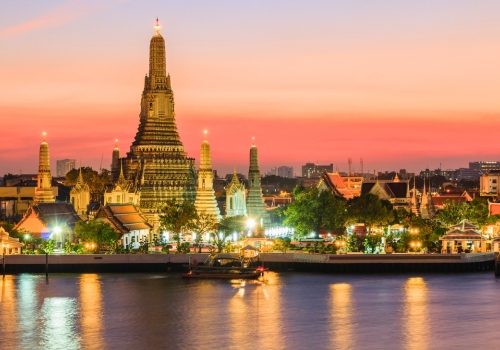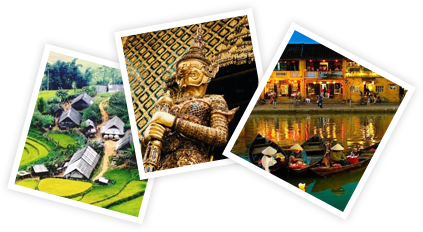

When is the best time to visit Thailand depends entirely on what you want: pristine beaches, cultural festivals, or budget-friendly travel. Thailand’s tropical climate creates three distinct seasons across different regions, each offering unique advantages. This guide breaks down every month so you can choose the perfect window for your Thai adventure.
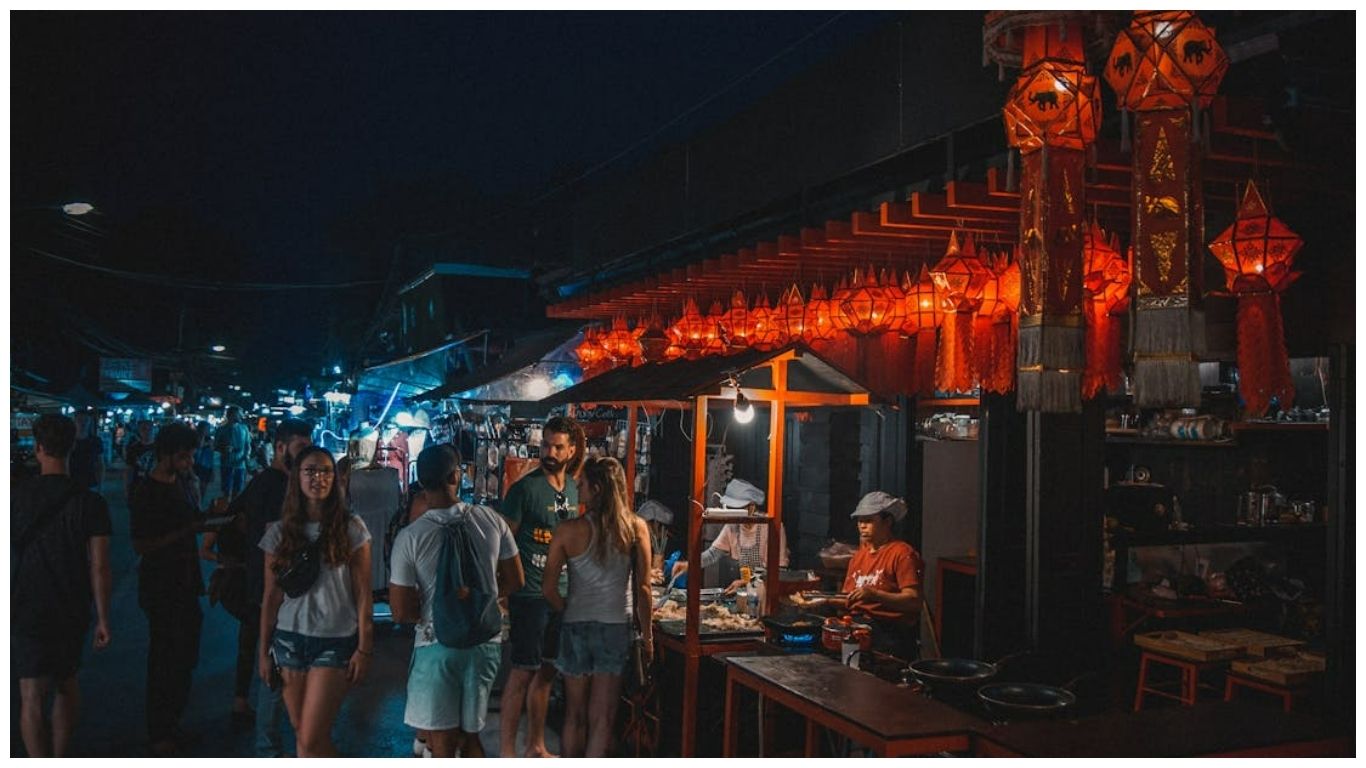
Quick Answer: November to February Is the Best Time
For most travelers, November through February delivers optimal weather and diverse activities across all regions. However, “best” depends on your priorities: budget travelers thrive during June-September with 40-60% savings, culture enthusiasts prefer festival months (April, November), while beach lovers can enjoy coasts year-round by choosing between Andaman and Gulf sides. Match Thailand’s seasonal patterns to your goals and you’ll find your perfect window.

Understanding Thailand’s Three Seasons
Thailand experiences three main seasons, but when is the best time to visit Thailand varies dramatically by region and month.
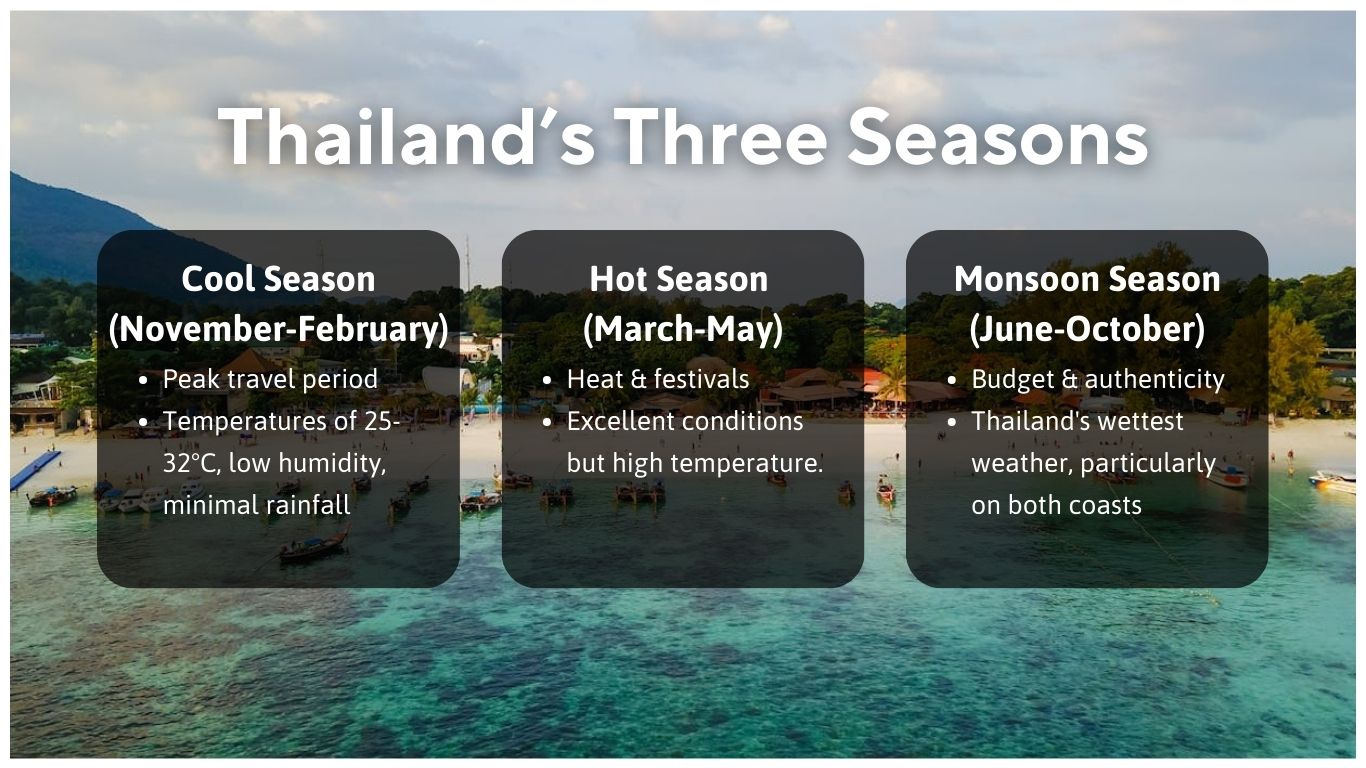
Cool Season (November-February): Peak Travel Period
This is the best time to visit Thailand for most visitors. November transitions from monsoon to dry weather with occasional showers but rapidly improving conditions. December through February delivers ideal weather nationwide: temperatures of 25-32°C, low humidity, minimal rainfall, and calm seas perfect for island hopping. Northern Thailand becomes particularly pleasant with cooler evenings (15-20°C).
Trade-offs: Expect 30-50% higher accommodation rates, crowded attractions, and advance booking requirements. Popular islands like Phi Phi reach full capacity during December-January holidays.
Hot Season (March-May): Heat & Festivals
March maintains excellent conditions but temperatures climb steadily. The best time to visit Thailand for beach lovers who handle heat well, offering perfect swimming with fewer crowds than winter. April’s Songkran Festival brings unique cultural experiences despite temperatures reaching 35-40°C, especially inland.
By May, Bangkok and northern regions hit 38-40°C. Southern beaches remain attractive, but midday outdoor activities become challenging.
Read our Bangkok in March, Chiang Mai in March, Phuket in March for more information!
Monsoon Season (June-October): Budget & Authenticity
Contrary to assumptions, this can be the best time to visit Thailand for value seekers. Rainfall patterns differ dramatically: the Andaman Coast (Phuket, Krabi) receives heavy monsoons, while the Gulf Coast (Koh Samui, Koh Phangan) stays relatively dry, especially July-August.
June-August advantages: Hotel rates drop 40-60%, attractions feel uncrowded, and afternoon showers (1-2 hours) rarely disrupt plans. Bangkok’s indoor attractions remain fully accessible.
September-October brings Thailand’s wettest weather, particularly on both coasts. However, this creates the best time to visit Thailand for cultural immersion: authentic temple experiences, minimal tourists in Chiang Mai and Bangkok, and incredibly affordable accommodation. Northern Thailand receives less rain than southern regions during this period.
Sample Itineraries by Season
Cool Season (November-February) – Complete Thailand Experience:
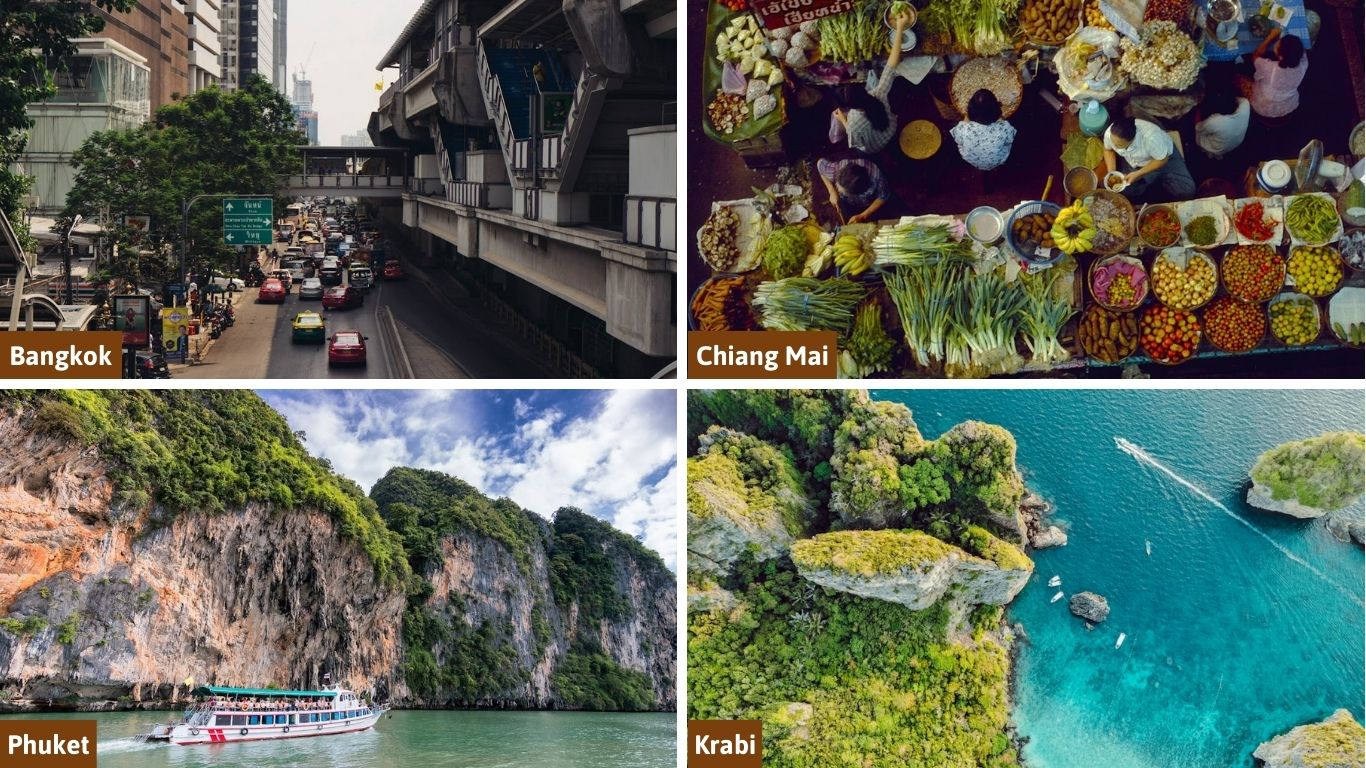
- Start in Bangkok (3 days exploring temples and markets)
- Fly to Chiang Mai (3 days for temples and night markets)
- Head to Phuket or Krabi (4-5 days beach time). This represents the best time to visit Thailand for covering diverse experiences in optimal conditions.
Hot Season (March-May) – Beach-Focused Journey:
- Concentrate on coastal areas where heat feels manageable: Split time between Phuket, Phi Phi Islands, and Krabi, with a brief Bangkok stopover.
Monsoon Season (June-October) – Cultural Deep Dive:
- Focus on northern Thailand and Gulf Coast islands.
- Spend extended time in Chiang Mai’s temples, explore Bangkok’s museums during afternoon rains, then finish at Koh Samui during its dry period.
Check out our Thailand tours for more recommended itineraries!
Frequently Asked Questions
What is the best time to visit Thailand for festivals?
April is the best time to visit Thailand for festival experiences, particularly Songkran (Thai New Year) celebrated April 13-15. November’s Loy Krathong (Festival of Lights) offers another magical option with floating lanterns and krathongs on rivers nationwide.
When should I avoid visiting Thailand?
Avoid March-April for northern Thailand due to the burning season when farmers clear fields, creating severe air pollution and hazy skies that obscure mountain views and affect breathing. Chiang Mai‘s Air Quality Index often reaches unhealthy levels during this period.
What is Thailand’s rainiest season?
September and October are Thailand’s rainiest months, particularly on the Andaman Coast where heavy afternoon downpours can last 2-4 hours. However, rainfall isn’t constant, expect sunny mornings followed by afternoon storms. The Gulf Coast experiences its wettest period slightly earlier (October-December). Northern Thailand receives significantly less rain than southern regions even during peak monsoon, making cities like Chiang Mai viable year-round destinations.
What is Thailand’s green season and where to visit?
Thailand’s “green season” (June-October) showcases lush landscapes after monsoon rains transform the countryside. This is the best time to visit Thailand for nature lovers seeking vibrant scenery and fewer crowds. Best destinations during green season: Northern Thailand (Chiang Mai, Chiang Rai) with verdant rice terraces and waterfalls at full flow; Gulf Coast islands (Koh Samui, Koh Phangan) enjoying dry weather July-August; and national parks like Khao Sok where rainforests burst with life and wildlife sightings increase.
Plan Your Perfect Thai Adventure
Thailand welcomes travelers year-round, each season offering distinct advantages. Whether you prioritize perfect weather, cultural festivals, budget savings, or avoiding crowds, there’s an ideal window for your journey. Use this guide to match your travel style with Thailand’s seasonal patterns, and remember that strategic planning like choosing Gulf islands during monsoon or northern regions in cool season – unlocks experiences unavailable during conventional travel periods.
Let our experts design your perfect Thailand itinerary here or drop us an offline message on the screen to start planning your trip!