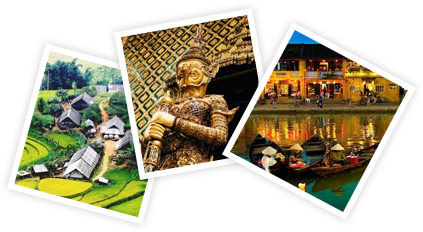

The Ha Giang Loop is a multi-day mountain road journey through Vietnam’s far north, beginning and ending in Ha Giang City. Most travelers cover about 300 to 350 kilometers over three to four days, usually on the back of a motorbike, past limestone peaks, terraced valleys and villages of ethnic minority communities. You do not have to ride yourself: guided Easy Rider trips and private car tours follow the same roads.
The route went viral on TikTok, and the scenery lives up to most of the hype. This guide from the specialists at Indochina Voyages covers where the Loop goes, how many days to allow, what it costs, when to visit and how to choose between riding, hiring a local rider or traveling by car.
Comparing mountain destinations? Read our guide to Ha Giang as an alternative to Sapa.
Where Is the Ha Giang Loop and What Route Does It Follow?
Ha Giang is Vietnam’s northernmost province, a high karst region of jagged limestone and deep valleys. The provincial capital, Ha Giang City, is roughly six to eight hours by road from Hanoi [verify], and almost every Loop begins there.
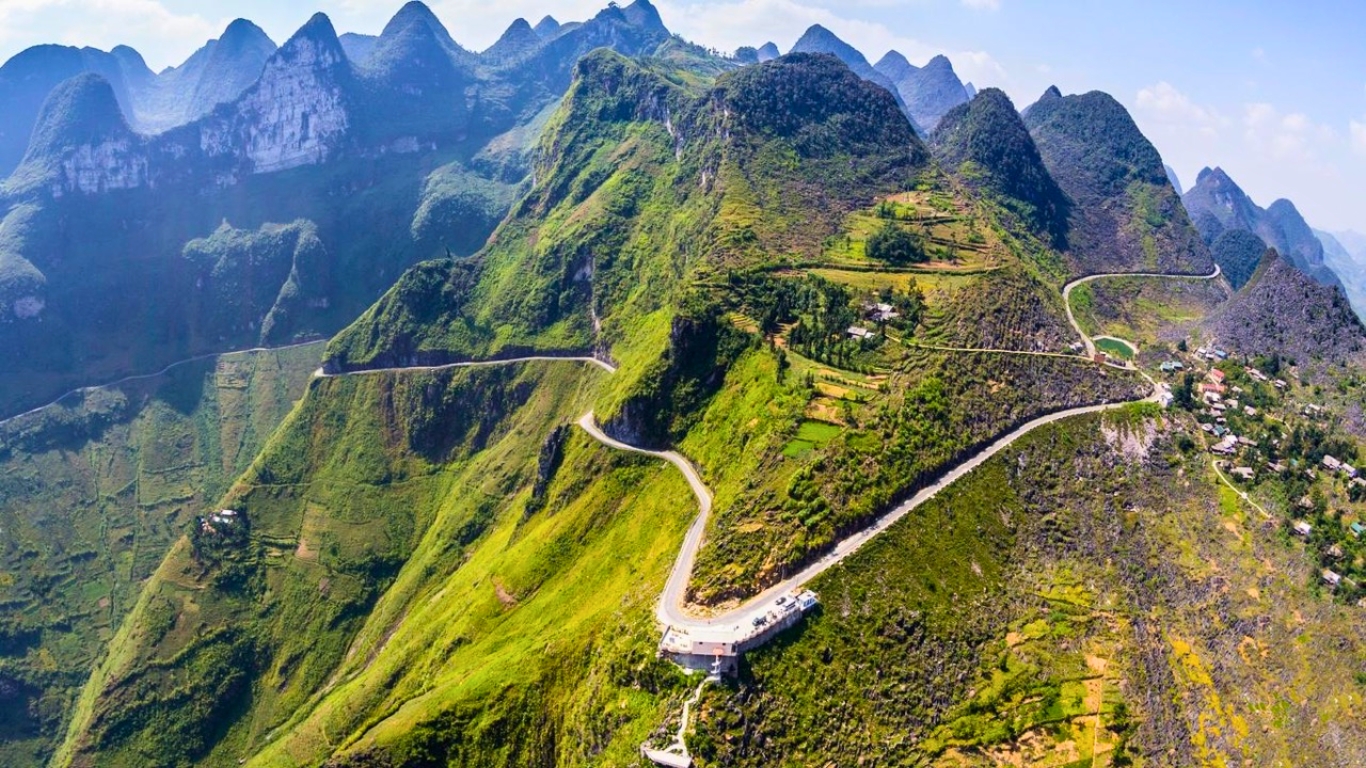
There is no single official route, so itineraries vary a little between operators. The core of the Loop runs like this:
- Ha Giang City to Quan Ba, over Bac Sum Pass and past the Heaven’s Gate viewpoint
- Yen Minh, a small town and the usual first overnight stop
- Dong Van, with its old quarter and weekend market
- Meo Vac, reached over the famous Ma Pi Leng Pass
- Du Gia and Bac Me, then back along the Gam River valley to Ha Giang City [verify return-leg sequence]
Popular detours include Lung Cu Flag Tower at Vietnam’s northernmost point, Sung La Valley and the Hmong King’s Palace in Sa Phin.
>>>> Prefer a ready-made plan? Browse our Vietnam tours for guided options.
What Makes the Ha Giang Loop Worth Visiting?
Beautiful scenery is the headline, but four things tend to stay with people long after the trip.
Mountain Passes and Limestone Landscapes
Much of the route sits inside the Dong Van Karst Plateau UNESCO Global Geopark, one of the most dramatic landscapes in Southeast Asia. Three passes deserve a proper stop. Heaven’s Gate near Quan Ba gives the first wide view over the valley. The Nine Turn Pass, known locally as Doc Chin Khoanh, drops through a run of tight bends. Ma Pi Leng is the showpiece, a road cut along a cliff high above the Nho Que River. Early morning usually brings the clearest light and the least traffic.
>>>> Want the full story of the road? Read our guide to conquering Ma Pi Leng Pass in Ha Giang.
Ethnic Minority Cultures and Markets
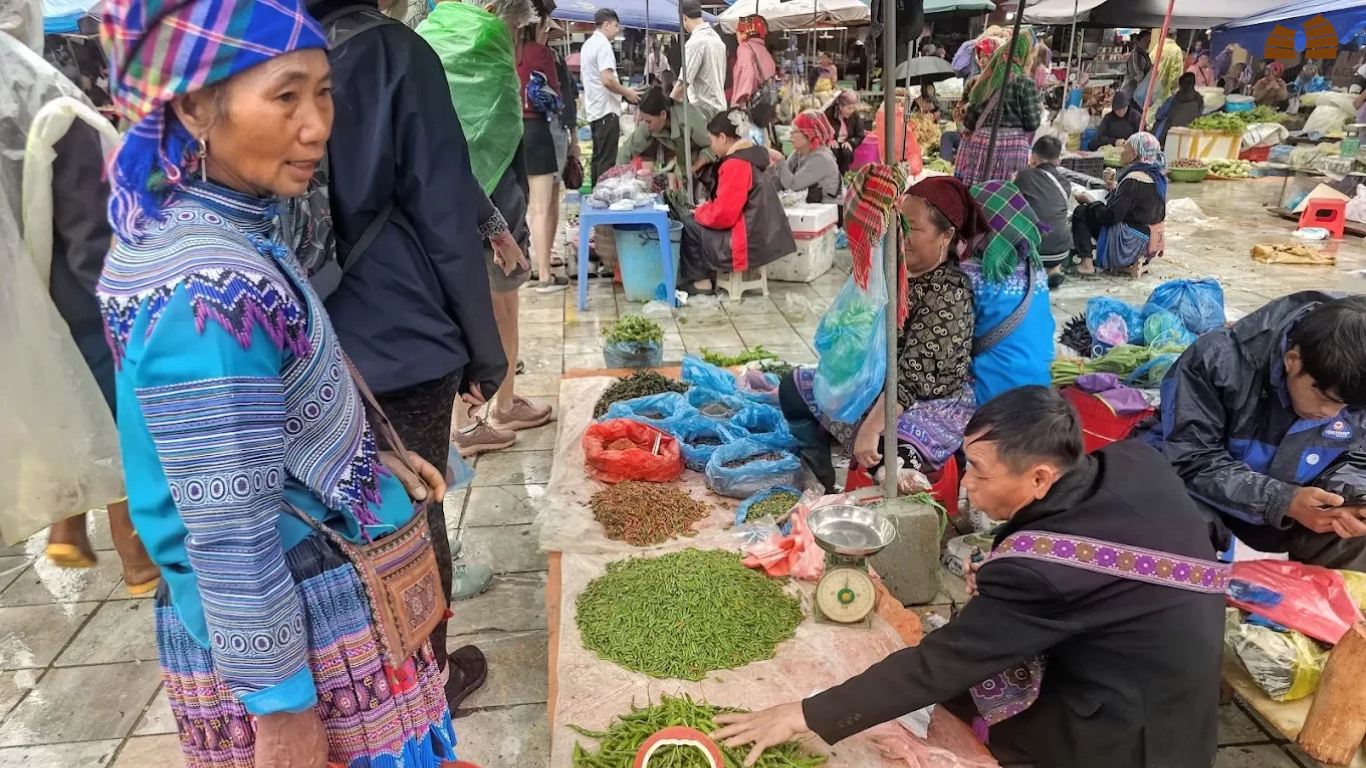
Ha Giang is home to many ethnic groups, including the Hmong, Tay, Dao and Lo Lo, each with its own language, dress and traditions. You see this most clearly at the weekend markets in Dong Van and Meo Vac . These are working markets, not performances, so visit with curiosity and respect: ask before photographing anyone, dress modestly in villages and buy a snack or a handmade item rather than only taking pictures.
>>>> To be a thoughtful guest, browse our culture shock articles.
Homestays and Regional Food
Most travelers sleep in family-run homestays: wooden houses with shared meals, simple rooms and often shared bathrooms. Comfort is basic, but the welcome is warm and dinner is usually the highlight of the day. Look out for thang co (a hearty stew), buckwheat cakes, sticky rice and local corn wine. Expect early nights after a full day in the mountain air.
Nho Que River and Tu San Canyon
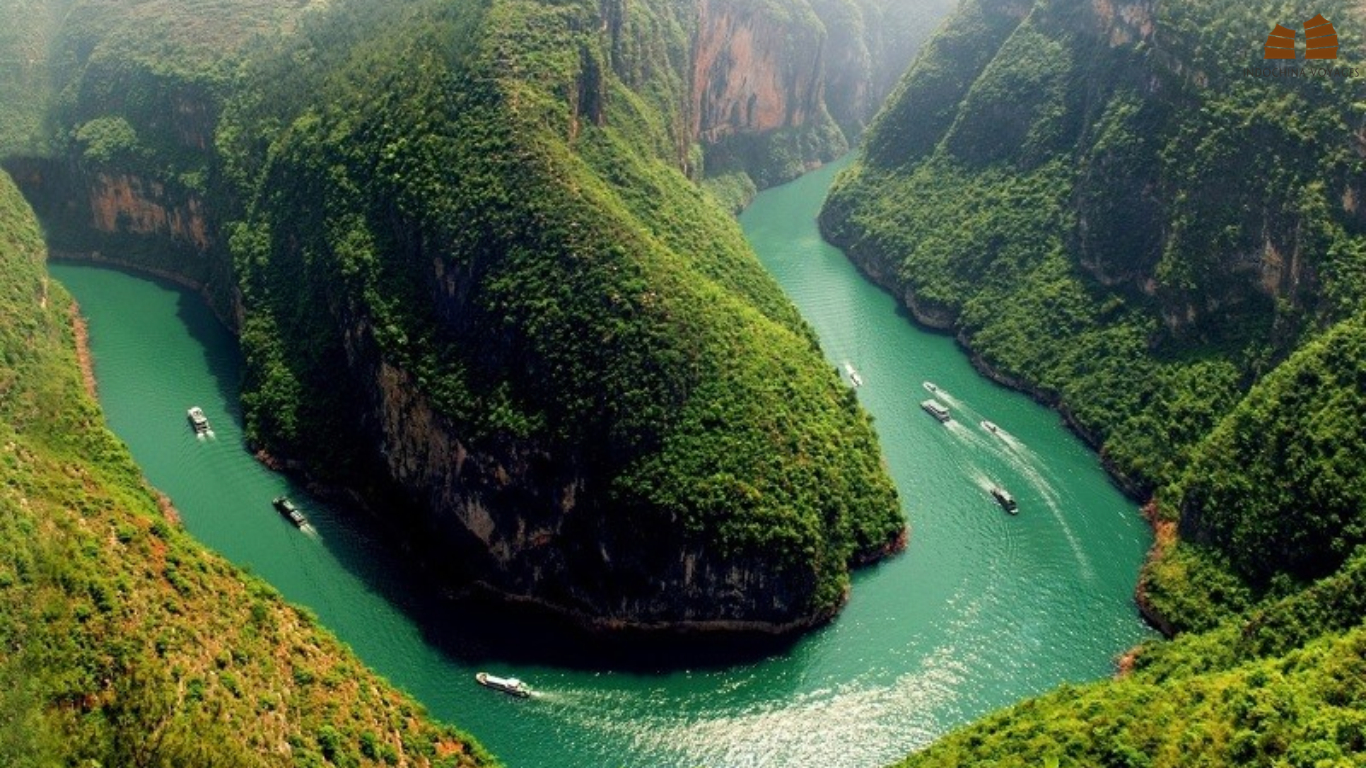
From the Ma Pi Leng viewpoint, the Nho Que River looks like a narrow green ribbon at the bottom of Tu San Canyon, one of the deepest gorges in Vietnam. Some travelers add a boat trip on the river, which takes extra time because you first descend to the departure point [verify timing]. Plan it in advance instead of squeezing it in, and remember that water levels and weather change the experience through the year.
How Many Days Do You Need for the Ha Giang Loop?
Four days is the best choice for first-time visitors. It leaves room for photo stops, village visits and the occasional unplanned detour without spending every hour on the bike. Three days is the practical minimum, and two days is a rush.
| Duration | Best for | Trade-off |
|---|---|---|
| 2 days | Very limited time | Long riding days and few stops |
| 3 days | Seeing the highlights | Needs tight pacing |
| 4 days | First-time visitors | Comfortable pace, time for villages and views |
| 5+ days | Slow travelers and explorers | Room for detours such as Du Gia and Sung La |
Treat distances and times as estimates. Weather, roadworks and sightseeing stops can change a day considerably.
Short on time or unsure how long to stay? Browse our Indochina tours for shorter and longer options.
A Suggested 4-Day Ha Giang Loop Itinerary
This itinerary follows the most common route. Operators vary the details, so treat it as a template rather than a fixed schedule.
>>>> Want to compare other trip plans? You can see sample itineraries here.
Day 1: Ha Giang City to Yen Minh

The journey begins with an early morning departure from Ha Giang City. As you leave the urban area behind, you’ll quickly find yourself ascending into limestone mountains covered in lush jungle. The day’s highlight is conquering Heaven’s Gate Pass, where you’ll be rewarded with panoramic views of the surrounding valleys.
Key experiences:
- First taste of mountain riding
- Lunch stop in Tam Son
- Afternoon cruise along the Mien River
- Evening arrival in Yen Minh for your first night in the mountains
Day 2: Yen Minh to Dong Van

Day two takes you through some of the most dramatic scenery of the entire loop. You’ll navigate the famous Nine Turn Pass (Doc Chin Khoanh) and have the option to visit the Lung Cu Flag Tower, marking Vietnam’s northernmost point.
Key experiences:
- Morning market visits
- Dramatic mountain pass riding
- Optional detour to Lung Cu Flag Tower
- Evening exploration of Dong Van Ancient Town
Day 3: Dong Van to Bao Lam
This day features the crown jewel of the loop – the legendary Ma Pi Leng Pass. The morning ride from Dong Van to Meo Vac is considered by many to be the most spectacular section of the entire journey.
Key experiences:
- Sunrise views over karst mountains
- Ma Pi Leng Pass photography stops
- Nho Que River viewpoints
- Traditional homestay experience in Bao Lam
Day 4: Bao Lam to Ha Giang City
The final day brings you back to Ha Giang City along the Gam River valley, offering a gentler riding experience while maintaining the scenic beauty that characterizes the entire loop.
Key experiences:
- Riverside riding
- Local food stops in Bac Me
- Final mountain views
- A triumphant return to Ha Giang City
The above itinerary is a suggested route based on extensive local knowledge and experience. For those craving true exploration, we invite you to customize your journey through the Ha Giang Loop. Imagine discovering hidden waterfalls, remote villages, and lesser-known viewpoints that go far beyond the typical TikTok highlights.
With this secret 1-week Ha Giang Loop with more off-beat experiences that you can’t find anywhere, please contact us more for the best experiences and hidden spots in your Ha Giang Loop, let’s make your Ha Giang loop beyond the ordinary than more you can only see on the reviews on Tiktok.
>> Visit our Ha Giang Tours that you may need for your travel package list:
Ride Yourself, Hire an Easy Rider, or Go by Car?
The Loop is not a casual scenic drive. Expect long days, uneven road surfaces, sudden weather changes and limited facilities in remote stretches. How you travel matters more than almost any other decision, and it is the main thing that decides who enjoys the trip: adventure seekers, culture-focused travelers and comfort-first travelers each suit a different option below.
Self-Riding the Loop
Riding yourself suits confident riders with real motorbike experience. You need a valid license for the bike category and, for most visitors, an international driving permit [verify current rules]. Wear a proper helmet, gloves, closed shoes and a rain layer. Wet roads, gravel patches and oncoming trucks on narrow passes are the main hazards, and they catch out beginners regularly.
Joining an Easy Rider Tour
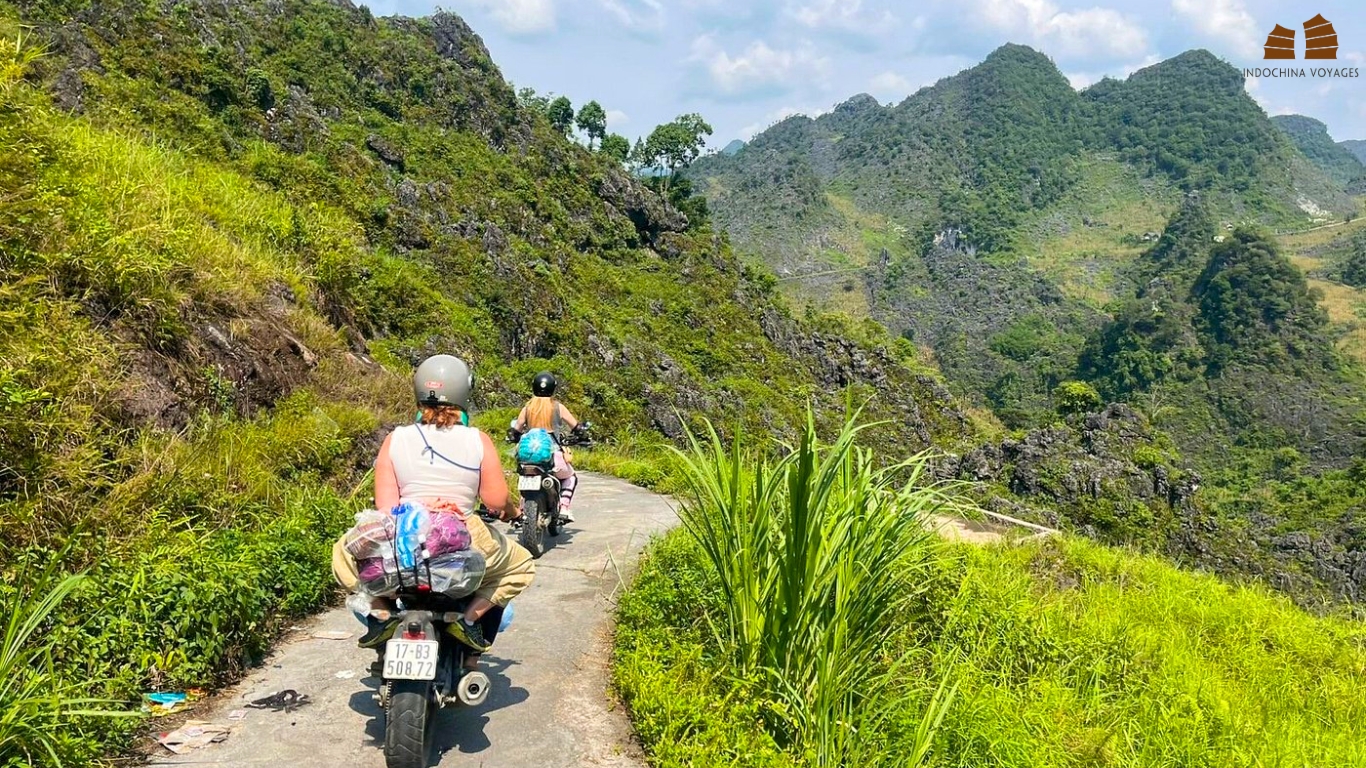
With an Easy Rider, an experienced local rider drives and you travel as a passenger. It is the most accessible way to do the Loop on two wheels, especially if you are inexperienced, traveling alone or simply want to watch the scenery instead of the road. A good rider also brings local knowledge: where to stop, what to eat and how to handle changing conditions. Before you book, ask about the rider’s experience, insurance cover and what the price includes.
Can You Explore Without a Motorbike?
Yes. A private car or minivan with a driver suits families, older travelers and anyone who puts comfort first. The route and some stops may differ from a motorbike tour, and the feel of the journey is different, but the landscapes are the same.
How Much Does the Ha Giang Loop Cost?
Prices vary widely by style, season and what is included. A self-ride costs the least, an Easy Rider tour sits in the middle, and a private car or premium guided trip costs the most. [Insert current price ranges for each style, with a “prices checked [date]” label.]
| Style | What it usually covers | Often extra |
|---|---|---|
| Self-ride | Bike rental | Fuel, accommodation, meals, insurance |
| Easy Rider | Rider, bike, homestays, some meals | Drinks, entrance fees, boat trip, tips |
| Private car or premium tour | Driver or guide, vehicle, accommodation | Optional activities, some meals |
Watch for hidden costs such as damage deposits, entrance fees at Lung Cu and the Hmong King’s Palace, and the Nho Que boat ticket. Be cautious of very cheap tours: poorly maintained bikes, unqualified drivers, crowded dormitories and missing insurance are common ways operators cut costs.
>>>> Read more about how booking with us works. Not sure which option fits your budget and riding experience? Talk to our team
Best Time for Ha Giang Loop
Timing your Ha Giang Loop adventure can significantly impact your experience. There is no perfect month, only the month that matches what you value most.
| Months | What you get | Watch out for |
|---|---|---|
| December to February | Cold, misty mountains and plum and peach blossom around Tet [verify peak] | Fog, low visibility, Tet crowds and closures |
| March to April | Fresh spring greenery and pleasant temperatures | Mist and showers still possible |
| May to August | Lush green terraces and fewer tourists | Heavy rain, slippery roads and landslide risk |
| September to mid-October | Golden rice terraces | Rising crowds |
| October to November | Buckwheat flowers on the hillsides | A busy period, so book early |
Whichever month you choose, check the weather and road conditions shortly before you leave.
>>>> More seasonal guides from our blog:
Essential Tips Before You Go
License, Permit and Insurance Checks
Being legally allowed to ride and being insured to ride are two separate things, so confirm both. Check that your license and any international permit cover the vehicle category in Vietnam, and read your travel insurance for motorbike cover, engine-size limits and exclusions. Rules change, so verify before you travel.
>>>> Helpful guides before you travel:
Weather and Packing
Mountain weather shifts quickly: cold and misty in the morning, warm by midday, with rain possible in any month. Dress in layers and pack:
- Passport or ID and some cash
- Rain jacket and a warm layer
- Closed shoes and sunscreen
- Power bank and personal medication
- A small daypack
Booking and Daily Pacing
Book homestays early in peak seasons, especially during the rice and buckwheat months. Plan to finish riding before dark, and resist the urge to cram in every detour.
>>>> Want homestays and daily stops arranged for you? See our Indochina tours.
Respecting Communities and the Environment
Ask permission before taking portraits, dress modestly in villages and take your rubbish with you. Stay off crops and terraces when taking photos.
How to Get from Hanoi to Ha Giang
>>>> Need more detail on the journey? Read our Hanoi to Ha Giang guide.

Most travelers begin in Hanoi, and there are three common ways to reach Ha Giang City:
- Sleeper bus: a popular overnight option that saves a hotel night
- Daytime limousine or bus: more comfortable, and you see the scenery on the way
- Private transfer: the most flexible choice for couples, families and small groups
Whichever you pick, try to arrive the day before the Loop begins so you can rest. Confirm pickup points and journey times before booking
>>>> Staying longer in Vietnam? Explore our Vietnam tours or add an overnight Halong Bay cruise.
FAQs
What is the Ha Giang Loop famous for? It is famous for its limestone mountains, winding passes such as Ma Pi Leng, ethnic minority communities and quiet rural roads.
Is the Ha Giang Loop worth visiting? For travelers who enjoy scenery, culture and a little adventure, yes. The roads are challenging and visitor numbers are growing, so it is busier than it once was.
How many days are enough for the Ha Giang Loop? Four days is ideal for a first visit. Three-day tours are available, but they move faster.
Is the Ha Giang Loop safe for beginners? Riding yourself is risky if you are inexperienced. Joining an Easy Rider tour, where a local rider drives, is far more accessible.
Can you do the Ha Giang Loop without riding a motorbike? Yes. You can travel as an Easy Rider passenger or choose a private car tour.
Do I need a license or permit? If you ride yourself, you need a license valid for the bike category and usually an international permit. Rules change, so confirm the current requirements before you go. [verify]
How much does the Ha Giang Loop cost? It depends on how you travel and what is included. Prices for our guided trips are listed on this page.
What should you pack for the Ha Giang Loop? Layers, a rain jacket, closed shoes, documents, cash and a power bank.
Plan Your Ha Giang Adventure with Indochina Voyages
Whether you ride the Loop or travel by car, Indochina Voyages can take care of transport, accommodation and local guides, so you can focus on the journey.
Two guided Ha Giang trips suit different paces and travel styles:
Planning a wider journey? Ha Giang pairs well with other regions of Vietnam, so explore our Vietnam tours. For personalized advice before you book, contact our travel specialists at info@indochinavoyages.com.