
Vietnam is rarely the first country people picture on a beach holiday, which may be why its coastline still feels uncrowded outside a handful of hotspots. The best beaches in Vietnam are not hard to find. They are hard to time. The coast runs more than 3,200 kilometers from the Gulf of Tonkin to the Gulf of Thailand, and the beach season does not arrive everywhere at once: it travels. When Da Nang and Hoi An are at their sunniest, Phu Quoc is deep in its rainy season. When autumn storms batter the central coast, the southern islands are only beginning months of calm seas.
This guide follows that relay. It sorts twelve of the country’s best beaches by coast and month, says candidly what each one is like to stay in, and shows how to fold beach days into a wider trip, from a short Da Nang stay to longer Vietnam tours. It draws on the first-hand knowledge of the local specialists at Indochina Voyages, and it works alongside our guide to the best time to travel to Vietnam.
Why Each Coast Runs on Its Own Clock
The calendar differs from coast to coast because the weather systems do. Here is what drives each one.
North: Scenery First, Swimming Second
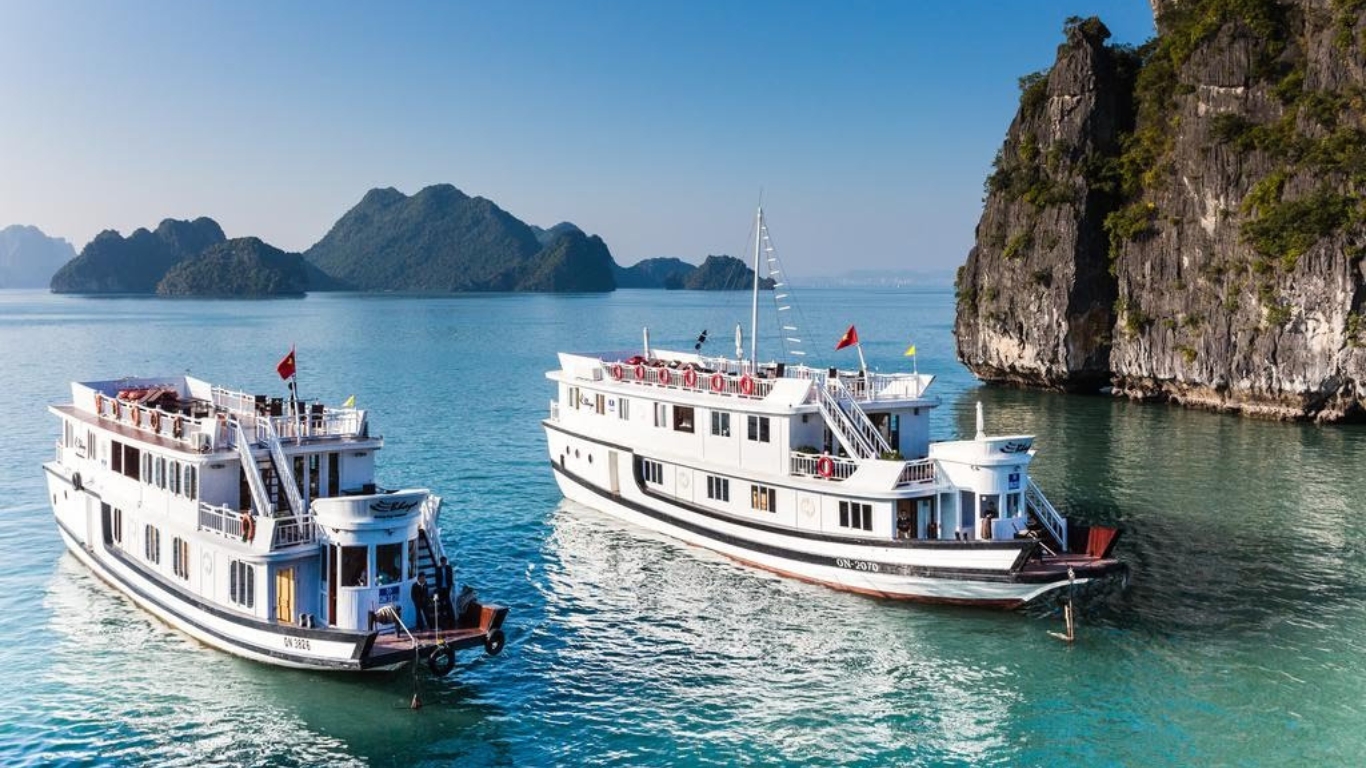
Few travelers choose the north for water clarity. They come for limestone islands rising out of the sea, and the beach is a pleasure stop along the way. Typhoon risk peaks in the same warm months that make swimming comfortable, and ferries and cruises can be suspended at short notice. Winter suits cruising and sightseeing but is too cool for a swim. If you plan a swim stop on the water, compare the Halong Bay cruise options before settling on dates.
Central: The Reliable Middle
This is the coast most people mean when they say Vietnam beach holiday. Beach days and heritage sit an easy drive apart, which is why many of our Vietnam tours lean on it. The trade-off is autumn, when rain, rough seas, and storm risk climb and flooding can follow heavy rainfall. Hue and Lang Co, north of the Hai Van Pass, stay wetter for longer.
South-Central: Drier, and Windier
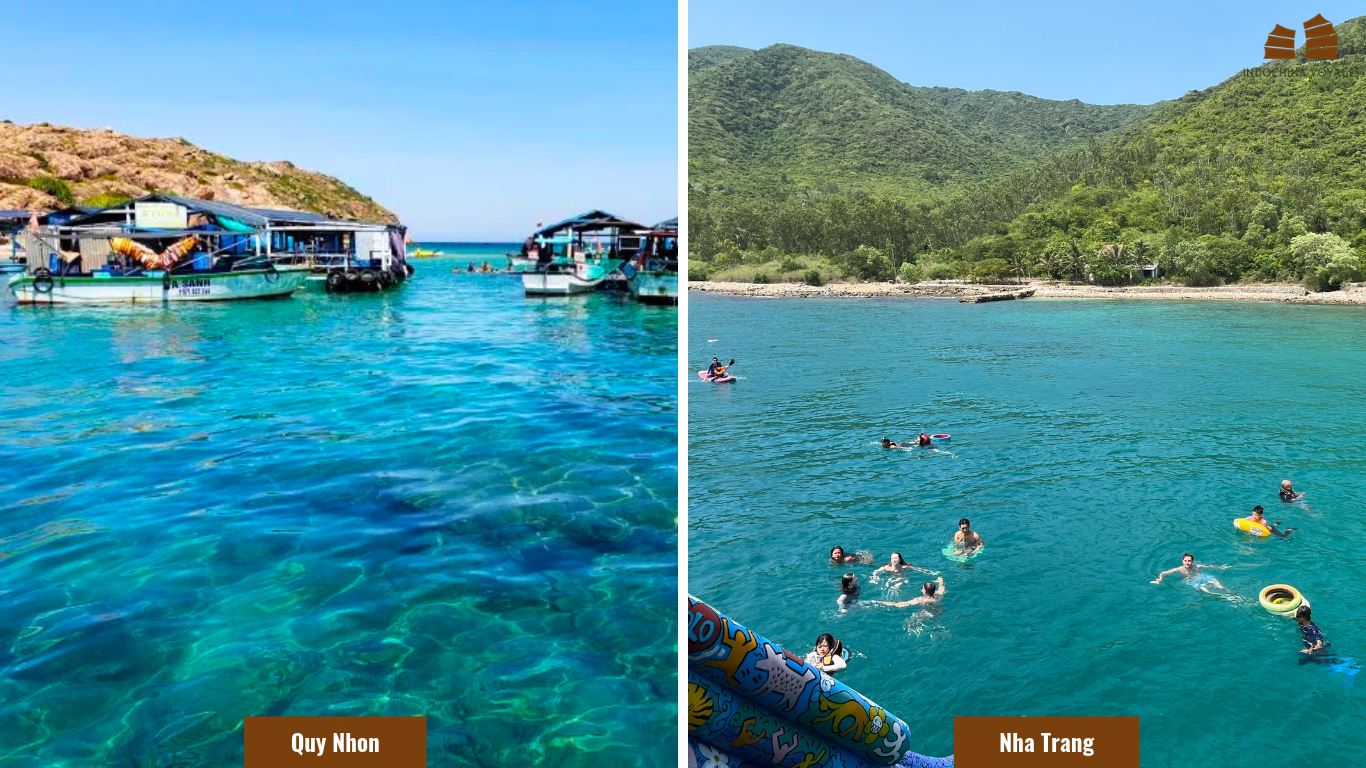
Quy Nhon and Nha Trang broadly follow the central window, though Nha Trang is drier overall and its wet weather concentrates in autumn. Mui Ne runs on its own wind, which suits kitesurfers better than relaxed swimmers. This coast folds easily into our Indochina tours when a single resort feels too narrow.
Southern Islands: The Dry-Season Escape
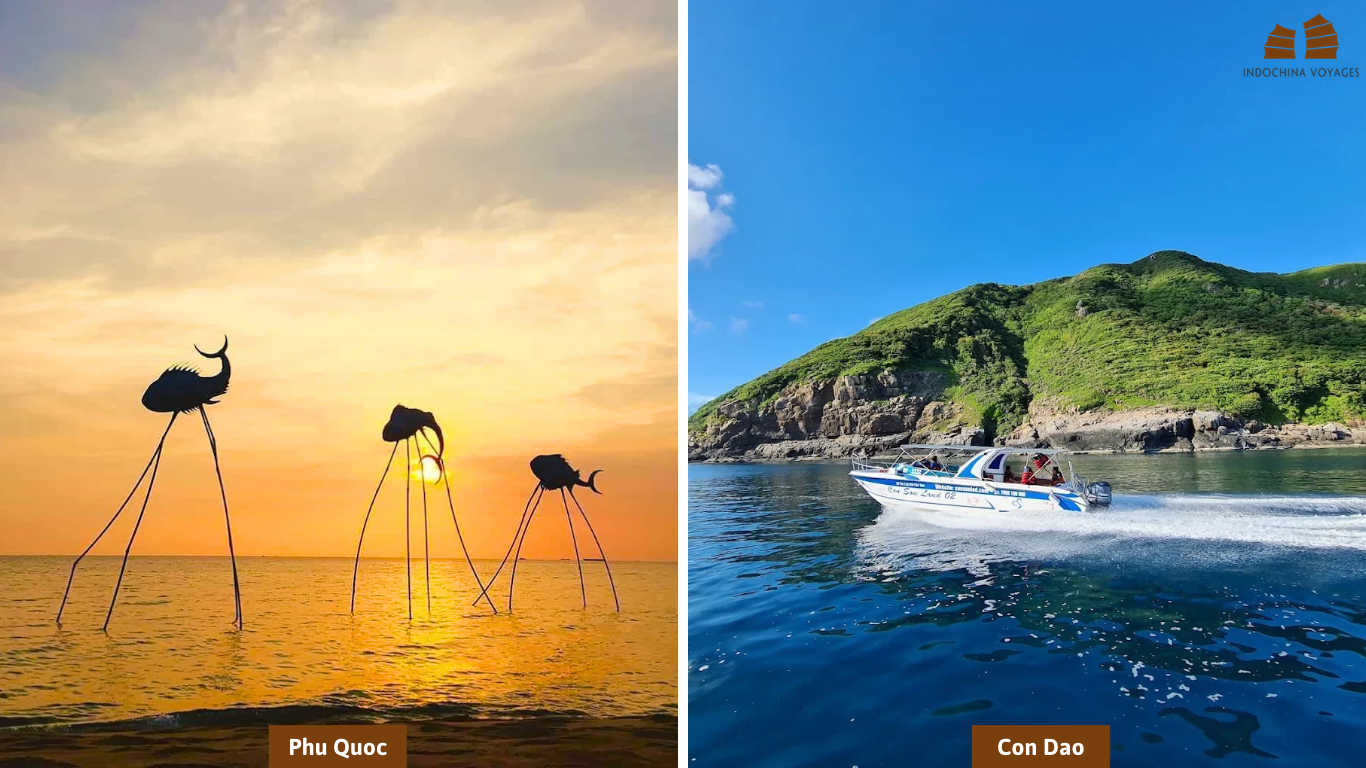
Phu Quoc’s exposed western shore gets rougher in the wet months, and Con Dao’s swell and storms return in the second half of the year. Boat trips on both follow the sea, so a flexible plan protects the holiday.
How the Coasts Fit Together
Put the three coasts side by side, and the relay becomes visible: the bright band sits in the south through winter, slides to the central coast in spring, spreads north for the summer, and drops back south as autumn storms arrive. These windows are planning guides rather than guarantees. Travelers who would rather start from a route than a beach can see sample itineraries here.
💡Holiday Periods and Crowd Pressure
Tet, which falls in late January or February, lifts prices and tightens transport across the country, and our guide to Vietnam in January explains what to expect. Reunification Day on April 30, Labor Day on May 1, and Independence Day on September 2 bring domestic travel peaks, and June to August adds school-holiday demand on the central coast. For help timing a booking around these dates, ask our team.
The 12 Best Beaches in Vietnam: What Each One Is Really Like
The entries run from north to south. Province labels follow the 2025 administrative merger, so Hoi An now sits within Da Nang, Quy Nhon within Gia Lai, Phu Quoc within An Giang, Con Dao within Ho Chi Minh City, and Mui Ne within Lam Dong.
1. Co To Island, Quang Ninh
Quang Ninh · best May to September
Co To is the answer for travelers who like their islands small enough to cover by bicycle. Three beaches do the work: Hong Van, the clearest of them, plus Van Chay and Love Beach, both broad enough that a busy weekend still leaves room to spread out. A rented bicycle or motorbike links all three in a day, and early light is kind to Hong Van.
The catch is the ferry from Van Don. Sailings follow the sea, typhoon season can cancel them outright, and a tight connection to an outbound flight is a gamble. Leave a spare day at either end.

2. Cat Ba and Lan Ha Bay, Hai Phong
Hai Phong · best May to October for swimming
Cat Ba is the one northern island where a beach day does not depend on a cruise. The Cat Co beaches sit a short walk from Cat Ba Town, which makes them the easy choice for a swim between sightseeing stops. The prettier sand lies farther out. Ba Trai Dao, or Three Peaches, is a cluster of small crescent coves in Lan Ha Bay that only boats and kayaks reach, and whether you land depends on the tide, the weather, and the operator’s plan for the day.
Titop Island in Ha Long Bay works the same way, as a cruise stop with a climb of roughly 400 steps to the viewpoint, best in morning light. Time ashore varies widely between itineraries, so ask any operator to name the beach and the minutes you will get.
3. Lang Co, Hue
Hue · best April to August
Lang Co is a long curve of sand with a lagoon behind it, just north of the Hai Van Pass. Most travelers treat it as a pause rather than a destination, and that is its use: one night here breaks up the drive between Hue and Hoi An and puts the sea in the middle of a heritage route. Resorts run the bay, so expect calm and good service in place of a beach town. A central route such as Classic Central Vietnam 5 Days pairs naturally with it.

4. My Khe and Non Nuoc, Da Nang
Da Nang · best February to August
For a beach with a city attached, this is the one. My Khe is Da Nang’s urban stretch, lined with hotels, seafood restaurants, and water-sports operators, and it is best met before the heat. At dawn locals swim, jog, and exercise, and the sand is at its cleanest and the water at its calmest. The name “China Beach” dates to the war, when US servicemen came here on leave.
Farther south, Non Nuoc lies beneath the Marble Mountains, calmer and more resort-minded, and within reach of Hoi An and My Son. The Da Nang Luxury Beach Vacation 4 Days shows how a short stay can be arranged.
5. An Bang, Hoi An
Da Nang (Hoi An) · best February to August
An Bang is what happens when a beach is built around lunch. A short road or cycle ride from Hoi An’s Ancient Town, it offers seafood shacks and beach bars, and it works best as the second half of a day that began in the old town. Sunset draws crowds, especially at weekends, and beach width and sea state shift through the year. The hotel choice matters more than usual: stay near the sand for mornings, near the old town for evenings, and accept that you are picking one. When the sea is calm, a snorkeling day trip to the Cham Islands is worth the detour.
6. Ky Co, Quy Nhon
Gia Lai (Quy Nhon) · best March to August
Ky Co is the beach that put Quy Nhon on international itineraries: a curve of pale sand between rocky headlands, with clear water on calm days. It is no longer undiscovered, so go with the right expectation, which is a scenic half day rather than a hideaway. Access typically combines a road transfer with a boat crossing or an organized excursion, and both the arrangements and the fees change between seasons, so confirm them before setting out. The nearby Eo Gio viewpoint makes a natural pairing.

7. Bai Xep, Quy Nhon
Gia Lai (Quy Nhon) · best March to August
Bai Xep suits travelers who would rather watch fishing boats come in than join an activity. The bay sits beside a working village, with homestays and seafood restaurants within a short walk. Facilities are modest and transport thins out after dark, which is the price of the quiet, so check how far your lodging sits from both the sand and the restaurants before booking. A Quy Nhon stay can also be stitched into a wider route through custom Indochina packages.
8. Nha Trang
Khanh Hoa · best February to August
Nha Trang is the only beach on this list built for a night out as well as a swim. A six-kilometer beachfront carries a deep hotel inventory, restaurants, and nightlife, and boat trips to the Hon Mun marine area make the city the coast’s most organized base for snorkeling and diving. The trade-off is density, and for quieter sand you head to Doc Let to the north or Bai Dai near Cam Ranh to the south.

9. Doc Let, Khanh Hoa
Khanh Hoa · best February to August
Doc Let is the usual answer when someone loves Nha Trang’s sea but not its buildings. Roughly 18 kilometers of pale sand and shallow water make the bay calm and easy for wading, and resorts and homestays line parts of it. Weekends bring visitors, and the bay takes real time to reach from the city, so a day trip needs a return transfer arranged in advance.
10. Mui Ne, Lam Dong
Lam Dong · best November to April
Mui Ne is the beach where the wind is the attraction. From November to April steady breezes fill the kites of the schools lining the beachfront, and the red and white sand dunes round out a short stay. Swimmers should adjust their expectations, because the wind that lifts a kite also whips up chop at the shoreline. At roughly four to five hours by road from Ho Chi Minh City, it suits a short break from the city or a stop on a southbound route. Check an operator’s record before paying for lessons or gear.
11. Phu Quoc, An Giang
An Giang · best November to April
Phu Quoc is really two beach destinations sharing an airport. On the southeast coast, Sao Beach and Khem Beach offer pale sand and calmer water, and Sao rewards an early arrival, before the day-trippers. On the west, Long Beach carries the resort strip and the island’s best sunsets. In the wetter months, the western shore is more exposed, so the coast you choose should follow the calendar as much as the hotel does.
Boats to the An Thoi archipelago handle the snorkeling, and the night market handles dinner. Two ready-made stays are Phu Quoc Luxury Escape 5 Days and Phu Quoc Beach Break 4 Days, and travelers arriving overland can read about getting to Phu Quoc from Cambodia.
12. Con Dao, Ho Chi Minh City
Ho Chi Minh City (Con Dao) · best February to June
Con Dao is the beach holiday with a conscience. The islands are remote, protected, and costly to reach, and in return they give quiet sand at Dam Trau and Bai Nhat on Con Son island, in marine surroundings where turtle-nesting protections and park rules shape what visitors can do. History sits right beside the scenery. Con Dao Prison, a former colonial and wartime prison for Vietnamese political prisoners, is now a memorial site, and many visitors pair it with beach time for a more reflective trip.
Swell and typhoons can disrupt flights and boats, so Con Dao is not a year-round swim destination. Build buffer days around transport, and confirm any seasonal limits on marine activities before you book.
Travelers based in Ho Chi Minh City who want a shorter escape can also consider Ho Coc and Ho Tram on the nearby coast.
Choosing a Beach by What You Want from the Trip
The most famous beach is rarely the best fit. A better question is what the trip needs to do: restore, entertain, teach, or simply stay out of the way.
Resorts: island or city? Phu Quoc gives the fuller escape, with beachfront resorts, private transfers, and spa depth, though every outing starts with a boat or a drive. Da Nang puts an airport and a sightseeing base close to the sand, and Nha Trang adds islands and diving. You can browse Indochina travel packages that pair resort stays with guided days.
Traveling with children. Da Nang and Nha Trang work best for families because lodging, restaurants, and transport sit within easy reach of the sand. Check whether your specific stretch has lifeguards, and keep children in sight whatever the water looks like.
Couples who want quiet. Con Dao, Bai Xep, and the quieter corners of Phu Quoc suit couples who value privacy. The cost is convenience: island and fishing-village stays need extra transfer time and offer fewer evening options. A planner can match these places to your dates through tailor-made Vietnam tours.
Wind, reef, and dive days. Mui Ne is the kitesurfing base from November to April, and Nha Trang runs the most organized boat, snorkeling, and diving programs. What is actually available on the day depends on operator quality, the season, and marine-protection rules. Beach segments can be added to our Indochina tours when diving or kitesurfing is the priority.
Planning the Trip: Days, Routes, and Water Safety
How Many Days to Allow
Two to three days suits a short beach extension in an accessible city such as Da Nang. Four to five days lets a stay settle into resort rhythm or a slower coastal area, and seven days or more fits an island stay combined with cultural stops. Treat these as planning ranges, since flights and weather shift the real schedule; this page shows how a trip can be tailored to your pace.
Routes That Pair Beaches with Culture
Several routes put sand and sightseeing in the same trip without long overland days.
>>>> Central heritage: Hue, Lang Co, Da Nang, and Hoi An make the easiest pairing of beach days and old-town evenings. Classic Central Vietnam 5 Days is a compact version.
>>>> Northern: Hanoi to Ha Long Bay and Cat Ba, with the swim stop built into a Halong Bay cruise.
>>>> Southern city and island: Ho Chi Minh City to Phu Quoc, with a Mekong stage in between; a luxury Mekong cruise suits that gap.
>>>> South-central: Da Nang, Quy Nhon, and Nha Trang for a longer coastal route.
For wider Vietnam tours that include beach time, see Vietnam Cultural Highlights 14 Days, Classic Adventure Vietnam 12 Days, and Grand Sensational Vietnam 20 Days. Distances between regions usually call for domestic flights, and not every beach connects conveniently by road. If you want a route built from scratch, you can request custom Indochina packages.

Swimming Safely and Leaving Nothing Behind
Read local flags, lifeguard instructions, and weather warnings before entering the water, because rip currents are the main hazard on open beaches and currents change with the weather. Confirm cancellation and rescheduling terms for boat excursions, choose licensed operators for water sports, and protect marine zones by carrying out litter and using reef-safe sunscreen. Island visits need ferry buffers, and the specialists at Indochina Voyages build that contingency time into every beach itinerary they plan.
FAQs
When is the best time for a beach holiday in Vietnam, and which coast is best?
It depends on the month and what you want from the trip, so use the monthly table above. In short: the southern islands from November to April, the central coast from February to August, and the northern bays from May to September.
Are Vietnam’s beaches safe for swimming?
Conditions vary by beach and by week, so follow local flags and lifeguard instructions and watch for strong currents and rough seas. For wider practical advice, read more in our Vietnam travel hints.
How do Vietnam’s beaches compare with Thailand’s?
Both countries offer strong beach holidays with a different character. Thailand’s beach infrastructure is more developed and its resorts more established, while Vietnam’s coast tends to feel less commercialized and often costs less. Vietnam also pairs its coast with heritage destinations, particularly around Hoi An and Hue.
Are Vietnam’s beaches clean?
Cleanliness varies. Managed city and resort beaches are generally maintained, while quieter stretches may carry debris washed ashore or left by visitors. Choosing actively managed beaches and carrying out your own litter helps.
Which beaches are closest to Hanoi or Ho Chi Minh City?
Cat Ba and Co To are the main options from Hanoi. From Ho Chi Minh City, Mui Ne is reachable by road, while Phu Quoc and Con Dao are best reached by air.
How many days are needed to combine beaches with sightseeing?
Four to five days around Da Nang and Hoi An covers both comfortably, while a week or more suits an island stay paired with a city, as in our Indochina travel packages.
—
Whether you’re seeking a luxurious resort experience in Phu Quoc, the urban beach vibe of Da Nang, or the untouched beauty of Con Dao, Vietnam’s beaches cater to every type of traveler. The key to an unforgettable beach holiday in Vietnam is choosing the right destination based on your travel style, the season, and what you want to experience. Questions about routes, dates, or comfort level can go to our team at info@indochinavoyages.com.
Remember that some of the most memorable experiences often come from the less famous beaches, where you can still find that perfect balance of natural beauty and local charm that makes Vietnam’s coastline so special.
Thuy Dang – From Indochina Voyages Team