
The best time to go to Bangkok is November through February, when temperatures sit comfortably between 25-28°C, skies stay clear, and the city’s temples, night markets, and rooftop bars are all performing at their best. If that window doesn’t fit your schedule, March to May brings the Songkran water festival and lower hotel rates, while June to October offers quieter streets, deep discounts, and shopping malls that make Bangkok’s wet afternoons genuinely enjoyable. Whichever month you land, this guide tells you exactly what to expect.
Bangkok’s 3 Seasons, What to Expect Each Month
Bangkok’s climate follows three distinct seasons, and understanding each one is the fastest shortcut to a better trip. The table below maps the Bangkok climate by season so you can match your travel dates to your priorities at a glance.
| Season | Months | Temp | Rainfall | Best For |
|---|---|---|---|---|
| Cool & Dry | Nov-Feb | 25-28°C | Low | Temples, markets, outdoor exploring |
| Hot | Mar-May | 33-38°C | Low-Med | Songkran festival, budget travel |
| Wet | Jun-Oct | 28-32°C | High | Mall-hopping, fewer crowds, lower rates |
The cool dry season is widely considered the sweet spot: humidity drops, mornings feel fresh enough to walk between temples, and outdoor markets are far more comfortable to explore. December, however, is the single busiest and most expensive month. If you’re targeting this window, book accommodation near a BTS Skytrain Bangkok station at least two to three months in advance.
Not sure which season fits your travel style? Tell Indochina Voyages your travel dates via this form and let us help you decide!
Best Time to Go to Bangkok for Temples, Markets & Shopping
Temples & Outdoor Culture: November to February
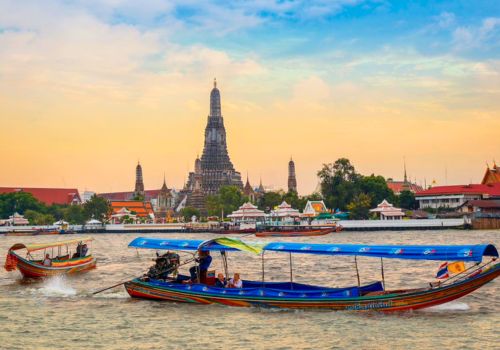
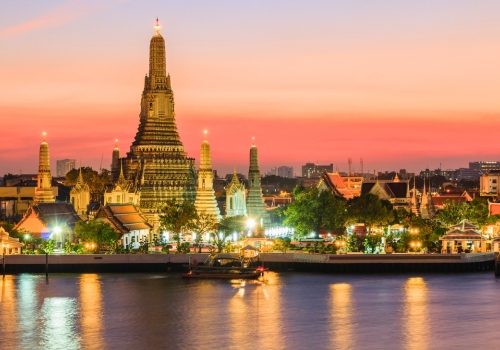
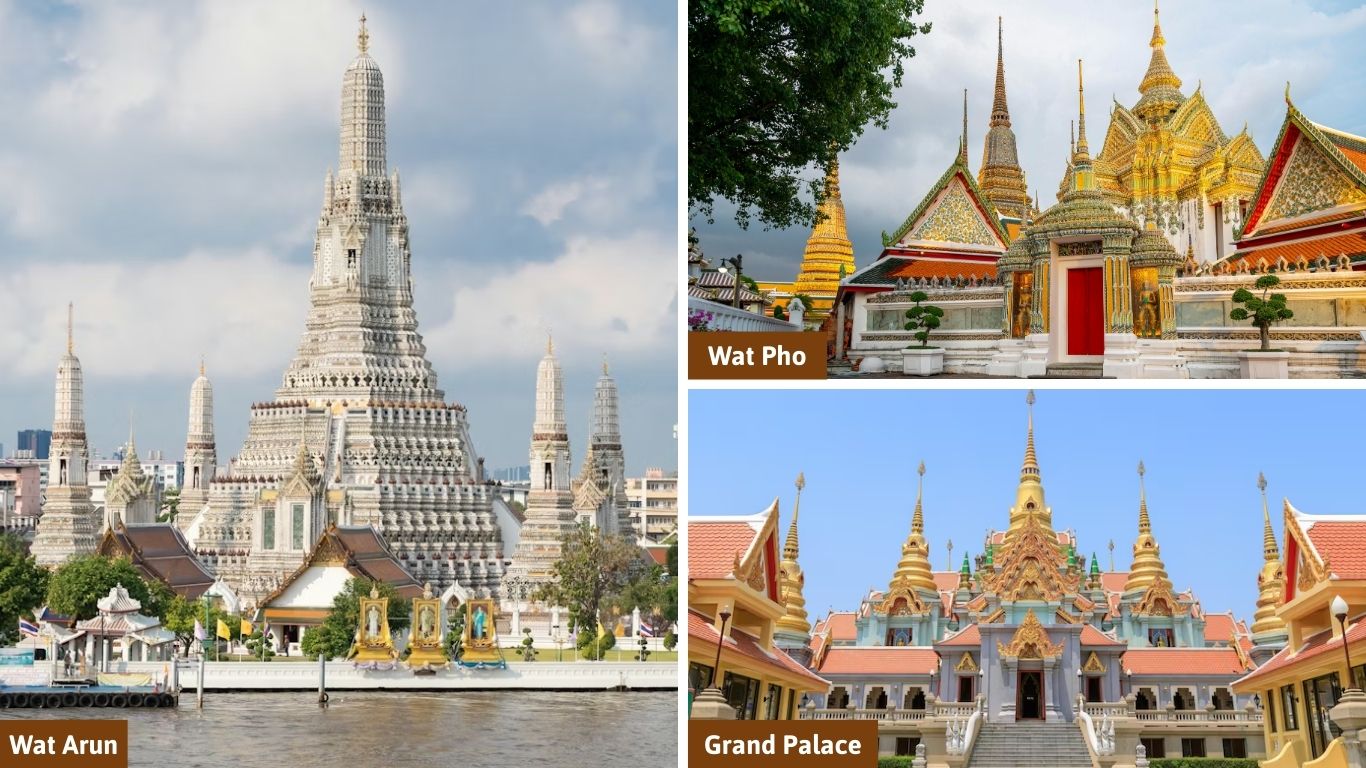
Cool mornings in the dry season make this the ideal window to visit Bangkok’s iconic outdoor sites. Wat Pho, the Grand Palace, and Wat Arun are most rewarding before 10am, when temperatures are manageable and crowds are lighter. Planning around Loy Krathong in November when thousands of lanterns and flower floats drift down the Chao Phraya River adds a layer of magic that no other season can match. This is arguably the best time to go to Bangkok for first-time visitors who want the full cultural experience.
>>> Read more: How to Get to Wat Arun Bangkok Thailand? All You Need to Know Before Coming
Markets: Chatuchak, Pratunam & Beyond
The Chatuchak Weekend Market in Bangkok is one of the world’s largest outdoor markets, with over 15,000 stalls spread across a sprawling open-air space. Visiting between November and February means you’re browsing in cooler air instead of sweating through Bangkok’s 35°C peak heat. Getting there is straightforward: the MRT Bangkok (Chatuchak Park station) and the BTS Skytrain Bangkok (Mo Chit station) both drop you at the market’s entrance. For fabric, fashion, and wholesale goods, the Pratunam Market location near Ratchaprarop Road is best reached via a short ride from Chit Lom BTS, and stays open year-round, though the April heat makes it a tough browse without frequent air-con breaks.
>>> Read more: Top 10 Best Night Markets in Bangkok – Bargain Tips on Bangkok Street

Shopping Malls: June to October
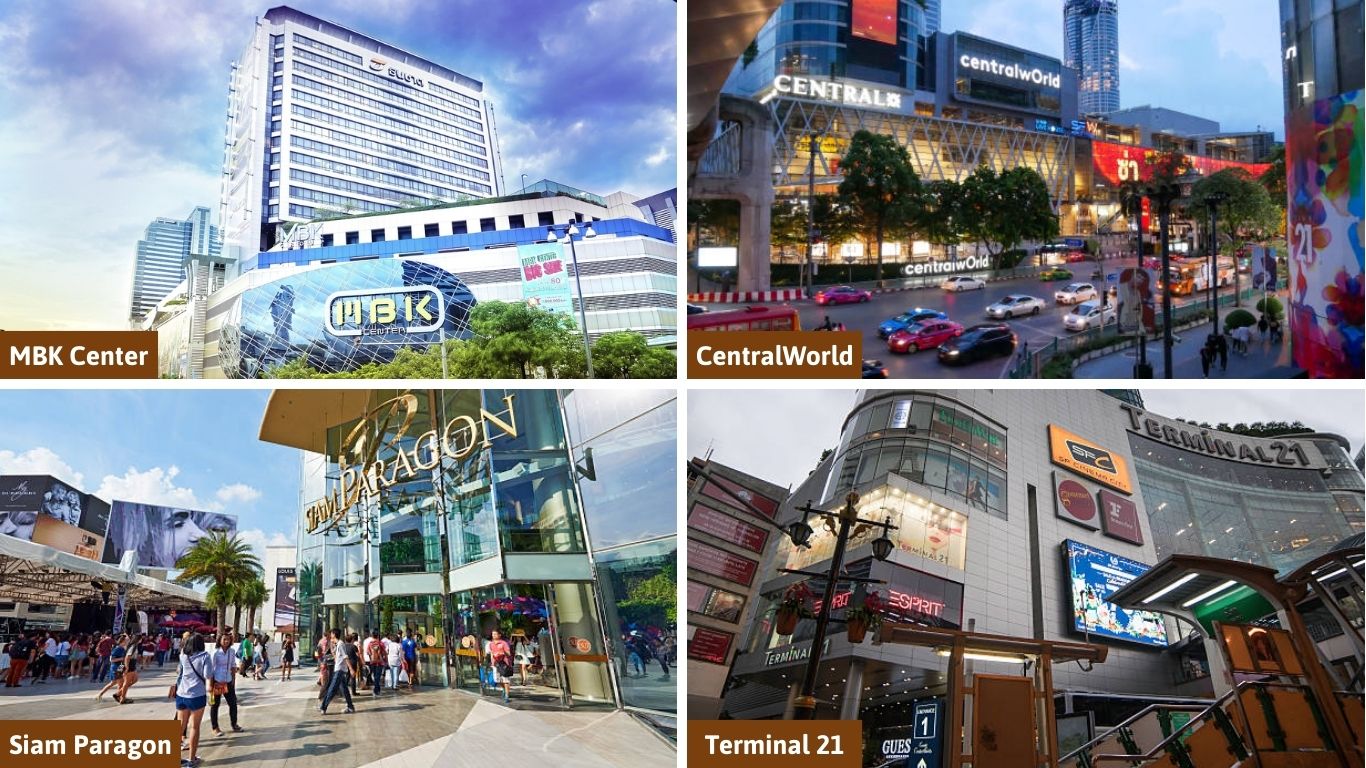
When the wet season rolls in, the shopping malls in Thailand Bangkok: MBK Center, CentralWorld, Siam Paragon, Terminal 21,… become the undisputed highlight of the day. Afternoon showers rarely last more than two hours, and with the metro in Bangkok Thailand connecting most major malls directly, you can move between them without stepping into the rain. The wet season is also when Bangkok’s biggest sale events run, making it a genuinely strong choice for shoppers on a budget. This is a version of the best time to go to Bangkok that most travel guides overlook.
>>> Read more: Bangkok Hidden Gems: Discover the City Beyond the Temples
Bangkok Festivals Worth Planning Your Trip Around
Timing your visit around a Bangkok festival can turn a good trip into an unforgettable one. Here are the key celebrations worth knowing before you book.
– Makha Bucha Day – March 3, 2026: One of Thailand’s most sacred Buddhist holidays. Temples across the city hold candlelit Wien Tien processions after dark, Wat Pho and Wat Traimit are the most atmospheric spots. Note: alcohol sales are banned nationwide for 24 hours on this day. Falls in the cool dry season, making it an easy add-on to a late-Feb or early-March itinerary.
– Songkran – April 13-15: Thailand’s New Year water festival and the biggest street party in Southeast Asia. Silom Road and Khao San Road turn into city-wide water fights; Wat Pho and the Grand Palace host traditional merit-making ceremonies in parallel.
– Loy Krathong – November (lunar calendar): Bangkok’s rivers and canals fill with thousands of candlelit lotus floats. The atmosphere along the Chao Phraya near Wat Arun is unlike anything else in the city and one more reason November is considered the best time to go to Bangkok for first-timers.
– Visakha Bucha – May/June (lunar calendar): The most sacred day in the Buddhist calendar, marking Buddha’s birth, enlightenment, and passing. Candlelit temple processions, alcohol ban for 24 hours, and far fewer tourists than Songkran, ideal for travelers who want cultural depth without the crowds.

Getting Around Bangkok – By Season
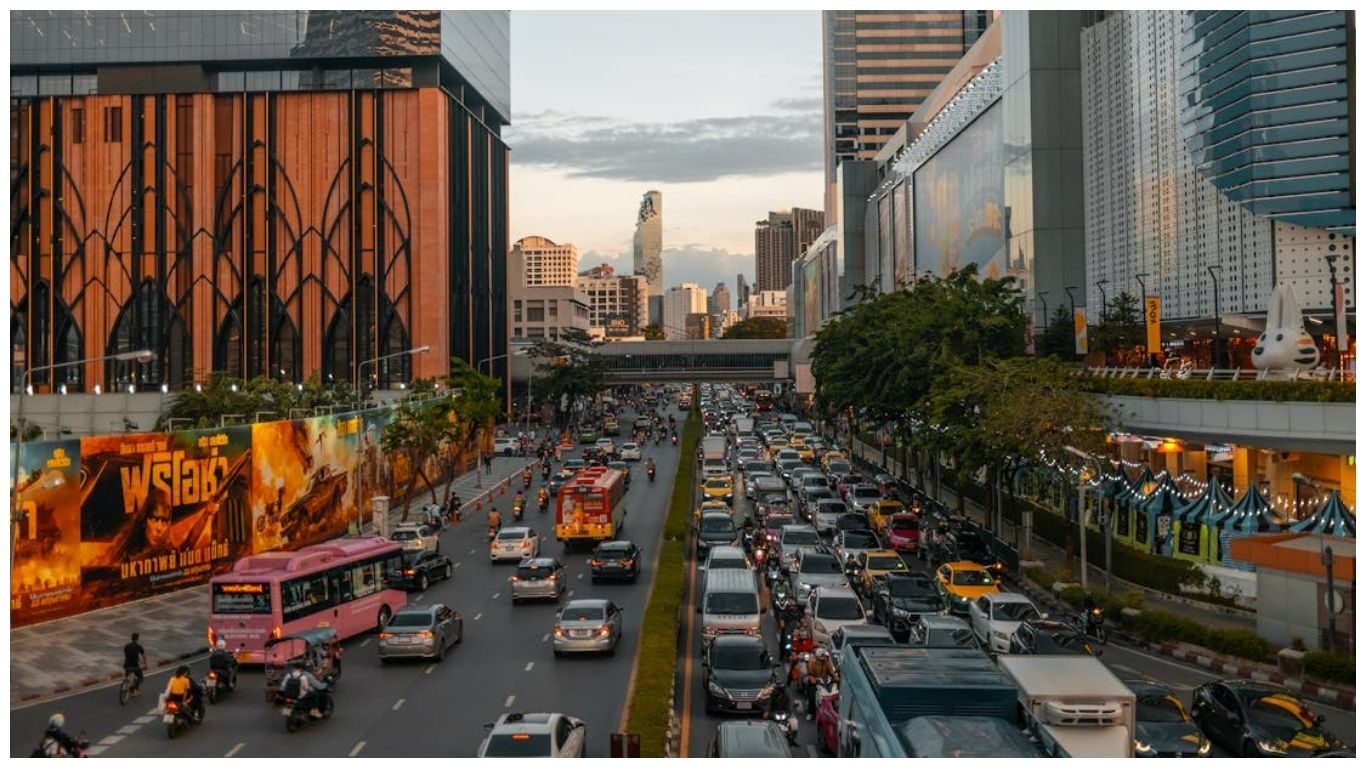
No matter when you visit, the BTS Skytrain Bangkok and MRT Bangkok are your two most important tools. Both are air-conditioned, affordable, and faster than road traffic – a critical advantage during the hot and wet seasons when walking even short distances drains energy quickly.
During the cool season, walking between BTS stops along Sukhumvit or Silom is genuinely pleasant. In the hot and wet seasons, minimize time outdoors between stations and use the Skytrain’s elevated walkways wherever possible. The metro in Bangkok Thailand covers the Chatuchak Weekend Market in Bangkok (Chatuchak Park station), the Pratunam Market location area (Chit Lom BTS, short walk), and all major shopping malls in Thailand Bangkok. For areas not on the rail network, Grab is reliable and far cheaper than tourist taxis.

Month-by-Month Snapshot
If you need a quick reference to decide when to book, this table captures the best time to go to Bangkok trade-offs at a glance.
| Month | Go If You Want… | Skip If… |
|---|---|---|
| Nov-Feb | Best weather, temples, outdoor markets | You dislike peak-season crowds & higher hotel rates |
| Mar-Apr | Songkran water festival | You can’t handle 35°C+ midday heat |
| May-Jun | Transition deals, fewer Western tourists | Unpredictable afternoon storms bother you |
| Jul-Sep | Deepest discounts, authentic local vibe | Heavy rain and potential street flooding |
| Oct | Green scenery, low crowd levels, bargain stays | Occasional flash flooding in some districts |
The overall verdict: November to February wins on weather and experience, while the shoulder and wet seasons win on value and crowd levels. The best time to go to Bangkok ultimately depends on what you’re there for and there is no wrong answer.
Explore our Thailand tours including Bangkok to start planning your trip with Indochina Voyages!
Ready to Plan Your Bangkok Trip?
Bangkok rewards visitors differently in every season and Indochina Voyages has designed itineraries for all of them. Whether you’re chasing cool-season temple mornings, a Songkran adventure, or a week of rooftop bars and air-conditioned mall-hopping, we’ll build a trip around your exact travel window.
Customize your perfect itinerary with Indochina Voyages here or drop us an offline message on the screen, our local expertise ensures you experience the very best of whichever destination steals your heart.