Are you dreaming of a memorable holiday to Vietnam from Australia? Look no further! In this comprehensive travel guide, we will provide you with all the information you need to plan an incredible trip to Vietnam. From flights and visas to currency and the best time to visit, we’ve got you covered.
Flights & Travel time to Vietnam from major cities of Australia
Understanding your flight options, Vietnam’s International Airport are the first step in planning your journey. When you travel to Vietnam from Australia, you’ll typically choose between two main entry points: Hanoi in the north or Ho Chi Minh City in the south.
Vietnam’s International Airports
1. Tan Son Nhat International Airport in Ho Chi Minh City: This is the busiest, handling the majority of Australian flights. This modern facility offers efficient immigration processing, currency exchange, SIM card vendors, and various transport options into the city center.
2. Noi Bai International Airport in Hanoi: This air port serves the northern region and sits about 45 minutes from the city center.
3. Da Nang International Airport: This central airport offers a convenient entry point for Hoi An or Hue, though fewer direct flights from Australia serve this destination.
All three airports provide efficient immigration processing, typically taking 30 to 45 minutes.
Travel Time to Vietnam from Major Cities of Australia
| Australian City | To Ho Chi Minh City | To Hanoi | Direct Flights Available | Best Destination to Start | Suggested Tour |
| Perth | ~6 hours (direct) | 9-11 hours (1 connection) |
Yes (to HCMC) | Ho Chi Minh City (direct flight advantage) | Vietnam Essential Journey 10 Days |
| Melbourne | 10-13 hours (1 connection) |
10-12 hours (1 connection) |
No | Either (similar flight times) | Grand Vietnam Discovery 14 Days |
| Brisbane | 10-14 hours (1 connection) |
11-13 hours (1 connection) |
No | Either (similar flight times) | Vietnam Classic Highlights 12 Days |
| Sydney | 9-12 hours (1 connection) |
10-12 hours (1 connection) |
No | Either (similar flight times) | Vietnam Nature & Heritage 12 Days |
| Adelaide | 12-15 hours (1-2 connections) |
12-14 hours (1-2 connections) |
No | Hanoi (slightly shorter) | Vietnam Nature & Heritage 12 Days |
Expending your trip: Connecting Vietnam with Cambodia
Many Australian travelers combine Vietnam with Cambodia. The most popular connection is between Ho Chi Minh City and Phnom Penh or Siem Reap (home to Angkor Wat).
The Ho Chi Minh City to Siem Reap route works beautifully for travelers flying into Hanoi and traveling south through Vietnam. After exploring Ho Chi Minh City and the Mekong Delta, you can take a direct flight to Siem Reap (just one hour), catch a bus journey (approximately 7-8 hours), or take a combination boat and bus trip.
The Mekong Delta crossing between Chau Doc (Vietnam) and Phnom Penh (Cambodia) via boat offers an adventurous full-day journey through channels and villages, providing a memorable transition between countries.
>>> Our most Aussie’s favorite tour to combine Vietnam and Cambodia: Vietnam Cambodia Holiday 15 Days
One crucial consideration: Vietnamese visas and Cambodian visas function independently. Exiting and re-entering Vietnam requires either a multiple-entry visa or obtaining a new visa for your return. When planning to travel to Vietnam from Australia with Cambodia included, always arrange multiple-entry Vietnamese e-visas or plan your routing to enter Vietnam only once.
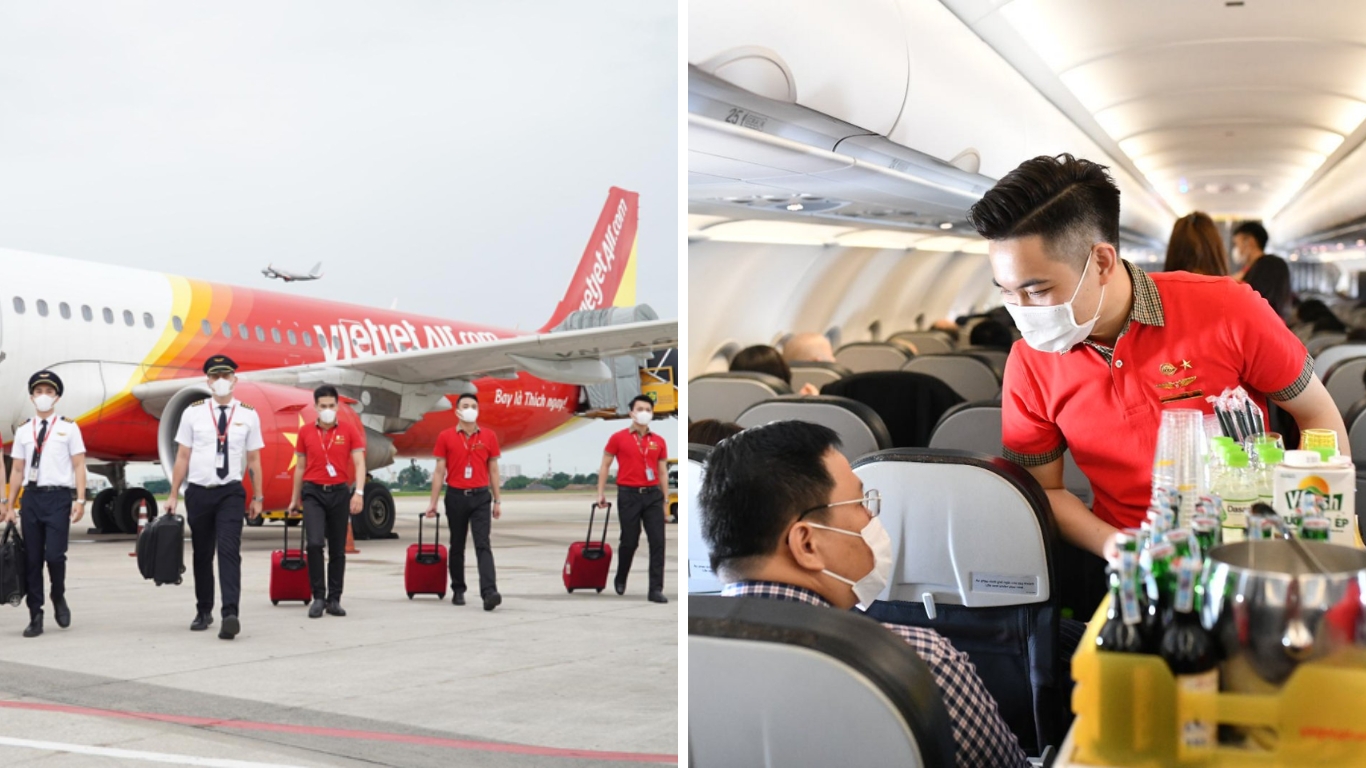
Entry Requirements for Vietnam from Australia: Visas, Passport & Documents
Australian citizens do need a visa to visit Vietnam. Before boarding the flight to Vietnam, you must show either a visa in your passport or a visa approval letter. Also, make sure that your passport is valid for at least 6 months after you leave the country.
There are 3 main ways to get a visa:
1. E-visa (Most convenient and cost-effective)
This is the most convenient method that’s widely accepted at many airports, landports, and seaports in Vietnam. Australian passport holders can obtain an e-visa valid for up to 90 days with multiple entries. Simply visit Vietnam’s official immigration website, fill out the application form, upload a passport photo and passport copy, and pay the fee (currently around USD $25). Before beginning, make sure to have the following:
- A scan of your passport
- An email address for support purposes
- A temporary address in Vietnam
- Your entry and exit dates and entry and exit points/airports
- A valid international credit or debit card.
Follow all the steps and get your application approved at last. Finally, the visa will be sent to your email in a PDF file within 3 working days. Print it out to show it together with your travel itinerary at the airport.
2. Visa on Arrival
Before getting a Visa at the Immigration checkpoint at international airports in Vietnam, you must request an Approval Letter. There are many websites offering the Approval Letter with a fee ranging from USD $6. Especially, some travel agencies will offer it together with the tour package you book from them. Please make sure the name on the letter and other information match with one on your passport. Otherwise, you may be denied entry.
Upon arrival at the international airport, you need to go to the visa counter and show them your approval letter, 2 photos of your passport size, and USD 25 in cash a for single entry or USD 50 in cash for multiple entries to get your visa. The process for this way is ranging from 15 minutes up to 2 hours sometimes. From that we can say the e-visa method is generally more convenient and cost-effective.
Important note
There are 4 airports accepting the Approval letter for Visa on Arrival; including Noi Bai (Hanoi), Tan Son Nhat (Ho Chi Minh), Da Nang, and Nha Trang (Nha Trang). Therefore, don’t use this option if you are planning to enter Vietnam by land or sea entry.
3. Embassy Visa
This is made via the Vietnam Embassy in your country. This way is very convenient for people living near the Embassy, and, if you are not close by, you must send your passport to them. With Embassy Visa, you can get through Immigration quickly at the airport. The only thing is that it normally costs more than the two other ways below, the fee ranges from USD $50-$150 depending on which country you are from.
Money & Currency Guide for Australians
Is It Better to Exchange Money in Australia or Vietnam?
Short answer: Exchange in Vietnam for better rates.
Here’s the breakdown for Australian travelers:
Exchanging AUD in Australia (Before Your Trip):
- Exchange rate: ~15,000-16,500 VND per AUD
- Pros: Convenient, have cash ready upon arrival
- Cons: Worse rates, limited VND availability
Exchanging AUD in Vietnam (Recommended):
- Exchange rate: ~17,000-18,000 VND per AUD
- Pros: Much better rates, widely available
- Cons: Need to bring AUD cash or use ATMs
Money Safety Tips for Australians
- Split your cash – don’t carry everything in one place
- Use hotel safes for large amounts
- Keep small bills for street vendors (many can’t change 500,000 notes)
- Count your money carefully when exchanging
- Get a receipt for all exchanges
- Download currency converter app
- Enable international transactions on your cards
When is the best time to visit Vietnam from Australia?
The most popular time to travel to Vietnam from Australia is during Australian winter months, from May to September. Northern Vietnam enjoys pleasant temperatures and lower rainfall, while southern Vietnam experiences its dry season with warm, sunny days perfect for beach activities.
For the best conditions across the entire country, February to April stands out. The weather remains comfortable throughout Vietnam, with warm temperatures, minimal rainfall, and clear skies. You’ll find fewer crowds than peak season with moderate prices. The landscapes of Halong Bay sparkle under blue skies, and Hoi An’s ancient streets glow without summer humidity.
September to November offers another sweet spot, particularly for active travelers. The rice terraces of Sapa turn golden during harvest season. Rainfall decreases in most regions, and you’ll often score better deals on accommodation and tours.
December to January brings cooler weather to northern Vietnam – perfect for mild-temperature exploration. However, this coincides with Christmas and New Year holidays, so expect higher prices and more tourists. Southern Vietnam remains warm and dry, ideal for beach relaxation.
Consider avoiding October to December in central Vietnam, when typhoons and heavy rainfall can disrupt travel plans. The Mekong Delta experiences high water levels from August to November, which creates unique floating market experiences, though some areas may be less accessible.
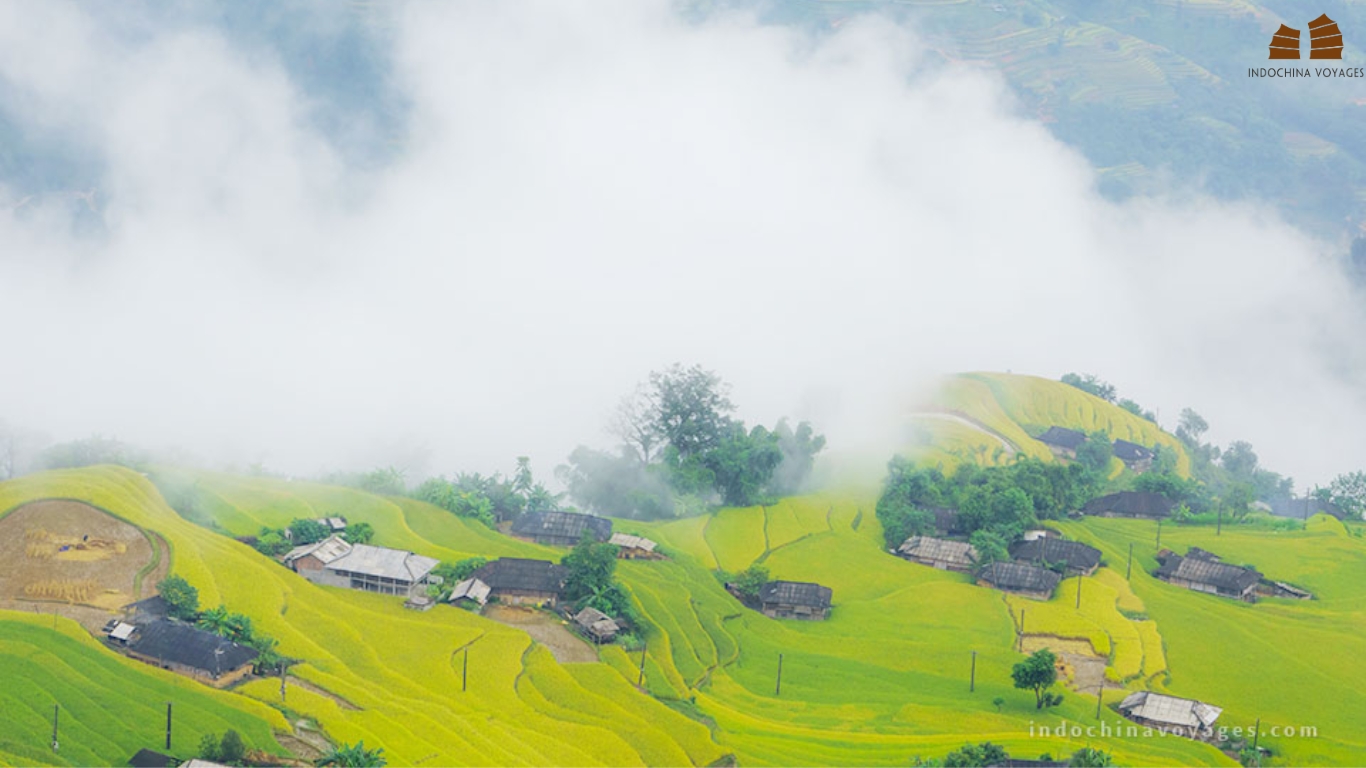
Read our full guide When is the best time to visit Vietnam from Australia? that we have aligned with Australian’s term break for more details!
What can you expect in your Vietnam Tour Packages?
Vietnam Highlights
From bustling cities to serene natural wonders on the mountains or beaches, here are some highlights that make Vietnam a must-visit destination:
Hanoi: This is Vietnam’s capital. It is a city where ancient traditions blend seamlessly with modernity. The Old Quarter, with its narrow streets and centuries-old architecture, offers a glimpse into the country’s history. Don’t miss the Ho Chi Minh Mausoleum, the Temple of Literature, and the Water Puppet Theatre. Hanoi often being the start or the end point of the journey.
Ho Chi Minh City: Formerly known as Saigon, this bustling metropolis in southern Vietnam is a dynamic blend of the old and the new. The War Remnants Museum, Notre-Dame Cathedral Basilica of Saigon, and Ben Thanh Market are some of the city’s iconic attractions. As Hanoi, Ho Chi Minh City also is a starting point or where the journey comes over.
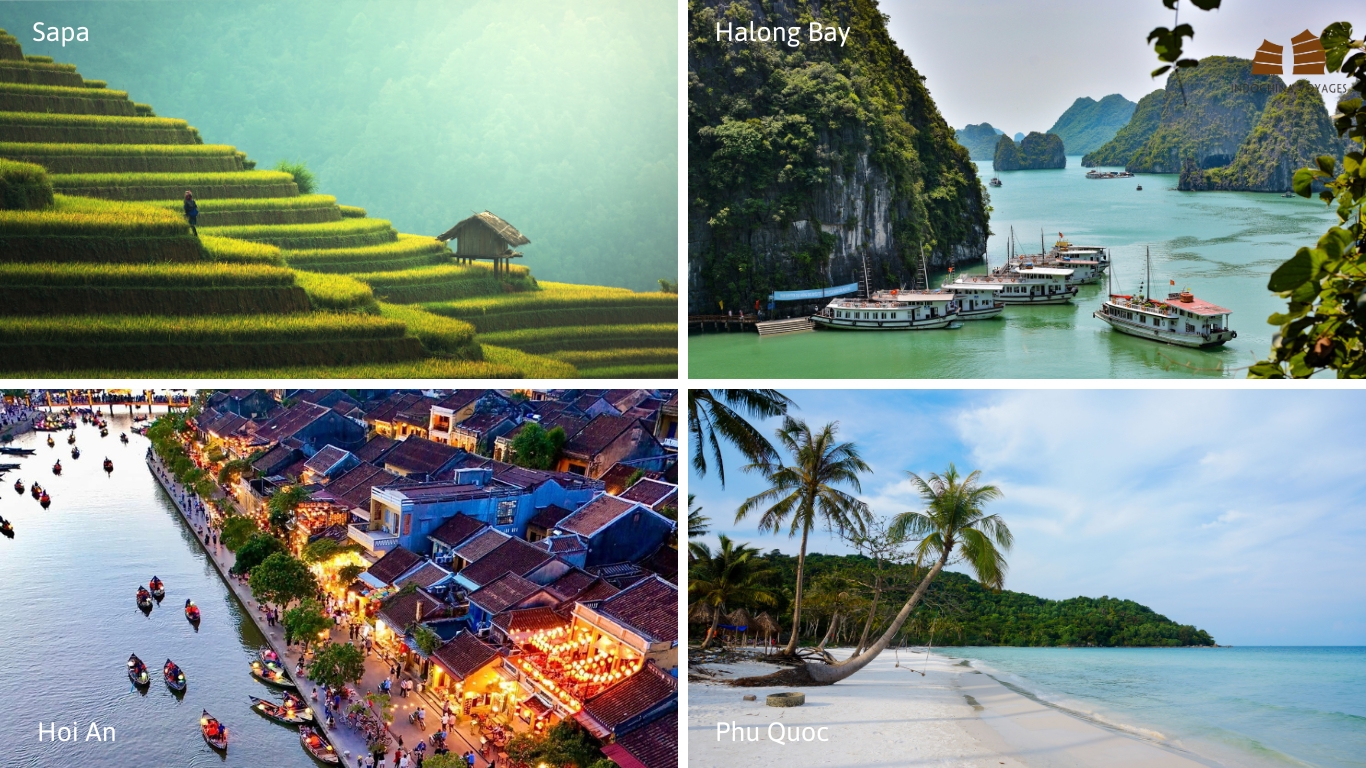
Halong Bay: A UNESCO World Heritage Site, Halong Bay is famous for its emerald waters and thousands of limestone karsts and islets. Taking a cruise through this mesmerizing seascape is an unforgettable experience.
Ninh Binh: Often referred to as “Halong Bay on land,” Ninh Binh is a region of limestone karsts, caves, and rice paddies. Tam Coc and Trang An are popular spots for boat tours amid stunning natural scenery.
Sapa: Nestled in the northern mountains, Sapa is renowned for its terraced rice fields, ethnic minority villages, and breathtaking landscapes. Trekkers and nature enthusiasts flock here to explore the Hoang Lien Son mountain range.
Hoi An: Known for its well-preserved Ancient Town, Hoi An is a charming riverside town with colorful lantern-lit streets. The town is famous for its tailor shops, ancient architecture, and vibrant culinary scene.
Hue: Steeped in history, Hue served as Vietnam’s imperial capital. The Imperial City, a UNESCO World Heritage Site, boasts ancient palaces, temples, and the iconic Perfume River.
Phong Nha – Ke Bang National Park: Venture to the central part of Vietnam to discover the stunning karst landscapes and impressive cave systems, including the world-famous Son Doong Cave.
Phu Quoc: Vietnam’s largest island, Phu Quoc, is a tropical paradise with white sandy beaches, crystal-clear waters, and lush jungles. It’s an ideal destination for relaxation and water activities.
Nha Trang: A coastal city known for its beautiful beaches and vibrant nightlife. Nha Trang also offers cultural attractions such as the Po Nagar Cham Towers and Long Son Pagoda.
Da Lat: Nestled in the Central Highlands, Dalat is a charming hill station known for its cool climate, French colonial architecture, and vibrant flower gardens. Explore the picturesque Xuan Huong Lake, visit the quirky Crazy House, and enjoy the scenic beauty of the surrounding waterfalls and pine-covered hills.
Can Tho: Located in the Mekong Delta, Can Tho is famous for its floating markets, where vendors sell goods from boats along the river. The Cần Thơ Bridge and Ong Pagoda are also notable landmarks.
Off-the-beaten Path Destinations
Beyond the renowned attractions like Halong Bay and Hoi An, Vietnam offers hidden gems and off-the-beaten-path destinations that provide a more authentic and less touristy experience for travelers seeking unique adventures:
Cao Bang Province: Head to the far north to explore Cao Bang, home to the stunning Ban Gioc Waterfall and the serene landscapes of Ba Be National Park.
Pu Luong Nature Reserve: If Sapa is too crowded, then explore the lush landscapes of Pu Luong, known for its terraced rice fields, traditional villages, and scenic trekking trails.
Con Dao Island: A remote archipelago with pristine beaches, vibrant coral reefs, and historical significance due to its past as a prison complex during the French and American wars.
Cat Ba Island: Situated near Halong Bay, Cat Ba Island is the largest in the Cat Ba Archipelago, known for its lush national park, pristine beaches, and vibrant local culture. It provides a more tranquil alternative to the bustling mainland.
Bai Tu Long Bay: Often considered as an extension of Halong Bay, Bai Tu Long Bay boasts similar breathtaking landscapes of limestone karsts and emerald waters but with fewer tourists. It offers a serene and untouched atmosphere for those seeking a more secluded experience.
What to eat?
Discovering local cuisine
The best Vietnam tour packages from Australia should cover a Hanoi street food tour or cooking lesson. From the savory delights of North Vietnam to the unique dishes of the North Mountain, the vibrant flavors of Central Vietnam, and the robust culinary traditions of the South, each region offers its own signature dishes and specialties that are a must-try during your visit:
North Vietnam
- Pho (Phở): Consists of a flavorful broth, rice noodles, and a choice of beef or chicken, garnished with fresh herbs and bean sprouts.
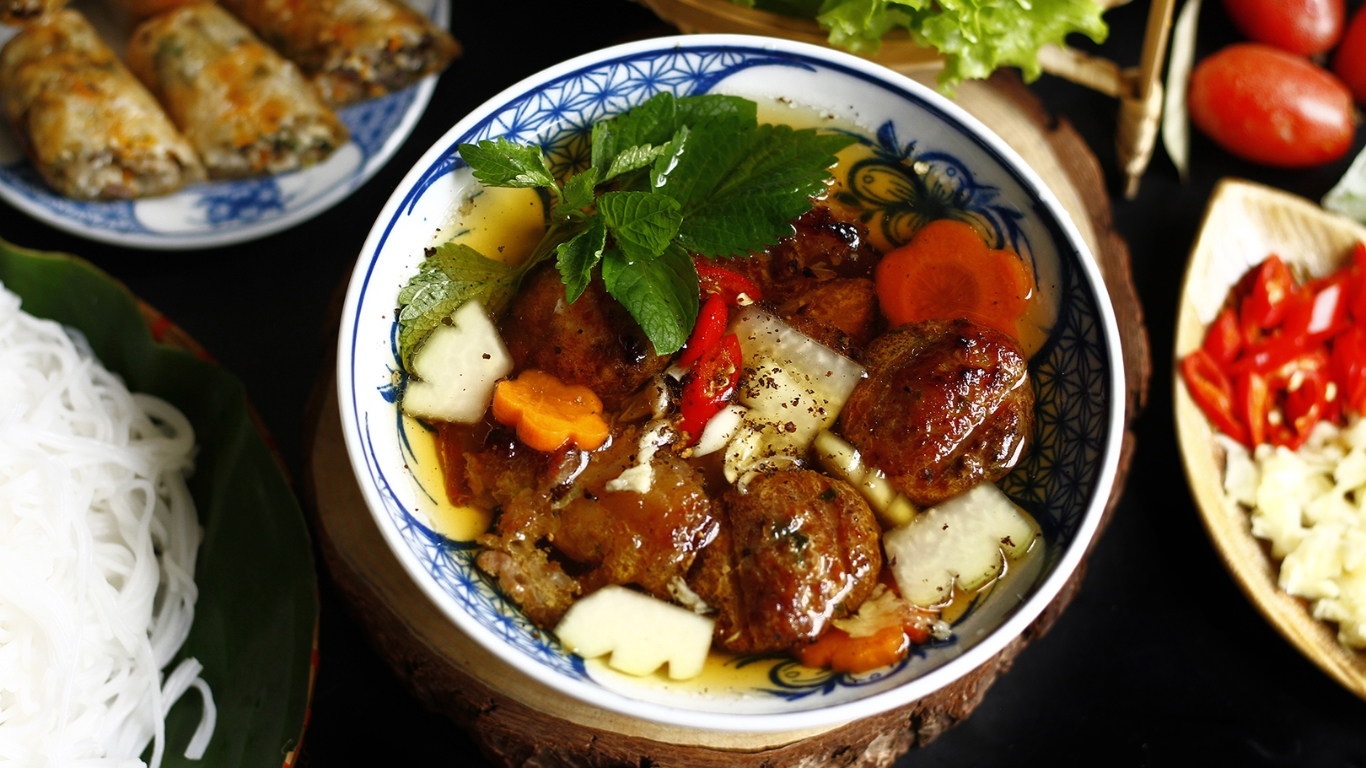
- Bun Cha: A popular dish in Hanoi, Bun Cha features grilled pork served with vermicelli noodles, fresh herbs, and a tangy dipping sauce.
- Cha Ca: Originating from Hanoi, Cha Ca is a dish of turmeric-marinated fish, usually catfish, served with dill, peanuts, rice noodles, and shrimp paste.
Central Vietnam
- Bun Bo Hue: A spicy beef noodle soup that originated in Hue. It features a flavorful broth infused with lemongrass, shrimp paste, and chili, along with beef, pork, and thick rice noodles.
- Banh Xeo: A crispy Vietnamese pancake filled with shrimp, pork, bean sprouts, and herbs. It is typically served with fresh lettuce leaves and a dipping sauce.
- Cao Lau: A specialty of Hoi An, Cao Lau is a dish of thick rice noodles, roasted pork, herbs, and croutons, topped with a savory sauce.
South Vietnam
- Banh Mi: A Vietnamese sandwich that has gained worldwide popularity. It typically consists of a crispy French baguette filled with various ingredients such as grilled pork, pate, pickled vegetables, and fresh herbs.
- Hu Tieu: A versatile noodle soup that can be made with pork, beef, or seafood. It features rice noodles in a flavorful broth, topped with meat, herbs, and crispy shallots.
- Banh Xeo: A southern version of the crispy pancake, Banh Xeo in the south is often larger and filled with a variety of ingredients such as shrimp, pork, and bean sprouts.
Savor Fresh Beer on Vietnamese Streets
For an Australian beer lover seeking a new and unforgettable beer-drinking adventure, Vietnam beckons with its fresh beer culture and vibrant street scenes. You can easily savor Fresh Vietnam Beer or canned beer on Vietnam’s streets at a reasonable price.
Bia Hoi, the quintessential Vietnamese fresh beer, is served daily without preservatives, offering a pure and refreshing taste. Sidewalk beer gardens create a convivial atmosphere, where locals and travelers gather to enjoy their brews amidst the lively ambiance.
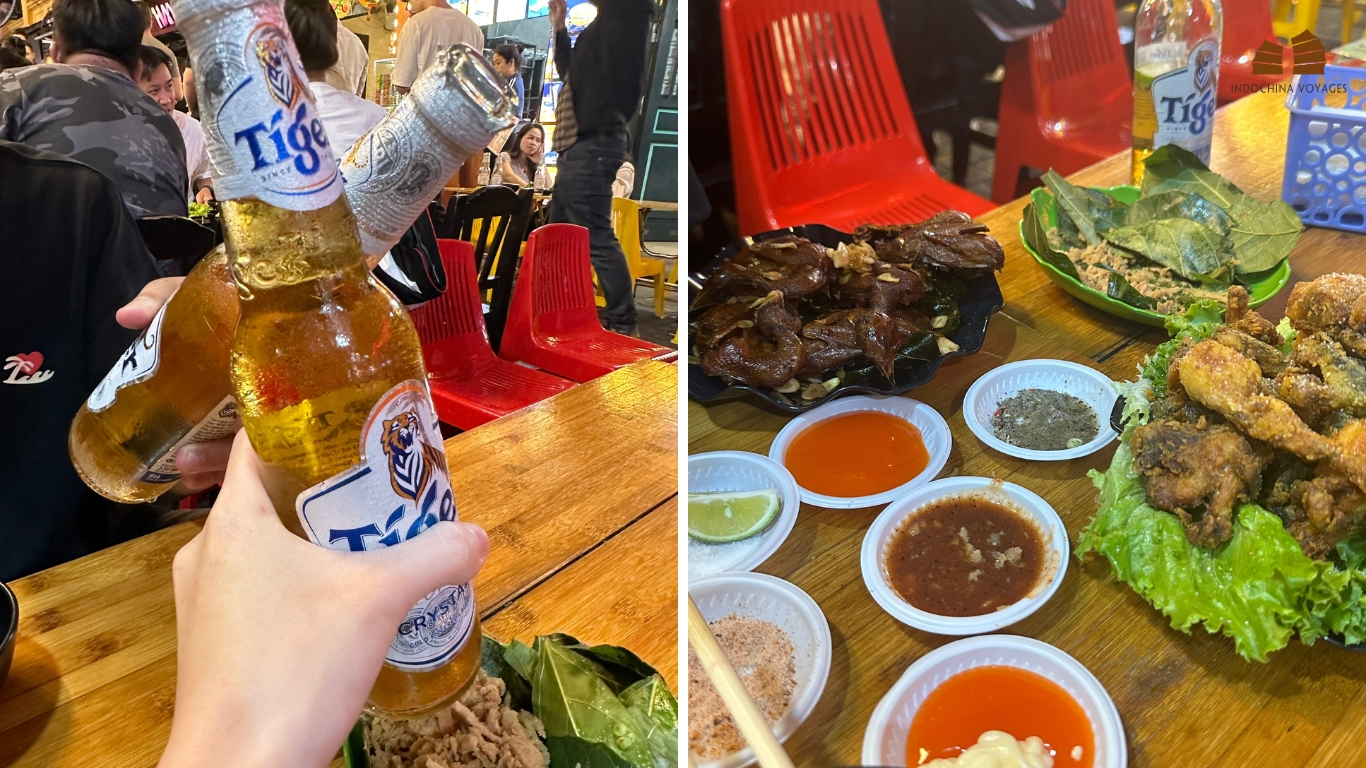
While indulging in Vietnam’s vibrant beer culture is a highlight of exploring the country, it’s important to prioritize safety. After enjoying a few drinks, it’s crucial to make responsible decisions and avoid driving yourself. Vietnamese authorities take drunk driving seriously and conduct alcohol concentration tests on the road. If you’re found to be over the legal limit, heavy fines and penalties can be imposed.
To ensure your safety and the safety of others, it’s advisable to call a taxi or use ride-sharing services to get around after drinking. By making this choice, you can fully embrace the beer culture while also being a responsible traveler.
Party Nightlife with fantastic Bars and Clubs
It is a mistake not to mention Vietnam as a good place for a party. It may surprise some people to know that Vietnam is the second country after South Korea in alcohol consumption in Asia. And one more special thing is that the price is very reasonable when you visit!
Big cities like Hanoi, Ho Chi Minh, Da Nang, and Nha Trang have many bars and pubs in Western style for your enjoyment. The Vibrant music of the DJ, the dazzling flashing lights, and the wonderfulness of the wines will definitely create your unforgettable evenings in Vietnam.
The way Vietnamese people party may not be the same as that of Australians, still, we all share the same hobby of drinking. If you have some Vietnamese friends, let’s go with them to a karaoke bar; which is very popular from urban to rural areas. Believe me, you don’t need to have a good voice, just “sing and shout”; and I bet that would be one of the most memorable hours in your life.
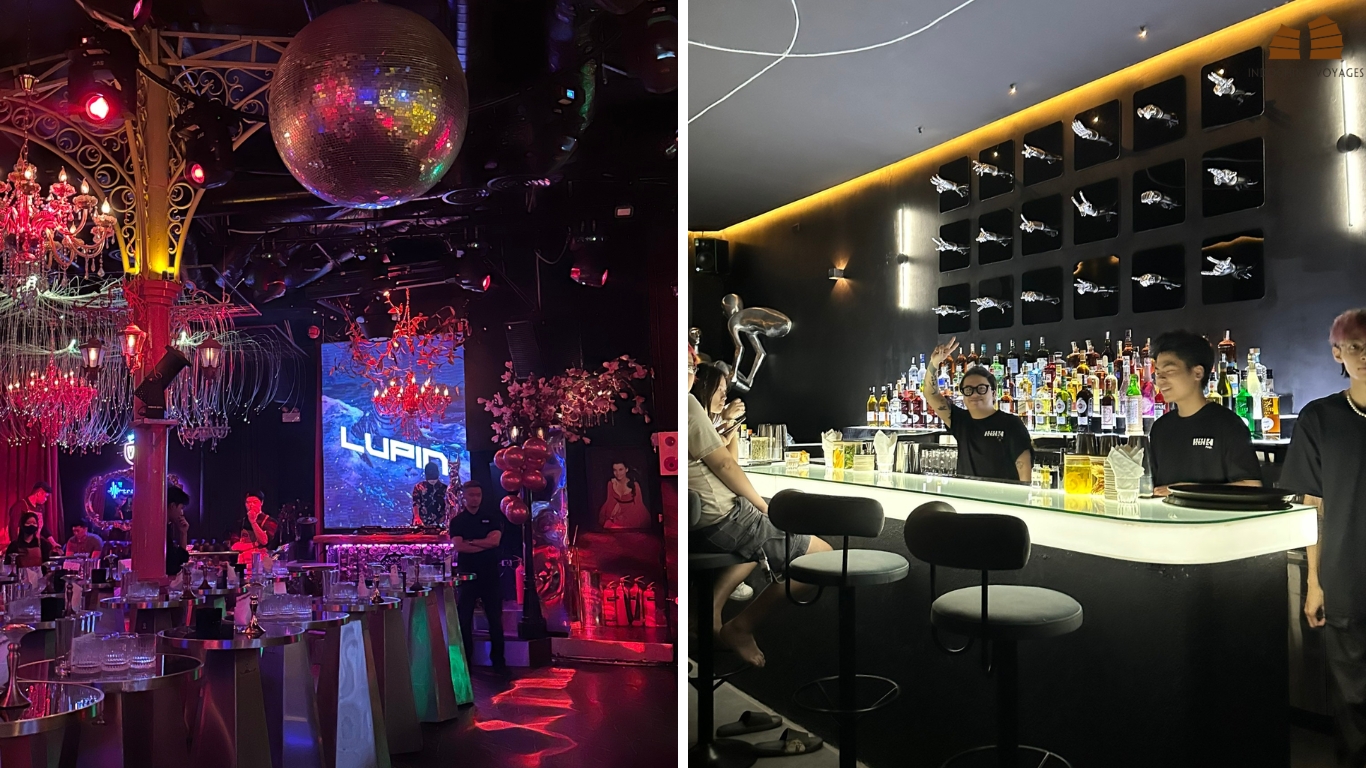
List of Bars Club in Hanoi for your reference:
- Track42 (42L Yen Phu Street, Tay Ho District, Hanoi)
- Doozy (3rd Floor, 48 Trang Tien Street, Hoan Kiem District, Hanoi)
- The Terminal (28-30 Phung Hung Street, Hoan Kiem District, Hanoi)
- Eleven Cocktail Universe (1st Nguyen Van To Street, Hoan Kiem District, Hanoi)
- 1900 LE THÉÂTRE (8B Ta Hien Street, Hoan Kiem District, Hanoi)
- Hidden Cocktail Bar Remedy Potion Class (7 Trieu Viet Vuong Street, Hoan Kiem District, Hanoi)
- Hidden Bar NAP. Cocktail Bar (60 Hang Trong Street, Hoan Kiem District, Hanoi)
Enjoy Private Tours at a Reasonable Price
Such a special thing that Australians cannot miss is that you only pay a Budget-friendly for a private tour in Vietnam. Normally, the travel agency can get a good deal with the hotel so please be worried that your trip can be very expensive.
If you are a young traveler and have a lot of time searching for information. There are a lot of articles and blogs that could help to design the best itinerary for Vietnam. On the contrary, senior people who are often busy with their jobs can find a travel agency to customize a tour based on their travel interests and duration. You might find Vietnam’s cultural highlight 14-day tour suitable for you.
Vietnam Transportation
Once arrive in Vietnam, besides domestic airlines, there are various transports for you to choose from when traveling, from road to railway:
Domestic Airline: Airlines like Vietnam Airlines, VietJet Air, and Bamboo Airways operate frequent flights between major cities, providing a convenient means of exploring different regions.
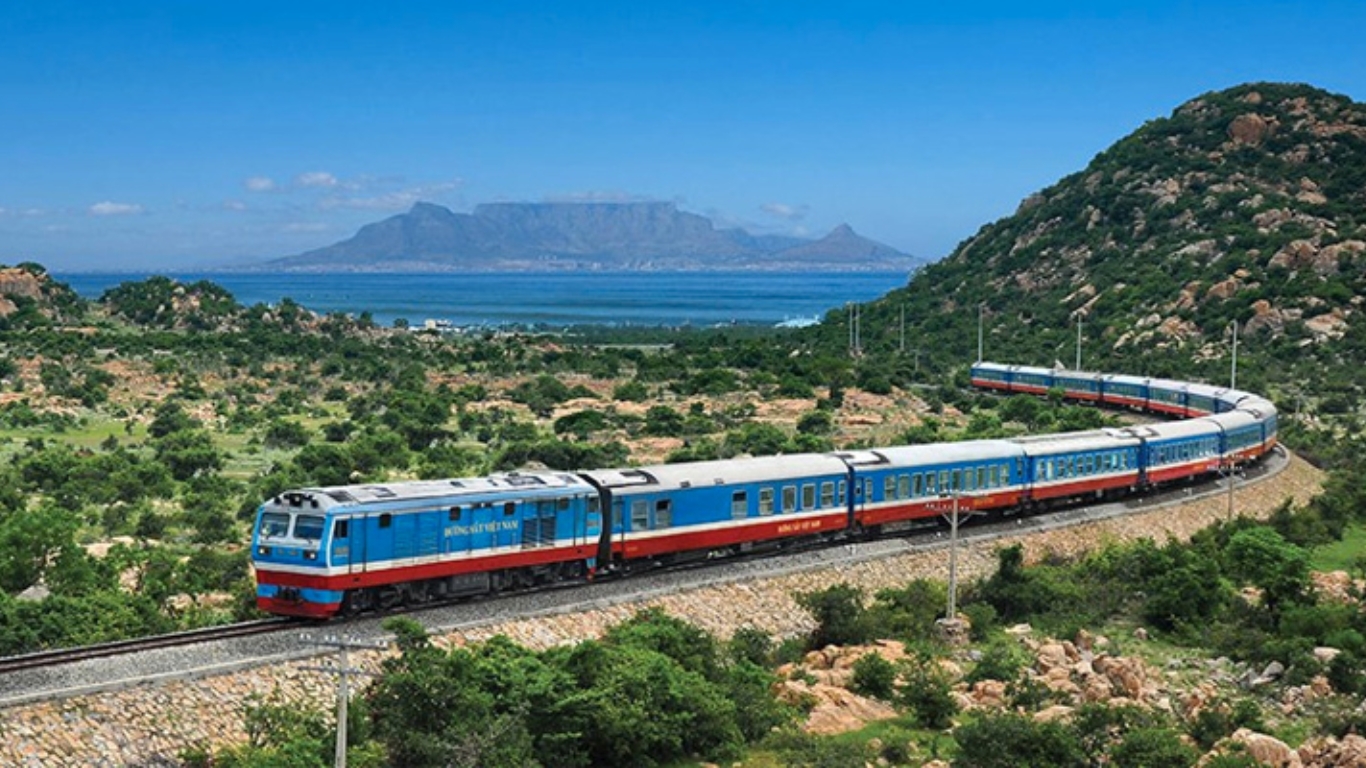
Train: Vietnam’s scenic train journeys offer a relaxed and culturally immersive travel experience. The Reunification Express, running from Hanoi to Ho Chi Minh City, is a popular choice, showcasing breathtaking landscapes along the way.
Bus: A cost-effective and widely used mode of transportation, buses connect cities, towns, and rural areas. While the sleeper buses are suitable for long-haul journeys, local buses are perfect for short distances and offer a chance to interact with locals.
Motorbike: For the adventurous traveler, renting a motorbike provides the ultimate freedom to explore both cities and rural landscapes. However, it’s crucial to prioritize safety, wear helmets, and be mindful of local traffic rules.
Taxis and Ride-hailing Services: Taxis are readily available in urban areas, and ride-hailing services like Grab offer a convenient and transparent option. Ensure that the taxi meter is used or agree on a fare beforehand. Always use reputable services to ensure safety and fair pricing.
Boat, Cruise, and Ferry: With its extensive coastline and numerous waterways, Vietnam offers various boat, cruise, and ferry options. Whether cruising in Halong Bay, exploring the Mekong Delta by boat, or taking a ferry to the islands, water-based transport unveils a different facet of Vietnam’s beauty.
Furthermore with Vietnam And Cambodia Family Tour
If you have a holiday plan for your family and only Vietnam is not enough, a Vietnam and Cambodia family tour presents an ideal holiday for those eager to explore more than one country. Cambodia, a neighboring gem to Vietnam, seamlessly complements the Vietnamese adventure, providing a perfect blend of cultural richness and historical wonders.
As you traverse the bustling streets of Hanoi, cruise through the mystical Halong Bay, and delve into the vibrant markets of Ho Chi Minh City, Cambodia awaits with the awe-inspiring Angkor Wat and the fascinating history of Siem Reap. The proximity of these two countries makes it convenient for families to extend their journey and immerse themselves in the unique charm each destination offers.
Last, but not least, it is really depending on your time duration and travel interest to pick up the best Vietnam tour packages from Australia. Indochina Voyages is one of the best Southeast Asia Tour Companies that focus on customized tours, so don’t hesitate to contact us and let us know your preference and tailor-make your tour perfectly. With more than 15 years of experience in tourism will give you the best advice!
Looking for some sample Vietnam itineraries? Find your Package Holidays to Vietnam from Australia:
- Splendors Of Vietnam & Cambodia 17 Days
- Classic Adventure Vietnam 12 Days
- Vietnam Cultural Highlights 14 Days
>>> Don’t know where to go in Vietnam if having 3 weeks? Read more: 3 Weeks Vietnam: A Comprehensive Guide and Perfect Itinerary
Indochina Voyages Travel Specialists