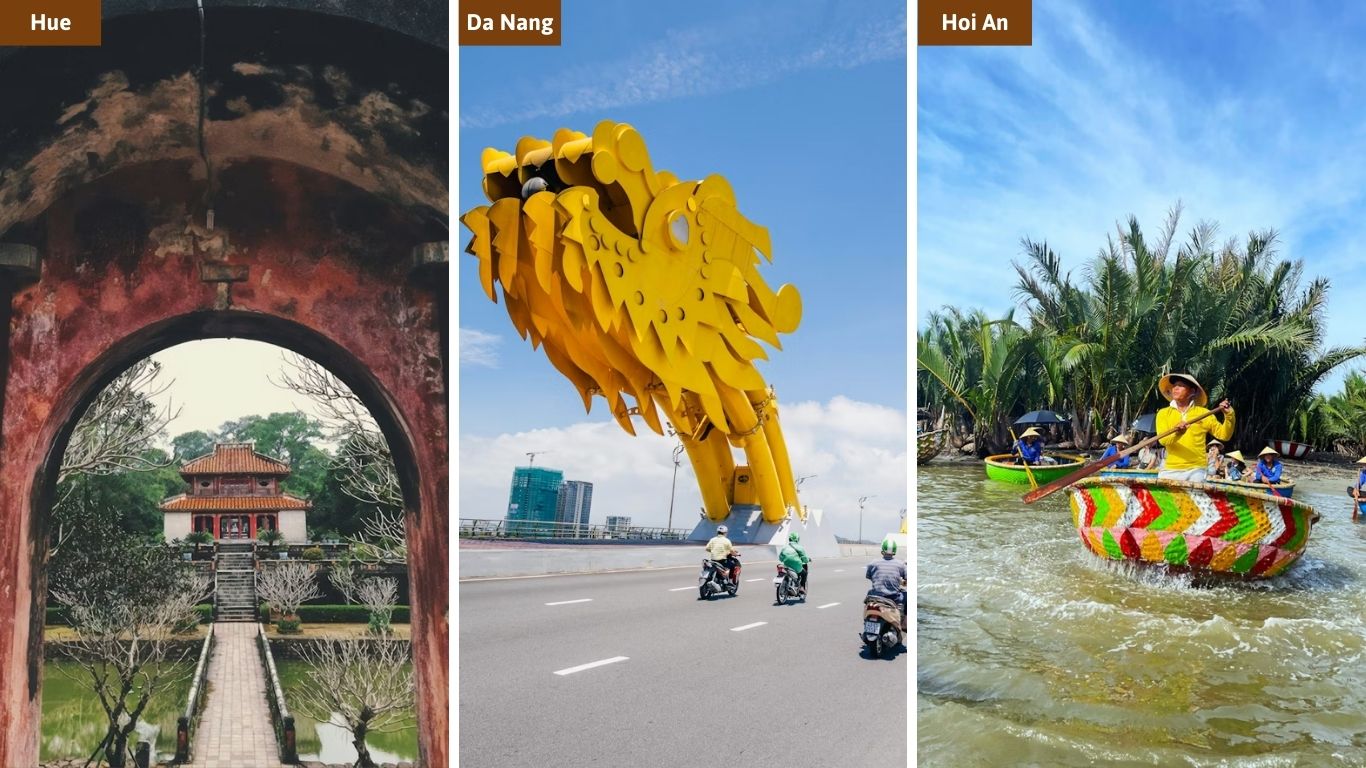
Most travelers arrive in central Vietnam knowing three names: Hue, Da Nang, Hoi An. What they don’t know is which order makes sense, how many days to give each city, and what they’ll regret skipping. This central vietnam itinerary answers all three questions, built for travelers who want substance, not just highlights.
Why Central Vietnam Hits Differently
No other stretch of Vietnam or Southeast Asia packs two UNESCO World Heritage Sites, a French-colonial beach city, and the country’s most distinctive regional cuisine into a route you can drive end-to-end in under three hours. A well-planned central vietnam itinerary isn’t just efficient. It’s layered in a way that a single-city trip simply can’t replicate.
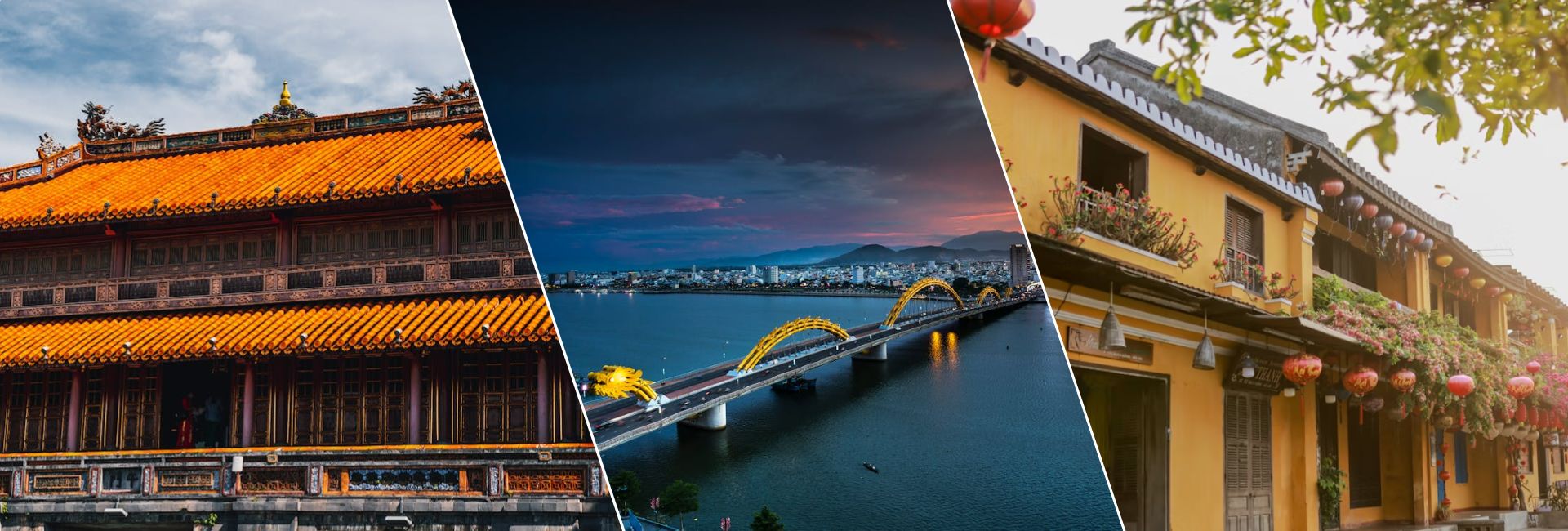
The region also has a natural geographic logic: Hue sits to the north, Da Nang in the middle, and Hoi An to the south. Follow that order and the journey flows: from imperial history to modern coastline to lantern-lit streets.
>>> Check out our reference itineraries: Classic Central Vietnam 5 Days and Central Vietnam Highlights 7 days or start customizing your own itinerary here!
How Many Days Do You Actually Need?
Five days is the minimum. Seven is the sweet spot. Eight days is ideal if you want Da Nang to feel like a destination rather than a stopover.
| Total Days | Hue | Da Nang | Hoi An |
|---|---|---|---|
| 5 days | 1 day | 1 day | 3 days |
| 7 days | 2 days | 2 days | 3 days |
| 8 days | 2 days | 2 days | 4 days |
Da Nang alone has enough to fill two comfortable days: Ba Na Hills, the Cham Museum, Non Nuoc Beach, and Marble Mountain each deserve time without being rushed. The 7 or 8-day split is the one most Indochina Voyages travelers end up choosing.
>>> Related readings:
Vietnam Itinerary in 5 Days: Suggested Tour By Region & Estimated Cost
7 days in Vietnam: Perfect Itineraries & Must-read travel guide without rush travel
12 days in Vietnam: Perfect Itinerary & Comprehensive Travel Guide
Days 1-2: Hue – Vietnam’s Imperial Capital
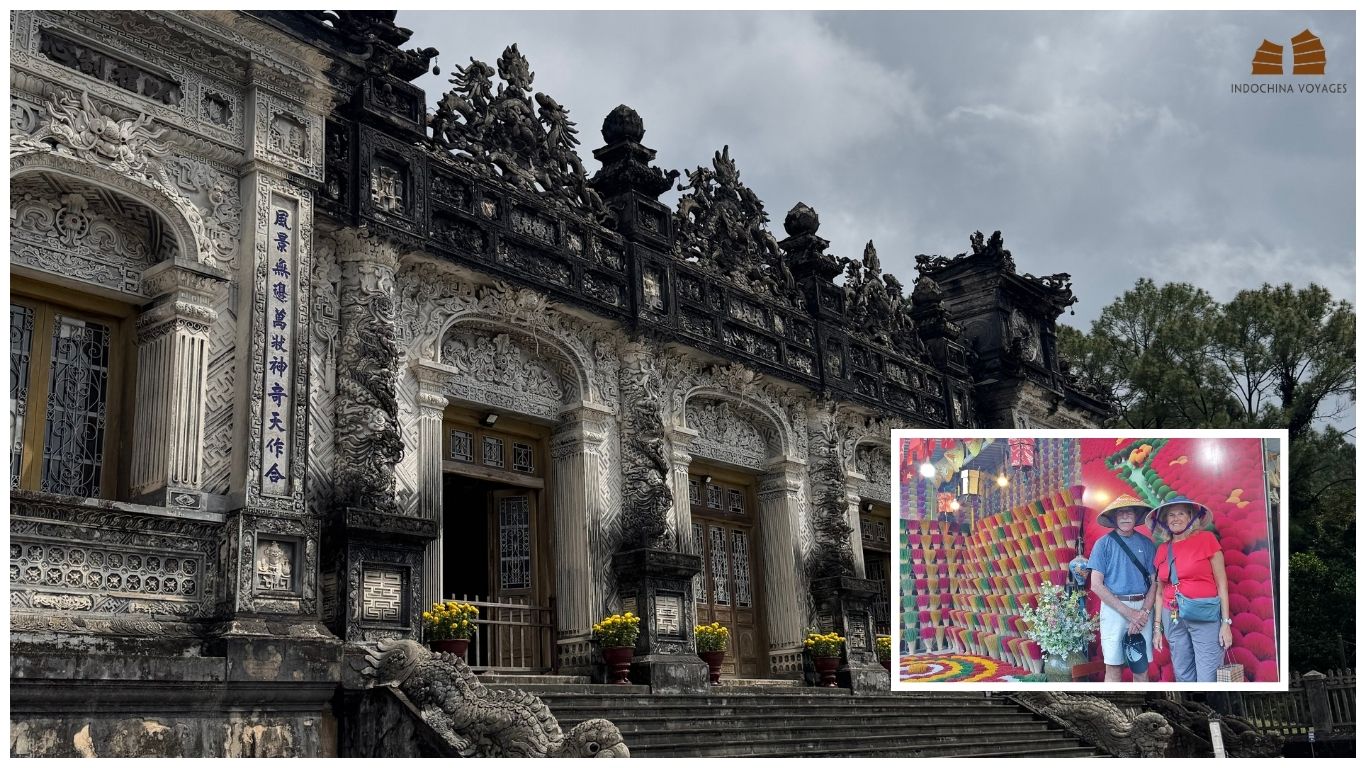
Hue operates on a quieter rhythm than the rest of Vietnam. Two days here is enough to feel the weight of its royal past without rushing.
| Morning D1 | Imperial Citadel – budget 3-4 hours |
| Afternoon D1 | Perfume River boat → Thien Mu Pagoda |
| Evening D1 | Dong Ba Market – bun bo Hue, banh khoai, com hen |
| Morning D2 | Royal tombs – Minh Mang or Tu Duc (hire a car) |
| Afternoon D2 | Hue cuisine lunch, free explore the old quarter |
Hue → Da Nang: Take the train. The Reunification Express crosses Hai Van Pass – one of the most scenic rail stretches in Southeast Asia. About 2.5 hours.
>>> Related readings:
How to get from Danang to Hue? A Must-read Inclusive Travel Guide
Beyond the Ordinaries of Vietnam: 10+ Unusual Things to Do in Hue
Days 3-4: Da Nang – More Than a Stopover
Da Nang is consistently underestimated on a central vietnam itinerary. Two days here removes the pressure of choosing between beach, history, and hillside, you can do all three.
| Morning D3 | Cham Museum → Han River waterfront |
| Afternoon D3 | Non Nuoc Beach → Marble Mountain |
| Evening D3 | Con Market or Han Market for shopping + mi Quang for dinner |
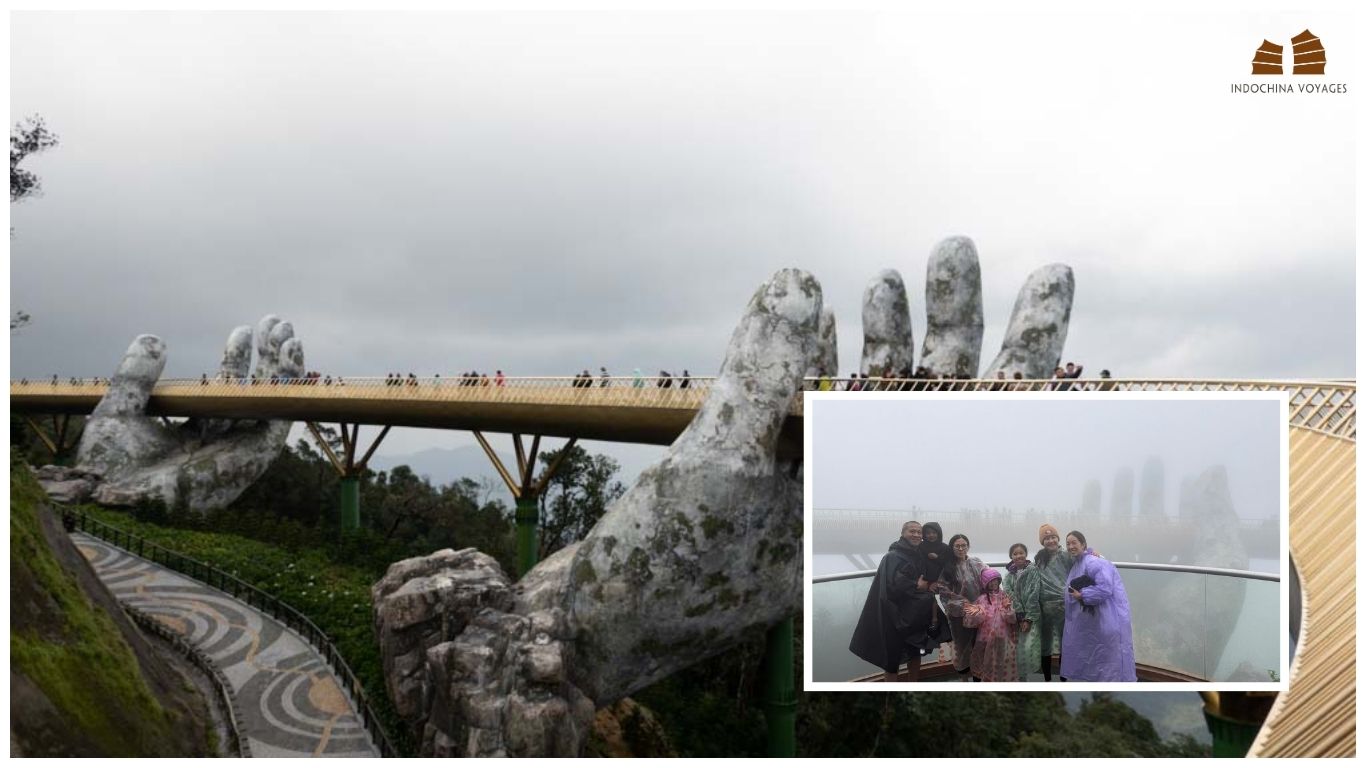
| Morning D4 | Ba Na Hills & the Golden Bridge – go early to beat the crowds |
| Afternoon D4 | Free time at the beach or explore Da Nang’s café scene |
>>> Related reading:
Da Nang Vietnam what to do: Top 10+ Must-try can’t be missed out
Days 5-6: Hoi An – The Reason Most People Come to Central Vietnam
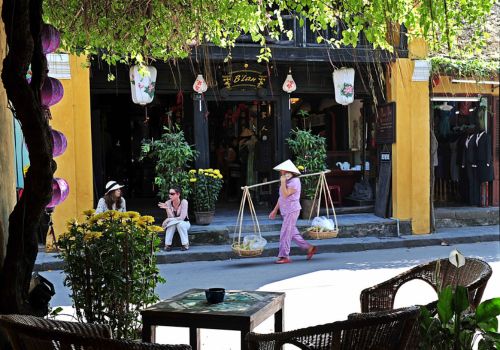
Hoi An Ancient Town is a UNESCO World Heritage Site, and one of the rare cases where a place fully lives up to its reputation. The old town is car-free, lantern-strung, and genuinely beautiful at almost any hour, but especially between 5pm and 8pm when the lights reflect on the Thu Bon River.
| Morning D5 | Ancient Town on foot: Tran Phu St, Japanese Covered Bridge |
| Afternoon D5 | Tailor street, local lunch, Thu Bon River at golden hour |
| Evening D5 | Hoi An Memories Show (book in advance, sells out) |
| Morning D6 | An Bang Beach |
| Afternoon D6 | Final wander, last bowl of Cao Lau before heading out |
If you have a full 8 days, the extra two nights in Hoi An open up day trips to My Son Sanctuary or a cooking class at a local farm, both well worth the time.
Da Nang → Hoi An: ~30km. Grab is easiest (~200,000 VND).
>>> Read more:
How to travel from Danang to Hoian? – A Comprehensive Guide
Hoi An’s Lantern-Lit Streets & Beyond: The Best Things to Do in Hoi An for Every Type of Traveler
Central Vietnam Cuisine: The One Thing You Can’t Replicate Elsewhere
The food in central Vietnam is not incidental to the trip. It’s one of the main reasons to come. Each city has dishes that exist nowhere else in quite the same form:
| City | Must-Try Dishes |
|---|---|
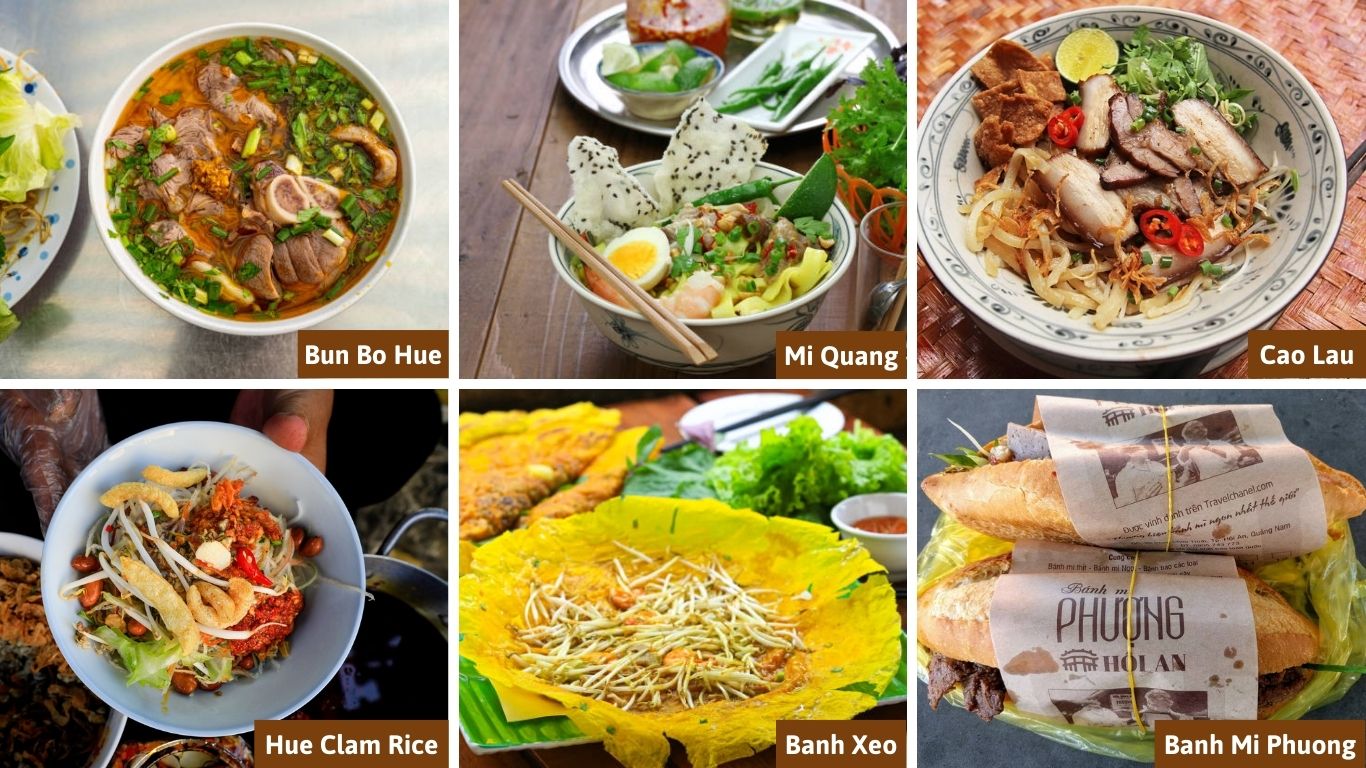
| Hue | Bun bo Hue, banh khoai, com hen |
| Da Nang | Mi Quang, banh xeo, banh mi |
| Hoi An | Cao Lau, White Rose dumplings, Banh Mi Phuong |
Hoi An’s Cao Lau deserves a special mention: it’s made with water from a specific local well, meaning authentic versions exist only here. Any central vietnam itinerary that doesn’t build meals into the plan is leaving the best part out.
>>> Related readings:
Che Hue – The best sweet soup of Vietnamese street food
Top 9 Best Hoi An Food you must try for a lifetime – Complete Cuisine guide
Best Time to Visit Central Vietnam
February through August offers the most reliable weather across all three cities. October and November bring heavy rain and occasional flooding – particularly in Hoi An. Da Nang has the most consistent sunshine year-round. Hue runs cooler and cloudier than the other two, even in peak season.
>>> Related readings:
Best Time to Visit Hue Vietnam: Insider’s Guide to Perfect Weather & Experiences
Best Time to Visit Da Nang: Weather, Festivals & Travel Tips for 2026
When Is the Best Time to Visit Hoi An, Vietnam?
Recommended Tour Packages
Not sure where to start? These Indochina Voyages packages are the most popular choices for Central Vietnam, all fully private and customizable to your travel style and pace.
- Classic Central Vietnam 5 Days (From $295 / person)
- Central Vietnam Highlights 7 Days (From $372 / person)
- Hidden Beauty Central Vietnam 6 Days (From $415 / person)
- Vietnam Cultural Highlights 14 Days (From $1,372 / person)
Want Something Built Around You?
None of our standard packages fit your exact dates, group size, or travel style? Our travel specialists will design a private central Vietnam itinerary from scratch at no extra cost.
✓ Private, fully flexible
✓ Reply within 24 hours
✓ No booking fees
✓ 15+ years expertise
Plan Your Central Vietnam Itinerary with Indochina Voyages
The logistics of a central vietnam itinerary: transport between cities, the right hotels at each stop, guides who know when to talk and when to step back – make a significant difference to how the trip feels on the ground.
Indochina Voyages builds private, tailor-made central vietnam itineraries for travelers who want the experience without the planning overhead. Tell us your dates and travel style here or drop us an offline message on the screen, and we’ll handle the rest.