August is one of Vietnam’s most misunderstood travel months. Many travelers skip it because of rain, but those who go often return pleasantly surprised. Lower prices, lush green landscapes, and far fewer crowds make August a legitimate choice, especially if you target the right regions.
This guide covers everything you need to know: exact temperatures by region, the best places to visit, what to skip, packing essentials, and honest answers to the most common questions travelers ask before booking.
Quick Answer: Should I Travel to Vietnam in August?
Yes, if you’re looking for:
- Lower prices (30-40% cheaper than peak season)
- Fewer tourists at major attractions
- Lush, green landscapes
- Authentic local experiences
Consider other months if:
- You want guaranteed beach weather
- Rain disrupts your travel plans easily
- You’re visiting primarily for outdoor trekking
How is the Weather in Vietnam in August?
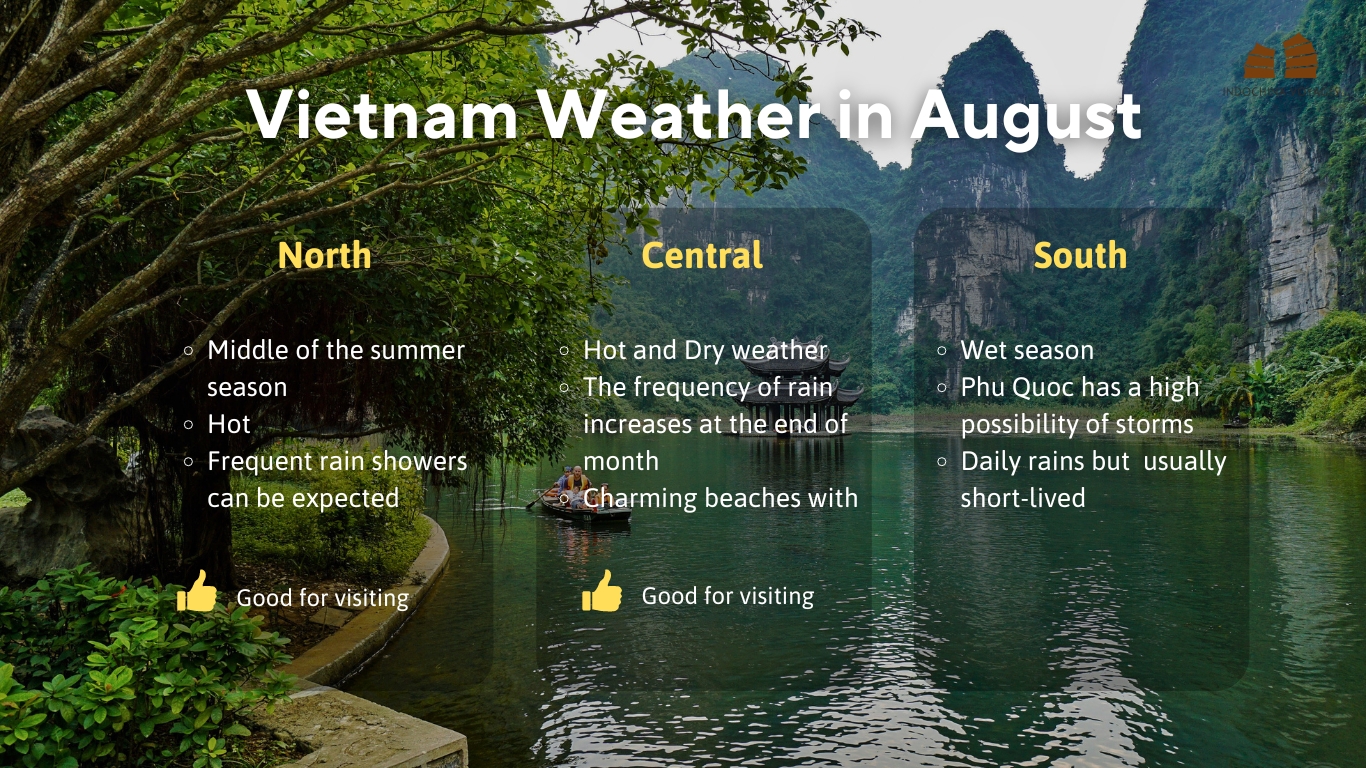
Vietnam’s long, narrow shape means weather varies dramatically from north to south. Understanding this is the single most important thing you can do before planning your August trip.
North Vietnam (Hanoi, Ha Long Bay, Sapa)
August is Hanoi’s rainiest month, with humidity regularly hitting 85–90%. Expect heavy afternoon showers, but mornings are often clear, which is the best time to plan outdoor sightseeing. Ha Long Bay cruises are still very popular; the misty limestone karsts actually look more dramatic in this weather, and prices are 30–40% lower than peak season.
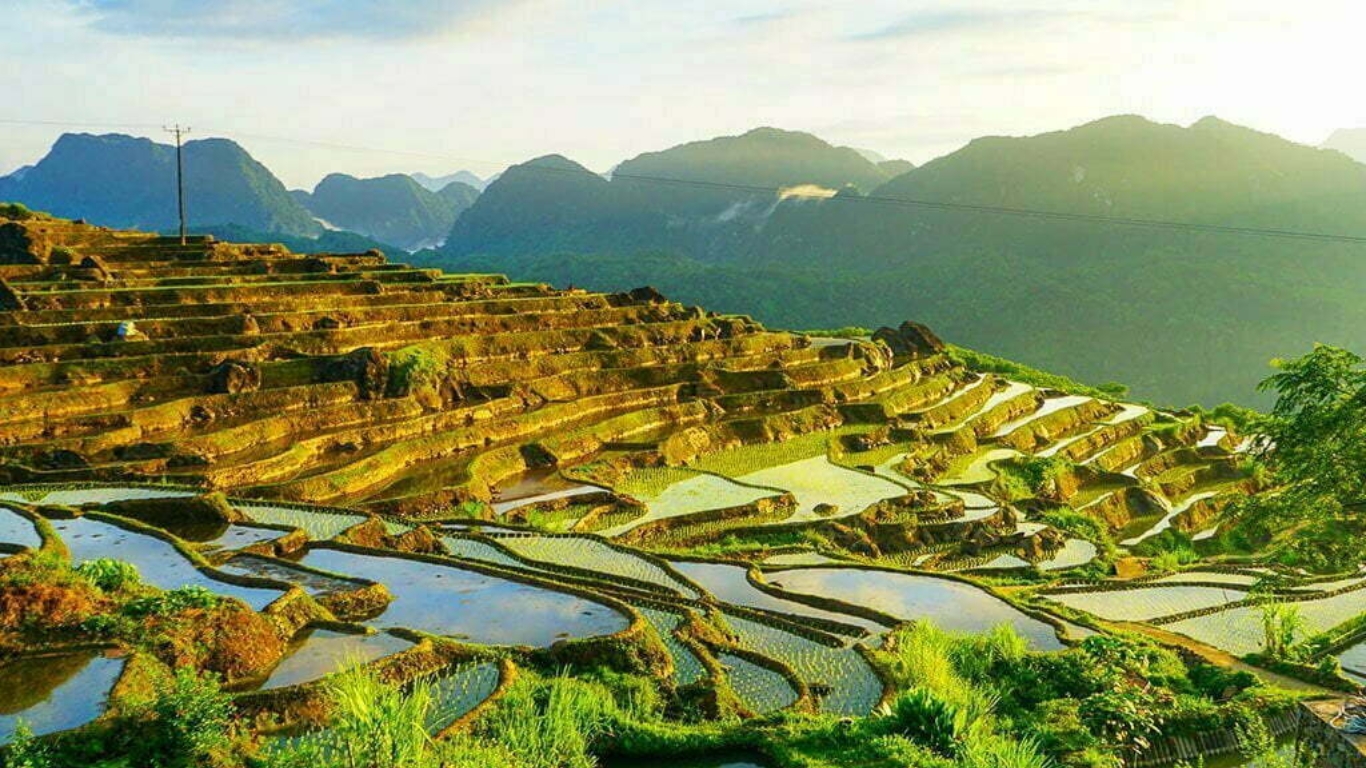
Tip: Sapa’s rice terraces reach their most vivid green in August. If you don’t mind occasional mud on the trails, it is visually the best time to visit.
>>> Our suggested tour: North Vietnam elegance in 8 days
Central Vietnam (Da Nang, Hoi An, Hue)
Central Vietnam is the standout winner in August. The southwest monsoon does not reach this area directly, it is shielded by the Annamite Mountains. Da Nang beaches see predominantly sunny days, and Hoi An’s ancient streets are less packed than during peak season (November–March). Hue’s imperial tombs and pagodas are accessible and crowd-free.
Tip: Rain increases toward late August in the central region, so plan beach activities for the first three weeks of the month if possible.
>>> View tour: Classic Central Vietnam 5 Days
South Vietnam (Ho Chi Minh City, Mekong Delta)
The south is in peak rainy season, but this does not mean you cannot visit. Ho Chi Minh City’s showers typically hit in the late afternoon and clear within an hour. Mornings are excellent for temples, markets, and food tours. The Mekong Delta’s waterways are fuller and more active than in dry season – a surprisingly atmospheric time to visit.
>>> View tour: Southern Vietnam Discovery 6 Days
When traveling to Vietnam in August, be prepared for short rain showers that usually last around 20 minutes. Although the rain might interrupt your plans briefly, it’s not likely to cause major problems unless there’s extreme weather. Despite these factors, don’t let the weather stop you from visiting Vietnam. Just be aware of it and plan ahead.
Above are some suggested tours to Vietnam by region, you can find more of our hot Vietnam package tours here. All our tours are customizable to match your travel preferences, contact us via email at info@indochinavoyages.com or fill out this form to let us know what you are looking for.
Read more: When is the best time to travel to Vietnam?
Best Places to Visit Vietnam in August
If you decide to travel to Vietnam in August, here are some of the best places to visit and highlights in each destination:
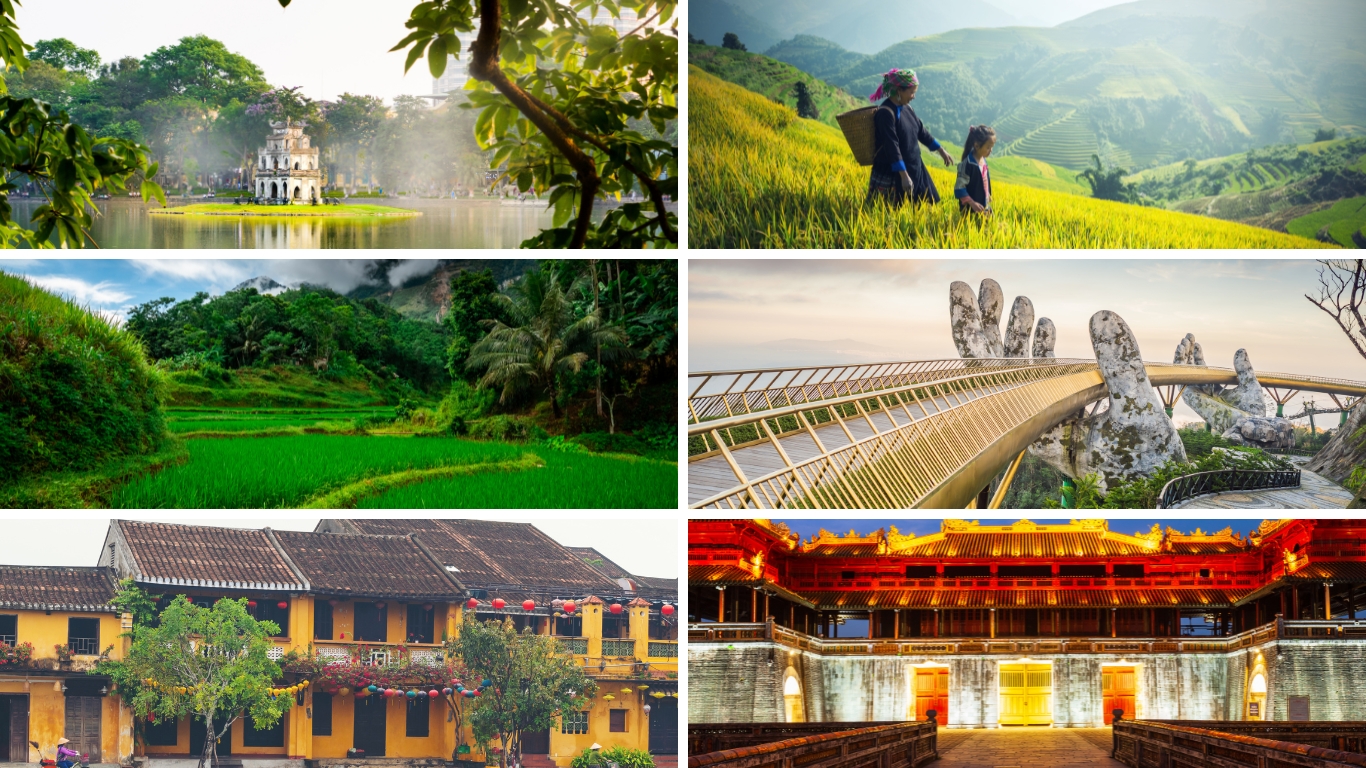
Hanoi: The capital city of Vietnam, Hanoi, offers a mix of history, culture, and vibrant street life. Despite the occasional rain, Hanoi Vietnam weather in August is good to explore Hanoi’s attractions such as the Old Quarter, Hoan Kiem Lake, and the Temple of Literature.
Sapa: Nestled in the Hoang Lien Son Mountains, Sapa is famous for its stunning rice terraces and ethnic minority communities. Sapa in August is still lush and green, with breathtaking fields of rice paddies. While trekking in Sapa during this time may be affected by rain showers, the rewards are immense as you witness the vibrant greenery and the traditional way of life of the local hill tribes.
Pu Luong: Located in Thanh Hoa Province, Pu Luong is a hidden gem with breathtaking scenery and a tranquil atmosphere. This nature reserve showcases terraced rice fields, lush forests, and cascading waterfalls. In August, Pu Luong is at its most beautiful, with verdant landscapes and vibrant flora. It’s an excellent destination for nature lovers and those seeking a peaceful retreat.
Hue: Known for its imperial history, Hue is a city that offers a glimpse into Vietnam’s past. In August, you can visit the Imperial City, Thien Mu Pagoda, and take a boat ride on the Perfume River.
Da Nang: With its beautiful beaches and proximity to attractions like the Marble Mountains and Hoi An, Da Nang in August weather is still a popular destination. Despite the occasional rain, you can still enjoy the beach and explore the city’s vibrant food scene.
Hoi An: This charming ancient town is a UNESCO World Heritage Site and is famous for its well-preserved architecture. With Hoi An in August, you can wander through the lantern-lit streets, visit the Japanese Covered Bridge, and experience the city’s rich cultural heritage.
What to Avoid in August
- Phu Quoc Island: High storm risk makes this the one destination to clearly avoid in August. Strong winds and rough seas affect beach conditions and boat services throughout the month.
- Extensive northern mountain trekking: Trails around Ha Giang and Sapa can flood or become dangerously slippery after heavy rain. Day hikes are fine, but multi-day treks carry real risk.
- Driving the Hai Van Pass solo: A beautiful road, but fog, rain, and slick conditions in August make it genuinely hazardous. Take the tunnel or join a guided trip instead.
Festivals & Events in August
Wandering Souls Day / Vu Lan Festival (15th of the 7th lunar month, usually mid-August): One of Vietnam’s most important Buddhist festivals. Families make offerings and visit pagodas to honor ancestors. Pagodas across the country are beautifully decorated and deeply atmospheric.
Mid-Autumn Festival preparations (Tet Trung Thu): The festival itself falls in September, but by mid-August, Hanoi’s Hang Ma Street is already filling with lanterns, lion dance costumes, and mooncakes. Walking through this area at dusk is a genuinely festive experience.
Cost & Crowd
August is considered the low season for tourism in Vietnam, which means you can expect fewer crowds and potentially lower prices for flights, accommodation, and tours. However, it’s worth noting that some popular tourist destinations may still have a moderate number of visitors, especially during weekends and public holidays.
FAQs
Here are answers to some frequently asked questions about visiting Vietnam in August:
How hot is Vietnam in August?
Vietnam experiences hot, humid conditions throughout August, but temperatures vary by region:
- North Vietnam (Hanoi): 26-33°C (79-91°F) with high humidity (85-90%)
- Central Vietnam (Da Nang, Hoi An): 25-34°C (77-93°F) – hottest region
- South Vietnam (Ho Chi Minh City): 25-32°C (77-90°F)
The heat feels more intense due to high humidity, especially after rainfall. However, mountain areas like Sapa offer cooler temperatures (18-25°C), providing pleasant relief from lowland heat.
Is it good to visit Vietnam in August?
The weather in Vietnam in August can be unpredictable, with varying conditions across different regions. While it may not be the most ideal time for outdoor activities and trekking, it can still be a good time to explore cities, experience cultural attractions, and enjoy the beach in certain areas. Just be prepared for occasional rain showers and plan your activities accordingly.
What are the best and worst months to visit Vietnam?
The best months to visit Vietnam are generally considered to be April, May, and October when the weather is pleasant and rainfall is lower. The worst months in terms of weather and tourist crowds are usually July and August, which fall during the wet season.
Is August-September a good time to visit Vietnam?
August and September are part of the wet season in Vietnam, so you can expect more rain during this period. However, if you don’t mind occasional showers and want to experience the country when it’s less crowded, it can still be a good time to visit. Just make sure to pack appropriate rain gear and plan your activities accordingly.
Traveling to Vietnam in August has its pros and cons, with weather conditions varying across different regions. While the north may be rainy and the south experiences daily downpours, the central beaches still offer plenty of sunshine.
The cost and crowd situation are generally favorable during this time. Ultimately, the decision to visit Vietnam in August depends on your tolerance for unpredictable weather. But don’t worry too much about that, our travel expert can help you planning a trip matching your travel preferences with affordable price. With thecustomizable intinerary you can be flexible and add experiences you are looking for. Simply contact us here or drop us an offline mesage on the screen to get the quote.
Maybe you’ll want to read more: How to plan a trip to Vietnam?
From Indochina Voyages Travel Specialist