Cambodia in August is a lovely time to visit if you enjoy green landscapes, quiet temples, and good-value stays, and you do not mind a little rain. It falls in the middle of the green season (May to October), so days are warm and humid at around 30-33°C, showers often drift in during the afternoon or evening, and Angkor Wat feels far calmer than it does in the busy November to February months. If you are hoping for reliably sunny days or a beach holiday, those drier months may suit you better.
Below, we share what the weather is really like by city, where we would go, what it costs, what to pack, and a relaxed 6-day itinerary. For more inspiration, you are welcome to browse our Cambodia travel guide.
What is the Weather in August in Cambodia Like?
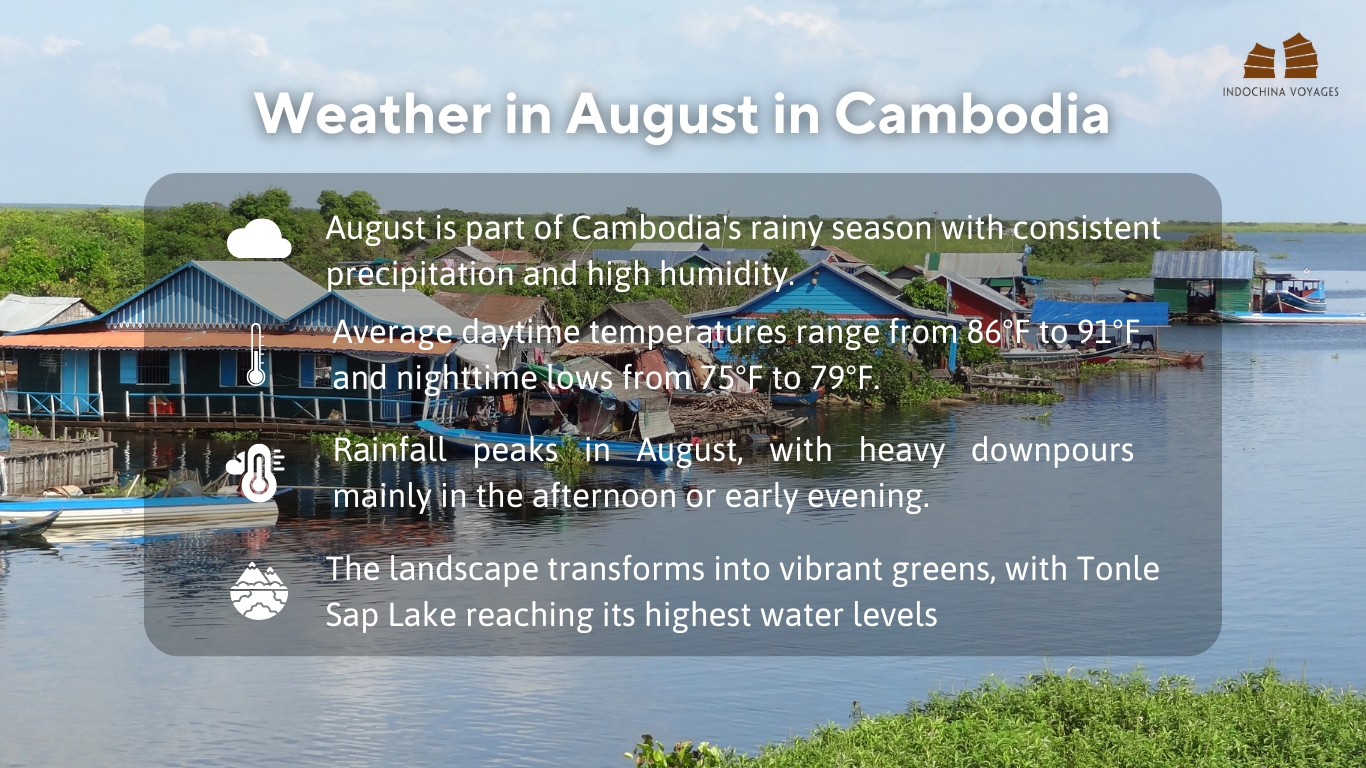
Wherever you go, expect warm days, mild nights, and humid air. Siem Reap, Phnom Penh, and Battambang are noticeably drier than the coast, which is why we usually suggest an inland route for August.
What the rainy season feels like
Here is the rhythm many travellers notice: mornings are often bright or hazy, clouds gather through late morning, and showers or storms tend to arrive in the afternoon or evening, often clearing again after dark. Planning around that pattern lets you enjoy most of your sightseeing in the first half of the day.
That said, it is a typical pattern rather than a promise. Some days start cloudy, and some storms are strong enough to pause everything for an hour or two. A few things worth knowing:
- Humidity: it feels hotter than the thermometer says, especially before a storm.
- City streets: parts of Phnom Penh can flood briefly after heavy rain.
- Rural roads: dirt roads can turn muddy and slow transfers.
Local tip: Book the big outdoor site first thing in the morning and keep the afternoon loose. If the rain holds off, you can add a second outing. If it does not, nothing is lost.
August vs June, July, September, and October
August is wet, but it is not the wettest month. Rainfall usually builds into September and October, when the season peaks.
Cambodia has three broad seasons. The green season (May to October) is wet and lush, with fewer visitors and lower prices. The dry season (November to February) is the most comfortable and the busiest. The hot season (March to April) is dry but very hot. August falls in the green season, so it suits travellers who value atmosphere and savings over guaranteed sunshine.
| Month | Siem Reap rainfall | Phnom Penh rainfall | Crowds | Travel note |
|---|---|---|---|---|
| June | about 150 mm | about 130 mm | Low | Rains settling in, still good sightseeing days |
| July | about 160 mm | about 130 mm | Low | Green and quiet |
| August | about 180 mm | about 150 mm | Low | Lush scenery, regular showers, good value |
| September | about 230 mm | about 220 mm | Very low | Wetter, more flooding in rural areas |
| October | about 200 mm | about 240 mm | Low, busier around Pchum Ben | Often the wettest weeks, plus holiday travel |
>>>> Looking at other months? See our guides to Cambodia in June, Cambodia in July, Cambodia in September, and Cambodia in October.
Is August a Good Time to Visit Cambodia?
For many travellers, yes. August rewards those who enjoy green landscapes, cultural sightseeing, and a slower pace, and who are happy to adapt when a storm rolls in.
Pros
- Green scenery: rice fields, flooded paddies, and jungle around the temples look their best.
- Quieter temples: Angkor is generally less crowded than in peak season.
- Better deals: hotels and tour operators often run green-season promotions.
- Easier bookings: it is simpler to get the room, guide, or table you want.
- Great light for photos: dramatic skies and clean, rinsed air after rain.
Cons
- Humidity: it can be tiring, especially at midday.
- Rain-disrupted plans: outdoor activities sometimes shift or get cut short.
- Slippery surfaces: temple steps and stone paths get wet.
- Road delays: some rural routes are slower or temporarily affected.
- Rough seas: the south coast and islands are far less reliable for beach time.
Who should go and who should wait
| Traveller | Our advice |
|---|---|
| Culture and temple lovers | Go. August suits you well. |
| Photographers | Go. Moody skies and green landscapes are a big plus. |
| Budget-conscious or repeat visitors | Go. Good value and fewer crowds. |
| Flexible travellers | Go. You will cope with weather changes easily. |
| Families with young children | Go with caveats. Heat, humidity, and rain can be tiring, so keep days short. |
| Beach holiday seekers | Wait for November to February. |
| Tight itineraries or anyone needing reliably dry weather | Wait for November to February. |
>>>> Travelling with children? See our family holiday ideas for ways to keep days short and flexible.
Not sure if August fits your plans? Our specialists can shape the trip with you.
Best Places to Visit in Cambodia in August
Each place below comes with a reason to go and one gentle weather note to keep in mind.
Siem Reap and Angkor Wat
Angkor is the reason most travellers come to Cambodia, and August is a lovely time to see it with fewer people around. The moats are full, the jungle around Ta Prohm is thick and green, and the stone glows after rain.
We suggest starting early, when mornings are cooler and often clearer. Angkor Wat, Angkor Thom and the Bayon, Ta Prohm, and Banteay Srei make a wonderful core route. Many travellers like to split the day, with temples in the morning and then a museum, spa, or cooking class once the afternoon clouds roll in.

Two gentle notes: steps and stone can be slippery, so shoes with good grip help, and sunrise is often cloudy in the green season, so it is best not to build your whole day around it. Three nights leaves room to stay flexible. Please check the official Angkor pass prices and where to buy them before you go, as pass fees do not drop in the low season.
>>>> Curious how Angkor fits into a full trip? See sample itineraries here.
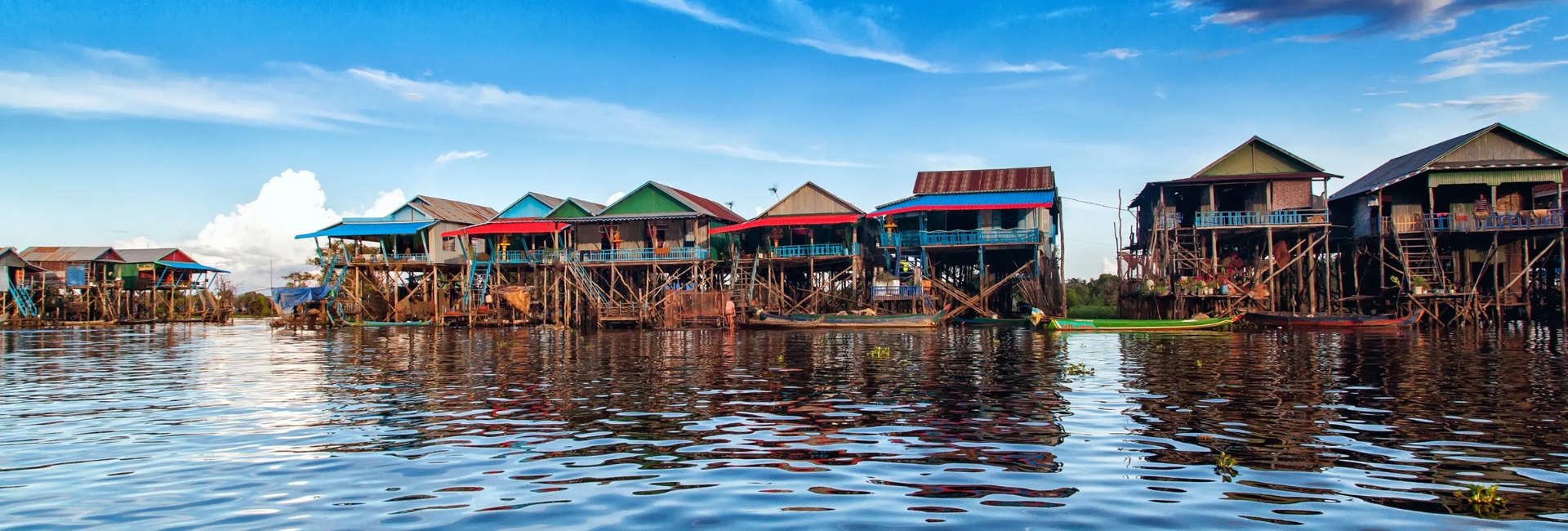
Tonle Sap Lake and floating villages
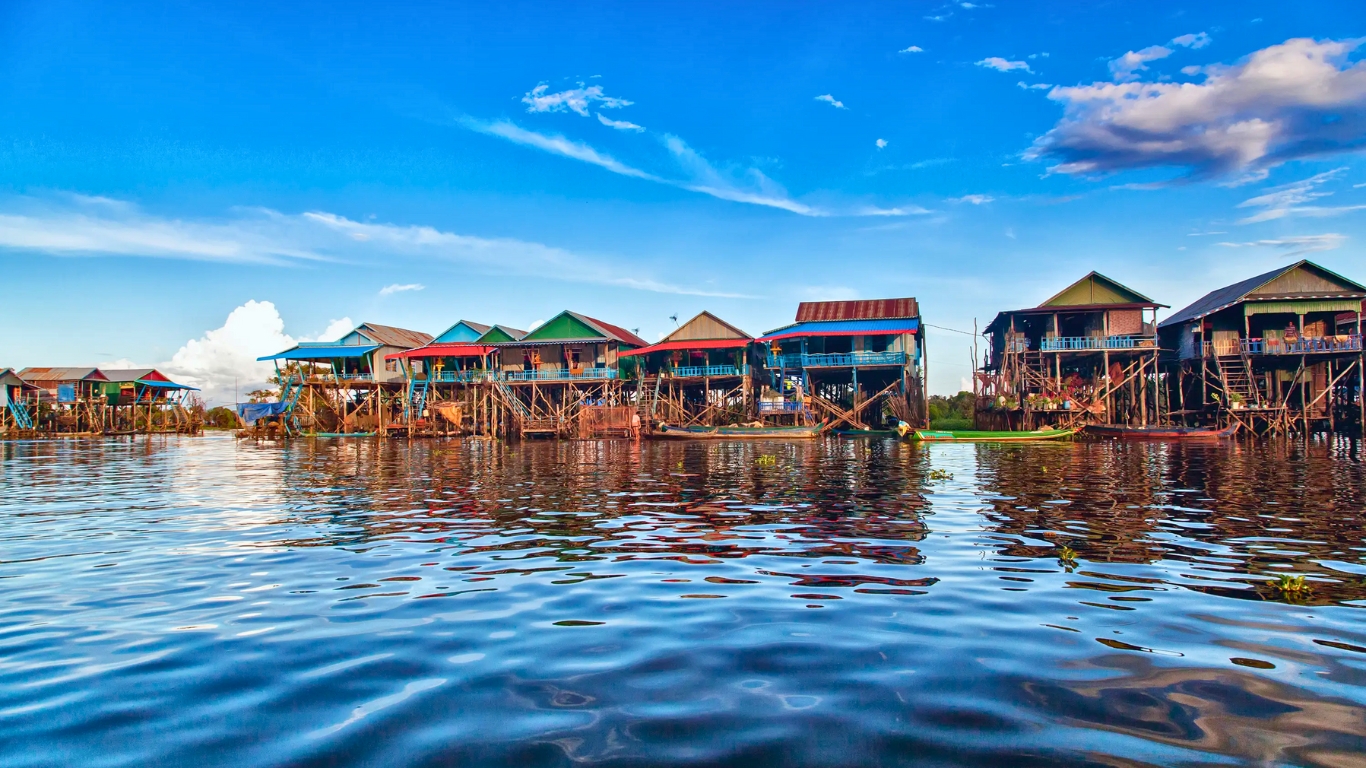
The Tonle Sap is Southeast Asia’s largest freshwater lake, and the rainy season transforms it. In August the water is rising, so the flooded forest and stilted villages look very different from the dry season.
One thing worth knowing: the lake does not usually reach its maximum size in August. The peak generally comes a little later, around September to October, so water levels and routes can vary from year to year.
Access and boat availability also differ by village (Kampong Phluk, Kampong Khleang, and Chong Khneas are the usual choices), so we recommend confirming conditions with your operator before booking. A countryside or pottery village visit makes a lovely backup plan.
>>>> For a quieter riverside stop, see our guide to Kampong Cham.
Phnom Penh
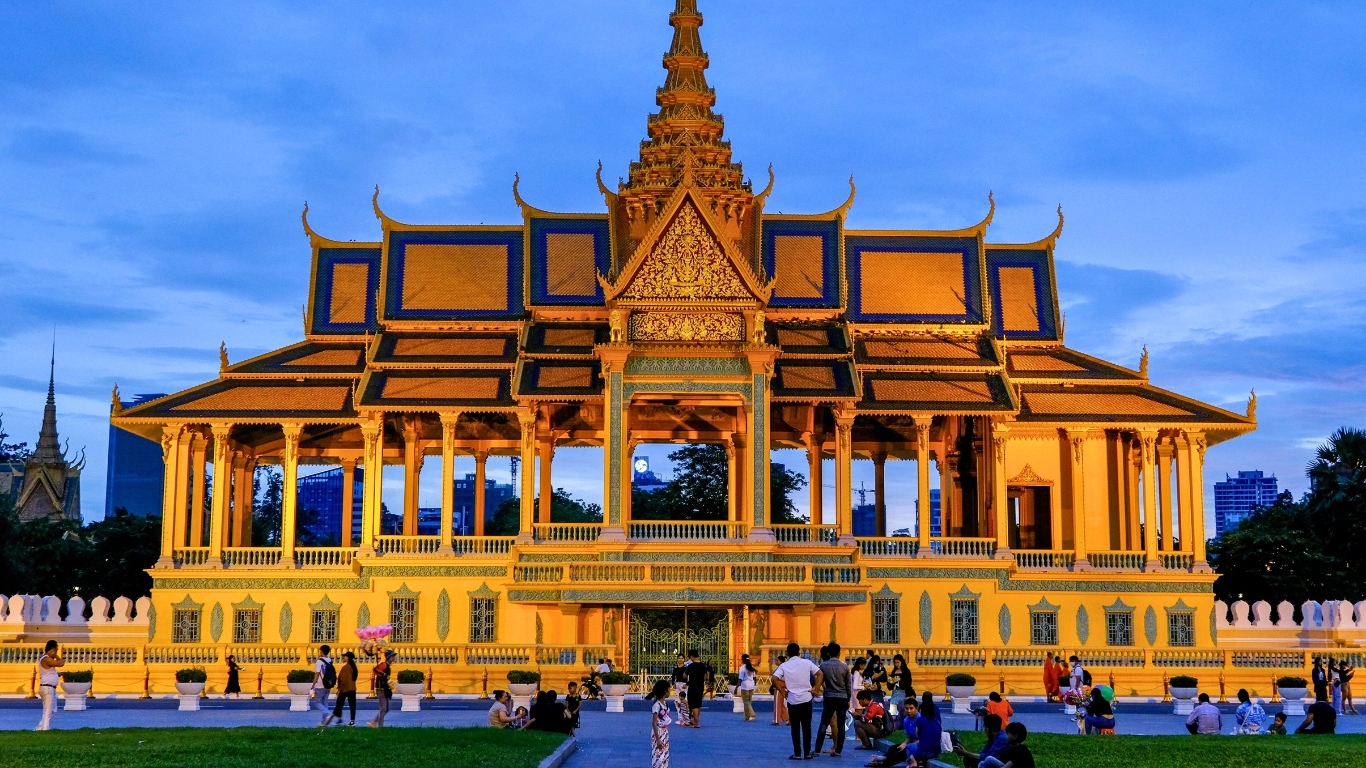
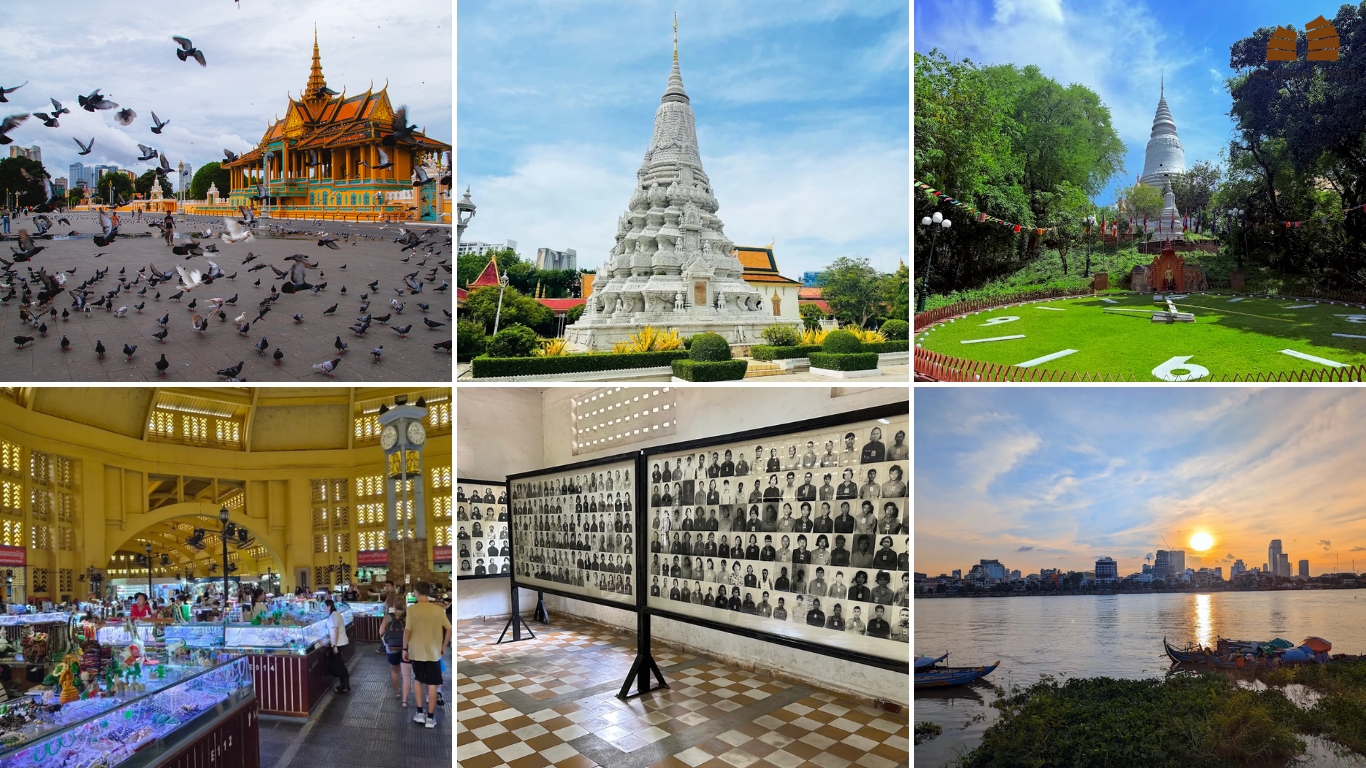
Cambodia’s capital is easy to enjoy in any weather, because so much of it can be arranged around showers. The Royal Palace and Silver Pagoda, the National Museum, the Central Market, the Russian Market, and the riverside promenade all fit comfortably into a flexible day.
Outdoor sites like the palace are best in the morning, with museums and markets saved for later. Tuol Sleng Genocide Museum and the Choeung Ek Killing Fields are sobering but important visits, so please allow time and visit with respect. After heavy rain, some streets can flood briefly, so a ride-hailing app or your hotel’s driver is kinder than a long walk.
>>>> Pairing the capital with Angkor? Combine them on our Indochina tours.
>>>> Looking for something a little different? See unusual things to do in Phnom Penh.
Battambang
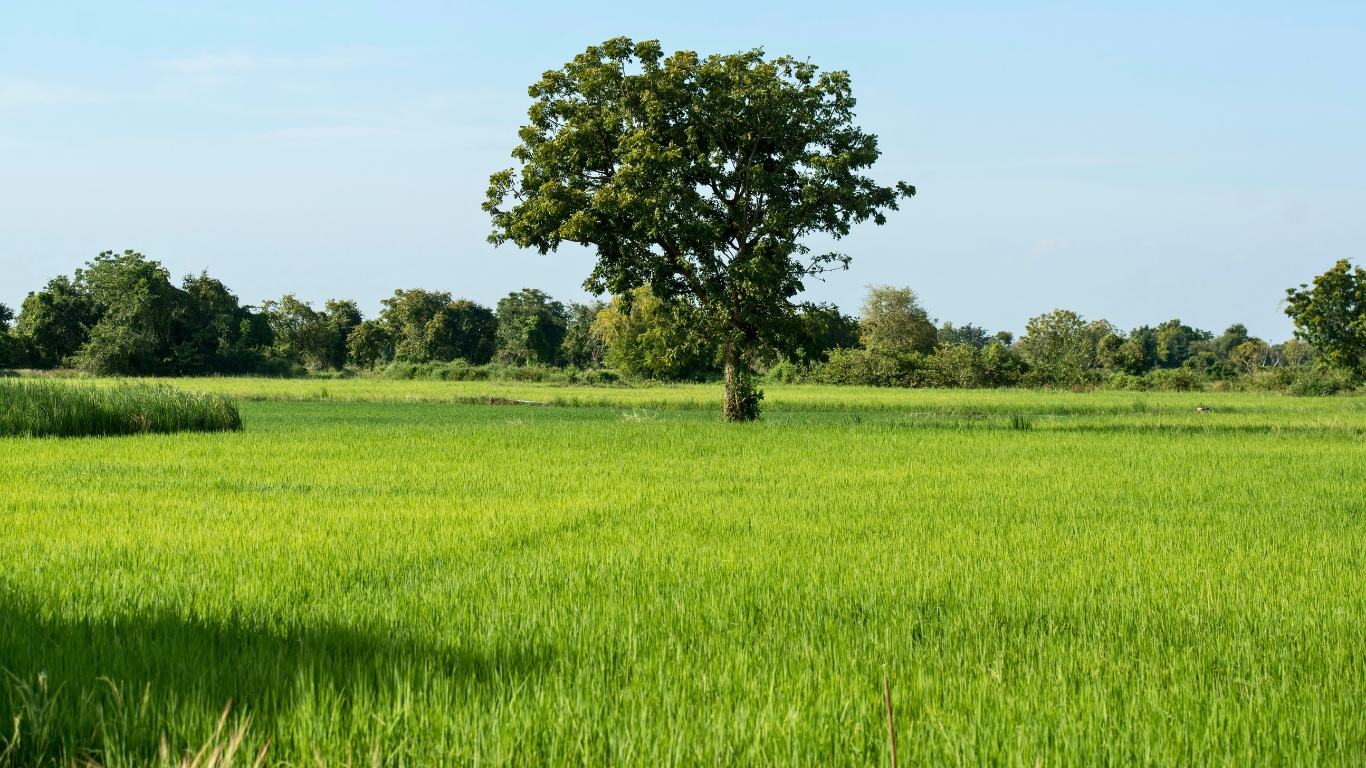
Cambodia’s second city is a peaceful base for countryside scenery, with bright green rice fields, French colonial streets, local food, and a growing arts scene. Phnom Sampeau and its bat caves are a highlight at dusk.
The bamboo train and rural roads depend on weather and track conditions, so it is worth asking locally before you commit. One or two nights here is plenty.
>>>> Battambang fits neatly into a longer route. Explore our Cambodia tours. Not sure yet? Read 6 reasons to visit Battambang.
Kampot and Kep
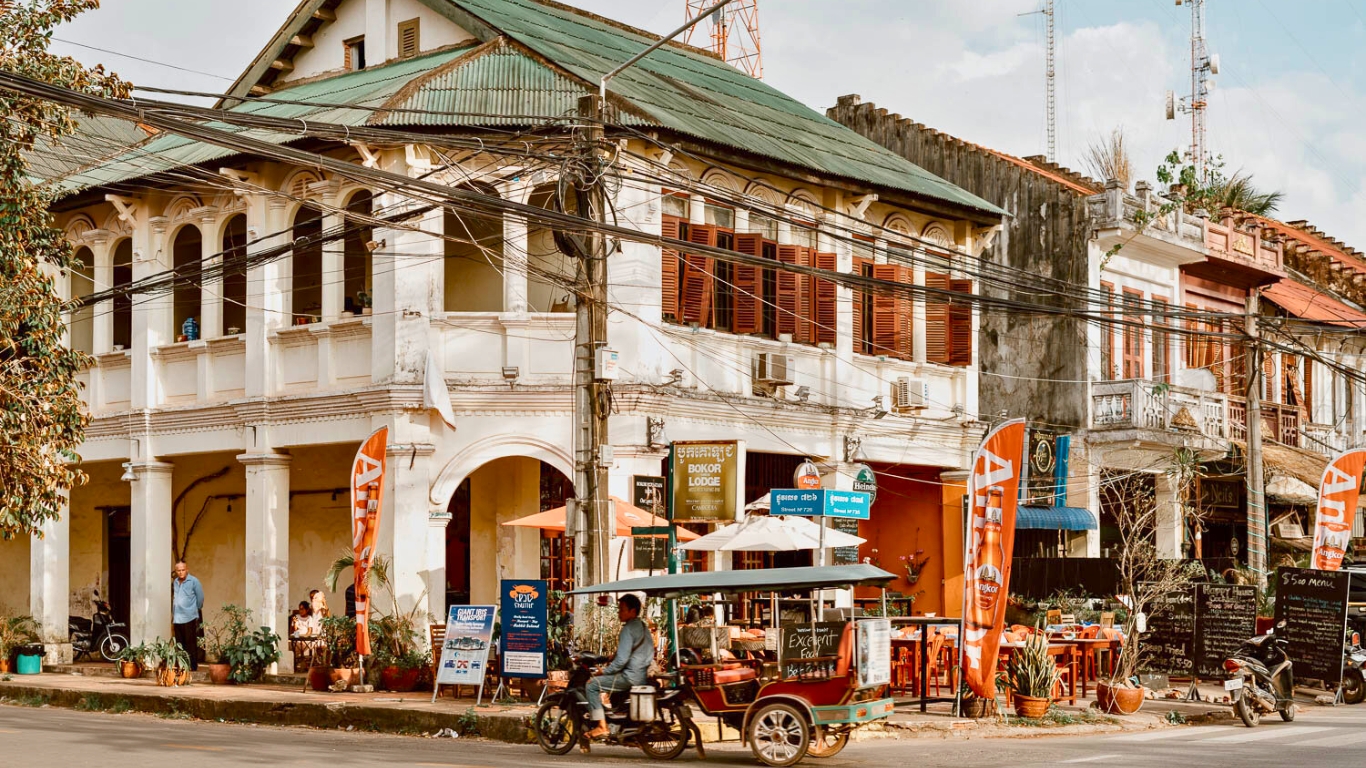
Kampot offers a relaxed riverside atmosphere, pepper plantations, misty views around Bokor, and fresh crab in nearby Kep. The countryside is especially lush at this time of year.
This is one of the wettest parts of the country, so it helps to keep outdoor plans flexible. If you are thinking about the coast, the beaches section below has more.
>>>> Prefer something personal? Ask our team to fit Kampot into your route around the weather.
What to Do in Cambodia When It Rains
Rain does not have to spoil a day. It helps to keep a few backup ideas in your pocket for each place.
- Siem Reap: Angkor National Museum, a Khmer cooking class, a traditional massage, or an evening at Phare, the Cambodian Circus.
- Phnom Penh: the National Museum, Tuol Sleng, covered markets like the Central Market, and café stops along the riverside.
- Anywhere: a spa treatment, a long lunch, or a rest at your hotel pool between showers.
A sample rearranged day in Siem Reap
- 7:00 Temple visit while it is cool and dry
- 11:00 Early lunch
- 13:00 Cooking class or museum while the storm passes
- 16:00 Back to the temples, or a sunset drink if the sky has cleared
Cooking classes and spa sessions are best booked flexibly, or on the day, so you can adapt to the weather.
>>>> For more rainy-day ideas, see 5 Siem Reap activities beside Angkor Wat.
Beaches and Islands in August
To be honest, August is not the best time for a beach-focused trip. Sihanoukville, Koh Rong, and Koh Rong Samloem see rougher seas, lower visibility for snorkelling and diving, and some seasonal closures, and boat transfers can be less frequent or less reliable, so it is worth checking current schedules with your operator.
If you would still like a short beach add-on, Kep is a calmer, quieter choice. Keep your schedule flexible and avoid pre-paying non-refundable boat trips. For proper beach time, November to February is the season to aim for.
Cost & Crowd
Is Cambodia cheaper in August?
Often, yes. Green season usually brings lower hotel rates, promotions, and a little more room to negotiate on tours and private guides. Indochina Voyages can share current rates for your dates. Entrance fees, including the Angkor pass, stay the same all year.
>>>> Want to compare options? Current offers are listed on this page.
Are the temples quieter?
Generally, yes. Angkor and other popular sites are usually lighter than in peak season, though famous spots like Ta Prohm can still fill up around midday, so going early or late makes for a more peaceful visit.
What to book ahead
- Private guides: good guides are worth securing, especially for Angkor.
- Domestic transfers or flights: helpful for long legs when roads are slow.
- Boat tours and fixed-date activities: confirm closer to the date because conditions change.
>>>> Flexible cancellation is worth paying a little extra for in the rainy season. Our booking guide explains how booking with us works.
What to Pack for Cambodia in August
The idea is light, quick-drying clothing that copes with heat, humidity, and sudden rain, while still respecting temple dress rules.
Clothing
- 3 to 4 light, quick-dry shirts, because cotton stays damp in humid weather
- One long-sleeve top and long trousers or a long skirt for temples (shoulders and knees must be covered)
Rain and footwear
- A compact rain jacket or poncho, plus a small umbrella for cities
- A dry bag or waterproof phone pouch, which matters on boat trips
- Grippy, quick-drying shoes or sandals for wet temple steps
Sun, insects, and health
- SPF 30+ sunscreen and a wide-brim hat, as UV is high even on cloudy days
- DEET or picaridin insect repellent
- A reusable water bottle and electrolyte sachets
Laundry is inexpensive across Cambodia, so you can pack light and wash along the way.
Health and Safety in the Rainy Season
- Dengue: risk rises in the rainy season, and the mosquitoes that carry it bite mostly during the day. Use repellent, wear long sleeves in the evenings, and choose screened or air-conditioned rooms.
- Heat and hydration: high humidity makes it feel hotter than the temperature, so drink plenty of water and take breaks in the shade.
- Food and water: stick to bottled or filtered water, choose busy food stalls, and be careful with ice and raw salads if you have a sensitive stomach.
- Vaccines and malaria: speak to a travel clinic or check official sources such as the CDC or your national health service before you travel. Risk varies by region, so personal advice matters.
- Travel insurance: make sure it covers medical care and trip disruption.
>>>> This section is general information, not medical advice. For more on staying healthy and covered while travelling, see our medical and insurance articles.
Practical Rainy-Season Travel Tips
- Build one buffer day into your itinerary.
- Allow extra time for road transfers, and consider domestic flights or private cars for long legs.
- Use ride-hailing apps such as PassApp or Grab during heavy rain.
- Keep documents and electronics in waterproof pouches.
- Book flexible accommodation for rural stops.
Festivals and Holidays Around August
August itself has few major festivals. The big event of the green season is Pchum Ben, which usually falls later, in September or October.
Pchum Ben is a roughly 15-day Buddhist festival honouring ancestors, when families bring food offerings to pagodas. The first 14 days are often called Dak Ben or Kan Ben, and the 15th day is Pchum Ben itself, so Dak Ben is the early phase of the festival rather than a separate half-year ceremony. In 2026, the public holiday runs from 10 to 12 October. Many businesses close, and roads and transport are busy as people travel home to their villages.
National Day is on 9 November, which is outside August. Because Khmer festival dates follow the lunar calendar, they change every year, so check the official Cambodian public holiday calendar for your travel dates. For more on local celebrations, browse our Festival & Event articles.
Sample 6-Day August Itinerary
Here is how we would shape six days to make the most of the green season: early mornings for the big sights, slow afternoons for the things rain cannot spoil, and a little room to change plans.
Days 1 to 3: Siem Reap and Angkor, at an unhurried pace
Begin at Angkor Wat while the air is still cool and the light is soft, then wander among the smiling stone faces of the Bayon in Angkor Thom. On day two, find Ta Prohm, where giant tree roots wrap around the ruins, and head out to Banteay Srei to admire its delicate pink carvings. Save the afternoons for slower pleasures: a Khmer cooking class, a massage, an evening at Phare, the Cambodian Circus, or a long lunch while a storm rolls through. Keep day three loose, so you can return to a favourite temple or explore the countryside.

Day 4: Tonle Sap Lake, a different side of Cambodia
Head out by boat to a stilted village such as Kampong Phluk, where homes sit high above the rising water and life moves to the rhythm of the lake. If water levels or weather are not quite right, we can swap in a countryside or pottery village visit, so the day still feels special.
Days 5 to 6: Phnom Penh, for history, markets, and the river
Fly or drive to the capital. Start with the golden roofs of the Royal Palace and the Silver Pagoda while it is still dry, then browse the Central Market or the Russian Market and linger over lunch if the sky turns grey. On your last day, take time for Tuol Sleng and the Killing Fields, and end with a quiet stroll along the riverside as the clouds clear after the afternoon rain.
Want to stay a little longer?
Add two days in Battambang for rice fields, colonial streets, and the bat caves at dusk, or in Kampot and Kep for pepper farms, river views, and fresh crab. Road conditions can affect transfer times, so we will plan these legs with a little extra room.
Prefer a ready-made route? Choose from these Cambodia journeys:
Ready to turn this into a real trip? We would be glad to shape it around your dates, pace, and interests.
FAQs
>>>> Still wondering about something? Read more in our FAQs, or email our team at info@indochinavoyages.com.
If Cambodia in the green season sounds like your kind of trip, the team at Indochina Voyages would love to help you plan it. We can shape an itinerary around the weather, your pace, and what you enjoy most.
Thuy Dang – From Indochina Voyages Team