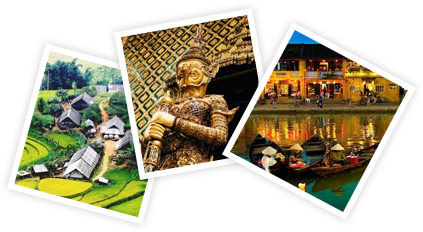

Planning a Thailand and Laos itinerary starts with one question: how do you fit two very different countries into one trip without spending half of it in transit? They pair beautifully. Thailand brings energetic cities, outstanding food and easy, polished travel. Laos slows everything down, with Mekong scenery, golden temples and small towns that feel a world away from Bangkok. Ten to fourteen days is a practical range, but the right route depends on whether you prefer culture, nature, slow travel or a mix of all three. This guide compares three routes, walks through a full 10-day sample, and covers the border, the season and the costs.
How Many Days Is Enough for a Thailand and Laos Itinerary?

10 days is enough for the northern highlights: Luang Prabang, Chiang Rai and Chiang Mai, with the Mekong and the border crossing in between. It is already fairly active, because the cross-border journey takes up the better part of two days.
12 days gives you breathing room. You can either add a night or two around Luang Prabang or Chiang Mai, or add Bangkok at the start if you want Thailand’s capital in the mix.
14 days is best used for a slower trip, with more time in fewer places rather than more places. Two weeks lets you add Bangkok, linger in Luang Prabang and build in a countryside or river extension without feeling rushed.
Short on time? A 7-day version is possible, but it needs a tightly focused route and suits travelers who are comfortable with faster travel (see the FAQs below).
>>>> Planning Laos on its own? See what to do in Laos for 5 days.
Not sure which length suits you? Browse our Indochina tours for ideas at every pace.
Best Thailand and Laos Itinerary Routes
There is no single perfect route. The best combination depends on how long you have and how you like to travel. Here are three that work well.
10 Days: Northern Thailand and Luang Prabang (Our Main Route)
Route: Luang Prabang (2 nights) → Pakbeng (1) → Chiang Khong (1) → Chiang Rai (2) → Chiang Mai (3)
This is the most natural way to link the two countries. You travel down the Mekong, cross the border at Huay Xai and Chiang Khong, then move through northern Thailand’s most rewarding cities.
- Where to slow down: Luang Prabang and Chiang Mai both reward extra time. If you can add a night, add it to one of these.
- The slow boat: The Mekong journey from Luang Prabang to Pakbeng is a highlight, but it is a long day on the water, so plan comfortable seating, snacks and layers.
- The border: Allow plenty of buffer time on Day 4 (see our border section below).
- Who it suits: Culture lovers and travelers who see the journey as part of the trip. It is less suited to anyone who wants minimal time in vehicles or on boats.
12 Days: Add Bangkok
Route: Bangkok (2 nights) → Chiang Mai (3) → Chiang Rai (2) → Chiang Khong / Huay Xai (1) → Luang Prabang (3)
Adding Bangkok gives first-time visitors Thailand’s major urban experience: palaces, canals, street food and markets. The trade-off is fewer nights in the north, so you will want to keep your Chiang Mai and Chiang Rai days focused. A short domestic flight from Bangkok to Chiang Mai saves a full day. This route can also run in reverse, starting in Luang Prabang and finishing in Bangkok for an international departure.
14 Days: Slower and One-Way
Route: Bangkok (2 nights) → Chiang Mai (3) → Chiang Rai (2) → Chiang Khong and Pakbeng by Mekong (2) → Luang Prabang (4), then fly out of Luang Prabang
The point of two weeks is not to add more destinations but to take more time in each. Four nights in Luang Prabang allows a countryside day, a cooking class or an unhurried morning at the markets, and the extra night on the Mekong turns the river from a transfer into an experience. Finishing in Luang Prabang also avoids backtracking.
>>>> Have more time? Pair this route with Vietnam tours or Cambodia tours.
Thinking of adding more countries? These guides may help:
Which Direction Should You Travel?
Laos to Thailand (the direction of our 10-day sample) creates a gradual transition from slow river life to more developed northern Thailand. You start quiet and end with Chiang Mai’s food, markets and comforts.
Thailand to Laos works well if you want to begin with Bangkok or Chiang Mai and finish with the relaxed pace of Luang Prabang, which is a lovely way to end a trip.
Our recommendation: if you want to ease into the trip, start in Laos. If you want a gentle ending, start in Thailand. Neither is universally better, so choose by how you want the trip to feel.
Want this route tailored to you? Our travel experts can adjust the pace, add private transfers or extra nights, and choose hotels that suit you.
Thailand and Laos 10-Day Itinerary: Day by Day
Here is a sample of our main route. Treat it as a starting point rather than a fixed plan.
Day 1: Luang Prabang Arrival
Arrive in Luang Prabang, Laos’s spiritual and cultural heart. Take time to settle into your accommodation and explore the charming streets. The city’s French colonial architecture and traditional Lao buildings create a unique atmosphere. Evening walk along the Mekong River to get your first taste of Laotian life.
Day 2: Luang Prabang City Tour and Kuang Si Waterfalls
Start your day in Luang Prabang with a visit to Wat Xieng Thong, an iconic temple renowned for its intricate mosaics and serene atmosphere. Wander through the Royal Palace Museum nearby, where you can explore artifacts that showcase Laos’ rich history and culture.
In the afternoon, head to the stunning Kuang Si Waterfalls. As you arrive, the sound of cascading turquoise water beckons you. Enjoy swimming in the natural pools and capture the beauty of the multi-tiered falls, surrounded by lush jungle. For a breathtaking view, hike to the top and take in the panoramic scenery.
Conclude your day with a traditional Laotian dinner at a local restaurant. Savor dishes like larb and sticky rice, paired with refreshing Lao beer. Enjoy the warm hospitality of the locals as you reflect on a day filled with unforgettable experiences.

Day 3: Luang Prabang to Pakbeng
Embark on a scenic boat journey along the Mekong River to Pakbeng. This slow travel experience invites you to soak in breathtaking river landscapes as you glide past lush greenery and dramatic cliffs. Keep your camera ready; the ever-changing scenery offers perfect photo opportunities.
As you drift along, observe the vibrant local river life. You might spot traditional fishing boats, families going about their daily routines, and children playing along the riverbanks. Take a moment to connect with fellow travelers and share stories, enhancing the sense of community on this serene journey.
Arriving in Pakbeng, the tranquil atmosphere sets the tone for exploration. This charming riverside town offers a glimpse into rural Laotian life, with local markets and welcoming guesthouses. Enjoy a leisurely evening, perhaps trying some local dishes at a riverside restaurant while watching the sun set over the Mekong, creating a perfect ending to your day.
Day 4: Pakbeng to Huay Xai and Chiang Khong
Cross the border from Laos to Thailand, starting in Huay Xai. As you navigate this vibrant town, enjoy the bustling atmosphere filled with local shops and street vendors. The unique border crossing process offers a fascinating glimpse into the cultural blend of both countries.
After completing the necessary immigration procedures, you’ll arrive in Chiang Khong. Here, the scenery shifts, showcasing a mix of Lao and Thai influences. Stroll along the riverfront for stunning views of the Mekong and the surrounding hills.
This day focuses on transition, allowing you to embrace the unique characteristics of the border region. Engage with locals, sample delicious street food, and visit a temple or two. As the sun sets, reflect on your journey and prepare for the adventures that await in Thailand.

Day 5: Chiang Khong to Golden Triangle and Chiang Rai
Visit the famous Golden Triangle, where Thailand, Laos, and Myanmar converge. This area, steeped in history, was once a significant hub for the opium trade. As you explore, take in the panoramic views of the three countries meeting at the Mekong River, and visit the Golden Triangle Park for insights into the region’s past.
Afterward, continue to Chiang Rai, where you’ll discover a unique cultural landscape. Begin with a visit to the stunning Wat Rong Khun, also known as the White Temple. Its intricate designs and shimmering white façade create a surreal experience that blends traditional Buddhist art with contemporary themes.
Stroll through the local markets, where you can find handicrafts and sample delicious street food. Take your time to appreciate the vibrant atmosphere, and consider visiting the Black House Museum for a contrasting artistic perspective. As your day unfolds, immerse yourself in Chiang Rai’s rich culture and warm hospitality, making it a memorable stop on your journey.

Day 6: Chiang Rai City and Elephant Experience
Discover Chiang Rai’s cultural sites, starting with Wat Phra Kaew, renowned for its stunning architecture and historical significance. After exploring, visit an ethical elephant sanctuary for a responsible interaction with these majestic creatures.
At the sanctuary, learn about elephant conservation and the importance of protecting their habitats. Engage in activities like feeding and bathing the elephants, ensuring their well-being is prioritized. This meaningful experience allows you to appreciate these gentle giants while supporting vital conservation efforts.
Reflect on the day’s experiences as you return to Chiang Rai, understanding the importance of ethical tourism and the role it plays in preserving these incredible animals.

Day 7: Chiang Rai to Chiang Mai
Travel to Chiang Mai, Northern Thailand’s cultural capital, renowned for its rich history and vibrant arts scene. After exploring ancient temples and bustling markets, enjoy a traditional Kantoke dinner in the evening.
This communal dining experience features northern Thai cuisine, including Khao Soi and sticky rice, served on a low table. While you savor the flavors, enjoy cultural performances showcasing traditional dance and music. This immersive evening offers a delightful taste of Chiang Mai’s rich heritage, making it a memorable highlight of your journey.
Day 8: Chiang Mai – Temples and Monks
Immerse yourself in Chiang Mai’s spiritual side by visiting ancient temples such as Wat Phra That Doi Suthep, perched on a mountainside with breathtaking views. Explore its stunning architecture and sacred relics, and take a moment for reflection.
Observe daily monk activities at local monasteries, gaining insights into their way of life and the teachings of Buddhism. Engage in respectful conversations, if possible, to learn more about their practices and beliefs.
This day offers deep cultural insights, allowing you to appreciate the significance of spirituality in Thai life. As you connect with the serene environment and the teachings of Buddhism, you’ll leave with a richer understanding of Chiang Mai’s spiritual heritage.
Day 9: Chiang Mai Leisure Biking
This day you will explore Chiang Mai at a relaxed pace with a leisurely bike tour, uncovering hidden corners and local markets. Pedal through charming alleyways and scenic parks, experiencing the city like a local.
Your guide will lead you to lesser-known spots, where you can interact with friendly locals and sample delicious street food. Enjoy artisan workshops and the lush countryside just outside the city. This immersive experience offers a unique perspective, allowing you to connect with Chiang Mai’s culture and community at your own pace.
Day 10: Chiang Mai Departure
Conclude your journey in Chiang Mai by revisiting your favorite spots and reflecting on your experiences. Enjoy a leisurely breakfast at a local café or shop for unique souvenirs.
Take a final moment to appreciate the beauty of the temples and the vibrant streets. As you prepare to depart, hold onto the friendships made and cultural insights gained, carrying the spirit of Chiang Mai with you to your next adventure.
Note: This is a suggested itinerary for your reference. Indochina Voyages’s travel experts can help customize the trip to perfectly suit your preferences.
Besides, if you are looking for more Laos tours or Thailand tours, please visit our products below:
How to Travel Between Thailand and Laos
Mekong Slow Boat
The classic route runs from Luang Prabang to Pakbeng, then on to Huay Xai, over two days with an overnight stop. Boats run daily and usually leave between 9:00 and 11:00 am, with roughly six to eight hours on the water each day. The upstream journey towards Huay Xai tends to be the longer one. Travelers choose it for the scenery and the sense of travelling the way the river has always been travelled. Seating on public boats is basic and the days are long, so it suits travelers who enjoy slow travel, while upgraded premium boats are also available for more comfort. River levels affect timings, so keep your schedule flexible.
Flying
Flying makes sense if time is short or you prefer to skip the river. Lao Airlines operates non-stop flights between Luang Prabang and Chiang Mai in about 50 minutes, but the schedule is limited (four flights a week on recent timetables), so check the days before you fix your dates. Other routings connect through hubs such as Bangkok and take longer.
Bus and Overland
There are bus and minivan connections between northern Thailand and Laos, but journeys are long and conditions vary. For the full overland picture, read our guide: How to travel from Chiang Rai to Luang Prabang.
Adding Vientiane to your trip? Our guide to the train from Vientiane to Luang Prabang covers the rail option.
Private Transfers
Private transport helps most on the legs where several transport modes meet: getting to and from the border, connecting with boats and flights, and the drive between Chiang Rai and Chiang Mai. It saves time and removes the guesswork, which is why many of our travelers choose it for these stretches.
Planning the Laos leg of your trip? Compare options on this page.
Popular Laos trips to start with:
Thailand and Laos Border Crossing (Chiang Khong – Huay Xai)
The Chiang Khong–Huay Xai crossing is one of the most useful links between northern Thailand and Laos. The basic sequence is:
- Leave Thailand: clear Thai immigration at the Chiang Khong checkpoint, about 7 km southeast of Chiang Khong town.
- Cross the Mekong: a shuttle bus carries travelers over Friendship Bridge 4.
- Complete Laos immigration: get your visa on arrival or show your eVisa, then clear the Lao checkpoint.
- Continue to Huay Xai: take onward transport to Huay Xai town and the slow boat pier.
Allow plenty of time. The Lao checkpoint at Friendship Bridge 4 is listed as open daily from 6:00 am to 10:00 pm, but queues and paperwork can be unpredictable. If you are heading to the slow boat, cross early in the day.
What to Prepare
- Passport: valid for at least six months for both countries.
- Laos visa: most travelers can buy a 30-day visa on arrival at the border (about US$35 to US$50) or apply for the eVisa at least five days ahead.
- Thailand entry: since 15 September 2026 the visa-free stay is 30 days for 60 listed countries, and the free Thailand Digital Arrival Card must be filed online within three days before arrival.
- Cash: bring some for visa and small border fees, as card payment is limited.
- Transfers and insurance: arrange your onward transfer and boat in advance, and choose insurance with medical evacuation cover.
Information checked on 8 October 2026. Laos is also rolling out an online arrival form (LDIF), so check whether it applies at Huay Xai for your dates. Rules change, so confirm with the official sources before you travel: the Lao eVisa site, the Lao Department of Immigration, the Thailand Digital Arrival Card and the Tourism Authority of Thailand visa update.
>>>> Prefer to leave the border logistics to someone else? The travel specialists at Indochina Voyages can help arrange your transfers and the crossing
Best Time for a Thailand and Laos Trip
- November to February: cooler and drier, and generally the best period for northern Thailand and Laos.
- March to May: hot, with burning-season smoke affecting air quality in northern Thailand and Laos. The Mekong is at its lowest around March and April, which can affect boat services.
- June to October: lush and green, with the heaviest rain typically in July and August. Rain can disrupt outdoor activities and Mekong transport, so check river conditions if you plan to take the slow boat.
A quick note: weather in northern Thailand and Laos differs from Bangkok and southern Thailand, so do not plan this trip by the seasons you know from the beaches.
>>>> Travelling in mid-April? Read about the traditional New Year celebrations in Laos, Thailand and Cambodia before you book.
How Much Does a Thailand and Laos Trip Cost?
Prices depend on season, hotel level and how much of the trip is private. These are the main styles:
| Travel style | What it usually means | Indicative cost per person |
|---|---|---|
| Budget | Simple hotels, shared transport where possible, fewer guided days | From about US$100 per day (around US$1,000 for 10 days) |
| Mid-range / Deluxe | Comfortable 3 to 4 star hotels, private transfers and guides, a mix of transport | About US$150 to US$200 per day (around US$1,500 to US$2,000 for 10 days) |
| Luxury / private | 4 to 5 star and boutique hotels, private guide and driver, upgraded river and cultural experiences | From about US$300 per day (US$3,000 or more for 10 days) |
These figures are indicative only. They are per person, exclude international flights, visas, tips and personal expenses, and change with season, hotels, group size and your preferences, so every trip is quoted individually. For reference, our Jungles and Tribes – Northern Thailand 7 Days starts from US$1,034 per person and Classic Thailand 7 Days from US$1,101. Last updated October 2026.
At Indochina Voyages, we put more emphasis on comfort, private service and time efficiency than on the lowest price: fewer wasted hours, smoother connections and hotels that make a long journey enjoyable.
>>>> Want to see how this looks in practice? Browse our Indochina tours.
Which Thailand and Laos Itinerary Is Right for You?
| Traveler | Best fit |
|---|---|
| First-time visitors | Bangkok + Northern Thailand + Luang Prabang (12 days) |
| Culture lovers | Luang Prabang + Chiang Rai + Chiang Mai (10 days) |
| Slow travelers | Luang Prabang + Mekong + Chiang Rai (14 days) |
| Nature and adventure | Kuang Si + Mekong + northern Thailand countryside |
| Couples and mature travelers | Fewer destinations, private transfers, more free time and upgraded accommodation |
Practical Tips for Planning a Thailand and Laos Itinerary
- Do not add too many destinations. Two or three nights per stop is a good minimum.
- Allow extra time around border crossings.
- Decide between the Mekong slow boat and flying early.
- Book key accommodation ahead in peak season (November to February).
- Keep some flexibility around river travel.
- Check visa requirements for both countries before you go.
- Consider private transfers to join up different transport modes.
- Protect enough time in Luang Prabang and Chiang Mai, the two places most travelers wish they had stayed longer.
>>>> Want more time in Luang Prabang? Read more about our Laos itineraries.
FAQs
Thailand and Laos are easy to combine, but the best itinerary depends on how much time you have and how you want to travel. If you prefer private transfers, comfortable hotels and a slower pace, our travel experts can tailor the route around your interests. Start planning with Indochina Voyages; you can also email us at info@indochinavoyages.com.
Thuy Do – From Indochina Voyages Specialist Team